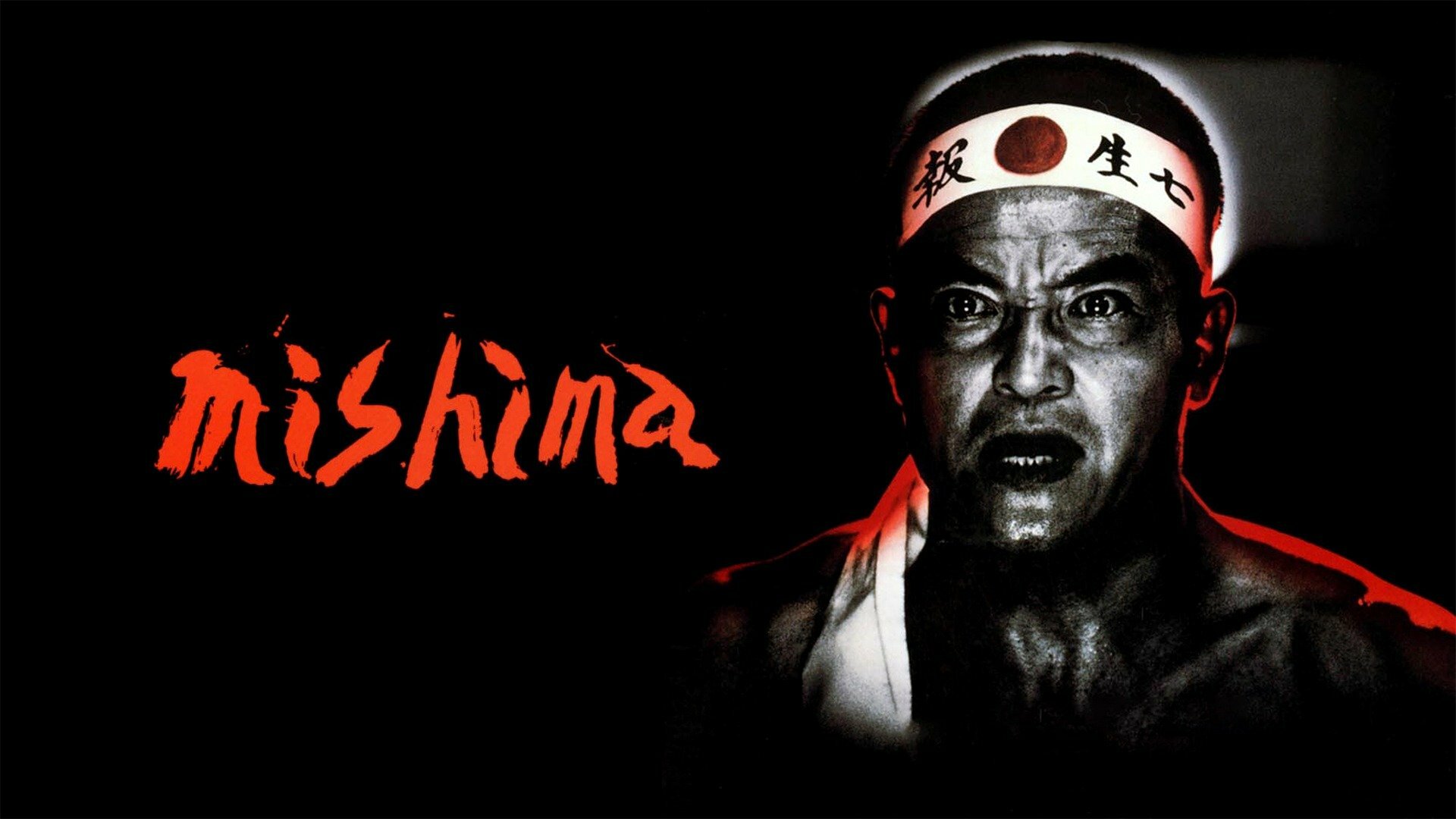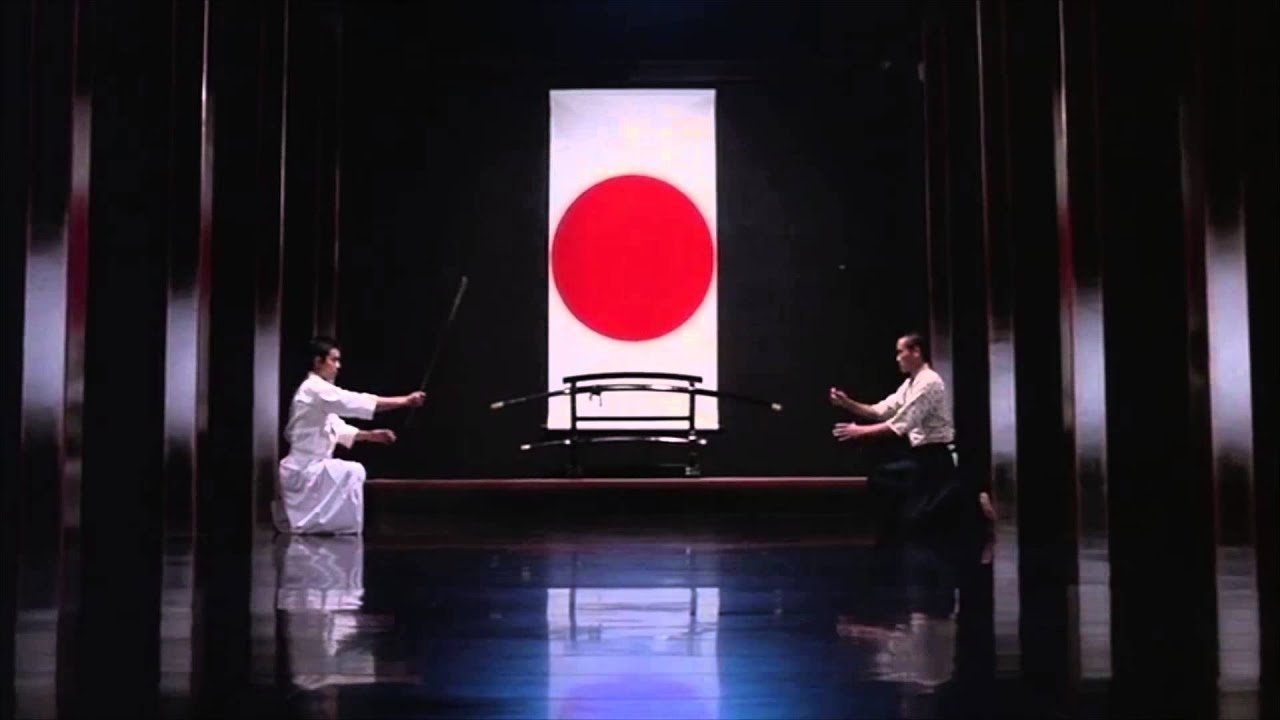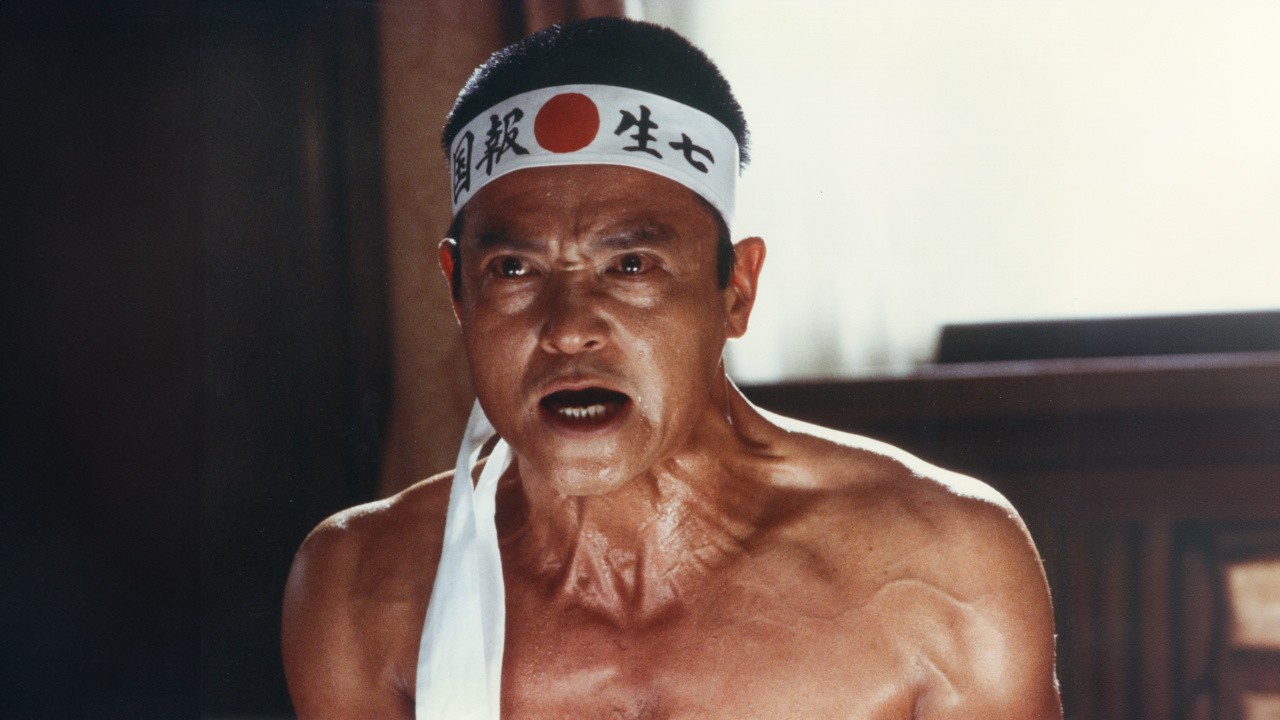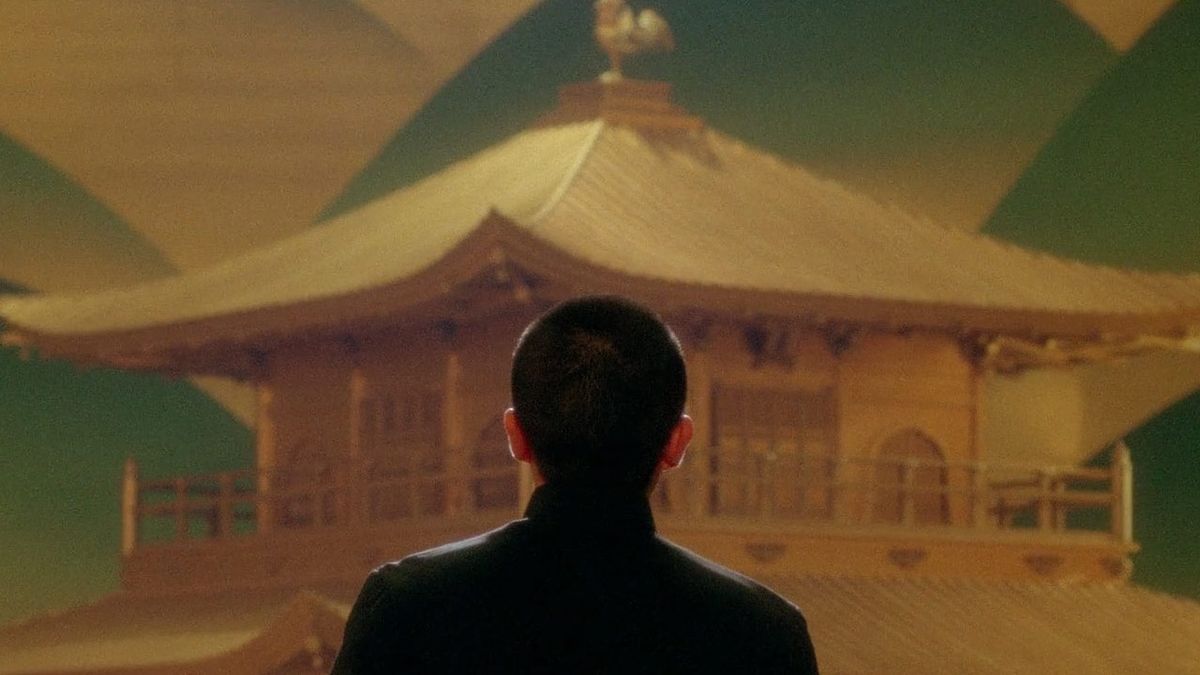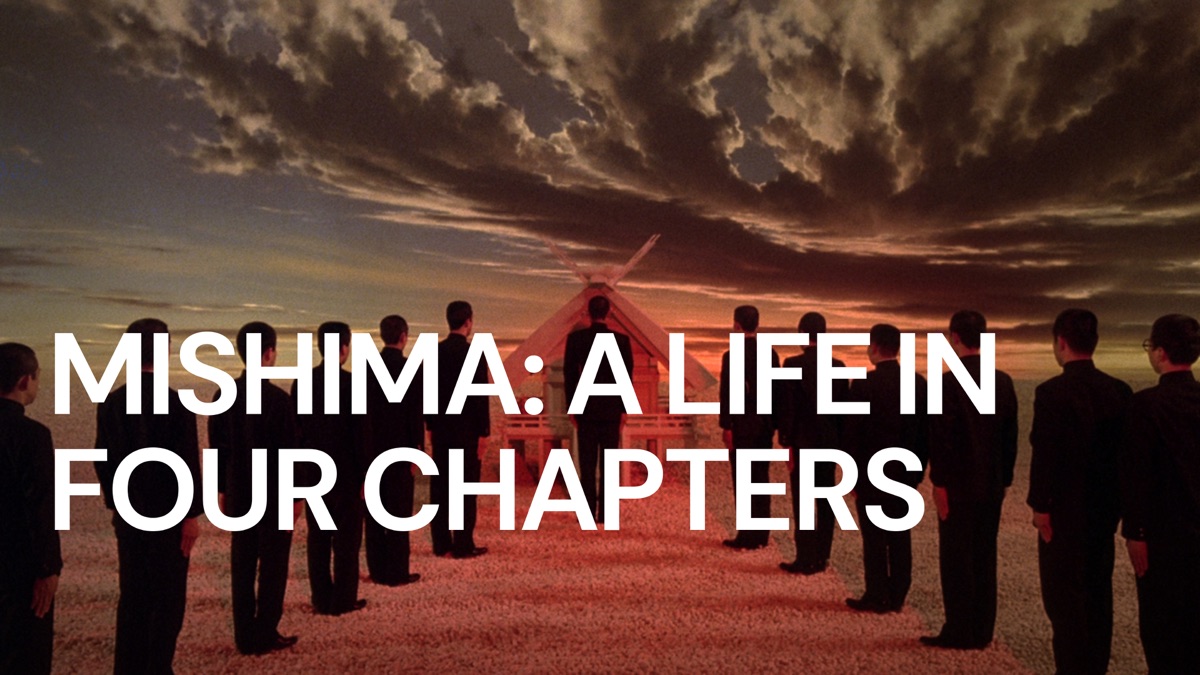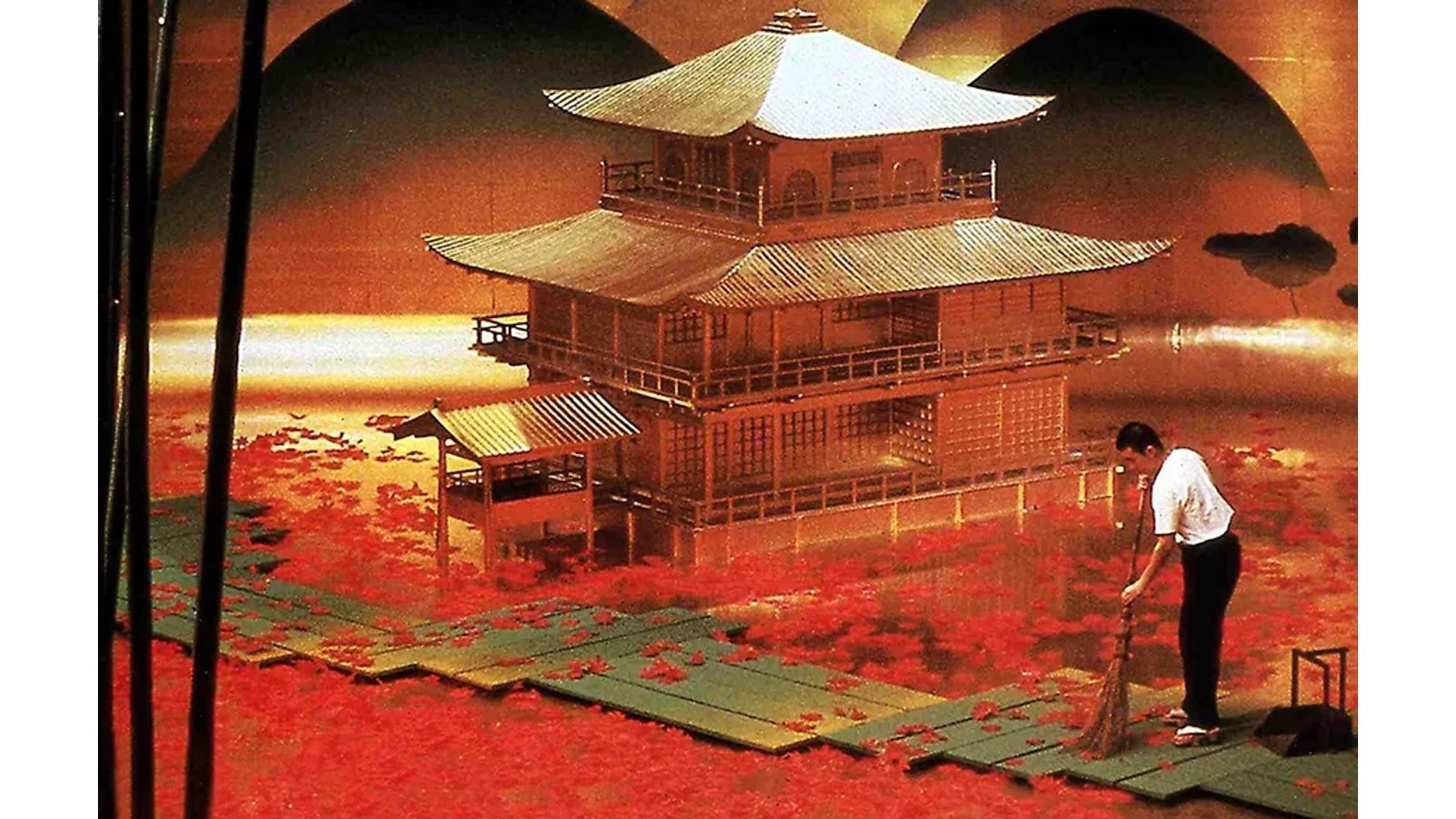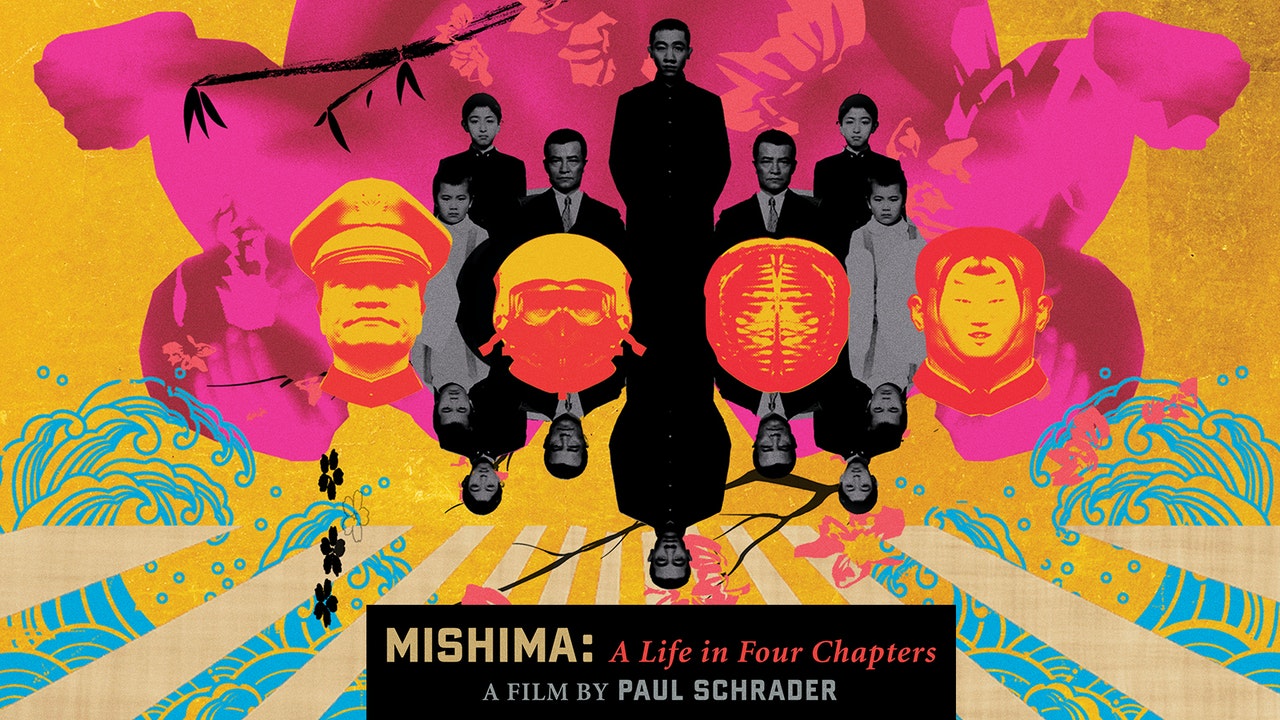
Okay, imagine this: You’re at a hipster coffee shop, right? Everyone's sporting ironic glasses and nursing their oat milk lattes. You overhear a snippet of conversation: "Mishima? Oh yeah, the guy who thought dying dramatically on camera was, like, peak performance art." It's a reductive, but…not entirely inaccurate snapshot. But there's so much more to Yukio Mishima than just that infamous final act. Think of him as a literary supernova, burning incredibly bright and then…well, imploding spectacularly. That’s what we are diving into today!
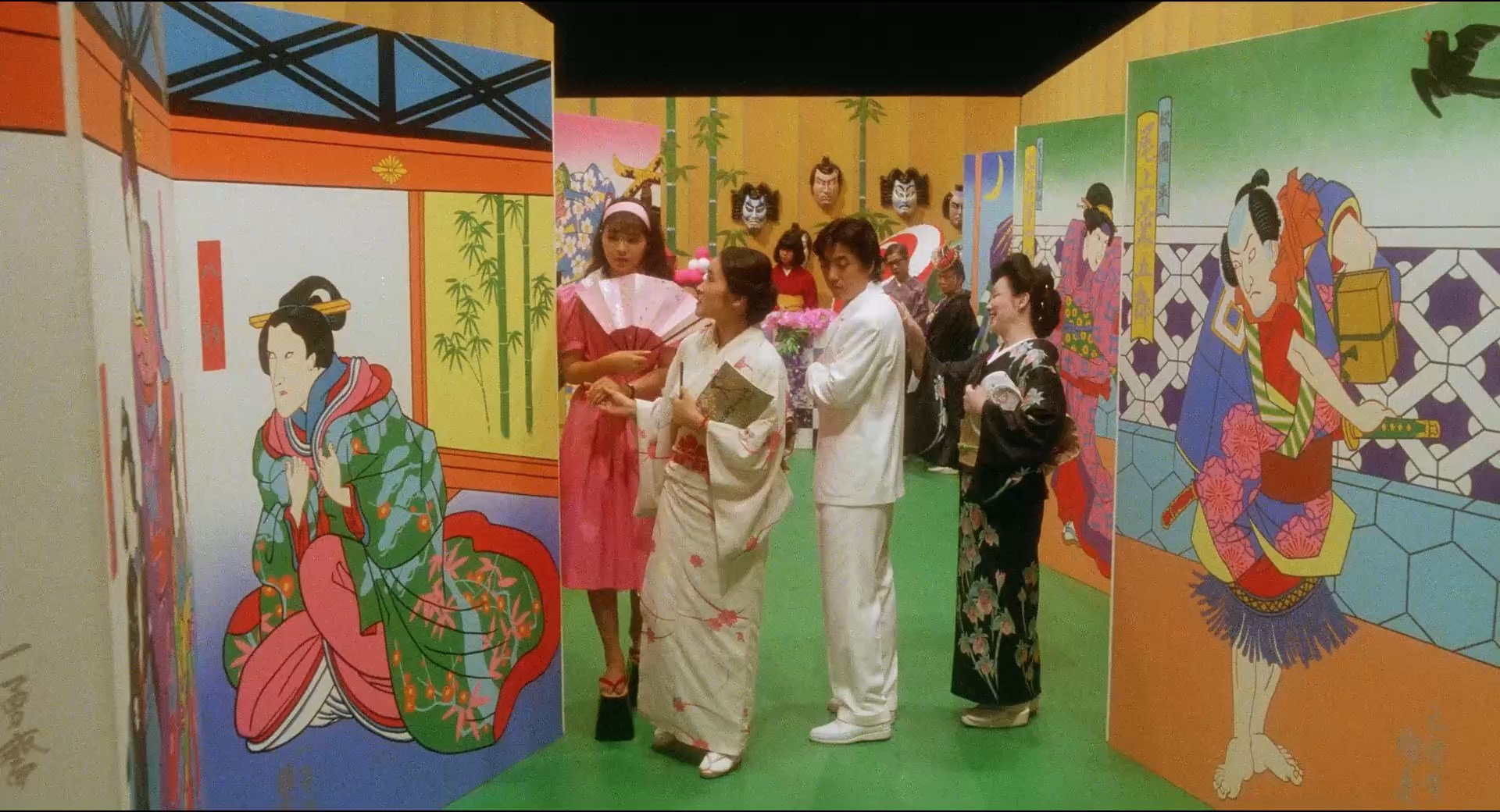
Mishima's life, to me, feels like a play in four distinct acts. (Or maybe a really intense Kabuki performance? Okay, I’ll stop with the pretentious metaphors, promise! ...Mostly.)
Chapter 1: The Delicate Hothouse Flower
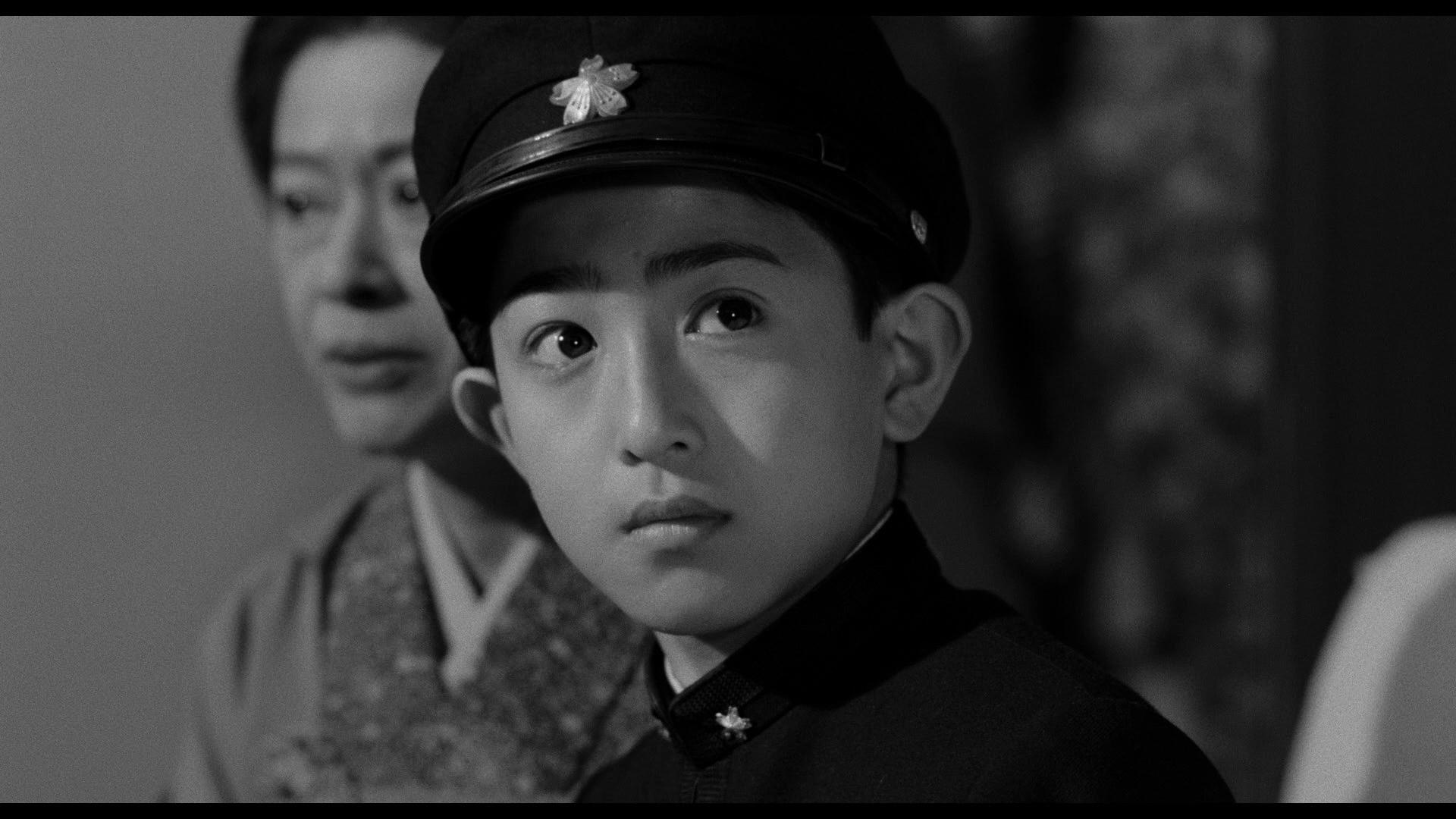
Mishima's early life was, to put it mildly, sheltered. Raised primarily by his intensely protective grandmother, he was kept largely isolated from the outside world. This early isolation, combined with a frail constitution and a sensitive artistic temperament, fostered a rich inner world and a deep fascination with beauty and aesthetics. Let's just say he wasn't exactly playing rugby in the mud.
Think of it like this: he was a rare orchid, carefully cultivated in a controlled environment. His grandmother, Natsu, basically ruled the roost and had some, let's say, unconventional ideas about child-rearing. And you know what happens when you coddle something too much?
Chapter 2: The Literary Prodigy
Despite his fragile upbringing, Mishima blossomed into a literary force. He wrote prolifically, producing novels, plays, poetry, and essays at an astonishing rate. His themes often explored the tension between tradition and modernity, the allure of death and destruction, and the complexities of the human psyche.

His writing style was, well, intense. Think flowery prose mixed with a healthy dose of existential angst. He wasn't afraid to tackle controversial subjects, pushing boundaries and challenging societal norms. And people noticed. He became a literary superstar in Japan, and his works were translated and read around the world. Are we keeping up so far?
Chapter 3: The Bodybuilder-Samurai
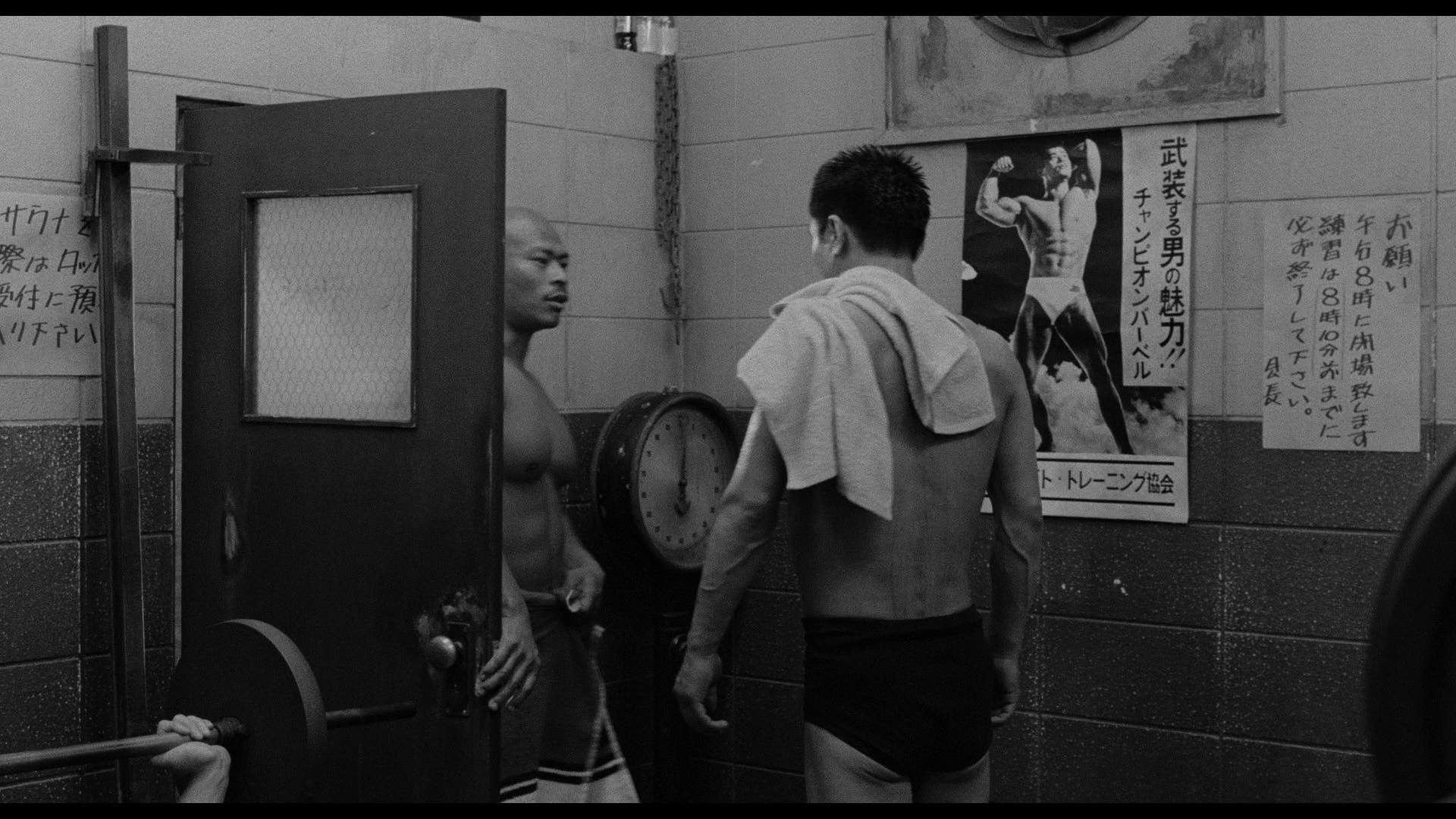
This is where things get…interesting. Mishima became increasingly obsessed with physical fitness and traditional Japanese martial arts. He transformed his frail body into a sculpted physique, seeing it as a way to embody the ideals of the ancient samurai. This wasn’t just about vanity (though I'm sure that played a small role). It was a deliberate attempt to forge a connection with the past and to reclaim a sense of national identity that he felt was being eroded by Western influences.
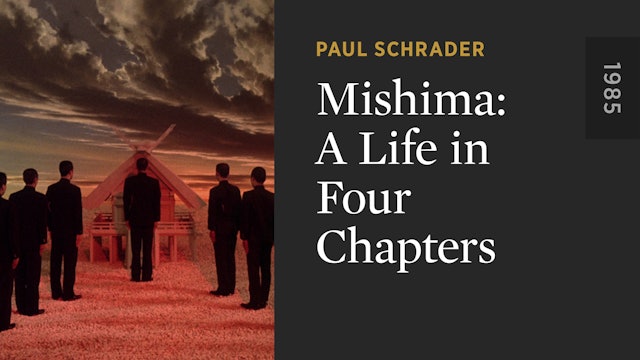
He even formed his own private militia, the Tatenokai ("Shield Society"), dedicated to preserving traditional Japanese values. Yeah, you read that right. A private militia. Talk about taking your hobbies seriously.
Chapter 4: The Dramatic Finale
And then, the climax. In 1970, Mishima and members of the Tatenokai stormed a military base in Tokyo, attempting to incite a coup d'état to restore the Emperor's power. The coup failed miserably. And then, in a meticulously planned ritual, Mishima committed seppuku (ritual suicide) in front of stunned onlookers. His final act was a shocking statement about his beliefs and his vision for Japan.
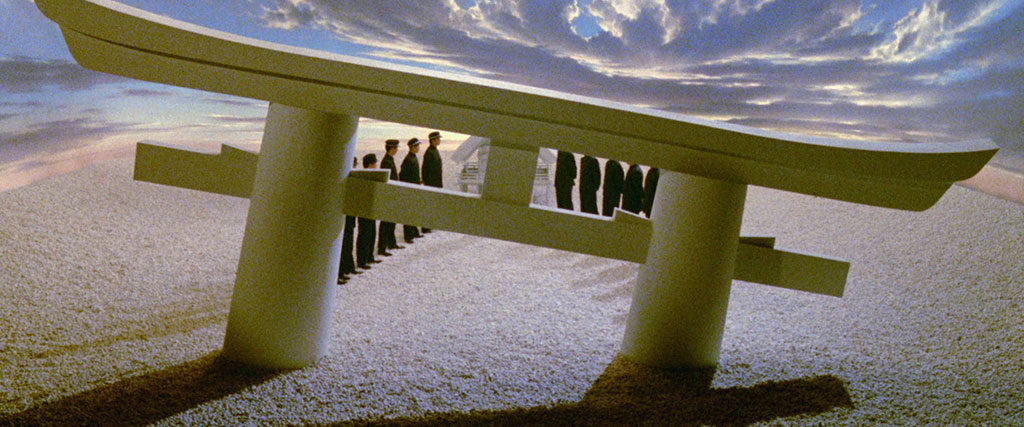
It was a tragic and controversial end to a truly extraordinary life. Was it madness? Heroism? A desperate act of political protest? The interpretations are endless. What do you think?
Mishima's life is a complicated and contradictory tapestry. He was a literary genius, a bodybuilder, a nationalist, a playwright, a political activist, and ultimately, a man who chose to die on his own terms. It's a story that continues to fascinate and provoke debate to this day. So next time you hear someone mention Mishima, remember there's much more to him than just that final, dramatic scene. He's worth exploring. You might find something that resonates with you, or at least something that gives you serious food for thought.