Ah, la sagesse populaire! These little nuggets of truth passed down through generations, encapsulating the realities of life in a neat, easily digestible phrase. Today, let's unpack one of my personal favorites, a proverb so French, so practical, and so utterly relatable: "Mieux vaut un mauvais arrangement qu'un bon procès." In English? "A bad settlement is better than a good lawsuit." Intrigued? Let's dive in.
The Allure of Avoiding the Legal Battlefield
Let's be honest, the mere thought of a lawsuit is enough to send shivers down most people's spines. The image conjures up visions of endless paperwork, exorbitant legal fees, and a general sense of being trapped in a bureaucratic nightmare. Think Kafka, but with more lawyers. This is where the genius of our proverb shines. It's a pragmatic reminder that sometimes, swallowing your pride and accepting a less-than-ideal compromise is preferable to the long, arduous, and often emotionally draining process of a court battle.
Why is this such sound advice? Here's a few compelling reasons:
- Time is precious: Litigation takes time. Often, years. Imagine that mental energy being spent on something more productive, more enjoyable, more... you!
- Money, money, money: Legal fees can be astronomical. Even if you "win" the case, the legal costs may outweigh the benefits. Ouch.
- Stress levels through the roof: The emotional toll of a lawsuit is immense. Sleepless nights, constant anxiety, and strained relationships are just some of the potential consequences.
- Uncertainty reigns: The outcome of a trial is never guaranteed. Even with a seemingly airtight case, there's always the possibility of an unfavorable ruling.
- Publicity nightmare: Lawsuits are often a matter of public record. Do you really want your dirty laundry aired for all to see? (Unless you're a reality TV star, of course!)
Think of it this way: you're at a Parisian flea market, haggling over a vintage Hermès scarf. You think it's worth €200, the vendor wants €300. Do you walk away in principle, potentially missing out on a great deal, or do you meet them halfway at €250, knowing you've slightly overpaid, but still snagged a coveted item without the headache of further negotiation? Mieux vaut un mauvais arrangement... in this case, buying the scarf at €250!
Decoding the "Mauvais Arrangement": It's All Relative
Now, before you think I'm advocating for rolling over and accepting any old settlement, let's be clear: a "bad settlement" is relative. It doesn't mean accepting something that is fundamentally unjust or that compromises your core values. It means weighing the pros and cons, assessing the potential risks and rewards of litigation, and making a rational decision based on your own specific circumstances.

Consider these factors when evaluating a potential settlement:
- The actual damages: What is the real financial impact of the dispute? Is it worth fighting tooth and nail over a relatively small amount?
- The strength of your case: Be honest with yourself. Do you have compelling evidence to support your claims? Are there any weaknesses in your argument?
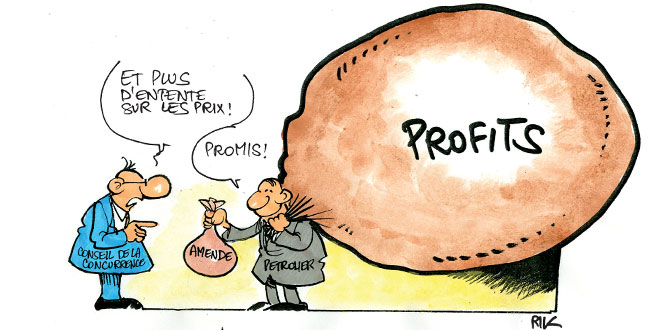
- The other party's resources: Are you up against a corporate giant with deep pockets? They can afford to drag things out, even if they know they're in the wrong.
- Your own emotional well-being: How much are you willing to sacrifice for the sake of "winning"? Is it worth the stress and anxiety?
Real-Life Examples: Lessons From the Everyday
This proverb isn't just theoretical. It plays out in everyday life more often than you might think. Imagine:

- A landlord-tenant dispute: Instead of spending months in court battling over a minor repair, the landlord offers a small rent reduction to settle the matter.
- A business partnership gone sour: Rather than engaging in a lengthy legal battle over asset division, the partners agree to a mediation session and reach a compromise.
- A neighborhood noise complaint: Instead of calling the police and escalating the situation, you have a polite conversation with your neighbor and reach a mutual understanding about noise levels.
These are all examples of situations where a "bad settlement" – a compromise that may not be ideal, but avoids the pitfalls of litigation – is ultimately the wiser choice.
The Art of Compromise: A Very French Affair
Compromise is a quintessential element of French culture. Think of the famous "compromis historique" in post-war France, a political agreement that allowed for stability and progress. This willingness to find common ground, to negotiate and find solutions that benefit all parties involved, is deeply ingrained in the French psyche. Maybe that's why this proverb resonates so strongly here.
It's not about weakness; it's about intelligence. Recognizing when to concede, when to negotiate, and when to walk away. It’s a skill honed through generations of diplomacy, negotiation, and a healthy dose of cynicism about the legal system.
Fun Fact: Did you know that France has a higher rate of mediation and conciliation than many other Western countries? This suggests a greater willingness to seek out alternative dispute resolution methods, rather than resorting to litigation.

The Daily Dose of Pragmatism
"Mieux vaut un mauvais arrangement qu'un bon procès" isn't just a proverb for lawyers and judges. It's a philosophy for life. It's about recognizing that sometimes, the pursuit of absolute justice can come at a very high price. It's about valuing your time, your money, and your sanity. It’s about choosing peace over pride, and practicality over principle (when the stakes aren't too high, of course!).
So, the next time you find yourself embroiled in a dispute, take a deep breath, channel your inner French pragmatist, and ask yourself: is this battle worth fighting? Or is there a "mauvais arrangement" that might just save you a whole lot of trouble in the long run? You might be surprised at how often the answer is the latter. Consider if you could offer that grumpy cafe waiter a slightly bigger tip for slightly better service? Is it worth the argument and the potential of a ruined croissant?
Life is too short to spend it in court. Bon courage!






![Un mauvais mariage vaut mieux qu'un bon procès. [ Francis Blanche ] Une](https://www.amour-citation.fr/citations-img/1606-un-mauvais-mariage-vaut-mieux.jpg)