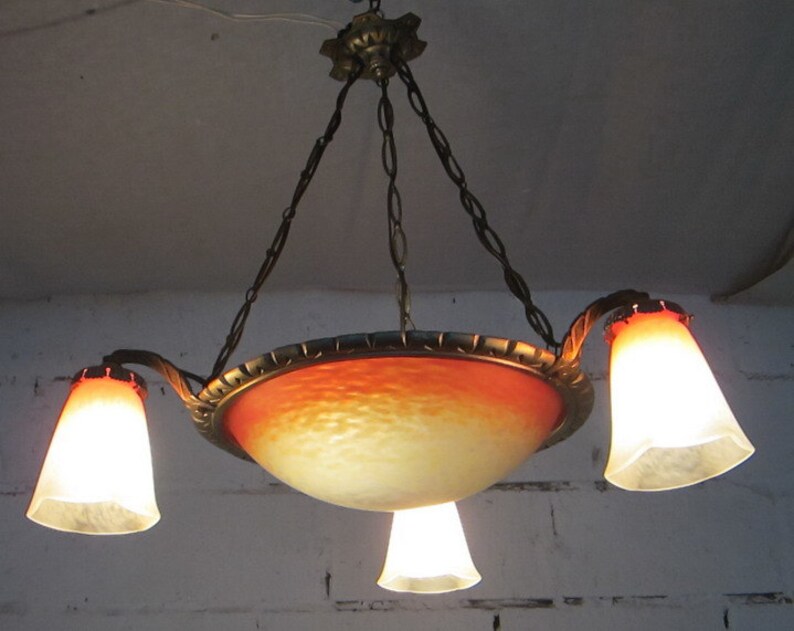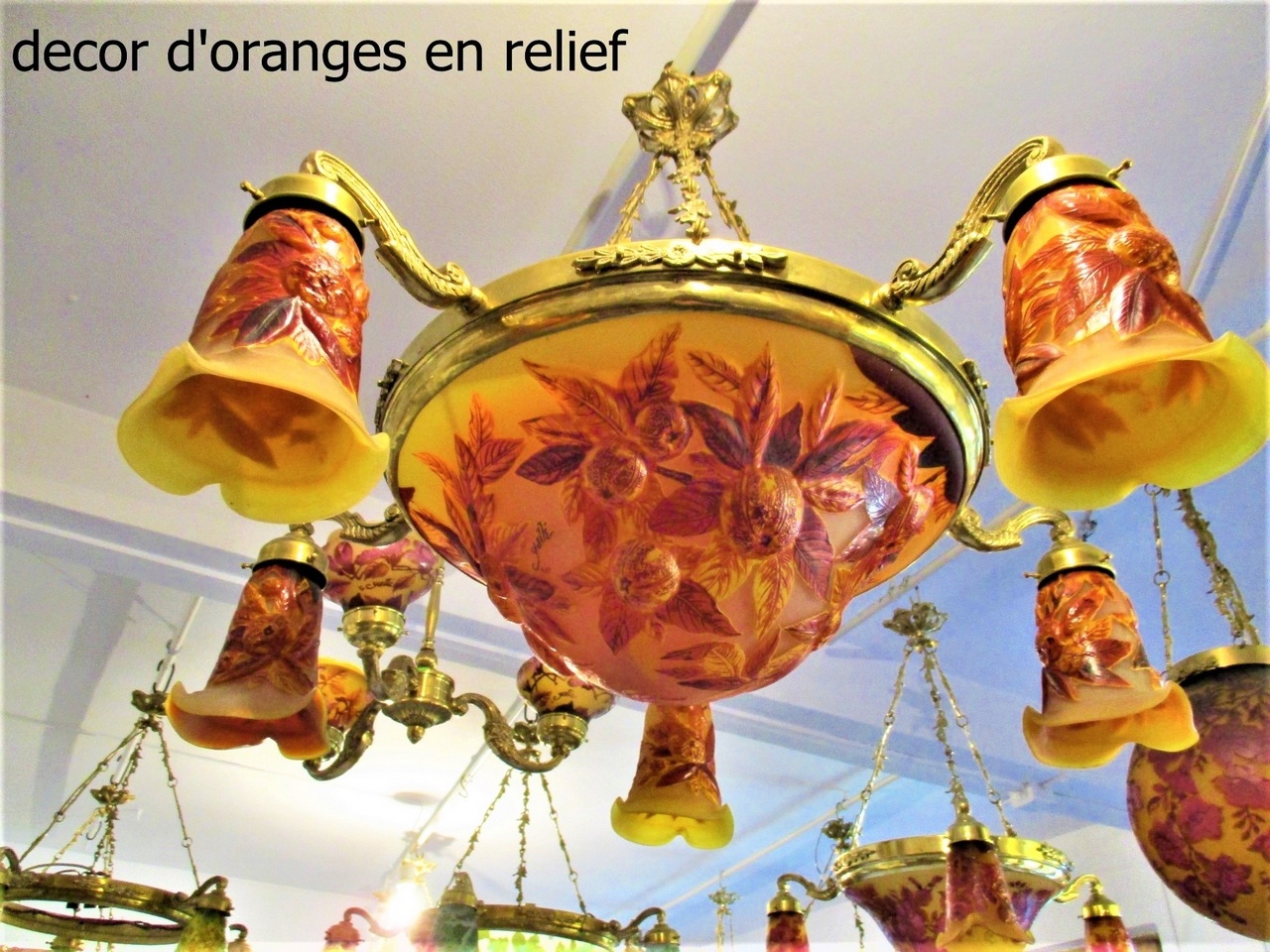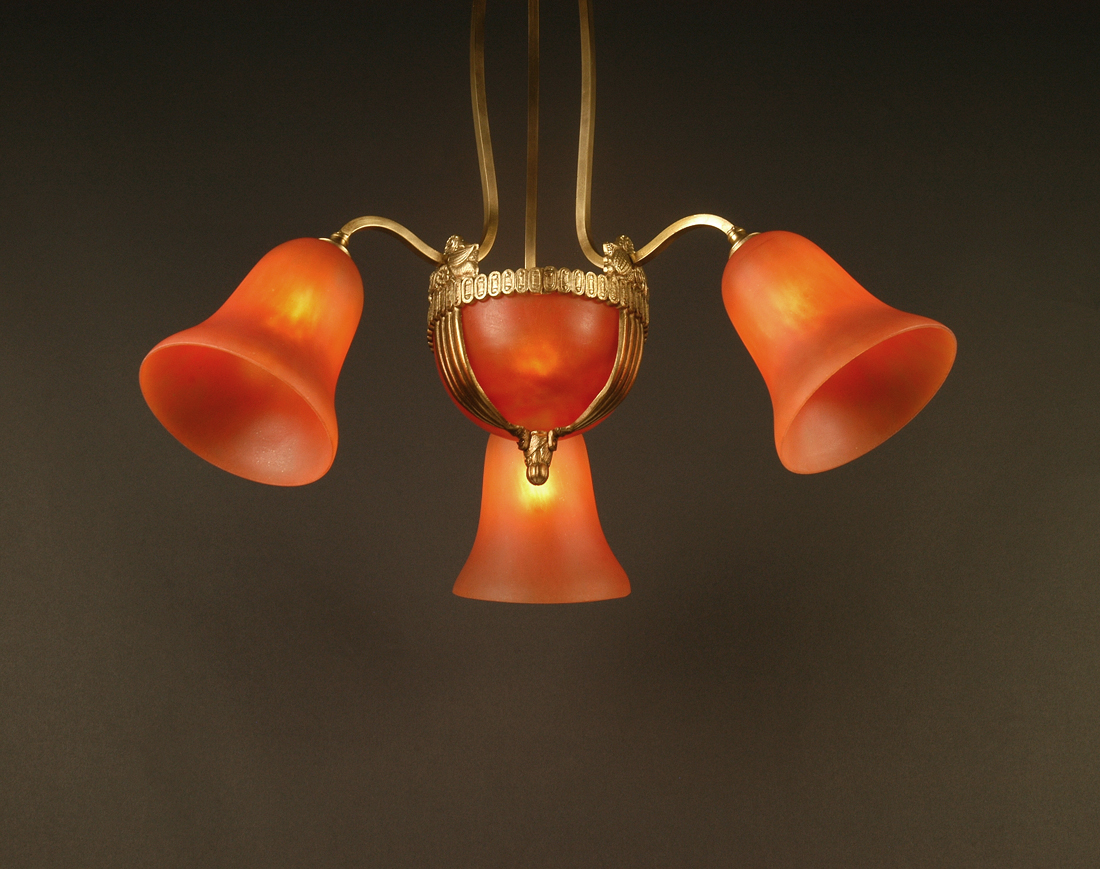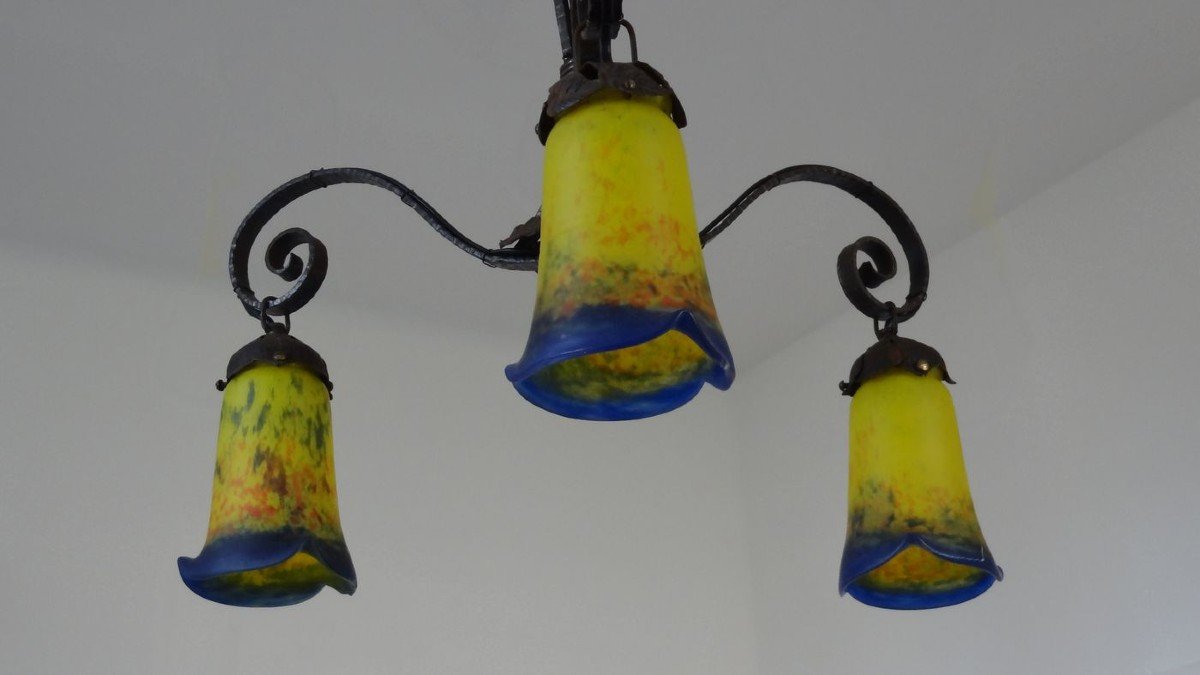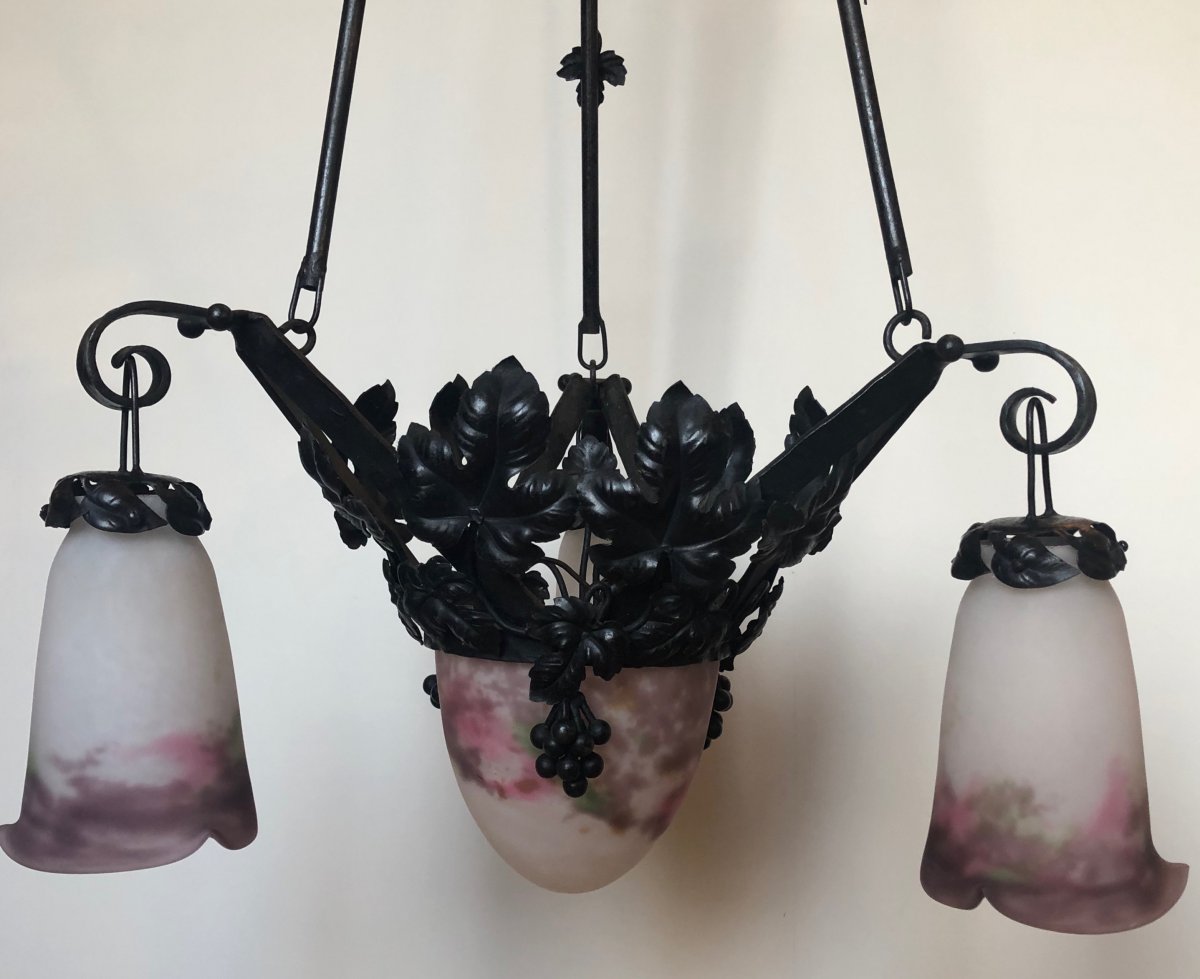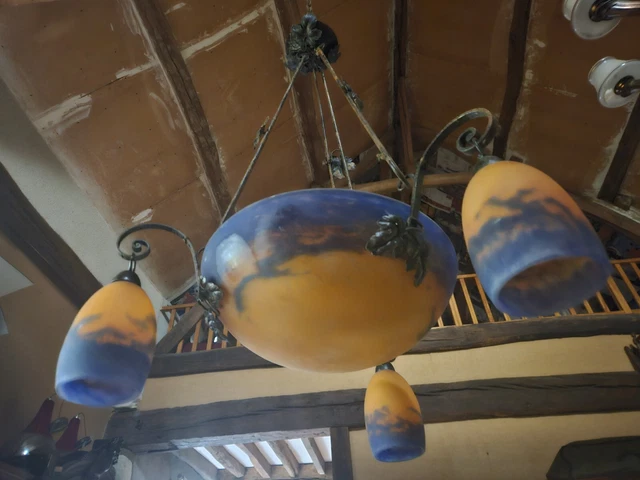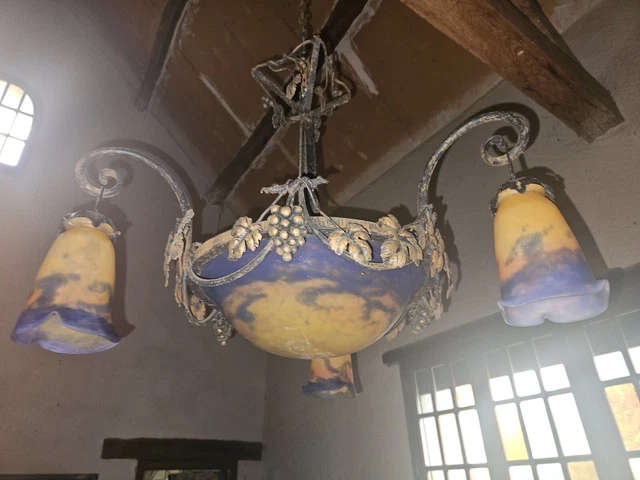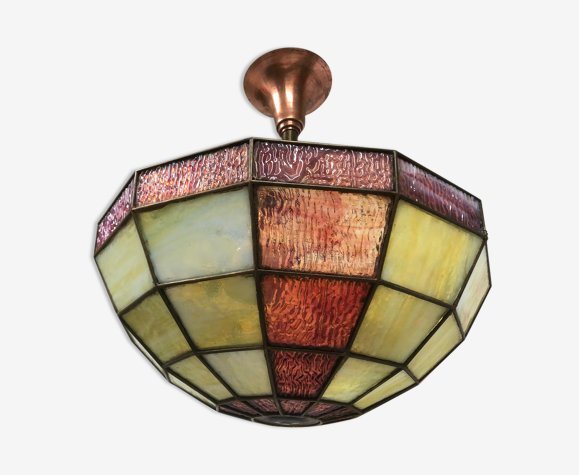
Okay, so picture this: I'm at a flea market, right? Totally overwhelmed by dusty furniture and questionable taxidermy. I'm about to give up when bam! I see it. A little glowing bowl, like a captured sunset. It was obviously old, and it had this... vibe. I mean, you know the vibe I'm talking about. The one that screams "I'm secretly very fancy, but I'm pretending to be humble". It turned out to be Art Deco pâte de verre. And suddenly, I was obsessed. Obsessed, I tell you! You know, the kind of obsessed where you spend hours down internet rabbit holes? Yeah, that kind.
So, what's the big deal with Art Deco pâte de verre, you ask? Well, buckle up, because it's a fascinating story!
What is Pâte de Verre Anyway?
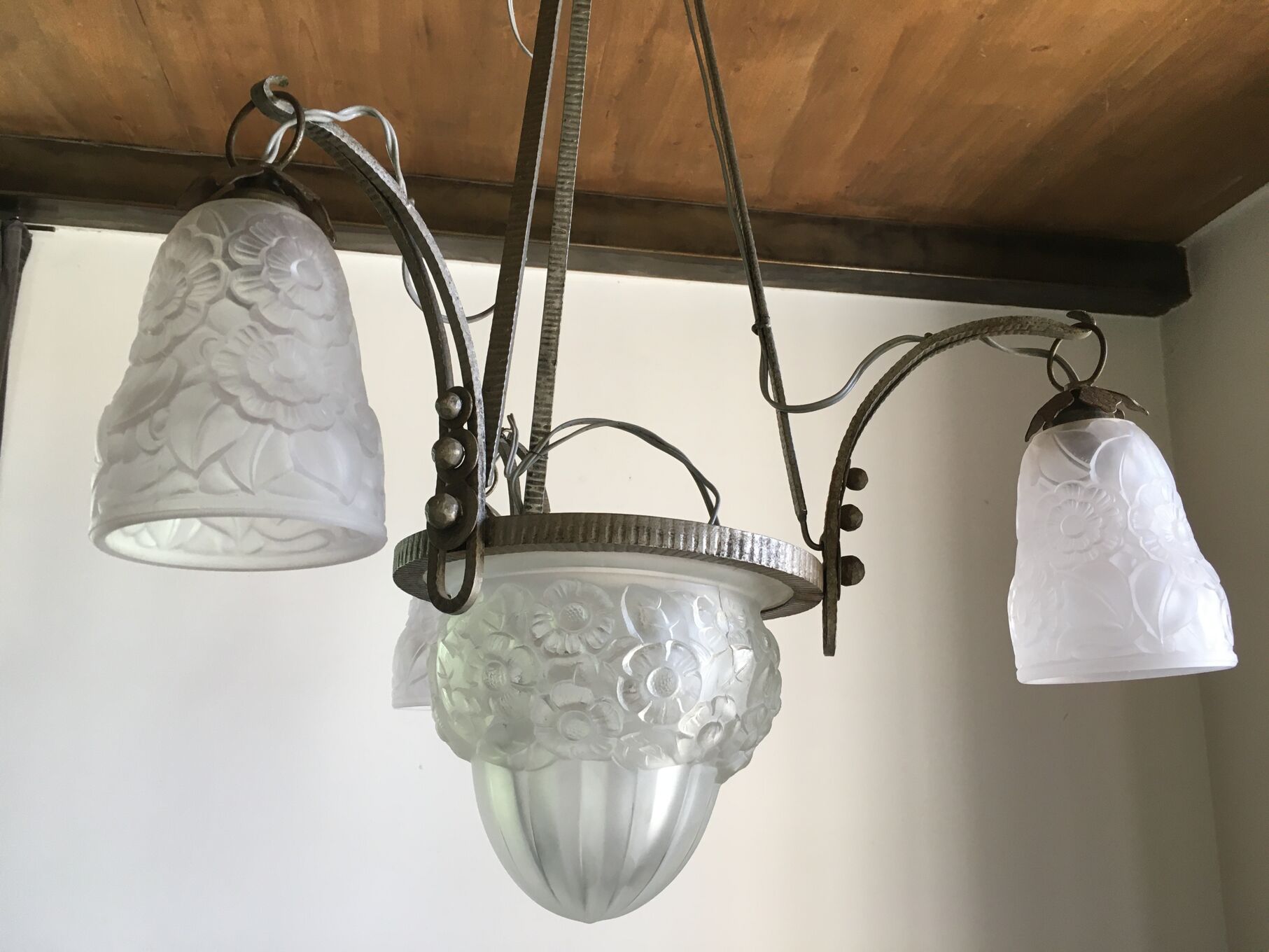
Literally translated, pâte de verre means "glass paste". But it's way cooler than it sounds, trust me. It's an ancient glassmaking technique that was revived during the Art Nouveau and Art Deco periods. Instead of blowing glass, they'd create a paste made of crushed glass (called frit), mixed with a binder, and then carefully pack it into a mold. This mold was then fired in a kiln. The result? Objects with incredible depth of color and a slightly textured, almost ethereal quality. Think dreamy, not shiny. Make sense?
Think of it like making a really, really fancy sandcastle… but with glass. And fire.
Art Deco: When Geometry Met Glamour
Now, let's throw in the Art Deco part. Art Deco, if you don't already know, was all about sleek lines, geometric shapes, and a healthy dose of luxury. Think the Great Gatsby, but in glass form. It was a reaction against the flowing, organic forms of Art Nouveau, and it embraced the machine age with open arms (and probably a martini in hand). So, imagine taking that pâte de verre technique and applying it to these bold, modern designs? Boom! Pure magic.
Why is it so Coveted?
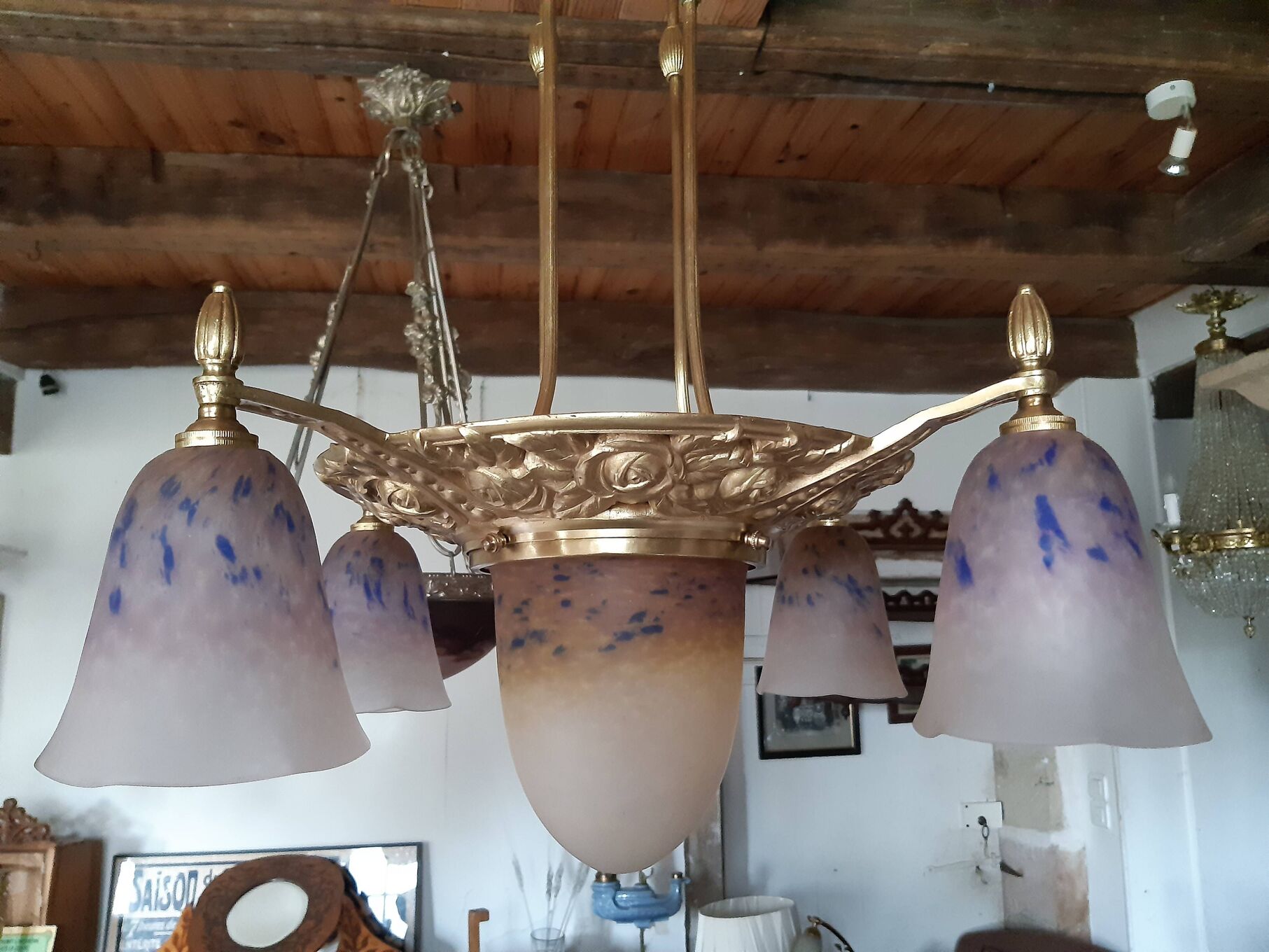
Several reasons! First, it's rare. These pieces weren't mass-produced; they were often individually crafted by skilled artisans. Secondly, the craftsmanship is incredible. Think about the patience it took to pack those molds with glass paste, layer by layer. Thirdly, the colors! Oh, the colors! The Art Deco period was all about vibrant hues and bold contrasts, and pâte de verre allowed artists to achieve effects that were simply impossible with traditional glassblowing.
Also, let's be honest, it looks amazing. Seriously, it’s the kind of piece that makes you feel like you have great taste, even if you bought it at a flea market while being totally overwhelmed. (Like someone I know…)
Notable Makers
If you're planning to hunt for your own piece, keep an eye out for names like:
- Gabriel Argy-Rousseau: Known for his intricate designs and use of multiple colors.
- François-Théodore Legras: While he produced a variety of glass, his pâte de verre pieces are particularly sought after.
- Almeric Walter: Often worked in collaboration with sculptors.
These artists took the technique to new heights, creating pieces that are considered masterpieces today. Their pieces can go for serious money, so maybe start with a smaller, unsigned piece to get your feet wet, alright?
So, there you have it! Art Deco pâte de verre in a nutshell. Now, go forth and hunt for your own piece of glowing, geometric goodness. And if you find one, send me a picture! I'm always looking for new things to obsess over.