Bonjour mes amis! Ever get that feeling? That “aha!” moment when something seemingly complex just… clicks? I hope so, because today we’re tackling a little linguistic adventure. We're going to gently explore how you'd say "to be called" – that is, to state your name - in Spanish, but specifically focusing on the present indicative tense (le présent de l'indicatif). Seems scary? Don't you worry. Grab your café au lait (or maybe a café con leche to keep us on theme!), and let’s dive in.
The Basics: "Llamarse"
First, let’s meet our star: the verb "llamarse." This verb means "to be called" or "to be named." It's a reflexive verb, which means the action reflects back on the subject. What does that even mean? Well, think of it like this: you’re calling yourself something. You’re the one doing the action and the one receiving it. Kind of neat, isn't it?
Reflexive verbs always have a reflexive pronoun attached to them. In the infinitive form (the "to be" form), that pronoun is "-se" at the end. So, "llamarse" literally means "to call oneself." See? Not so intimidating after all!
Why Reflexive Pronouns Matter
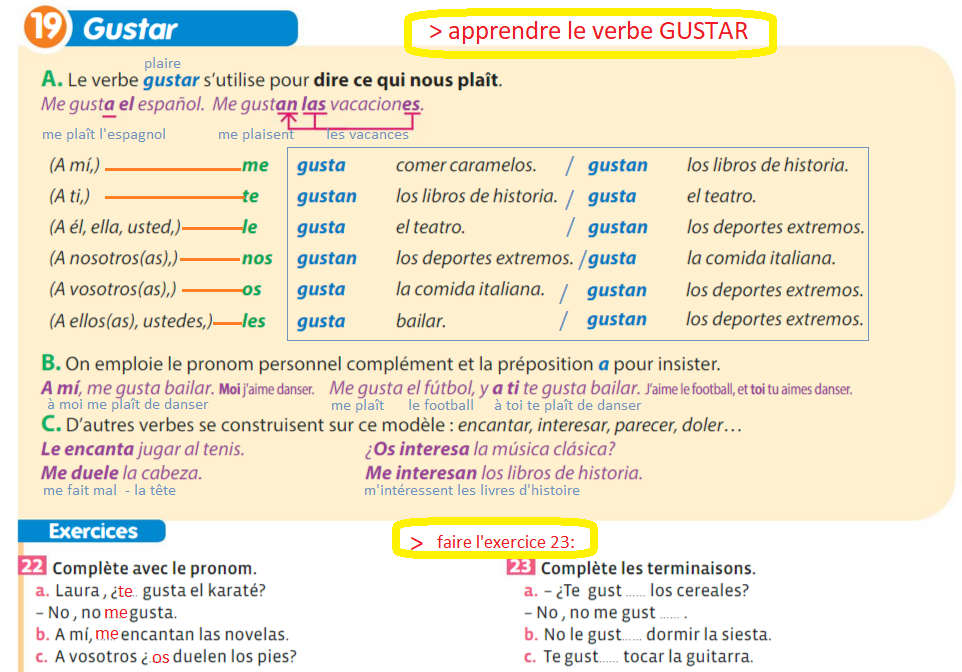
Now, before we conjugate (that's the fancy word for changing the verb to match the subject – I, you, he, etc.), we need to understand those little reflexive pronouns. These are essential for correctly using "llamarse." Here they are:
- Yo: me
- Tú: te
- Él/Ella/Usted: se
- Nosotros/Nosotras: nos
- Vosotros/Vosotras: os
- Ellos/Ellas/Ustedes: se
Think of them as little sidekicks that have to hang around the main verb. They always go either before the conjugated verb (most common) or attached to the infinitive (like we saw with "llamarse"). Got it? Good! Now, the exciting part…
Conjugating "Llamarse" in the Present Indicative
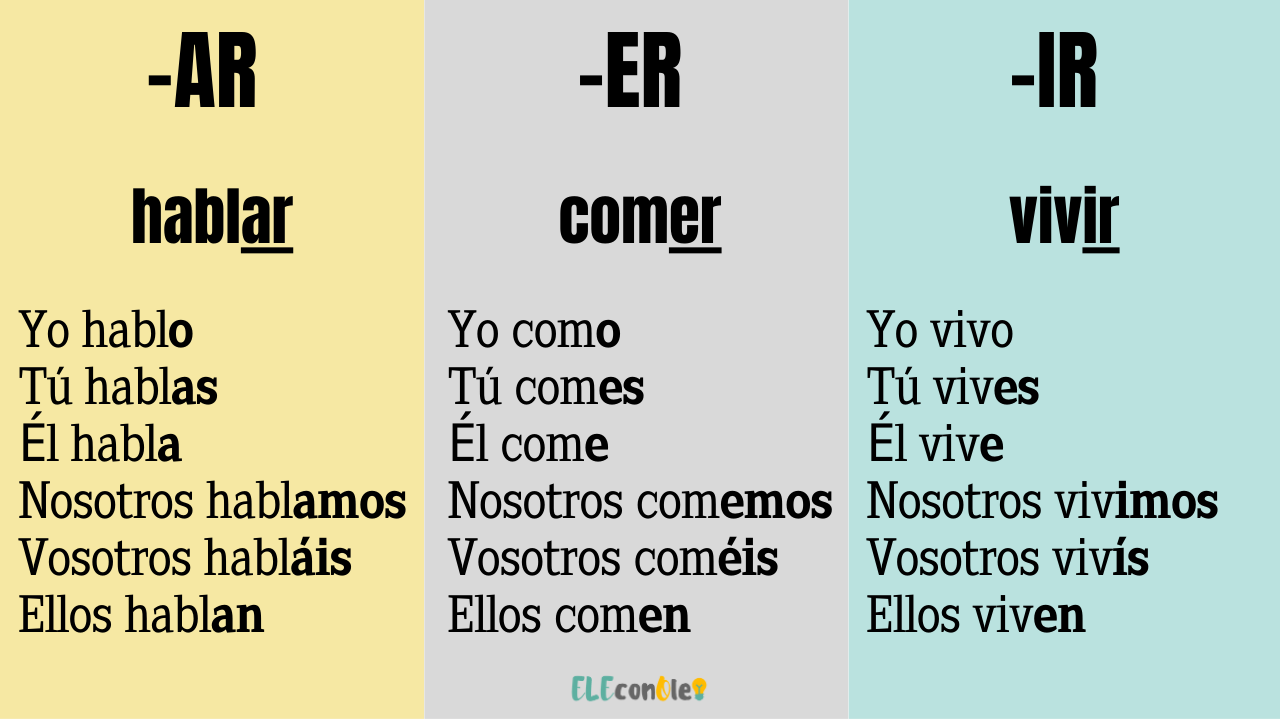
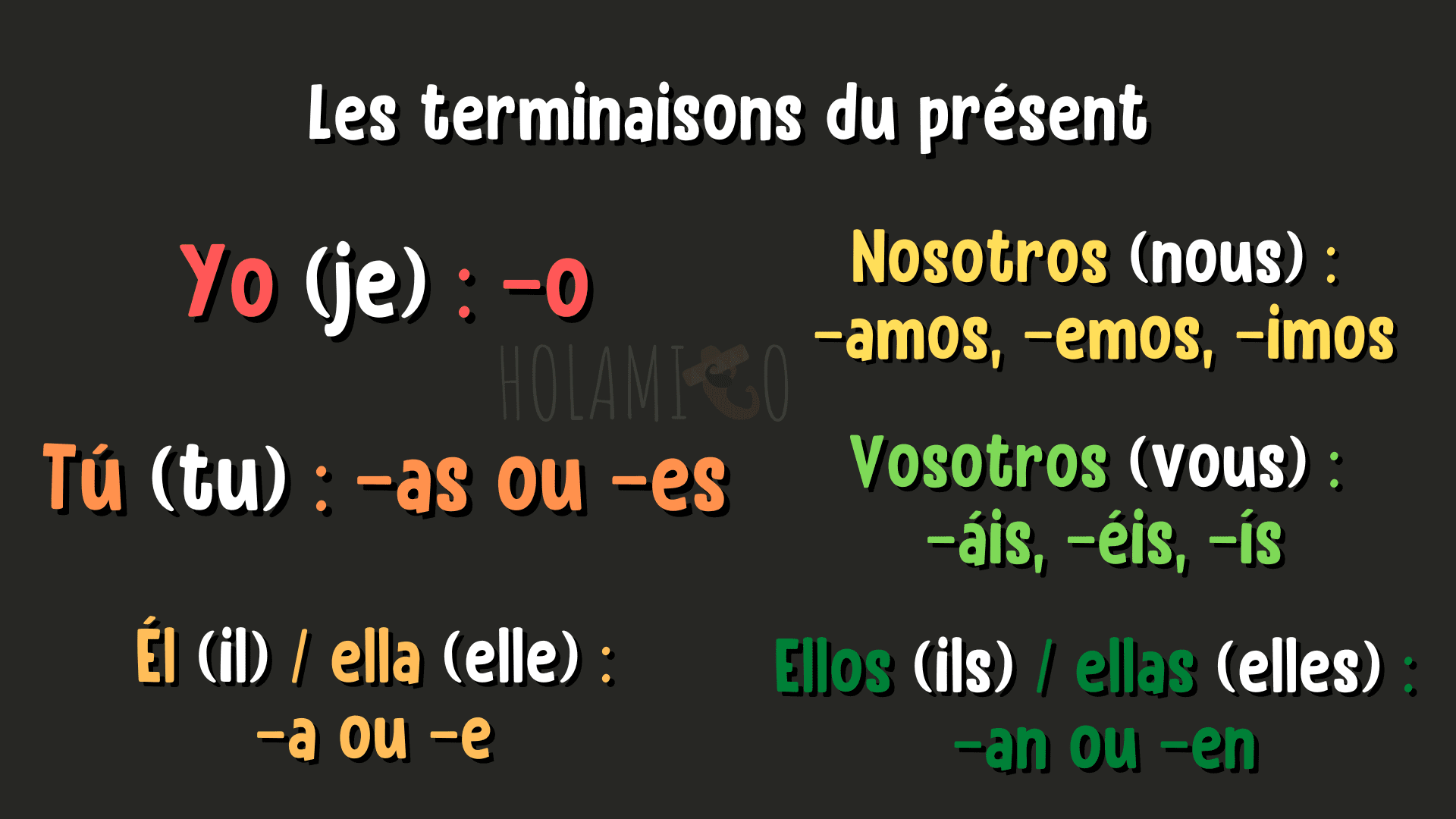
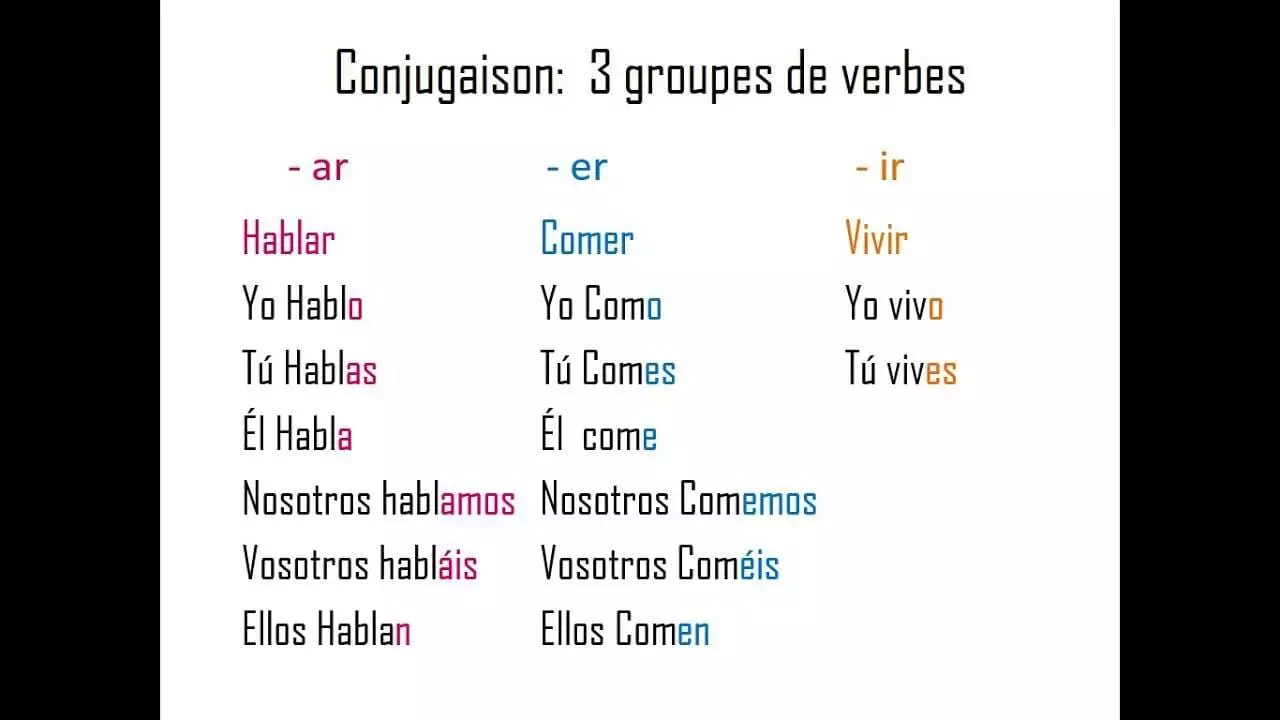
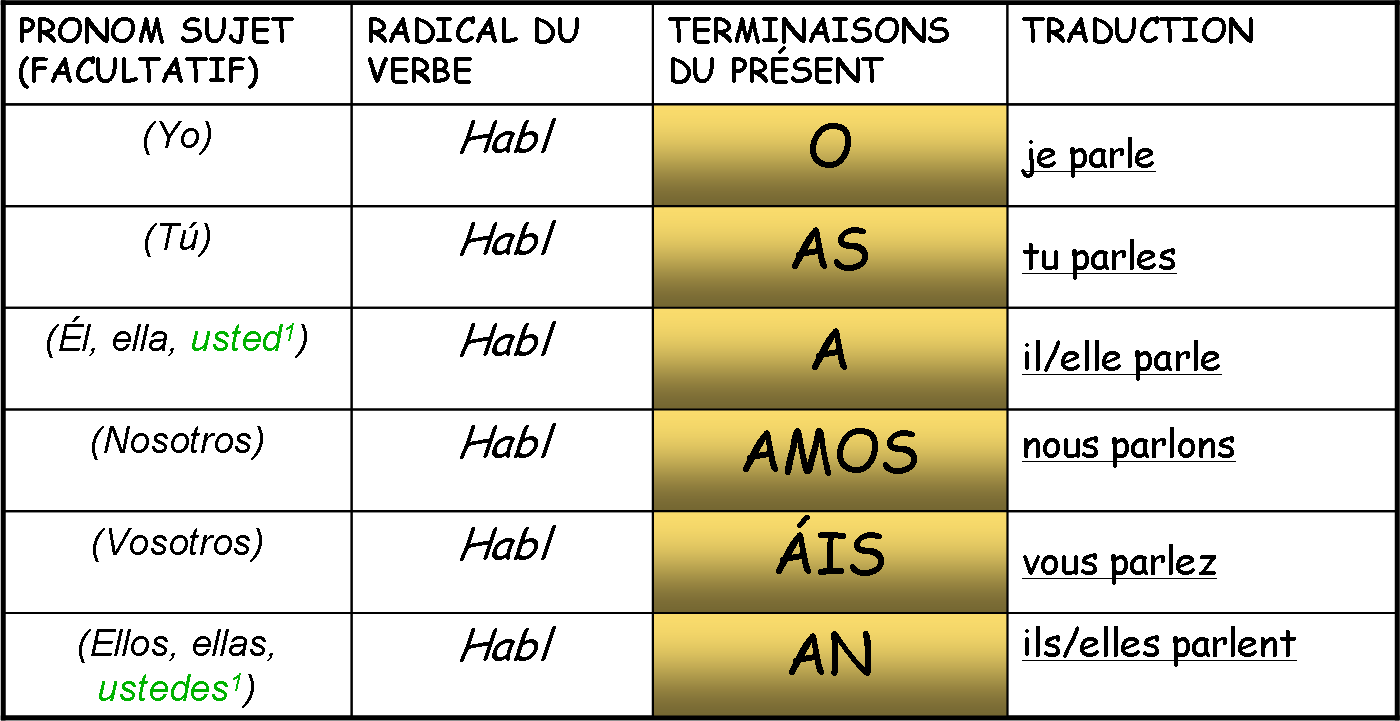
Alright, let's put it all together! Here’s how to conjugate "llamarse" in the present indicative. This is how you’d say "I am called," "You are called," etc., in Spanish. Get ready for your aha! moment:

- Yo me llamo (I am called)
- Tú te llamas (You are called - informal)
- Él/Ella/Usted se llama (He/She is called / You are called - formal)
- Nosotros/Nosotras nos llamamos (We are called)
- Vosotros/Vosotras os llamáis (You all are called - informal, Spain)
- Ellos/Ellas/Ustedes se llaman (They are called / You all are called - formal)
See the pattern? The "llamar" part changes a little depending on who we're talking about, and the reflexive pronoun dances right in front! Isn’t it beautiful?
A Few Examples
Let’s see this in action. Imagine you're meeting someone new:
* "Hola, me llamo Sophie." (Hello, I am called Sophie.) * "¿Cómo te llamas?" (What are you called? - informal) * "Se llama Juan." (He is called Juan.) * "Nosotros nos llamamos Ana y Carlos." (We are called Ana and Carlos.)Notice how the reflexive pronoun always matches the subject? Me for yo, te for tú, and so on. It's like a secret handshake between the subject and the verb!

Common Mistakes (and How to Avoid Them!)
Even though it's not that complicated, there are a few common slip-ups. Don't worry, we can easily avoid them.
- Forgetting the Reflexive Pronoun: This is the biggest one! Saying "Yo llamo Sophie" is wrong. It translates to "I call Sophie (someone else)," not "I am called Sophie." Remember that little sidekick!
- Using the Wrong Pronoun: Make sure the reflexive pronoun matches the subject. Don't say "Yo te llamo." That means "I call you!" (And probably a phone call is in order.)
- Confusing Formal and Informal "You": Remember "tú" and "usted". "Tú" (te llamas) is informal, for friends and family. "Usted" (se llama) is formal, for people you don't know well or those older than you. Choosing the right one shows respect!
Avoiding these simple mistakes will make you sound like a pro in no time!
Beyond Names: Other Uses of "Llamarse"
While we’ve focused on using "llamarse" to say your name, it can also be used in other contexts, though it’s less common than just directly naming something. For instance, you might use it to ask about the name of a street, but typically you'd use "Cómo se dice...". In general, when you're talking about what something is called in a book or in official context, it works well.
For instance:

But honestly? 95% of the time, you'll be using it to introduce yourself, or asking others their names.
Practice Makes Perfect!
Okay, now it's your turn! Try practicing with different names. Imagine you're meeting various people. How would you introduce yourself? How would you ask their names?
Why not try this? Introduce yourself to your pet! Or a houseplant. They won't judge your pronunciation, I promise!

Think of real people you know. How would you ask them their name if you had never met them before and wanted to be polite? How would you introduce them to your friends? The key is to keep practicing until it becomes second nature.
You could even write a short dialogue between two people meeting for the first time. That's a fun way to solidify your understanding.
A Final Thought
So, there you have it! "Llamarse" in the present indicative. Hopefully, you now feel a little more confident about introducing yourself (and others!) in Spanish. Remember, language learning is a journey, not a race. There will be bumps along the way, but don't be discouraged! Embrace the challenge, celebrate your progress, and most importantly, have fun!
Keep practicing, keep exploring, and keep that curiosity alive. ¡Buena suerte!