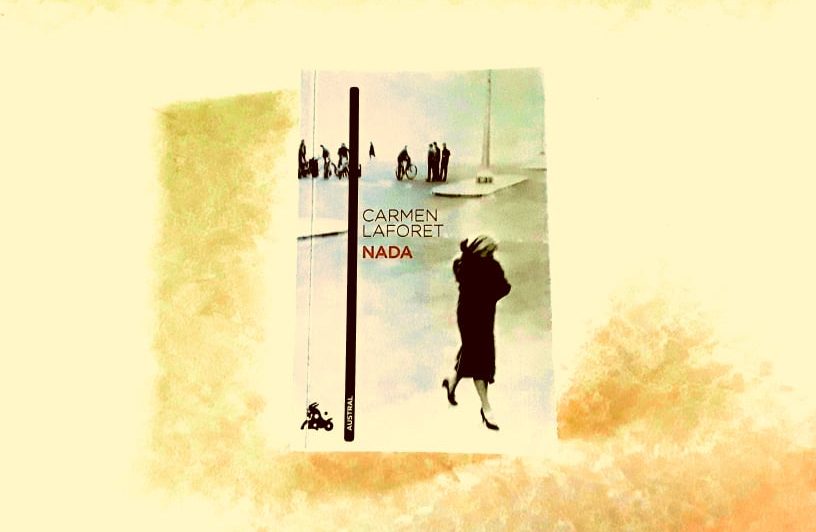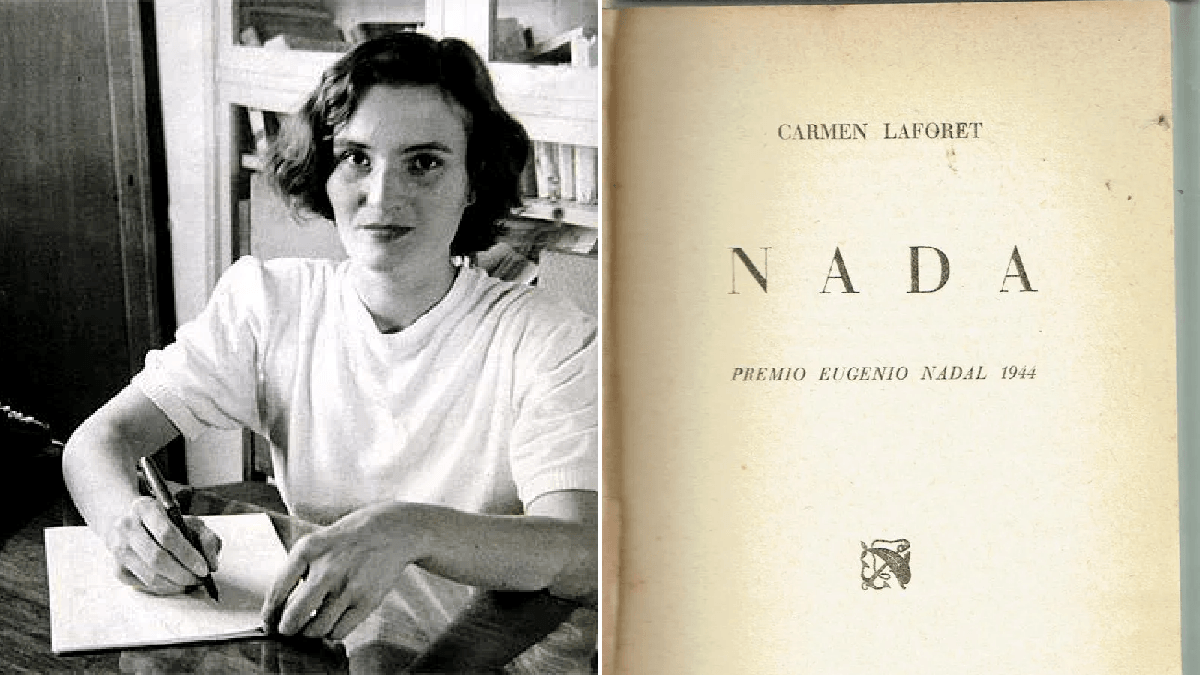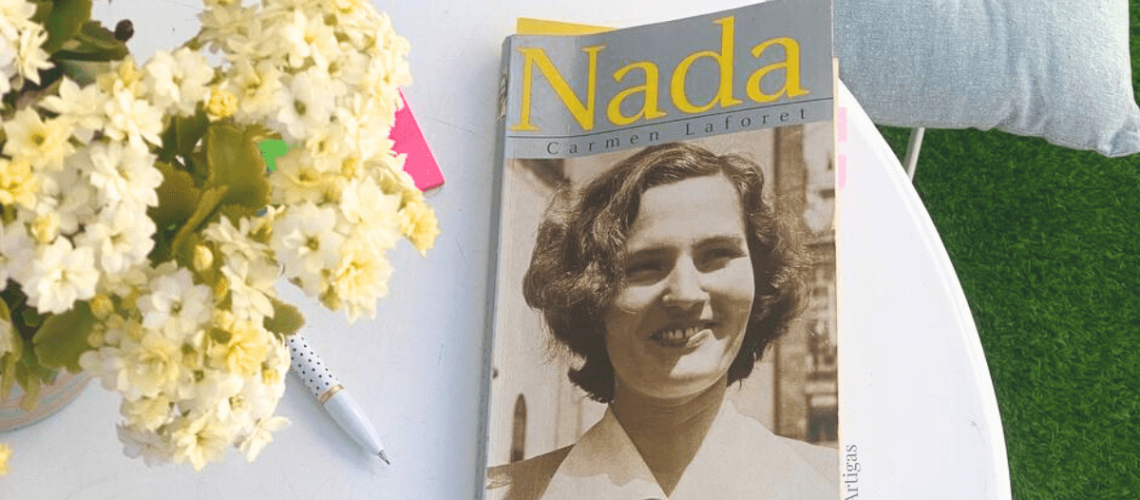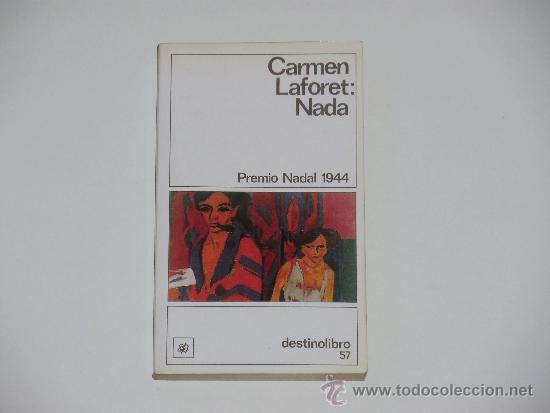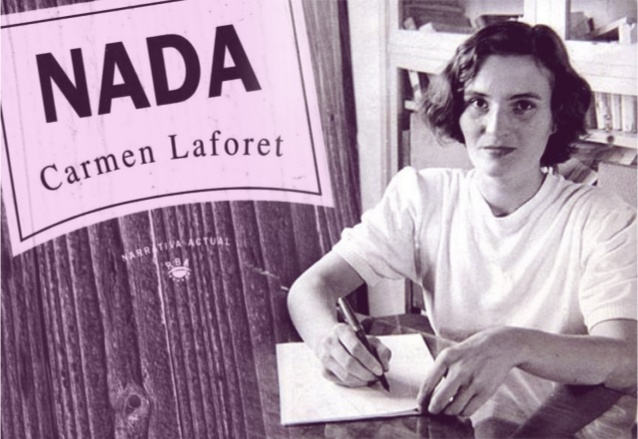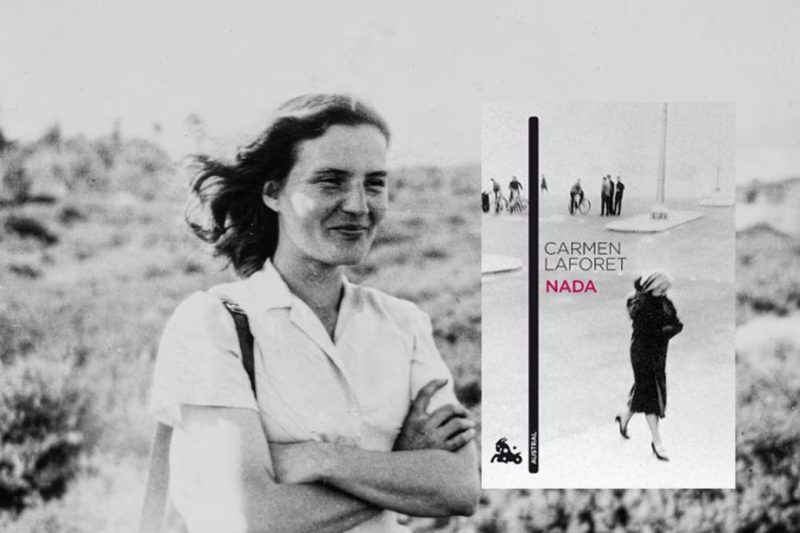
Okay, so imagine this: You're 18, full of angst and artistic aspirations, and you arrive in Barcelona right after the war. Not the Barcelona you see in postcards, but a grey, hungry, and morally ambiguous one. Sounds idyllic? Probably not. That’s kind of the feeling I got when I first picked up Nada by Carmen Laforet. I was expecting some breezy, sun-drenched Spanish novel, and instead, BAM! Emotional brick to the face. But in the best way, of course! (Isn't it always the emotionally devastating books that stick with you?)
The book follows Andrea, a young woman who moves to Barcelona to live with her relatives in a dilapidated apartment on Aribau Street. What she finds is… well, let’s just say it's not Eat, Pray, Love. Instead of enlightenment, she encounters a family simmering with resentment, madness, and secrets. Think Spanish Gothic meets kitchen sink drama. Trust me, you won't be disappointed. Especially if you're into dysfunctional family dynamics. Which, let’s be honest, who isn't a little bit?
Nada: Beyond the Surface
So, what makes Nada more than just a depressing family saga? Well, for starters, Laforet's writing is just stunning. It's raw, visceral, and captures the atmosphere of post-war Spain perfectly. You can practically taste the dust and feel the dampness clinging to the walls of Andrea’s new home. It’s atmospheric writing at its finest. (Seriously, I could write a whole article just on the sensory details!) But beyond the atmosphere, there’s a profound exploration of identity, disillusionment, and the search for meaning in a world that seems determined to crush your spirit.
Think of it as a coming-of-age story, but with a hefty dose of existential dread. Andrea is trying to figure out who she is, what she wants, and how to navigate a world that feels utterly alienating. Sound familiar? (Yeah, me too. Adulthood is hard, folks.)
Key Themes Explored:
- Disillusionment: Andrea arrives in Barcelona with romanticized notions of what her life will be like. Those expectations are quickly shattered. Ouch.
- The Search for Identity: She grapples with questions of who she is and what she wants in a world that offers very few options. It's the classic coming-of-age struggle, amplified by the oppressive atmosphere of post-war Spain.
- The Impact of the Past: The shadow of the Spanish Civil War hangs heavy over everything, influencing the characters' behaviors and relationships. It's like a constant, unspoken tension in the air.
- The Power of Female Resilience: Despite the bleak circumstances, Andrea displays remarkable resilience and a quiet determination to forge her own path. This is what really makes the book shine. It is not just about the bleakness, but about how one can find strength within it.
- Freedom: The yearning for personal freedom in the rigid atmosphere of post-war Spain is a recurring theme.
The Characters: A Gallery of Eccentrics (and Maybe Sociopaths?)
Let’s talk about the family. Oh, the family. They are a collection of absolutely unforgettable characters, each more damaged and eccentric than the last. Think of it as a real-life Addams Family…but without the humor (okay, maybe with a tiny bit of dark humor). Here are some of the stars:
- Román: Andrea’s uncle. He's a volatile and unpredictable artist, haunted by his past. Let’s just say he’s…complicated. And by "complicated," I mean "potentially insane."
- Angustias: Andrea's aunt. A deeply religious and repressed woman who tries to control everyone around her. She represents the suffocating conservatism of the era.
- Gloria: Another aunt, married to Juan. She is trapped in an abusive relationship and struggles to find happiness. Her plight sheds light on the limited options available to women at the time.
- Juan: Gloria's husband. A cruel and violent man who embodies the toxic masculinity prevalent in post-war Spain. You will hate him. (And you’re supposed to!)
These characters, while often reprehensible, are incredibly compelling. Laforet doesn’t shy away from showing their flaws and contradictions. You might despise them, but you'll also find yourself feeling a strange sort of empathy for their struggles. (It's called being a complex human being, people!). I find myself particularly drawn to Gloria because she embodies the struggle to find freedom and happiness in a world where options for women were severely limited.
Why Nada Still Matters Today
Okay, so it's a dark and somewhat depressing book about post-war Spain. Why should you care about it in the 21st century? Well, several reasons:

- It's a powerful depiction of female experience: Andrea's struggles with identity, independence, and societal expectations still resonate with women today.
- It explores universal themes of alienation and disillusionment: Even if you've never lived through a war, you can probably relate to feeling lost and adrift in the world.
- It offers a glimpse into a fascinating period of history: Post-war Spain was a time of great hardship and social upheaval, and Nada provides a valuable window into that era. It's also important to understand that history impacts modern views of culture, politics, and society.
- It's beautifully written: Seriously, Laforet's prose is just gorgeous. Even if you don't care about the themes or the historical context, you can still appreciate the sheer beauty of the language.
But perhaps most importantly, Nada is a reminder that even in the darkest of times, there is always hope for resilience and self-discovery. Andrea may be surrounded by dysfunction and despair, but she never gives up on her search for meaning and purpose. And that, my friends, is a message that's always relevant.
Read it in French!
If you are aiming to read it in French, you're in luck. The book has been translated into French under the title Rien. Finding a copy should be relatively easy in most French bookstores or online retailers. Reading it in French adds a different layer to your appreciation, especially if you are learning the language. It can give you more insight into the emotional and cultural nuances of the story. Moreover, experiencing a Spanish story through a French lens is a fascinating experience in itself!
One last thought: I think that Nada is not just a book, but an experience. It's a challenging, rewarding, and ultimately unforgettable read. So, if you're looking for a book that will stay with you long after you've finished reading it, I highly recommend giving Nada a try. Just be prepared for some emotional turbulence!