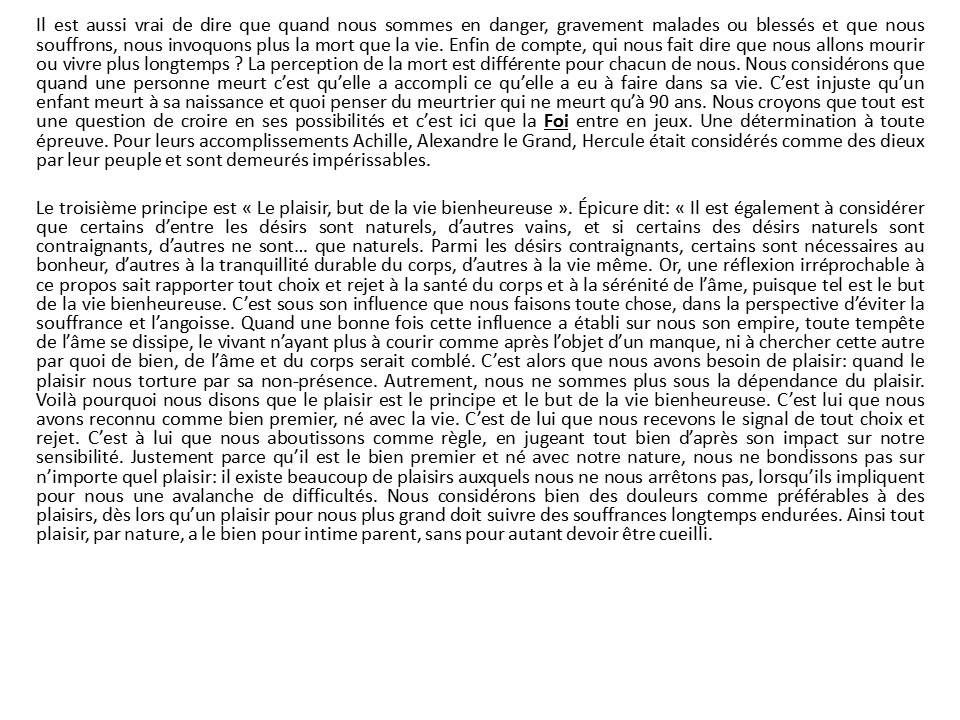
Okay, picture this: Me, age 17, huddled in the school library, surrounded by dust and the faint scent of despair that always seemed to linger near the philosophy section. I was supposed to be studying for a history test, but instead, I was wrestling with a photocopied page that seemed to be written in ancient Greek (spoiler alert: it basically was!). It was a passage from Epicurus, talking about pleasure. And all I could think was: pleasure? Seriously? Dude, I’m stressing about Pythagoras and the Peloponnesian War!
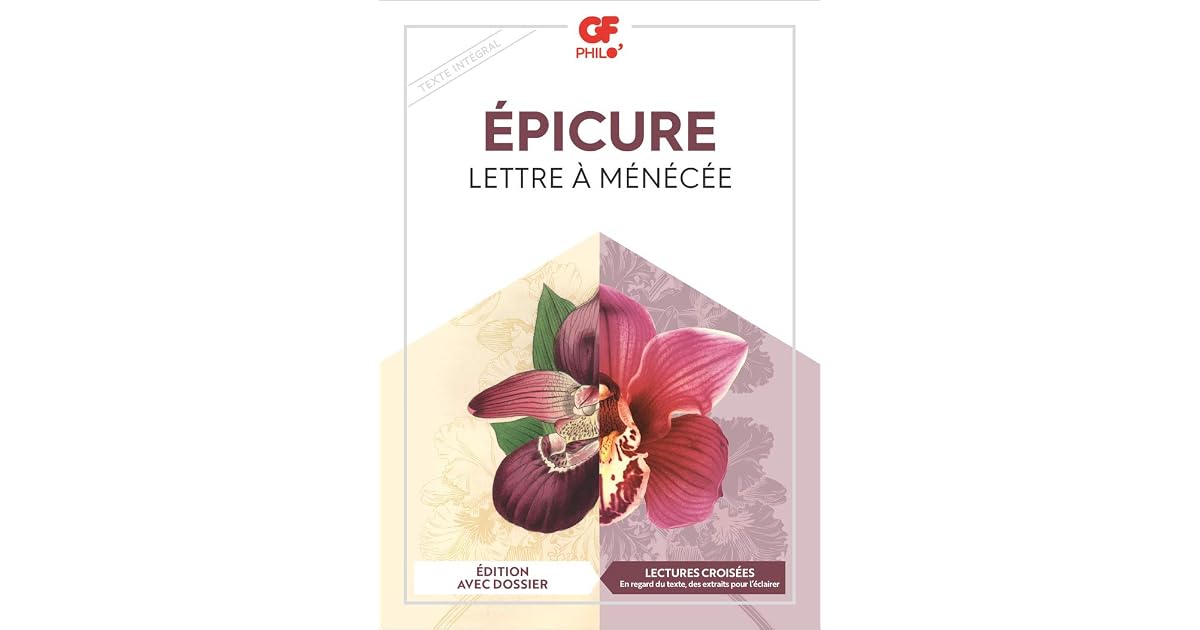
Turns out, though, that Epicurus wasn’t just about lounging around eating grapes and having foot massages (though, let’s be honest, that does sound pretty appealing). He was on to something much deeper, something that actually resonated with my teenage angst, even if I didn’t fully grasp it then. Fast forward a few years (okay, maybe more than a few), and I’m still thinking about that crumpled photocopy. Specifically, I’m thinking about his letter to Menoeceus, which is, in a nutshell, the user’s manual to Epicurean happiness. And that's what we're going to unpack today.
What’s the Big Deal with Epicurus, Anyway?
So, who was this guy? Epicurus was a Greek philosopher who lived around the 3rd century BCE. He founded a school called "The Garden" – how cool is that name? – where he and his followers dedicated themselves to pursuing a life of pleasure. Now, before you start picturing a bunch of toga-clad hedonists engaging in orgies (thanks, Hollywood!), it's important to understand what Epicurus actually meant by "pleasure."
It wasn’t about wild parties and overindulgence. In fact, Epicurus was all about moderation. He argued that the greatest pleasure came from ataraxia (freedom from disturbance) and aponia (freedom from pain). Basically, inner peace and a healthy body. Think calm evenings, good friends, and avoiding things that cause you stress. (Sounds pretty good, right?)
The Letter to Menoeceus: A Happiness Handbook
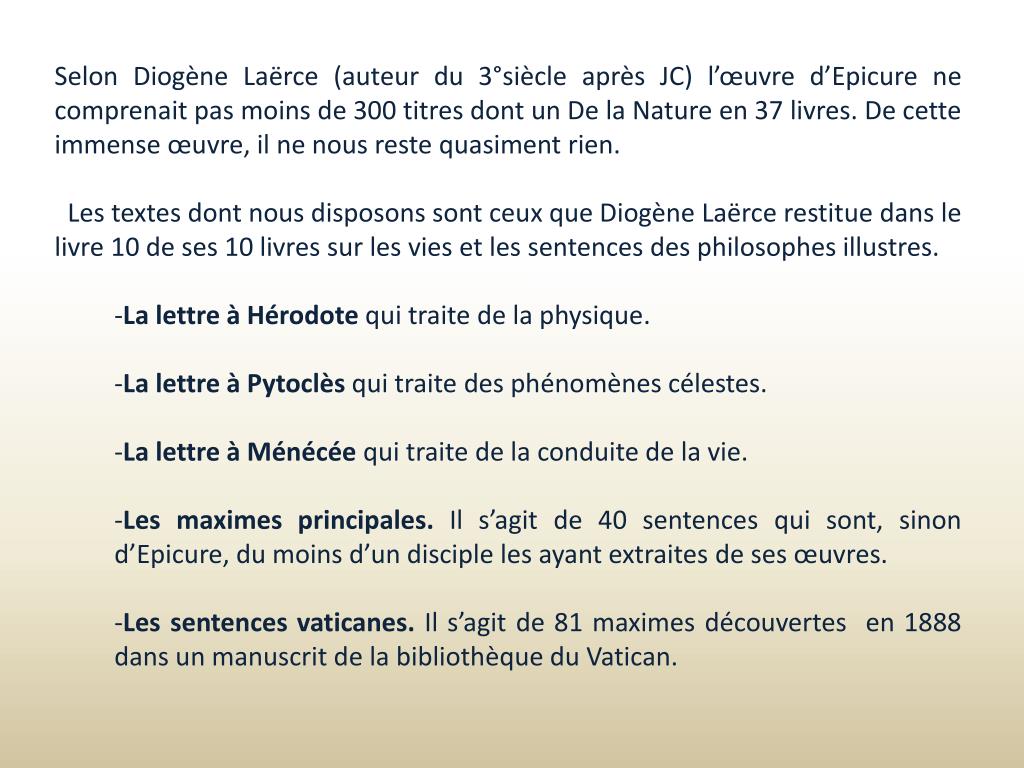
The Lettre à Ménécée (Letter to Menoeceus) is a concise summary of Epicurus's ethical philosophy. He's writing to a young friend, Menoeceus, and giving him the lowdown on how to live a happy and fulfilling life. It’s like a pep talk, a philosophical toolkit, and a gentle nudge all rolled into one.
Here's a breakdown of some key points from the letter:

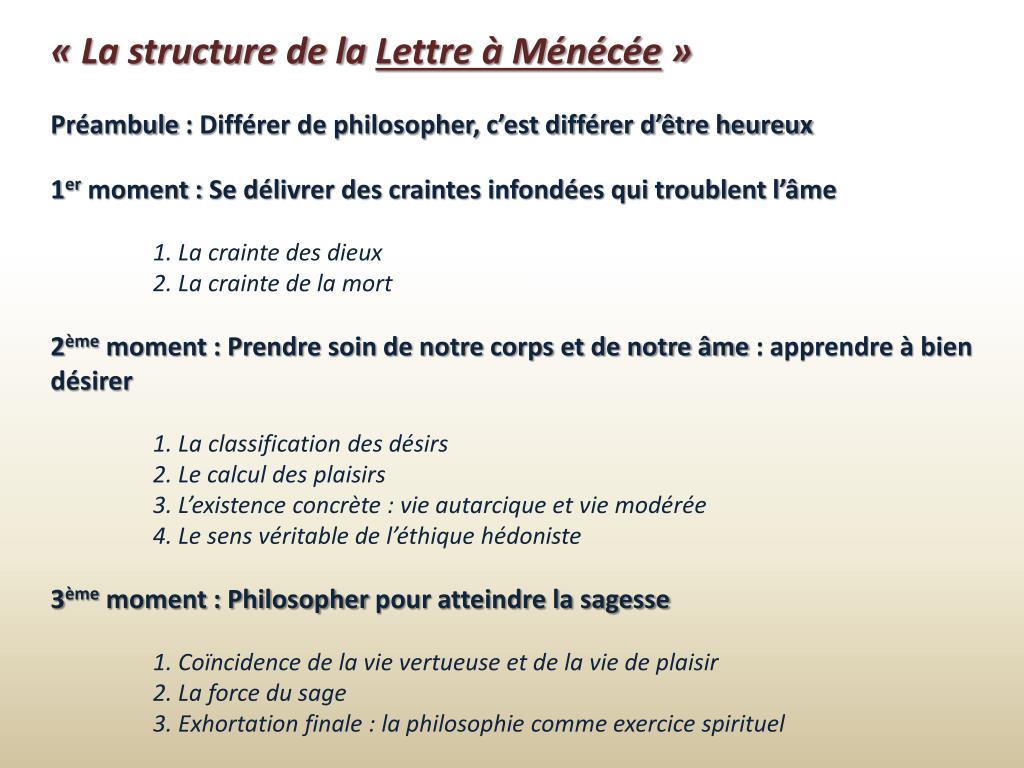
1. Don’t Fear the Gods (or Death!)
Epicurus argues that worrying about the gods is pointless. Why? Because if they're perfect and blissful, they wouldn't be bothered with human affairs. (I mean, you wouldn't stress about ants, would you?) And death? He says it's just the absence of sensation. When you’re dead, you don’t feel anything, so there's nothing to fear.
Side note: This was pretty radical stuff back then! It challenged the prevailing religious beliefs and offered a different perspective on mortality.
2. Embrace Pleasure (But Be Smart About It!)
As we've already discussed, Epicurus wasn't advocating for reckless abandon. He distinguished between different types of pleasures:
- Natural and Necessary: These are things like food, water, and shelter. You need them to survive and thrive.
- Natural but Unnecessary: These are things like fancy food, luxurious clothes, and extravagant homes. They can add to your enjoyment, but you don't need them.
- Unnatural and Unnecessary: These are things like fame, power, and wealth. They're ultimately unsatisfying and can lead to more pain than pleasure.
Epicurus believed that the key to happiness was to focus on satisfying the natural and necessary desires and to avoid the unnatural and unnecessary ones. In other words, simplicity is key.

He famously said, "It is impossible to live pleasantly without living prudently, honorably, and justly." Meaning, true pleasure comes from living a virtuous life. You can't just chase fleeting pleasures; you need to cultivate inner contentment.
3. Prudence is the Greatest Virtue
Epicurus considered prudence (phronesis) to be the most important virtue. Prudence is the ability to make wise decisions, to choose the right course of action, and to avoid things that will cause you pain in the long run. It's about having foresight and understanding the consequences of your actions.
Think of it this way: You could eat that whole cake right now and experience a moment of pure bliss. But later, you'll probably feel sick and regret it. Prudence tells you to eat a reasonable slice and savor it, rather than indulging in excess.

4. The Importance of Friendship
Epicurus believed that friendship was essential for happiness. He argued that having close friends provides security, support, and companionship. It’s about sharing your life with others, knowing that you have people who care about you and who will be there for you in times of need.
True story: Epicurus and his followers lived together in The Garden, sharing meals and engaging in philosophical discussions. They formed a tight-knit community based on mutual respect and affection.
5. Live in the Present
Epicurus emphasized the importance of focusing on the present moment. He believed that worrying about the past or fearing the future could rob you of your happiness. Instead, he encouraged people to appreciate the simple pleasures of life, to savor the good times, and to find joy in the everyday.
Easier said than done, I know. But the idea is to practice mindfulness, to be present in your own life, and to avoid getting caught up in anxieties about things you can't control.

Why This Still Matters Today
Okay, so that's the Lettre à Ménécée in a nutshell. But why should we care about a letter written over 2,000 years ago? Because the principles it outlines are still incredibly relevant today. In a world obsessed with material possessions, social media validation, and the constant pursuit of "more," Epicurus's message of simplicity, moderation, and inner peace is more important than ever.
Think about it. How much time do we spend chasing things that ultimately don't make us happy? How often do we sacrifice our well-being for the sake of career advancement or social status? Epicurus reminds us that true happiness comes from within, from cultivating a peaceful mind and a healthy body, and from surrounding ourselves with good friends.
By focusing on the things that truly matter – like relationships, meaningful experiences, and personal growth – we can create a life that is both fulfilling and sustainable. So, maybe it's time to ditch the FOMO, log off social media, and take a page out of Epicurus's book. After all, who wouldn’t want a little more ataraxia and aponia in their life?
So, the next time you're feeling overwhelmed or stressed out, remember Epicurus and his letter to Menoeceus. Maybe, just maybe, you'll find a little bit of wisdom in that ancient scroll – just like I did, huddled in that dusty library all those years ago.