Salut tout le monde ! Ever feel like life needs a little oomph, a little sparkle? Well, buckle up, because we're about to dive headfirst into the world of Les Poètes de la Pléiade. Trust me, this isn't your stuffy high school French lesson. This is about fun, inspiration, and maybe even rediscovering your love for language. Ready? Allons-y!
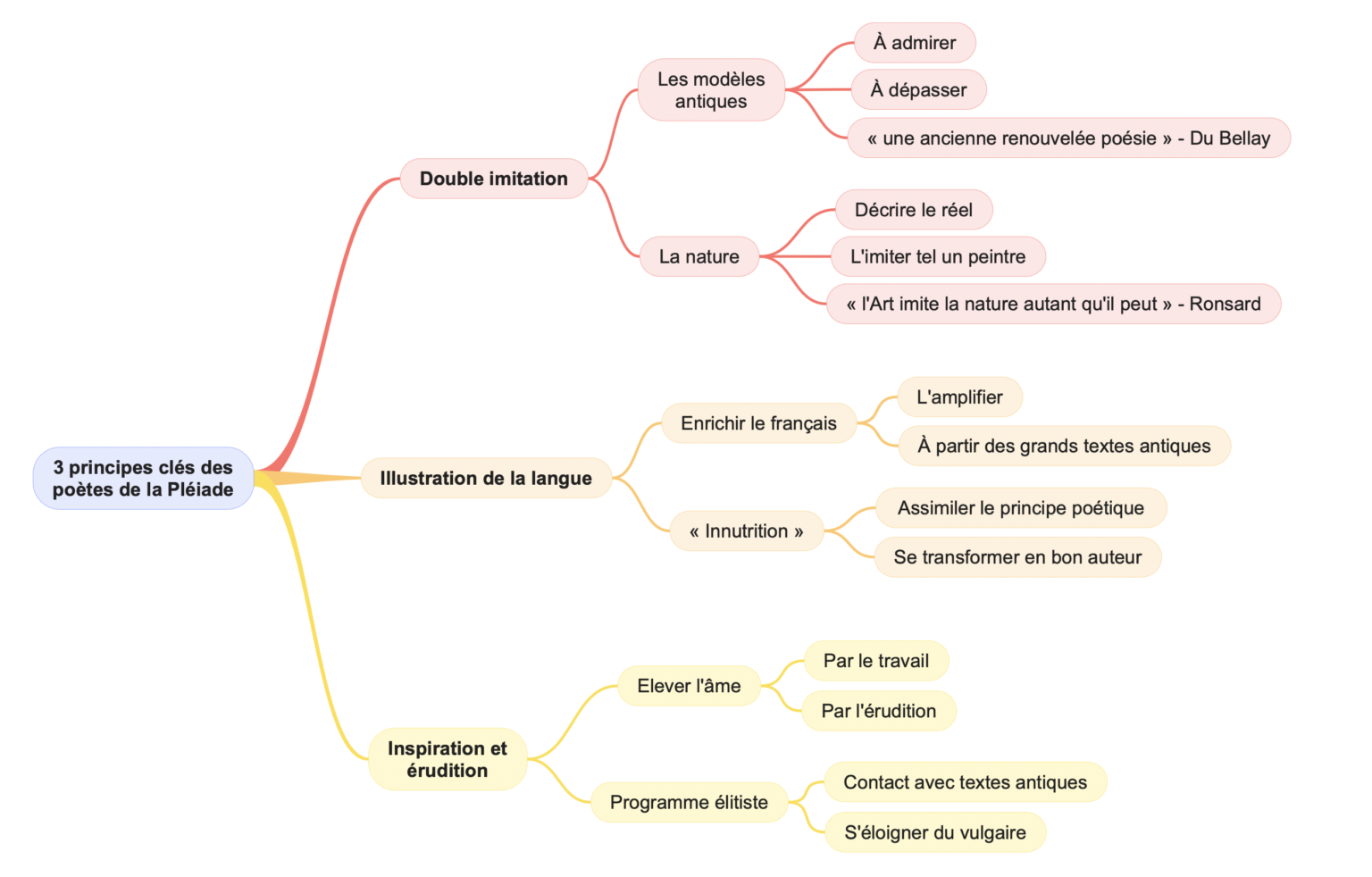
So, who were these Pléiade peeps, anyway? Imagine a group of friends, brilliant minds, all passionate about literature, who decided to shake things up in 16th-century France. That’s essentially the Pléiade. They were a literary movement, a band of poets determined to elevate the French language to the level of classical Greek and Roman literature. Think of them as the Renaissance rockstars of poetry – minus the guitars and questionable fashion choices… well, maybe.
Why Should You Care?
Okay, okay, I hear you: "Ancient poetry? Sounds boring!" But hold on! Before you click away, let me tell you why you should care. The Pléiade's ideas are still relevant today. They believed in:
- Beauty in the Everyday: They found inspiration in nature, love, even the simple joys of life. Isn't that something we all need a little more of?
- Expressing Yourself Authentically: They encouraged using language in new and creative ways. They wanted to feel the language, not just regurgitate it.
- Elevating Your Mind: They believed that art and literature could make you a better person. Think of it as a mental upgrade!
See? Not so stuffy after all! Their poems were about passion, beauty, and living life to the fullest. Who wouldn't want a bit of that?
Meet the Crew: The Magnificent Seven (Plus One!)
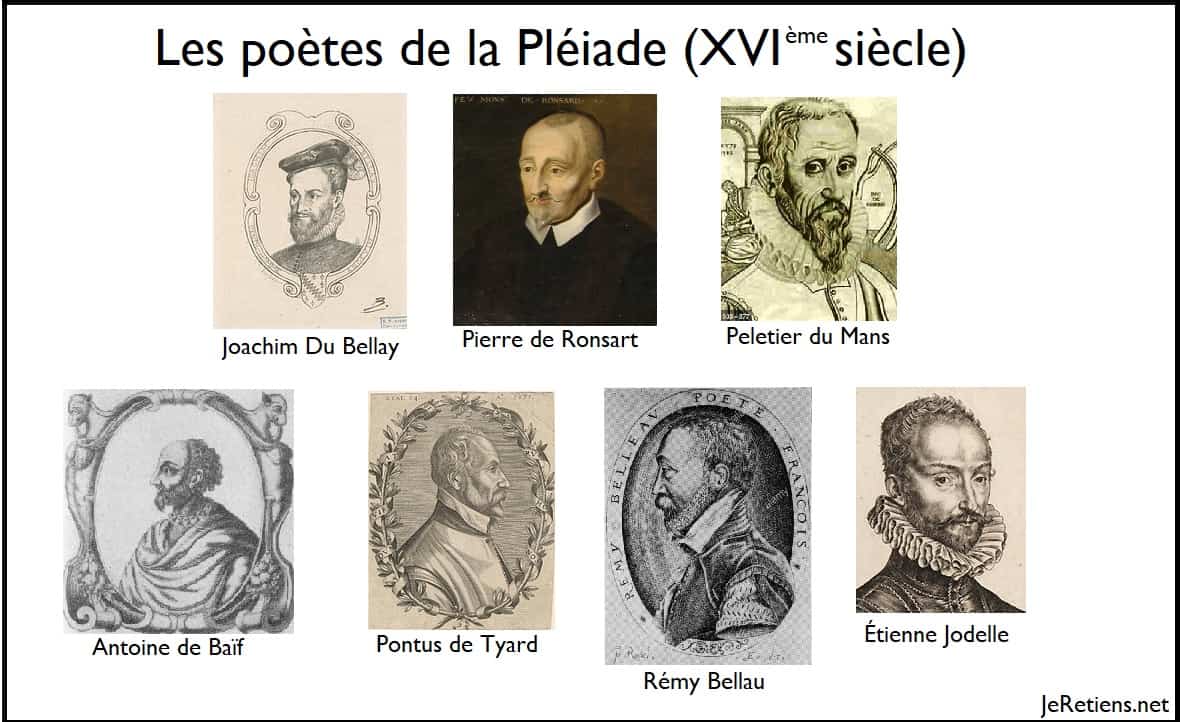
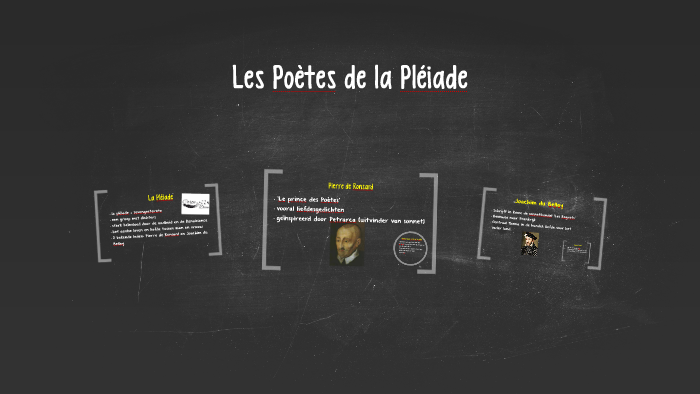
Officially, there were seven main members of the Pléiade, but often Jean Dorat (their mentor) is mentioned as important influence too! Let's meet a few of the key players:
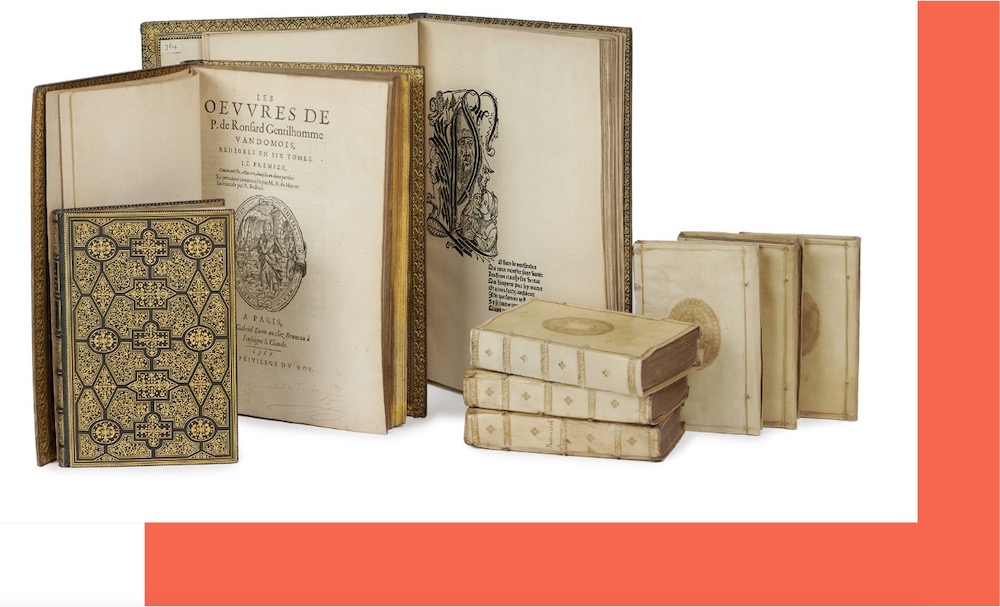
Pierre de Ronsard: The leader of the pack, Ronsard was like the Mick Jagger of the Pléiade. He was charismatic, prolific, and totally obsessed with beauty. He wanted to write poems that would last forever. (Spoiler alert: he succeeded!) He is perhaps the most well-known of the group.
Joachim du Bellay: Du Bellay wrote Défense et illustration de la langue française, which was basically the Pléiade's manifesto. He argued that French could be just as good, if not better, than Latin or Greek. He was a passionate advocate for his native tongue. A real word nerd in the best possible way.
Jean Dorat: This guy was their mentor, their literary guru. A walking encyclopedia of classical knowledge, he guided the Pléiade and encouraged their artistic experimentation. Without him, the Pléiade might never have gotten off the ground! Think of him as Yoda, but with a quill pen.

Pontus de Tyard, Rémy Belleau, Étienne Jodelle, and Jean Antoine de Baïf: The other members of the group also made valuable contributions. Each had his own unique style and voice. They worked together, challenged each other, and helped to shape the future of French poetry.
Why Should I Bother Reading Poetry?
Excellent question! In our busy, fast-paced world, it's easy to dismiss poetry as something old-fashioned or irrelevant. But I'm here to tell you that poetry can be a lifeline, a source of comfort, inspiration, and joy.
Poetry helps you slow down: It forces you to pay attention to the words, to the rhythm, to the imagery. In a world of endless distractions, poetry is like a mini-vacation for your mind.
Poetry expands your vocabulary: The Pléiade were masters of language. Reading their work will expose you to new words and phrases, making you a more eloquent and expressive communicator.
Poetry connects you to your emotions: The best poems are those that resonate with your own experiences and feelings. Poetry can help you to understand yourself better and to connect with others on a deeper level. Ronsard especially wrote poems that make you feel things.
Poetry is just plain fun! Seriously! Once you get past the initial intimidation factor, you'll discover a whole new world of beauty, creativity, and wit. The Pléiade's poems are full of passion, humor, and surprising insights.
How to Get Started: Plunging into the Pléiade Pool (It's Not That Scary!)
Okay, you're intrigued. Now what? Don't worry, you don't need a PhD in French literature to appreciate the Pléiade. Here are a few tips for getting started:
Start small: Don't try to read everything at once. Pick a few poems that sound interesting and take your time with them. Look for translations (in English for example) or commentaries to help you understand the context and meaning. It's okay to start with translations! The important thing is to get familiar with their style and themes.
Read aloud: Poetry is meant to be heard. Reading aloud will help you to appreciate the rhythm and sound of the language. This is especially true of Ronsard, whose poems are incredibly musical. Even if you don't speak French fluently, try to pronounce the words as best you can. You might be surprised at how much you pick up!
Don't be afraid to ask for help: If you're struggling to understand a poem, reach out to a friend, a teacher, or a librarian. There are tons of resources available online and in libraries. And remember, there's no shame in admitting that you don't understand something. Learning is a journey, not a destination.

Find a good translation: A good translation can make all the difference. Look for translations that are both accurate and poetic. A good translator will capture the spirit of the original poem while making it accessible to a modern audience.
Don't be afraid to interpret: Poetry is not about finding the "right" answer. It's about engaging with the text and forming your own interpretations. What does the poem mean to you? How does it make you feel?
The Legacy: Pléiade Power in the Modern World
So, the Pléiade are dead, but their ideas didn't die. Far from it. They had a huge impact on French literature and on the way we think about language and art today. They helped to create a national literary tradition, and they paved the way for future generations of poets and writers. They basically invented cool French style, non?
Their influence can be seen in the works of later poets such as Baudelaire, Verlaine, and Rimbaud. These poets, like the Pléiade, believed in the power of language to express the full range of human experience. They, too, were committed to pushing the boundaries of poetic form and content.
But the Pléiade's influence goes beyond the realm of literature. Their ideas have also had an impact on art, music, and philosophy. They helped to create a climate of intellectual and artistic ferment that continues to shape our world today. Think about how important France is for art, music and fashion. It started back then with the Renaissance's ideas.

They prove that art can change the world: By believing in the power of language, art, and beauty, you can make a difference in the world. You can inspire others, challenge the status quo, and create a more beautiful and meaningful world for all.
Your Turn: Embrace Your Inner Poet (Or at Least Your Inner Lover of Poetry!)
So, there you have it! A whirlwind tour of the Pléiade. Hopefully, you've discovered that these aren't just dusty old poets from the past. They're vibrant, passionate voices that can still speak to us today.
My challenge to you is this: go out and explore the world of poetry. Read a poem a day. Write your own poems. Share your love of poetry with others. You might be surprised at what you discover.
The Pléiade were all about passion, beauty, and living life to the fullest. So, go ahead, embrace your inner poet (or at least your inner lover of poetry!) and start living a more creative, meaningful life. À bientôt!
Who knows, you might just find that poetry makes life a whole lot more fun! And who doesn't want more fun in their life?
/cloudfront-eu-central-1.images.arcpublishing.com/lexpress/P5AKUEQJJNFNNE2IMGZFNHOUH4.jpg)
![[LA PLEIADE] - Ensemble de 2 volumes In-12° : MONTAIGNE - Œuvres](http://www.encheres-nantes-labaule.com/uploads/catalogue/affectation/images/A5821-292_1.jpg)


![[LA PLÉIADE] - [Ensemble de 5 volumes In-12° :] [COLLECTIF] - Poètes du](http://www.encheres-nantes-labaule.com/uploads/catalogue/affectation/images/A3671-461_1.jpg)

![[LA PLÉIADE] - ZOLA (Émile) - Les Rougon-Macquart (tomes I à V) - Paris](https://www.svvruellan.com/wp-content/uploads/sales_xml/779/-1455109284.jpg)
![[LA PLÉIADE] - Ensemble de 11 volumes In-12° : MOLIÈRE - OEuvres](https://www.svvruellan.com/wp-content/uploads/sales_xml/789/-1109216329.jpg)