Ah, Les Liaisons Dangereuses. Just the name conjures up images of powdered wigs, sly glances over fans, and enough scheming to make Machiavelli blush. But fear not, dear reader! We're not diving into a dusty academic tome. We're going to dissect this scandalous 18th-century novel with a twinkle in our eye and a glass of something bubbly in hand. Think of it as literary gossip – juicy, insightful, and infinitely more fun than your average history lesson.
So, buckle up, because we're about to enter a world of aristocratic intrigue, where virtue is a plaything and seduction is a competitive sport. And remember, what happens in the drawing-room stays in the drawing-room… unless it ends up in a bestselling novel, of course!
The Players: A Rogues' Gallery of Refinement
Let's meet the main contenders in this game of love and lies. They're all wealthy, bored, and have far too much time on their hands. A recipe for disaster, wouldn't you agree?
The Vicomte de Valmont: The Master Manipulator
Valmont, oh Valmont! He's the ultimate bad boy. Think of him as the James Bond of the 18th century, but instead of saving the world, he's conquering hearts and ruining reputations. He's charming, witty, and utterly ruthless. He sees seduction as an art form, a challenge to be mastered. His amour propre is only surpassed by his ego. The man is a walking, talking, seduction machine, and he knows it. You could say he enjoys playing puppet master with the lives and affections of others. He likes to boast about the number of conquests he has achieved, and how cold and calculated he has been about achieving them.
Why is he so compelling? Well, there's a certain allure to a man who breaks all the rules. Plus, he's incredibly intelligent and perceptive, which makes his manipulations all the more effective. But don't be fooled by his charm – beneath the surface lies a cold and calculating heart. He's the kind of guy who would steal your grandmother's dentures just to prove he could.
The Marquise de Merteuil: The Scheming Socialite
If Valmont is the brains of the operation, Merteuil is the deus ex machina – the puppet master behind the puppet master. She's just as intelligent and manipulative as Valmont, but even more dangerous because she hides her true nature behind a mask of social propriety. She's the original "femme fatale," a woman who uses her wit and charm to control the men around her.
Merteuil is a fascinating character because she's a woman trying to navigate a society that gives her very little power. She realizes that her only way to exert control is through manipulation and deception. She's a survivor, but at a terrible cost. And let's be honest, she has some truly spectacular outfits; only a woman with some serious power can pull off those kinds of looks. She's not about to let anyone else control her destiny; she is determined to carve out her own place in the world by taking charge and playing her own game.
Madame de Tourvel: The Paragon of Virtue
Ah, Madame de Tourvel, the virtuous and devout wife of a magistrate. She's the antithesis of Valmont and Merteuil. She represents everything they despise: innocence, sincerity, and genuine goodness. Naturally, Valmont sets his sights on her as the ultimate prize. Seducing her would be the ultimate conquest, a testament to his power and skill. She is known for her deep piety, moral rectitude, and commitment to her marriage vows.
Tourvel is, in many ways, the tragic figure of the novel. She's a good woman caught in a web of deceit and manipulation. Her struggle to maintain her virtue in the face of Valmont's relentless advances is both heartbreaking and compelling. You almost want to shout at her, “Run, girl, run! He's bad news!” But alas, she's drawn to Valmont like a moth to a flame.

Cécile Volanges: The Naive Ingenue
Cécile is a young, innocent girl who is about to be thrust into the viper's nest that is Parisian high society. She's been sheltered her entire life and is completely unprepared for the machinations of Valmont and Merteuil. Think of her as a lamb being led to the slaughter… a very fashionable lamb, of course.
Cécile is a pawn in Valmont and Merteuil's game. Merteuil wants to corrupt her as revenge against Cécile's future husband, while Valmont sees her as an easy conquest. Poor Cécile doesn't stand a chance. She's a reminder of the devastating consequences of manipulation and the loss of innocence. It is all a game for them, with Cecile being a piece on the board that they move according to their whims. She is a blank canvas that the Marquise and Valmont hope to paint with scandal.
The Plot: A Tangled Web of Seduction and Deceit
So, what's the story, you ask? Well, it's a deliciously complicated tale of seduction, revenge, and moral decay. Think of it as a 18th-century soap opera, complete with betrayals, secret letters, and enough drama to fill the Palace of Versailles.
The basic premise is this: Merteuil and Valmont, former lovers and partners in crime, decide to embark on a new game. Merteuil wants Valmont to seduce Cécile Volanges, the young woman who is betrothed to her former lover, Gercourt. Valmont, however, has his sights set on a more challenging prize: Madame de Tourvel, the virtuous wife of a magistrate. Merteuil, initially amused by Valmont's ambition, challenges him to conquer Tourvel, promising him her favors if he succeeds.
What follows is a series of elaborate schemes and manipulations, as Valmont and Merteuil use their wit and charm to exploit the weaknesses of those around them. They write letters to each other, detailing their progress and plotting their next moves. The letters themselves are a work of art, filled with clever wordplay, cynical observations, and scandalous revelations. They’re basically the 18th-century equivalent of text messages, but with far more style and substance. (And thankfully, no emojis.)
Here’s a breakdown of the key plot points:
- Merteuil's Revenge: She wants to ruin Cécile's reputation and prevent her marriage to Gercourt, who jilted her. It's a classic case of "hell hath no fury like a woman scorned."
- Valmont's Challenge: He sees Tourvel as the ultimate conquest, a symbol of his power and skill. He's determined to break her virtuous facade and prove that no one is immune to his charms.
- The Corruption of Cécile: Cécile falls under Valmont's influence and is seduced by his valet, the Chevalier Danceny. She becomes a tool in Merteuil and Valmont's game, further complicating the situation.
- Tourvel's Struggle: She is torn between her duty to her husband and her growing attraction to Valmont. Her internal conflict is a central theme of the novel.
- The Downfall: As the game progresses, the stakes get higher and the consequences become more severe. Eventually, Valmont and Merteuil's schemes unravel, leading to their ultimate destruction.
The Themes: More Than Just Sex and Scandal
Les Liaisons Dangereuses is more than just a scandalous tale of seduction. It's a complex exploration of power, manipulation, and the corrupting influence of society. It delves into the darker aspects of human nature and raises questions about morality, virtue, and the pursuit of pleasure.

Here are some of the key themes explored in the novel:
- Power and Control: The novel is all about power dynamics. Valmont and Merteuil use their wealth, wit, and social standing to control the lives of others. They see people as pawns in their game and derive pleasure from manipulating them.
- Seduction as a Weapon: Seduction is not just about sex; it's about power. Valmont and Merteuil use seduction as a way to control and dominate others. They see it as a game, a challenge to be won.
- The Corrupting Influence of Society: The novel paints a cynical portrait of 18th-century French society. The aristocracy is depicted as decadent, bored, and morally bankrupt. They have lost their sense of purpose and are only interested in pleasure and self-gratification.
- Virtue vs. Vice: The novel explores the conflict between virtue and vice. Madame de Tourvel represents virtue, while Valmont and Merteuil represent vice. The novel questions whether true virtue can exist in a corrupt society.
- The Nature of Love: The novel offers a cynical view of love. Valmont and Merteuil see love as a game, a tool to be used for their own purposes. They are incapable of genuine affection and only care about their own desires.
- The Consequences of Deception: The novel shows the devastating consequences of deception and manipulation. Valmont and Merteuil's schemes ultimately lead to their own downfall and the destruction of those around them.
- The Role of Women in Society: The novel explores the limited role of women in 18th-century society. Women are often seen as objects of desire or as tools to be used for political gain. Merteuil's character is a commentary on the challenges faced by women who seek power in a patriarchal society. She's essentially playing chess in a world where she's only supposed to be holding the pieces.
- The Importance of Reputation: Reputation is everything in the world of Les Liaisons Dangereuses. Valmont and Merteuil are obsessed with maintaining their social standing and will do anything to protect their reputations. The threat of scandal is a constant source of anxiety and motivates many of their actions.
- The Epistolary Form: The novel's structure as a series of letters allows the reader to delve into the minds of the characters and see the world through their eyes. It also creates a sense of intimacy and immediacy, as if we are eavesdropping on their private conversations.
Why It Still Matters Today: Lessons from the 18th Century
So, why should we care about a novel written in the 18th century about powdered wigs and scandalous affairs? Well, because the themes explored in Les Liaisons Dangereuses are still relevant today. The novel offers insights into human nature, power dynamics, and the corrupting influence of society that are as true today as they were centuries ago.
Think about it: We still live in a world where power and manipulation are rampant. We still see people using seduction and charm to get what they want. We still grapple with the conflict between virtue and vice. And we're still obsessed with reputation and social standing.
Les Liaisons Dangereuses is a cautionary tale about the dangers of unchecked ambition and the corrosive effects of moral decay. It reminds us that our actions have consequences and that even the most brilliant schemes can unravel. It also forces us to confront our own capacity for manipulation and deception. Plus, it's just a darn good story!
Here are a few reasons why Les Liaisons Dangereuses continues to resonate with readers today:
- Timeless Themes: The novel's exploration of power, manipulation, and morality are universal and timeless.
- Complex Characters: Valmont and Merteuil are fascinating and complex characters, whose motivations and actions are endlessly intriguing.
- Suspenseful Plot: The novel's plot is full of twists and turns, keeping readers on the edge of their seats.
- Sharp Wit and Cynical Humor: The novel is filled with witty dialogue and cynical observations about human nature.
- Social Commentary: The novel offers a scathing critique of 18th-century French society, which is still relevant to contemporary society.
- Adaptations: The novel has been adapted into numerous films, plays, and operas, demonstrating its enduring appeal. From "Dangerous Liaisons" starring Glenn Close and John Malkovich to "Cruel Intentions," a modern retelling set in a high school, the story continues to captivate audiences.
- Exploration of Human Psychology: The novel provides deep insights into the psychology of its characters, exploring their motivations, desires, and fears.
- Reflection of Societal Issues: The themes of gender roles, social expectations, and moral corruption continue to resonate in modern discussions about society.
Les Liaisons Dangereuses : A Closer Look at the Characters' Fates
The genius of Les Liaisons Dangereuses lies not just in its intricate plot and complex characters but also in the devastating consequences that befall its protagonists. The fates of Valmont, Merteuil, Tourvel, and Cécile are far from simple happy endings. Instead, they serve as cautionary tales, highlighting the destructive power of manipulation and the inevitable downfall of those who prioritize deceit and self-interest above all else.
The Tragic Demise of Valmont
Valmont, the master seducer, meets a dramatic end. His demise is not due to old age or natural causes but rather a consequence of his own actions. Ironically, it is his one genuine act of love (or at least, the closest thing he is capable of) that leads to his undoing. He confronts Danceny in a duel to protect Tourvel's reputation, but ultimately, he is fatally wounded. On his deathbed, he reveals the truth about Merteuil's manipulations to Danceny, seeking to expose her wickedness and clear Tourvel's name. Valmont's death symbolizes the ultimate price of his libertine lifestyle. His final act of attempting to right his wrongs underscores a glimmer of humanity, but it is too late to redeem his past deeds.
The Downfall of Merteuil
Merteuil, the mastermind behind many of the novel's schemes, suffers a fate perhaps more harrowing than Valmont's. While Valmont dies a hero in the eyes of some, Merteuil is socially and physically destroyed. After her machinations are revealed, she is publicly disgraced, loses her reputation, and is shunned by society. Adding to her misfortune, she contracts smallpox, which disfigures her face, robbing her of her beauty—a crucial tool in her manipulative arsenal. Merteuil's downfall is a brutal commentary on the precarious position of women in 18th-century society. Her attempt to wield power through manipulation ultimately backfires, leaving her isolated, reviled, and stripped of everything she valued.
The Heartbreak of Tourvel
Madame de Tourvel, the epitome of virtue, endures perhaps the most heartbreaking fate. Her affair with Valmont shatters her moral compass, leading to immense guilt and emotional turmoil. Despite Valmont's eventual (and somewhat belated) attempts to redeem himself, the damage is irreparable. Overwhelmed by shame and remorse, Tourvel falls gravely ill and dies. Her death represents the tragic consequences of succumbing to temptation and the devastating impact of moral compromise. Tourvel's fate serves as a poignant reminder of the fragility of virtue and the profound suffering that can result from even a single lapse in judgment.
The Uncertain Future of Cécile
Cécile Volanges, the naive and innocent victim of Valmont and Merteuil's schemes, faces an uncertain future. While she survives the events of the novel, she is forever changed by her experiences. Her loss of innocence and the realization of the world's cruelty leave her deeply scarred. In the end, she is sent to a convent, a symbolic retreat from the corrupting influences of society. Cécile's fate is ambiguous; it is unclear whether she will ever fully recover from her ordeal. Her story underscores the vulnerability of innocence and the lasting damage that can be inflicted by manipulation and deceit.
In conclusion, the fates of the main characters in Les Liaisons Dangereuses are a testament to the novel's profound exploration of human nature and the consequences of our choices. None of them achieve lasting happiness or fulfillment. Instead, they are all victims of their own desires and the machinations of others. Their stories serve as a stark reminder of the destructive power of manipulation, the fragility of virtue, and the inevitable downfall of those who prioritize self-interest above all else.
Modern Adaptations and Cultural Impact of Les Liaisons Dangereuses
Les Liaisons Dangereuses has had a profound and lasting impact on literature, film, and popular culture. Its themes of seduction, manipulation, and moral corruption continue to resonate with audiences today, inspiring numerous adaptations and reinterpretations across various media. The novel's enduring appeal lies in its exploration of timeless human frailties and its ability to capture the complexities of power dynamics and social intrigue.
Film Adaptations
The novel has been adapted into several acclaimed films, each offering a unique perspective on the story and its characters. Some of the most notable film adaptations include:

- Dangerous Liaisons (1988): Directed by Stephen Frears and starring Glenn Close, John Malkovich, and Michelle Pfeiffer, this adaptation is widely considered the definitive cinematic version of the novel. It received critical acclaim for its stellar performances, lavish costumes, and faithful portrayal of the story's themes.
- Valmont (1989): Directed by Miloš Forman, this adaptation offers a different interpretation of the story, focusing on the character of Valmont. It stars Colin Firth as Valmont and Annette Bening as Merteuil.
- Cruel Intentions (1999): This modern adaptation sets the story in a high school setting, reimagining Valmont and Merteuil as wealthy and manipulative teenagers. Starring Sarah Michelle Gellar, Ryan Phillippe, and Reese Witherspoon, "Cruel Intentions" brought the themes of seduction and betrayal to a new generation.
- Les Liaisons Dangereuses (2003): A French television miniseries that offers a more faithful and in-depth adaptation of the novel.
Stage Adaptations
Les Liaisons Dangereuses has also been adapted into numerous stage plays, allowing audiences to experience the story's drama and intrigue in a live setting. Notable stage adaptations include:
- Les Liaisons Dangereuses by Christopher Hampton: This adaptation is one of the most popular and widely performed stage versions of the novel. It has been staged in numerous countries and has won several awards.
Literary and Cultural Influence
Les Liaisons Dangereuses has had a significant influence on literature and popular culture. Its themes and characters have inspired countless works of fiction, film, and television. The novel has also contributed to our understanding of 18th-century French society and the complexities of human relationships. Some examples of its influence include:
- Exploration of Power Dynamics: The novel's exploration of power dynamics and manipulation has influenced numerous works of fiction that explore similar themes.
- Complex Female Characters: The character of the Marquise de Merteuil has become an iconic figure in literature, representing the complex and often contradictory nature of female power.
- Influence on Contemporary Media: The themes and characters of "Les Liaisons Dangereuses" continue to be referenced and reinterpreted in contemporary media, demonstrating the novel's enduring appeal.
The Enduring Legacy
Les Liaisons Dangereuses remains a timeless and relevant work of literature. Its exploration of seduction, manipulation, and moral corruption continues to captivate audiences, inspiring new adaptations and interpretations across various media. The novel's enduring legacy lies in its ability to capture the complexities of human nature and the timeless struggle between virtue and vice. It’s a story that reminds us that even in the most refined and sophisticated settings, human desires and flaws can lead to devastating consequences.
Les Liaisons Dangereuses : Fun Facts and Trivia
To lighten the mood and add a touch of whimsy, let's delve into some fun facts and trivia about Les Liaisons Dangereuses. These tidbits will give you a deeper appreciation for the novel's historical context and its enduring cultural impact.
Authorial Intrigue
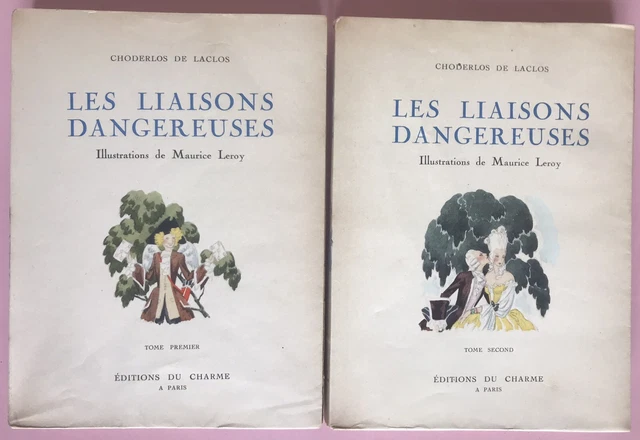
- Anonymity and Controversy: When Les Liaisons Dangereuses was first published in 1782, it caused a sensation due to its scandalous content. The author, Pierre Choderlos de Laclos, initially published the novel anonymously to avoid potential backlash from the aristocracy. However, his identity was soon revealed, and the novel became a topic of heated debate.
- Military Man Turned Author: Pierre Choderlos de Laclos was not a professional writer but rather a military officer and inventor. His most notable invention was the hollow cannonball, which was adopted by the French army. Writing Les Liaisons Dangereuses was a side project that unexpectedly turned him into a literary sensation.
- Aimed to Instruct: Despite its scandalous nature, Laclos claimed that his intention was to create a moral work that revealed the dangers of libertine behavior. He stated that he wanted to "instruct" young women about the risks of seduction and manipulation. However, many readers saw the novel as glorifying vice rather than condemning it.
Historical Context
- Pre-Revolutionary France: The novel provides a fascinating glimpse into the decadent and morally corrupt world of the French aristocracy in the years leading up to the French Revolution. It captures the atmosphere of social unrest and the growing dissatisfaction with the ruling class.
- Epistolary Novel: Les Liaisons Dangereuses is written in the form of an epistolary novel, meaning that it is composed entirely of letters exchanged between the characters. This literary technique allows the reader to gain direct access to the characters' thoughts and emotions, creating a sense of intimacy and immediacy.
- Social Commentary: The novel is a sharp critique of the social norms and expectations of 18th-century French society. It exposes the hypocrisy and superficiality of the aristocracy and the limited opportunities available to women.
Adaptations and Interpretations
- Multiple Film Versions: Les Liaisons Dangereuses has been adapted into numerous films, each offering a unique interpretation of the story. The most famous adaptations include "Dangerous Liaisons" (1988) starring Glenn Close and John Malkovich, and "Cruel Intentions" (1999), a modern retelling set in a high school.
- Stage Adaptations: The novel has also been adapted into several successful stage plays, including Christopher Hampton's "Les Liaisons Dangereuses," which has been performed around the world.
- Modern Retellings: The themes and characters of Les Liaisons Dangereuses continue to inspire modern retellings in various media, including novels, films, and television shows. These adaptations often explore similar themes of seduction, manipulation, and moral ambiguity in contemporary settings.
Character Insights
- The Inspiration for Merteuil: The character of the Marquise de Merteuil is believed to have been inspired by several real-life figures, including Madame de Pompadour, the mistress of King Louis XV, and Madame de Tencin, a prominent salon hostess and political intriguer.
- Valmont's Complexity: The Vicomte de Valmont is one of literature's most complex and enigmatic characters. He is a master of seduction and manipulation, but he is also capable of moments of genuine emotion and self-reflection.
- Tourvel's Virtue: Madame de Tourvel represents the epitome of virtue and moral integrity. Her struggle to resist Valmont's advances highlights the conflict between desire and duty.
These fun facts and trivia provide a glimpse into the rich history and cultural impact of Les Liaisons Dangereuses. They demonstrate the novel's enduring appeal and its ability to provoke, entertain, and inspire readers for centuries. So, the next time you encounter this literary masterpiece, remember these intriguing details and enjoy the scandalous journey!
In Conclusion: A Final, Cheeky Remark
So, there you have it! Les Liaisons Dangereuses, dissected, discussed, and hopefully demystified. A tale of seduction, betrayal, and enough powdered wigs to clog a drain. It's a book that proves that even in the most refined societies, people will always find a way to be delightfully, scandalously, human.
Now, go forth and impress your friends with your newfound knowledge of 18th-century French literature. And remember, if you ever find yourself in a situation involving elaborate schemes, secret letters, and a whole lot of manipulation… just blame it on Laclos. He started it!