Okay, picture this: me, trying to impress my Parisian friends with my "vast" knowledge of French geography. I confidently declare that the Seine is, like, the only river that matters in France. Cue the crickets. Followed by a gentle but firm correction listing off rivers I'd apparently never heard of. Mortifying, to say the least. But hey, that’s how you learn, right? Which brings me to… the glorious, often overlooked, and undeniably important rivers of France!
Turns out, France isn't just about the Eiffel Tower and croissants (though, let's be honest, those are pretty great too). It’s a land crisscrossed by mighty waterways that have shaped its history, economy, and even its culture. We're talking about the Grands Fleuves – the big rivers. Think of them as the arteries of the country, pumping life and vitality everywhere.
Why Should You Care About French Rivers?
Good question! I mean, you could just keep admiring the Eiffel Tower (again, not judging). But honestly, understanding the rivers gives you a much deeper appreciation for France. They've been crucial for:
- Trade and Transportation: Before trains and automobiles, rivers were the highways of France. Think Romans hauling wine barrels and medieval merchants shipping goods.
- Agriculture: Fertile valleys, irrigation – these rivers are the lifeblood of French farms. (Hello, delicious wine and cheese!)
- History and Culture: Battles fought along their banks, cities built on their shores, legends born in their waters…the rivers are woven into the fabric of French identity.
- Tourism: From kayaking adventures to scenic river cruises, these rivers offer incredible experiences. (Perfect for that Insta-worthy shot, admit it!).
Basically, ignoring the French rivers is like ignoring half the story of France. So, let's dive in (figuratively, of course – unless you're feeling adventurous!).
Meet the Stars: The Major French Rivers
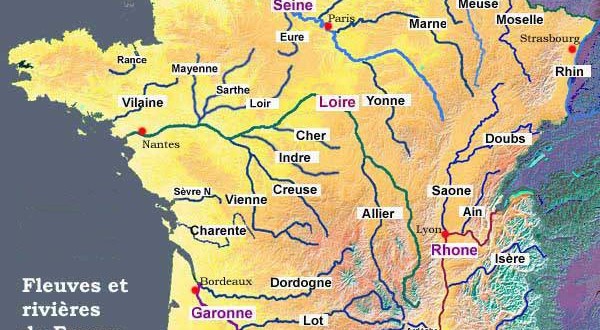
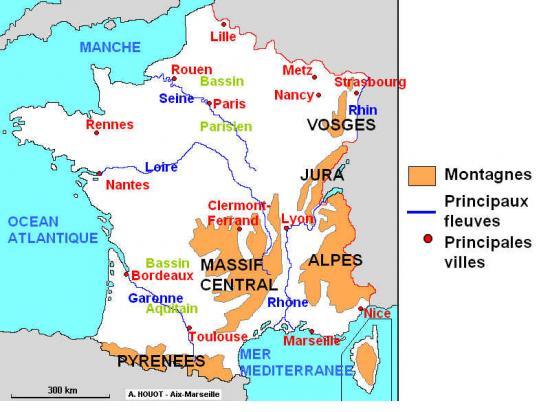
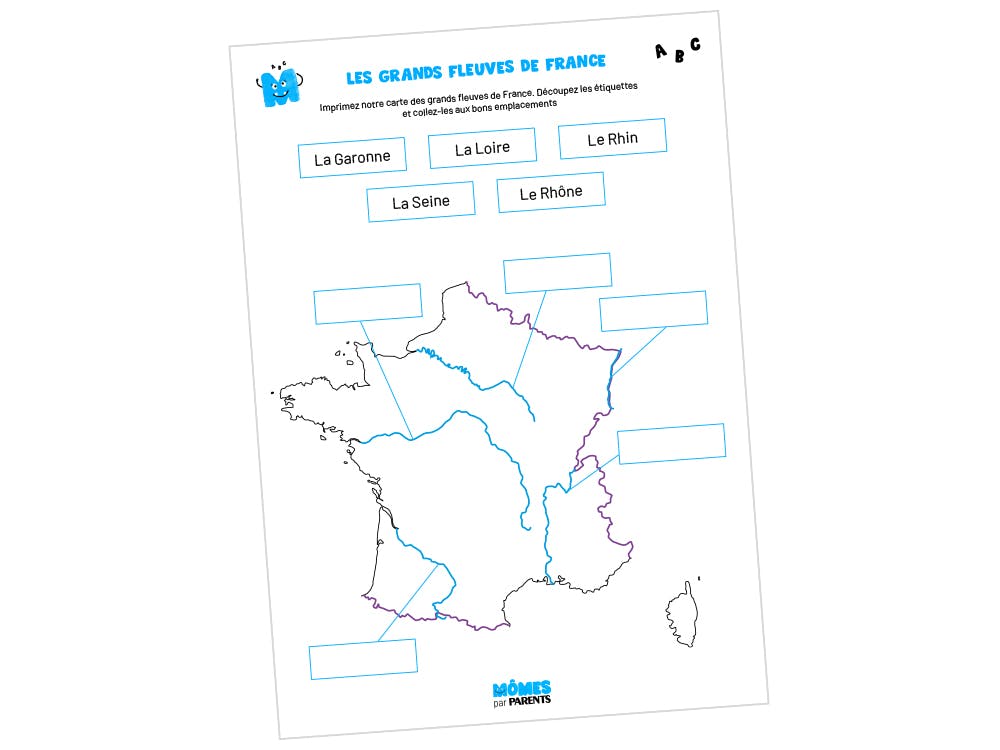
Now, for the main event! Let's introduce you to the leading actors in this watery drama. We're focusing on the big four (though, other rivers deserve love too!):
La Loire: The Royal River
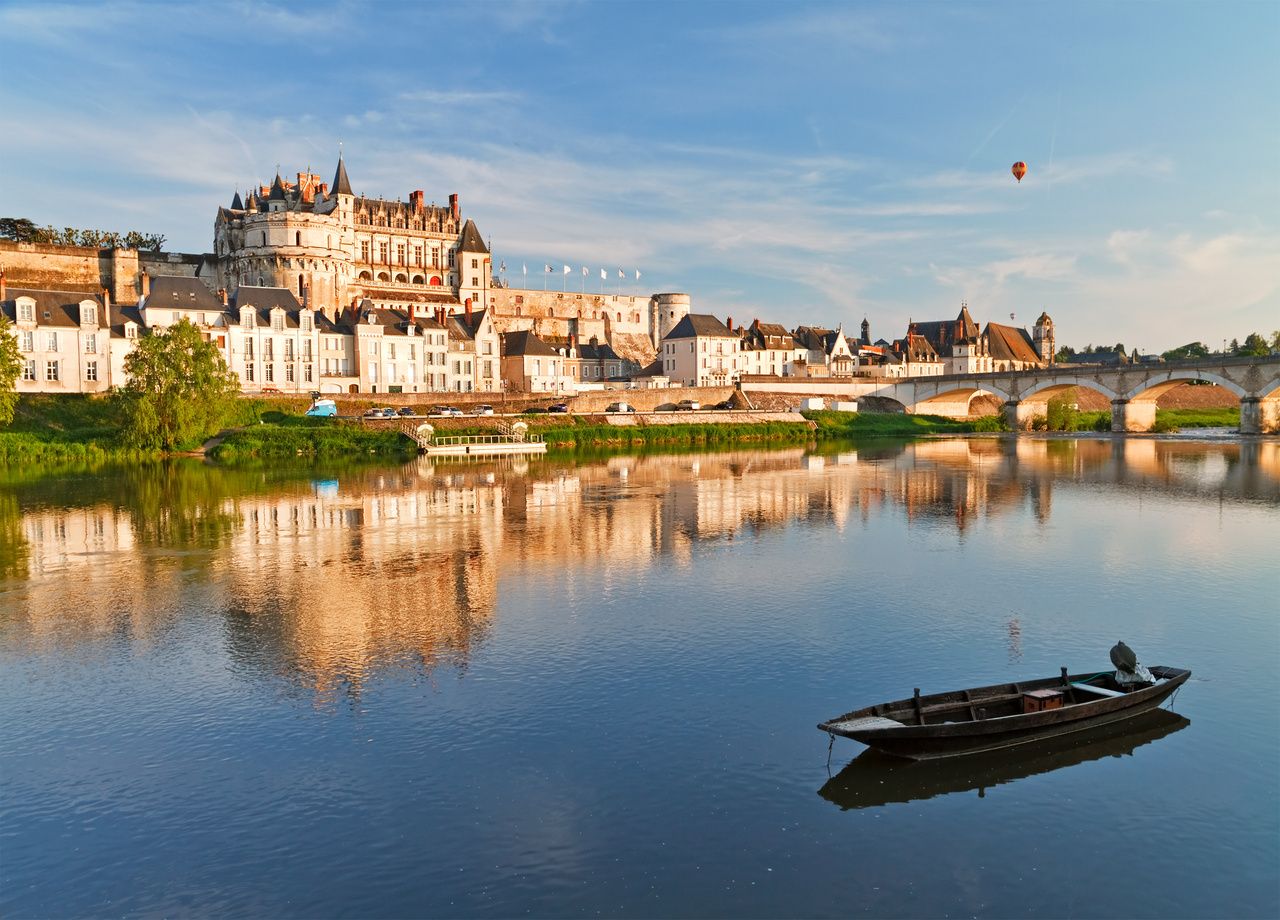
Ah, the Loire! At over 1,000 km, it's the longest river in France. It's known as the "Royal River" because the Loire Valley is home to so many stunning châteaux – the castles of French kings and nobles. Imagine yourself gliding down the river, past Chambord, Chenonceau, and all those other fairytale castles. Pretty dreamy, right?
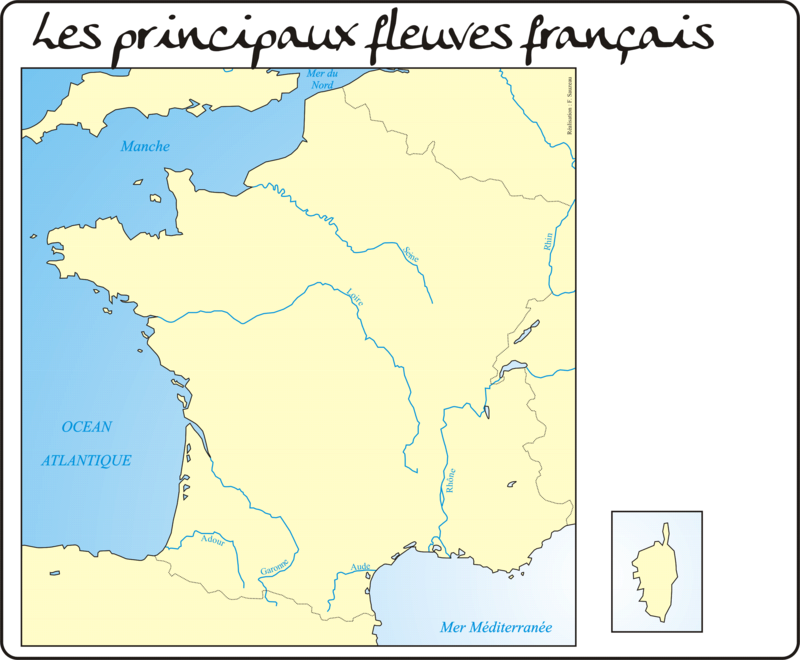
Fun fact: The Loire Valley is a UNESCO World Heritage Site, and the Loire River is the last wild river in Europe that is not controlled by dams for a significant part of its length. Meaning? It’s still pretty untamed and beautiful.
- Key cities: Orléans, Tours, Nantes
- Famous for: Châteaux, vineyards (Sancerre, Pouilly-Fumé), and its natural beauty.
- Perfect for: Cycling along the riverbanks, exploring historic towns, and wine tasting (obviously!).
La Seine: The Heart of Paris
Okay, okay, I admit it. The Seine is pretty important. I may have underestimated it slightly (just slightly!) in my earlier faux pas. But come on, it flows right through the heart of Paris! Think of it as the city's elegant, shimmering spine.
From the iconic bridges (Pont Neuf, Pont Alexandre III) to the charming bateaux-mouches (riverboats) gliding along its surface, the Seine is practically synonymous with Parisian romance and beauty. And let's not forget the bouquinistes (booksellers) lining the quays, selling everything from vintage novels to postcards of… the Eiffel Tower! (Sorry, couldn't resist.)
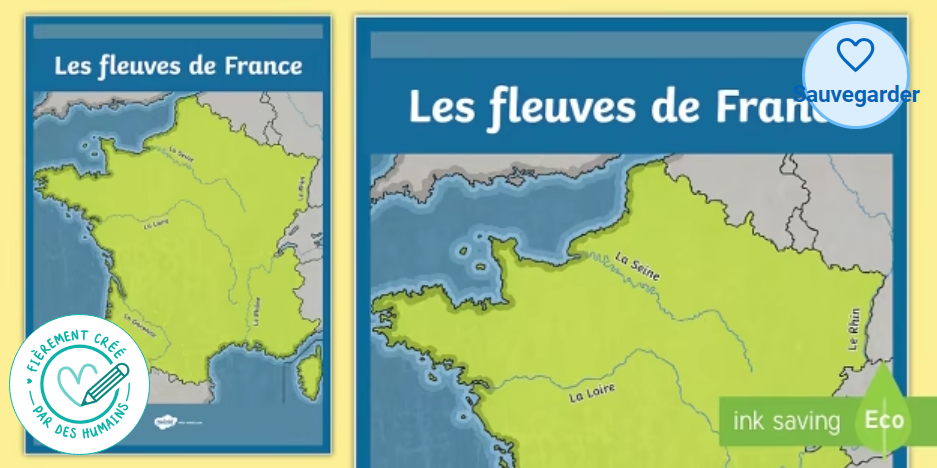
Did you know? The Seine has been a vital waterway since Roman times. They used it for transportation and, well, sanitation (let's not dwell on that too much!).
- Key cities: Paris, Rouen, Le Havre
- Famous for: Paris, duh! Also, Impressionist art (many painters captured the Seine's beauty).
- Perfect for: A romantic stroll along the quays, a river cruise, and soaking up the Parisian atmosphere.
Le Rhône: Powerhouse of the South
Now, let's head south to the Rhône! This river is a real powerhouse – both literally and figuratively. It's known for its strong current (perfect for generating hydroelectric power) and its role in shaping the landscape of southern France.
The Rhône Valley is also famous for its vins – particularly Côtes du Rhône and Châteauneuf-du-Pape. So, if you're a wine lover, you owe the Rhône a debt of gratitude! And don't forget the picturesque towns and villages that dot its banks, like Lyon, Avignon, and Arles (where Van Gogh spent some time, inspired by the light and the landscapes).
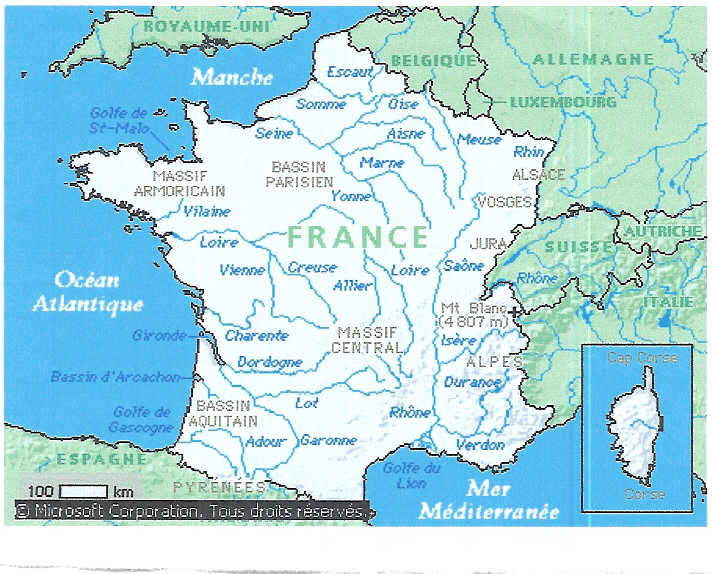
Insider tip: If you're feeling brave, try whitewater rafting on the Rhône. It's an adrenaline rush you won't soon forget!
- Key cities: Lyon, Avignon, Arles
- Famous for: Wine (Côtes du Rhône), Roman ruins (like the Pont du Gard aqueduct), and its beautiful scenery.
- Perfect for: Wine tasting, exploring historical sites, and enjoying the Mediterranean climate.
La Garonne: From Pyrenees to Bordeaux
Last but not least, we have the Garonne! This river rises in the Spanish Pyrenees and flows through southwestern France, culminating in the famous city of Bordeaux. (Are you sensing a theme here? Good wine and rivers seem to go hand-in-hand in France!).
The Garonne is crucial for irrigating the vineyards of the Bordeaux region, which produces some of the world's most prestigious wines. Think Château Margaux, Château Lafite Rothschild… yeah, we're talking serious vino! And beyond wine, the Garonne is also a popular spot for fishing, kayaking, and simply enjoying the beautiful scenery.
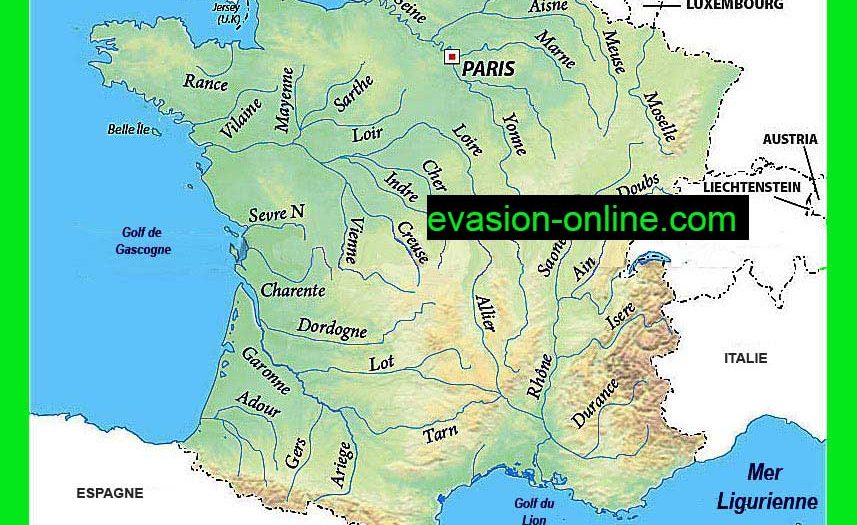
A little history: The Garonne is connected to the Mediterranean Sea by the Canal du Midi, a UNESCO World Heritage Site and an engineering marvel from the 17th century.
- Key cities: Toulouse, Bordeaux
- Famous for: Bordeaux wine, the Canal du Midi, and its vibrant culture.
- Perfect for: Wine tours, canal boat trips, and exploring the charming towns and villages along the river.
Beyond the Big Four: Other Rivers Worth Exploring
Okay, so we've covered the major players. But France has plenty of other rivers that deserve a shout-out. Like the Marne (which played a crucial role in World War I), the Saône (which joins the Rhône in Lyon), and the Dordogne (famous for its prehistoric caves and stunning landscapes). So, if you have the time, don't hesitate to explore beyond the well-trodden path!
So, What’s the Takeaway?
The rivers of France are more than just pretty waterways. They're the lifelines of the country, shaping its history, economy, and culture. They're a source of beauty, inspiration, and adventure. So next time you're planning a trip to France, remember to factor in some river time. You won't regret it!
And hey, if you ever find yourself trying to impress your French friends with your geographical knowledge, now you'll be armed with some serious river facts. You can thank me later. (Maybe with a bottle of wine from the Rhône Valley? Just kidding… mostly.)