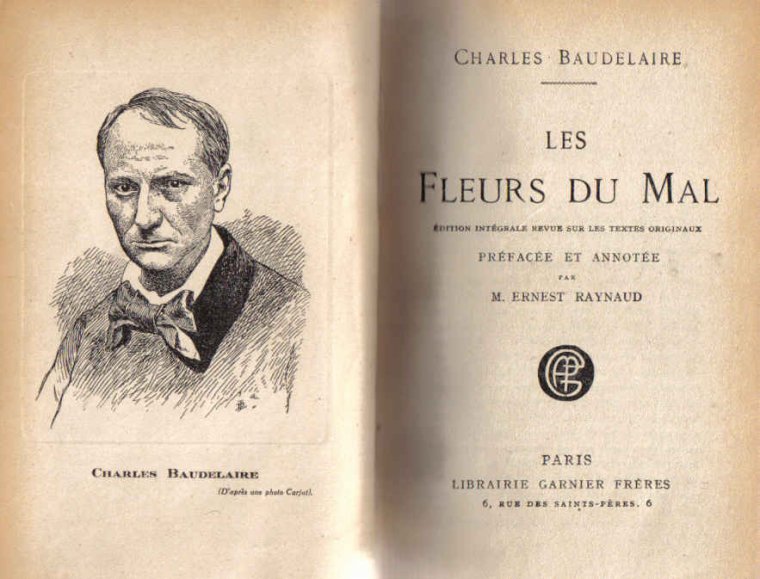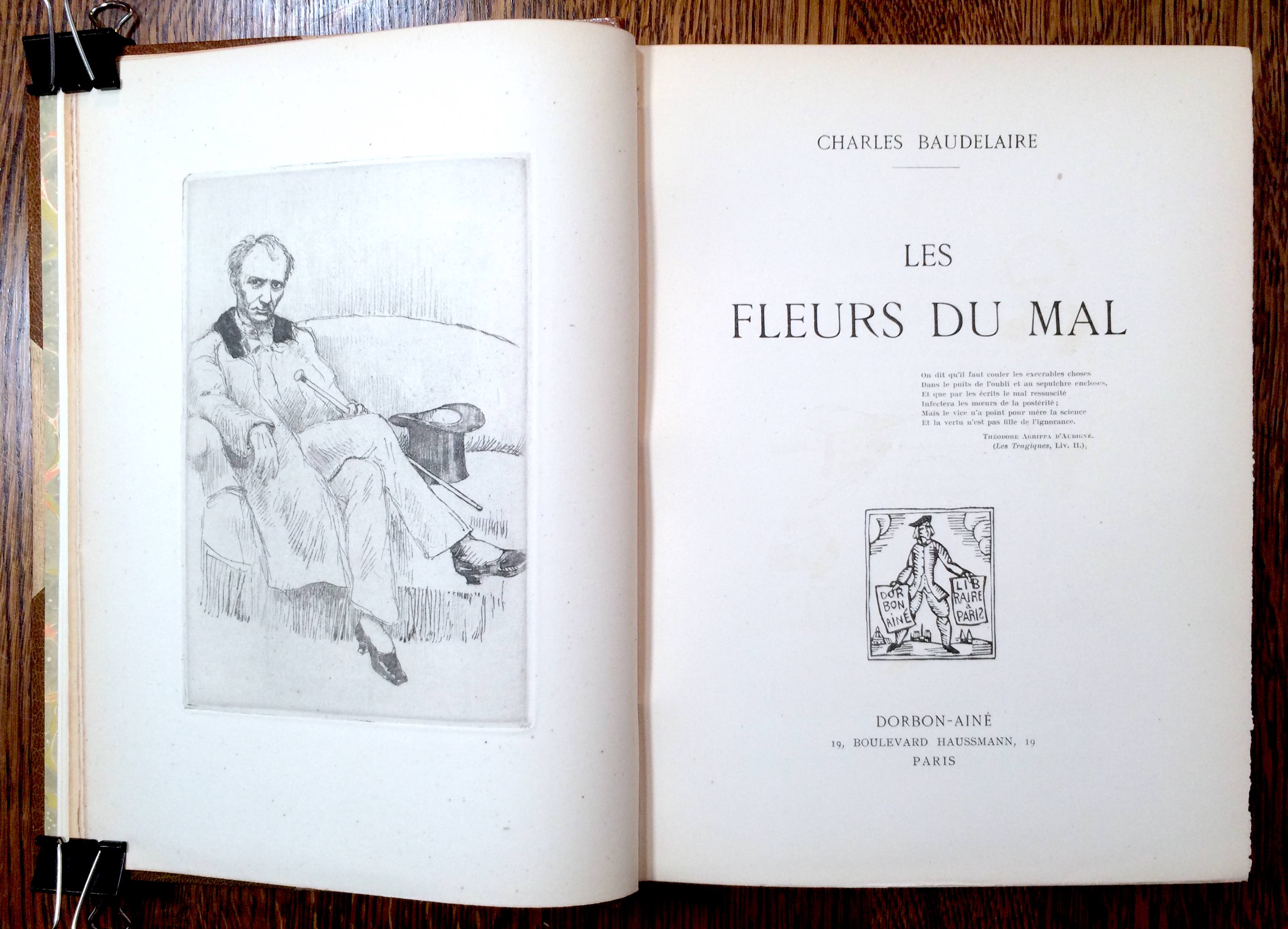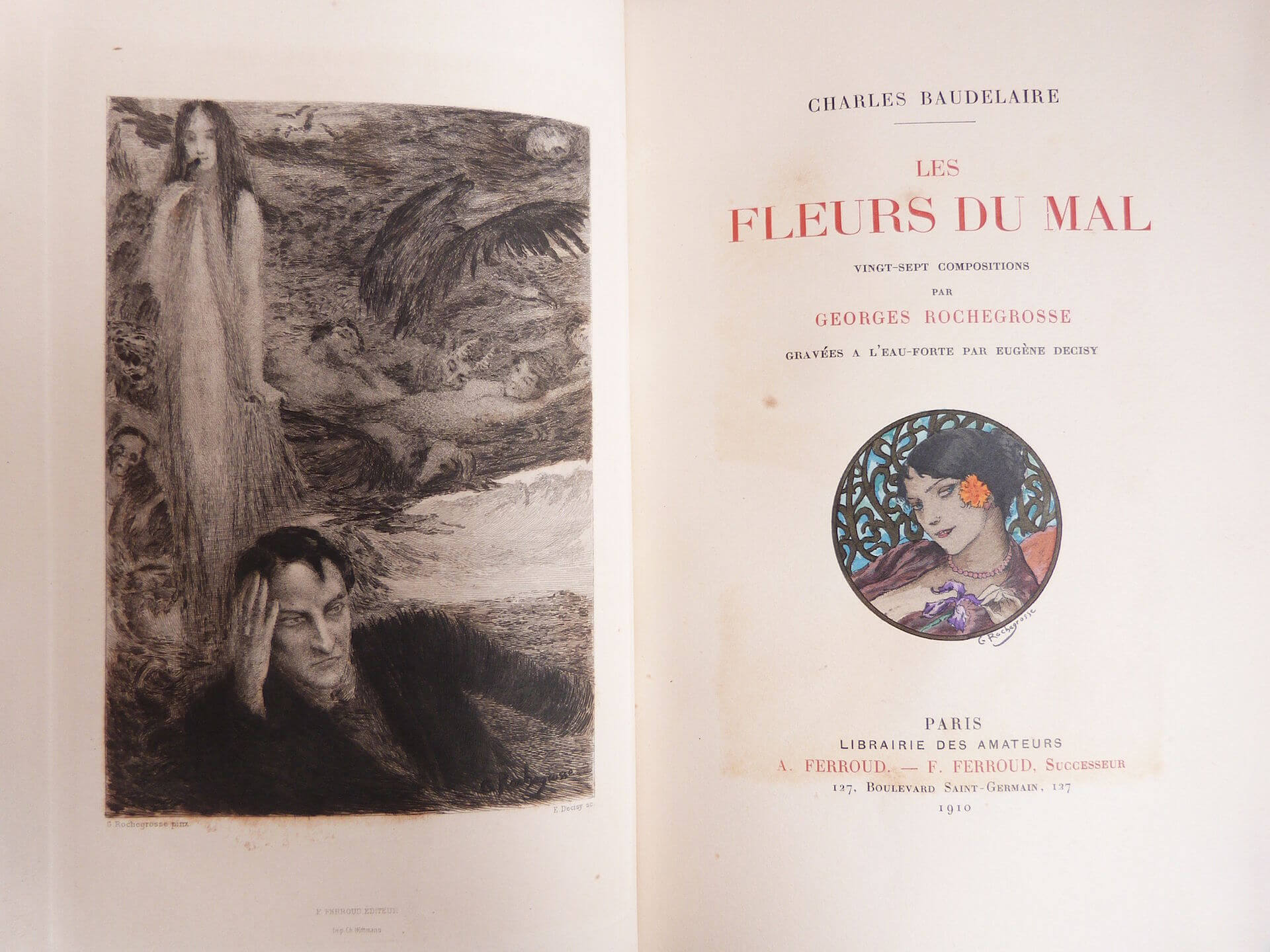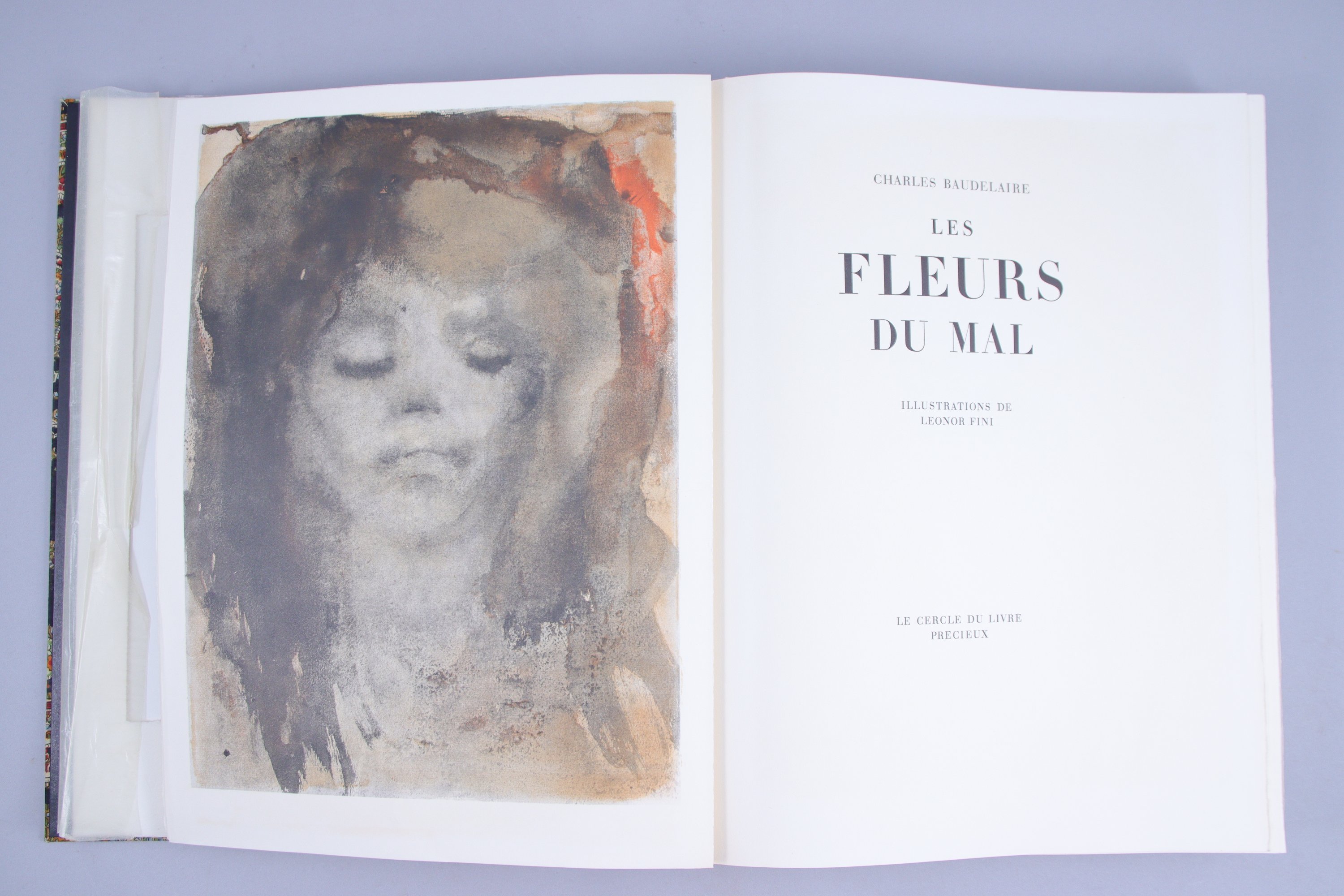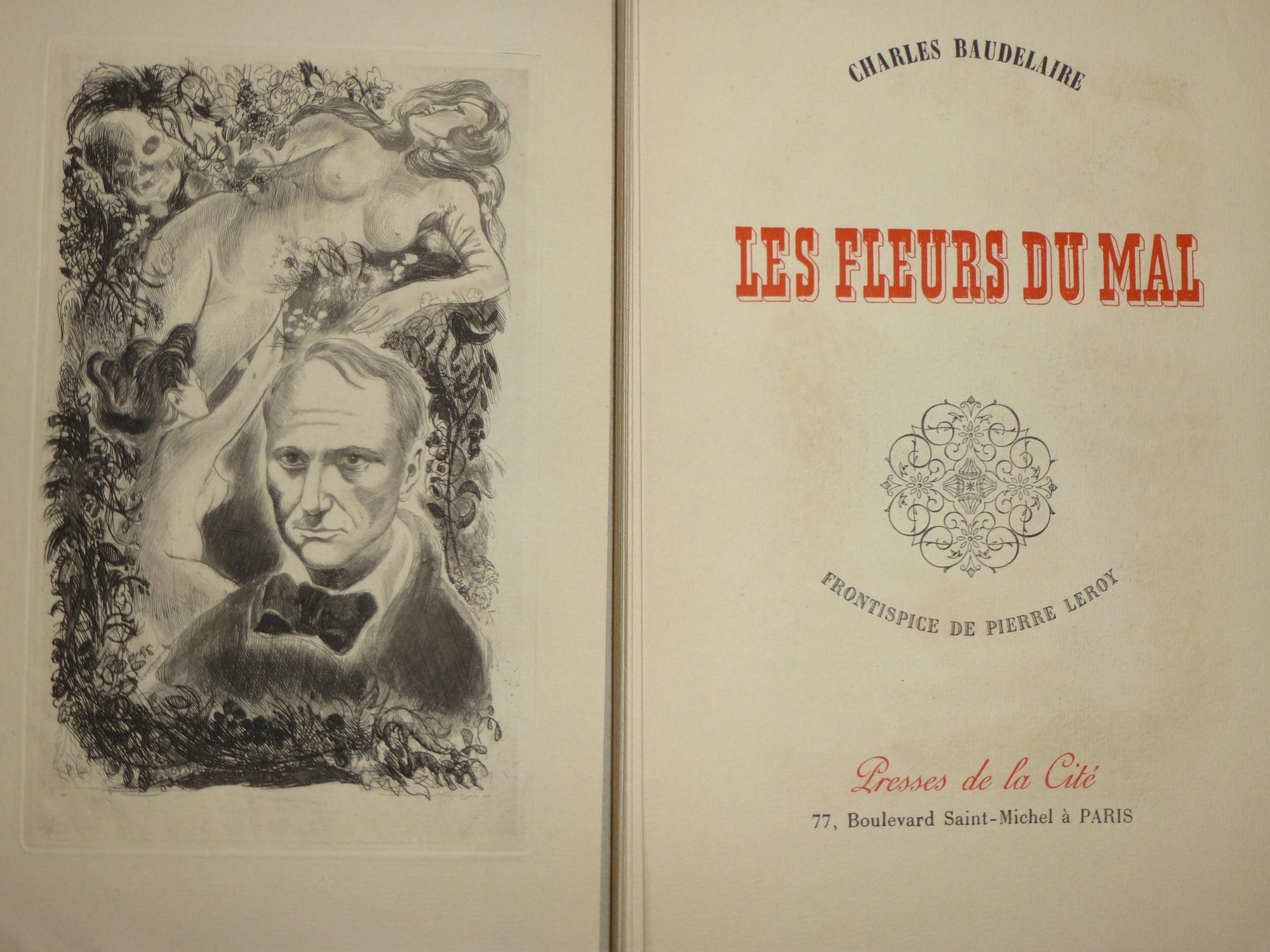
Ah, Les Fleurs du Mal! Just the name conjures images of dimly lit Parisian cafes, absinthe-fueled conversations, and a general air of rebellious romanticism. You might have stumbled upon it in a literature class, seen it referenced in a film, or perhaps just heard the title whispered with a certain knowing glance. But what is it, really? And why is it still so relevant today? Let's dive in, shall we? On y va!
Les Fleurs du Mal: Wikipedia-style (But More Fun!)
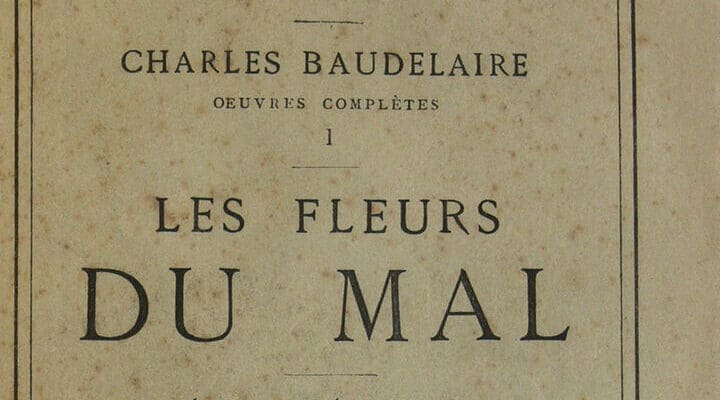
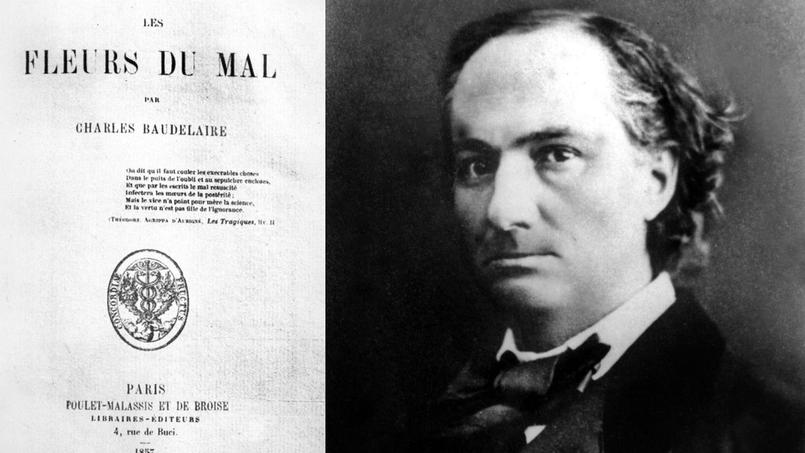
Okay, let's start with the basics, borrowing a little from our friend, Wikipedia. Les Fleurs du Mal (The Flowers of Evil) is a collection of poems by Charles Baudelaire, published in 1857. It's considered one of the most important and influential books of poetry in French literature. But forget stuffy literary criticism for a moment; think of it as a poetic exploration of the darker, more complicated sides of human experience.
Baudelaire, our 19th-century Parisian poet-rebel, wasn't afraid to delve into themes that were, shall we say, a little controversial for his time. We're talking about:
- Decadence: A fascination with decay, the fleeting nature of beauty, and the blurring lines between pleasure and pain. Think of it as the glamorous side of gothic.
- Sin and Redemption: Exploring the allure of forbidden pleasures and the struggle for spiritual redemption. It's that constant push and pull between good and evil that makes the poetry so compelling.
- Urban Life: Baudelaire was one of the first poets to really capture the gritty, frenetic energy of modern city life. He saw beauty in the mundane, the overlooked, and the marginalized.
- Existential Angst: Questioning the meaning of life, the nature of identity, and the alienation of the individual in a rapidly changing world. Sound familiar?
In other words, Les Fleurs du Mal is a collection of poems that isn't afraid to face the messy, uncomfortable realities of being human. C'est la vie, n'est-ce pas?
A Little History, A Lot of Scandal
The initial publication of Les Fleurs du Mal caused quite a stir. Six poems were censored for obscenity, and Baudelaire was even prosecuted. Imagine the outrage! Can you picture people clutching their pearls while reading about "Les Bijoux" or "Lesbos?" This scandal, of course, only added to the book's notoriety and cemented Baudelaire's reputation as a literary provocateur. Talk about a marketing strategy!
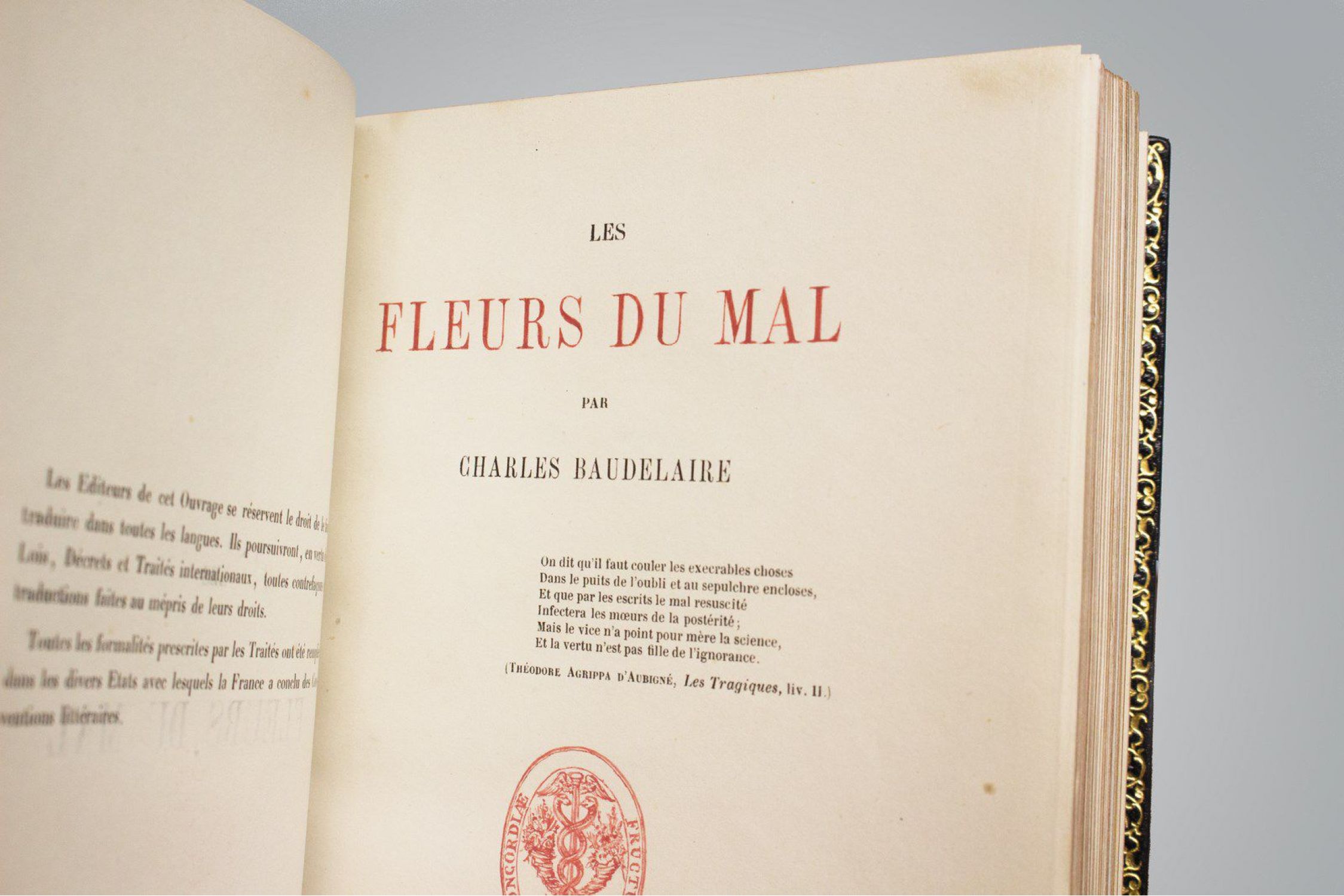
![Les Fleurs du mal, 1861. Rel de l'époque. [Avec:] Complément aux Fleurs](https://sothebys-md.brightspotcdn.com/2a/0b/980ef5884afd9d1041647da63784/pf2113-c3zgk-02.jpg)
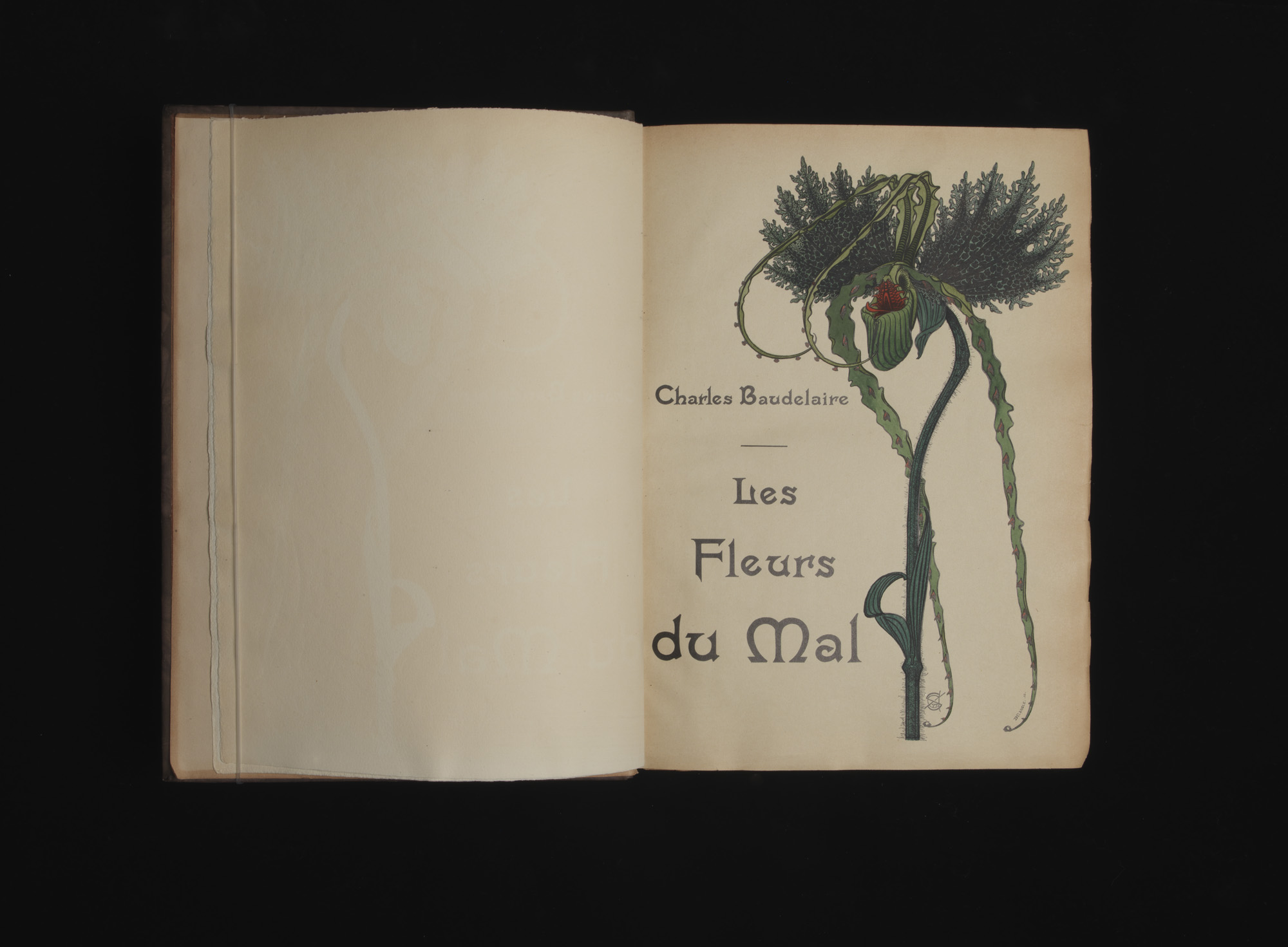
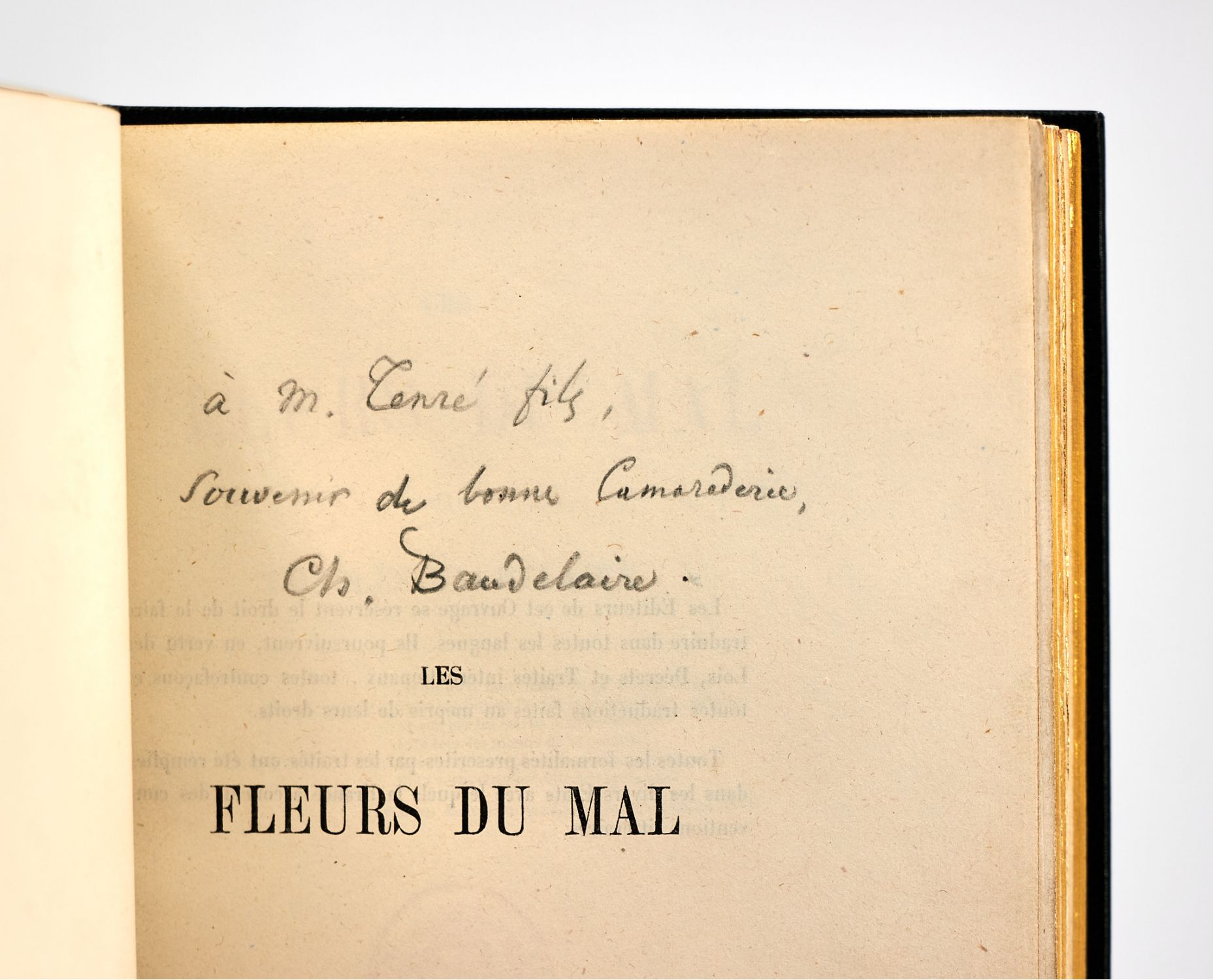
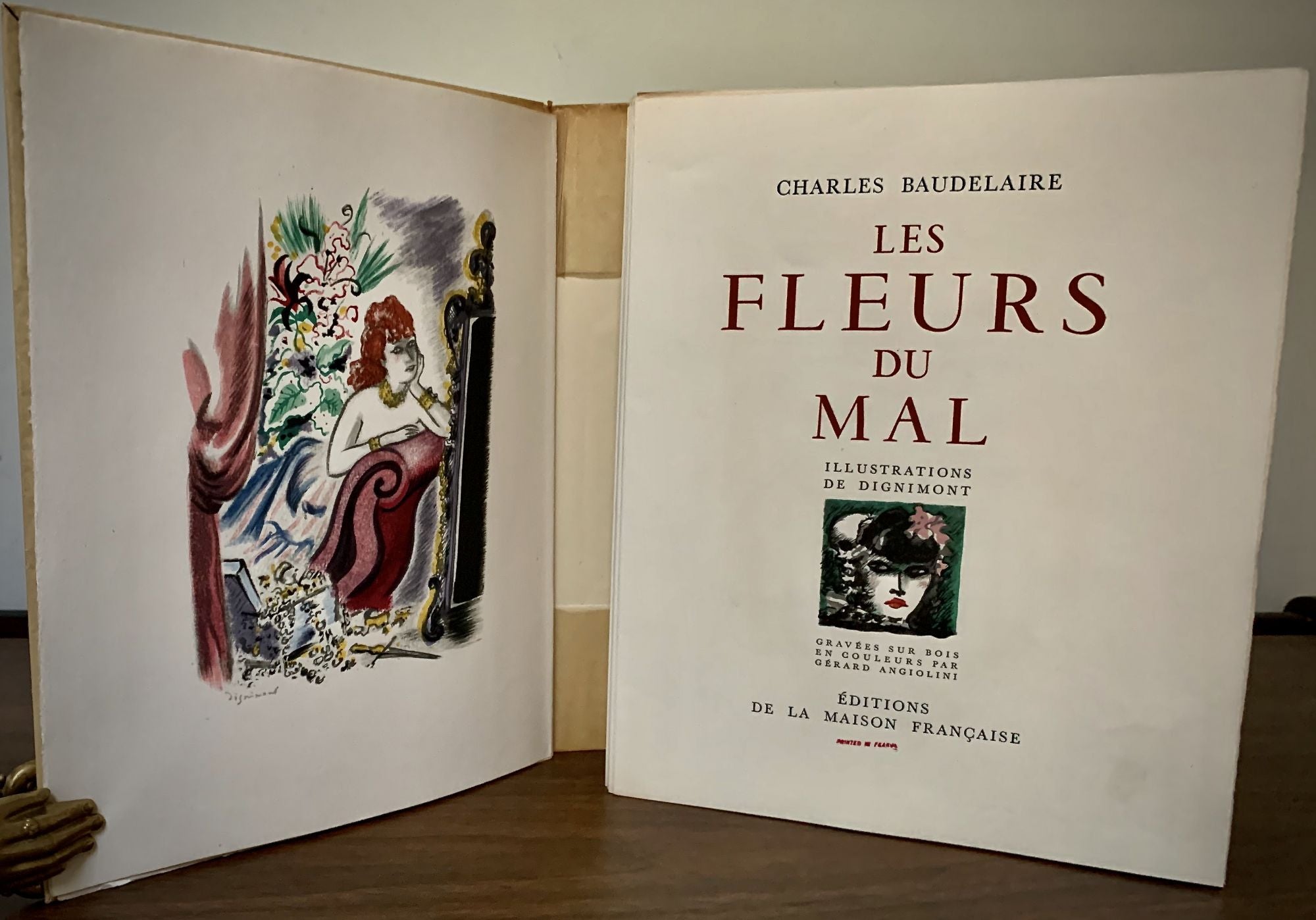
Eventually, a second, expanded edition was published in 1861, including many new poems, but the censored ones remained out of circulation for a long time. So, if you happen to stumble upon a truly complete first edition, you might just have a literary goldmine on your hands.
Why Should You Care About 19th-Century Poetry Today?
Okay, you might be thinking, "That's all well and good, but why should I bother reading poetry from the 1800s?" Here’s the thing: Les Fleurs du Mal is surprisingly relevant, even in the age of social media and streaming services. Baudelaire’s exploration of human nature, the beauty found in unexpected places, and the struggle with internal conflicts are timeless themes. Think of it as the OG of modern angst, the poetic grandparent of every edgy Instagram post you've ever seen.
Here's why Les Fleurs du Mal still resonates:

- It's honest: Baudelaire doesn't shy away from the darker aspects of life. He explores jealousy, lust, despair, and the feeling of being lost and alone. This honesty can be incredibly cathartic and validating.
- It's beautiful: Even when dealing with dark themes, Baudelaire's language is exquisite. He uses rich imagery, vivid metaphors, and musical rhythms to create poems that are both haunting and beautiful.
- It's thought-provoking: The poems raise profound questions about the nature of good and evil, the meaning of beauty, and the human condition. They challenge you to think critically about your own beliefs and values.
- It’s influential: Baudelaire influenced entire generations of writers, artists, and musicians. You can see echoes of his work in the poetry of Rimbaud and Verlaine, the paintings of the Symbolists, and even in modern rock music.
Les Fleurs du Mal: A Modern Reading List
Want to dip your toes into the world of Baudelaire? Here are a few suggestions:
- Start with the classics: "L'Albatros," "Correspondances," "Spleen," "À une passante," and "Le Chat" are some of the most famous and accessible poems.
- Explore different translations: The nuances of poetry can be tricky to translate, so try reading different versions to see which one resonates with you the most. Some popular translators include Richard Howard, James McGowan, and Anthony Mortimer.
- Listen to musical adaptations: Many musicians have been inspired by Baudelaire's work. Check out songs by artists like Léo Ferré, Serge Gainsbourg, and The Cure for a modern take on the poetry.
- Watch for film references: The themes and imagery of Les Fleurs du Mal have appeared in countless films. Keep an eye out for nods to the poetry in movies like "Paris, Texas" and "The Dreamers."
- Embrace the darkness: Don't be afraid to embrace the darker, more unsettling aspects of the poems. That's where the real power lies.
Practical Tips for Enjoying Baudelaire
Reading poetry can sometimes feel a bit daunting, so here are a few tips to make the experience more enjoyable:
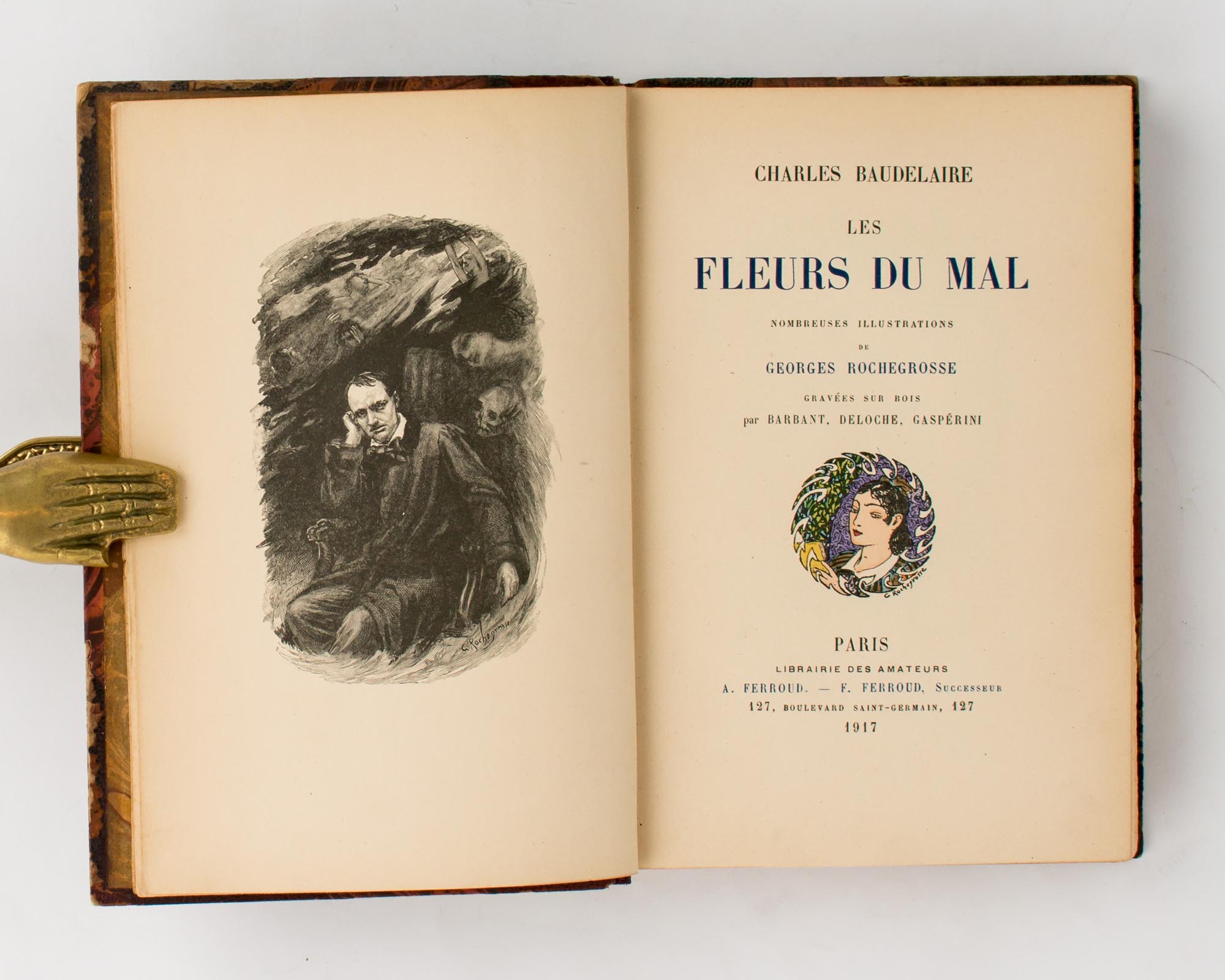
- Read aloud: Poetry is meant to be heard as well as read. Reading the poems aloud can help you appreciate the rhythm and musicality of the language.
- Don't be afraid to look things up: Baudelaire uses a lot of obscure references and archaic language. Don't hesitate to use a dictionary or online resources to understand the meaning of the words and phrases.
- Take your time: Don't try to read the entire book in one sitting. Poetry is best savored slowly, one poem at a time.
- Reflect on the meaning: After reading a poem, take some time to reflect on its meaning and how it relates to your own experiences.
- Join a book club: Discussing poetry with others can help you gain new insights and perspectives.
Les Fleurs du Mal in Daily Life: A Reflection
So, what does a book of poetry from the 1800s have to do with your everyday life? More than you might think. Baudelaire reminds us that beauty can be found in unexpected places, even in the midst of darkness and decay. He encourages us to embrace our imperfections, to question the status quo, and to find meaning in a world that often feels chaotic and absurd.
Next time you're feeling overwhelmed by the pressures of modern life, take a moment to read a poem from Les Fleurs du Mal. You might be surprised at how much it resonates. Maybe you'll find a new appreciation for the beauty of the everyday, or perhaps you'll simply feel a little less alone in your struggles. C'est tout le but, non?
Ultimately, Les Fleurs du Mal is a testament to the enduring power of art to illuminate the human condition. It's a reminder that even in the darkest of times, there is still beauty to be found, and that even in the midst of despair, there is still hope. À bientôt!