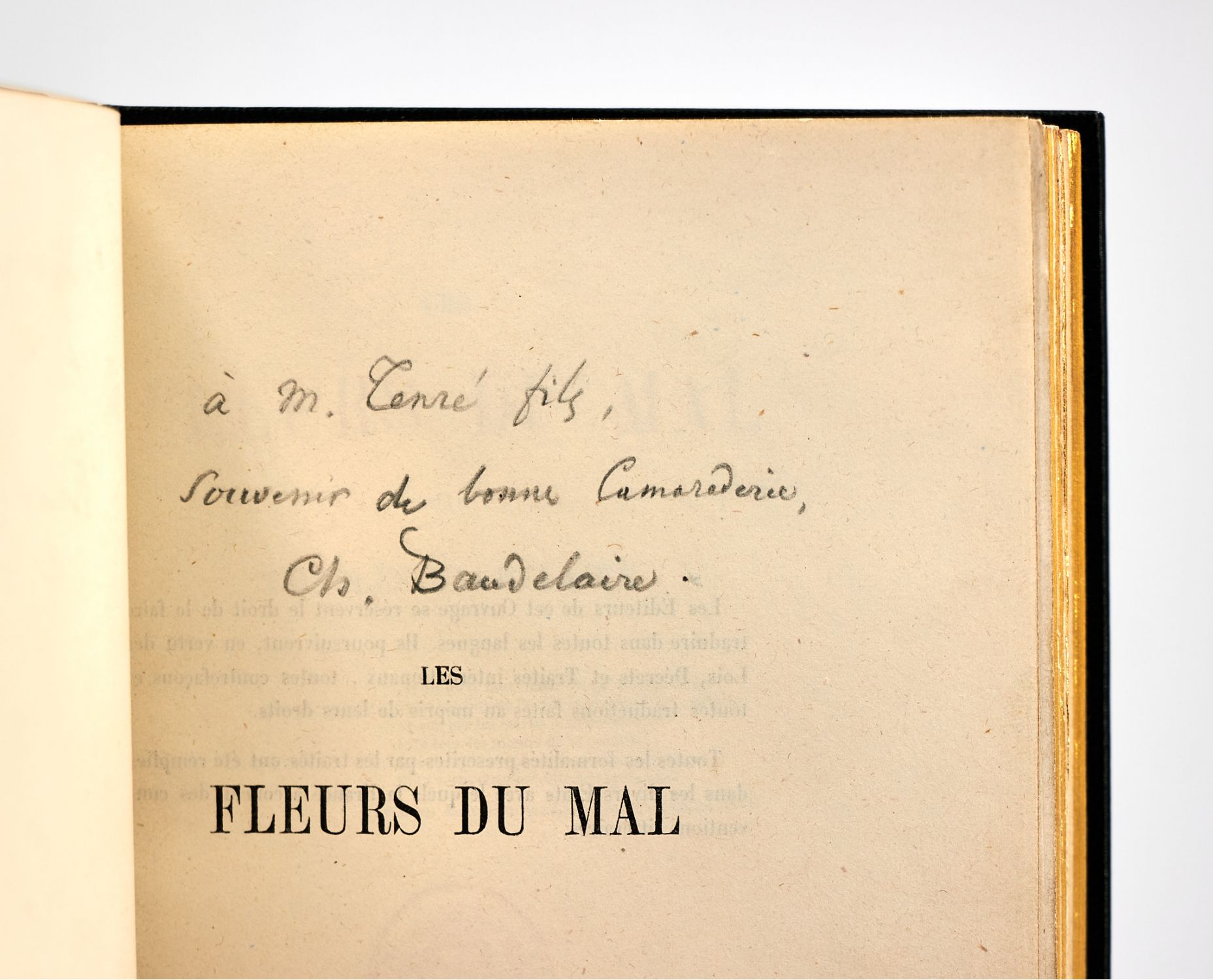
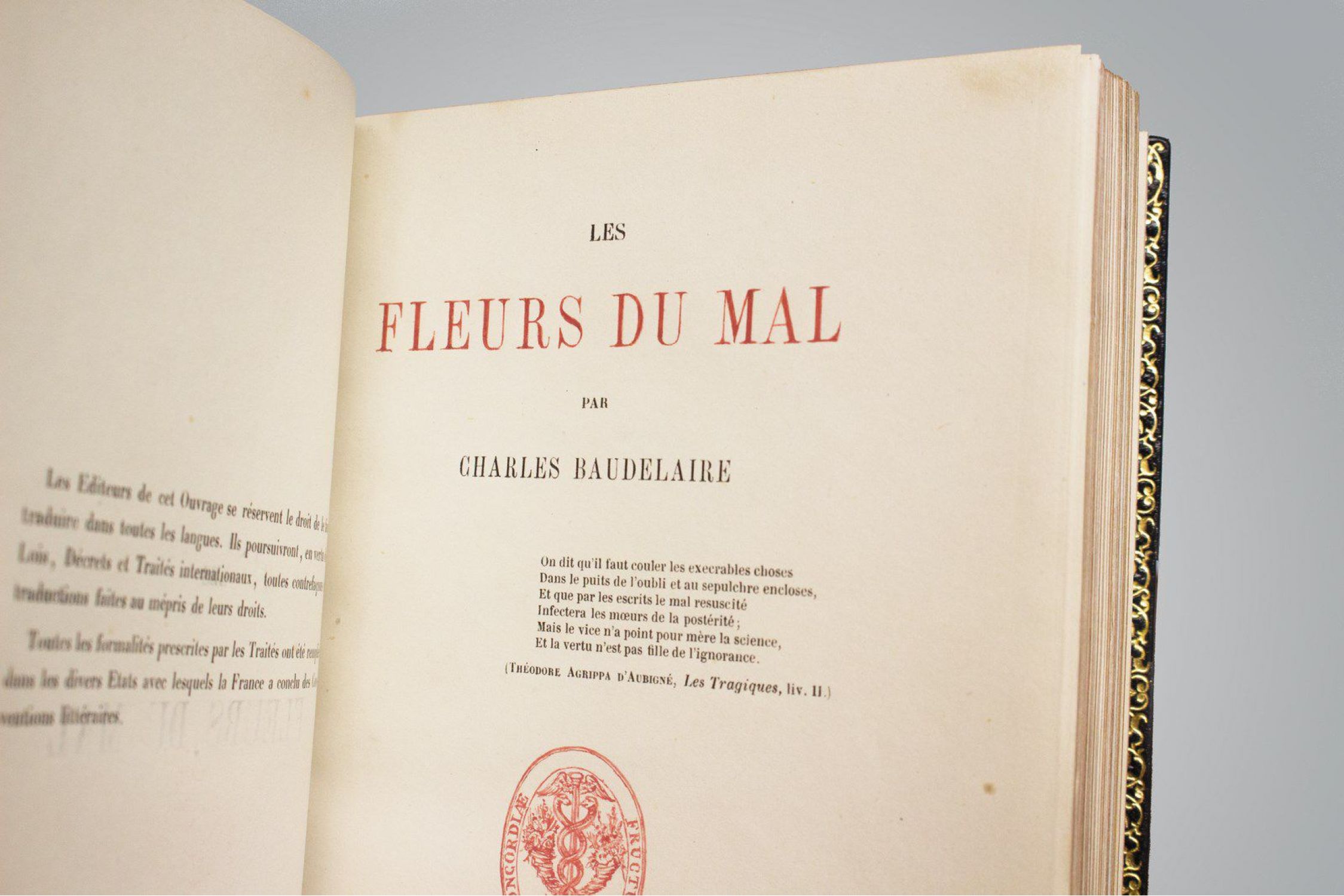
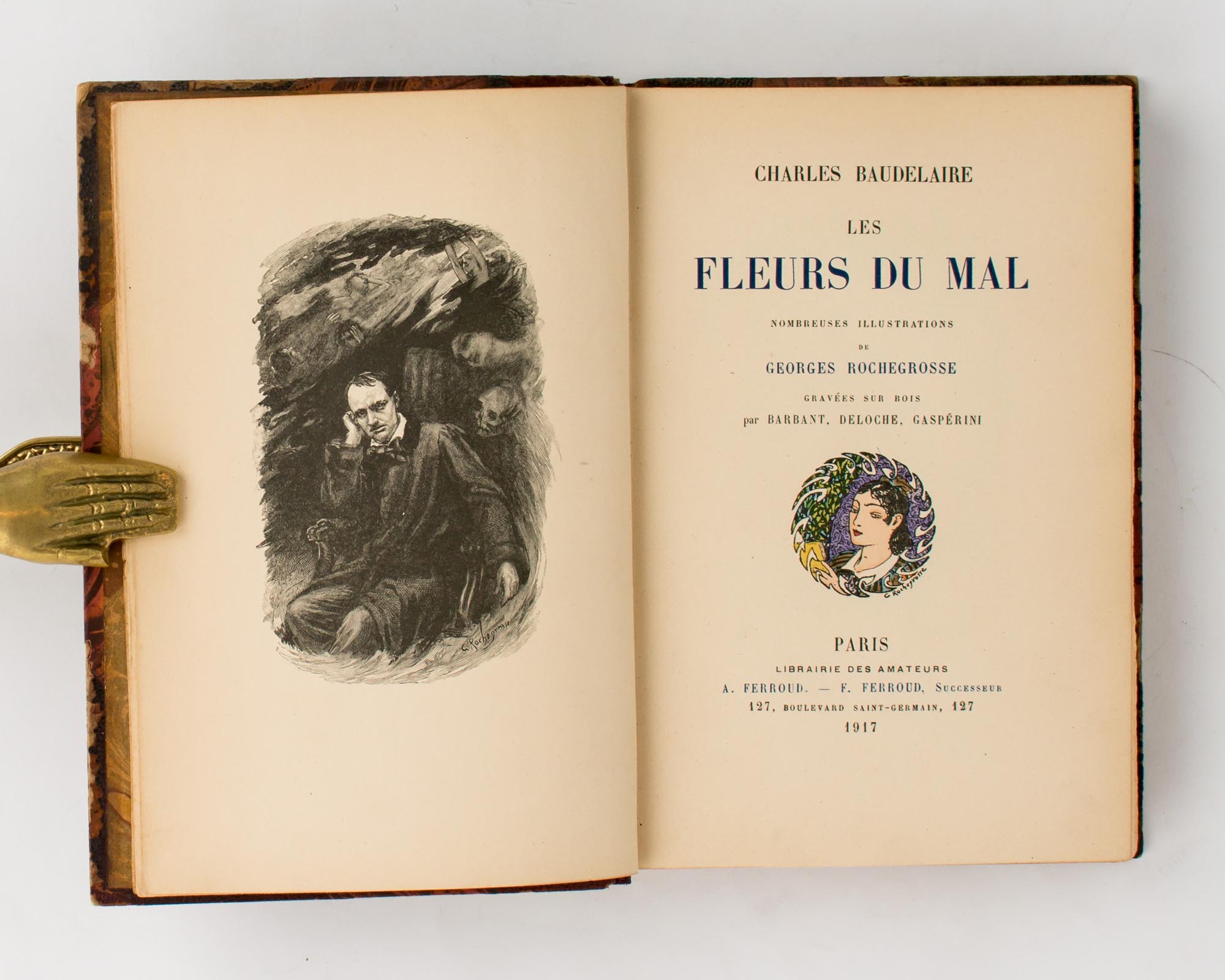
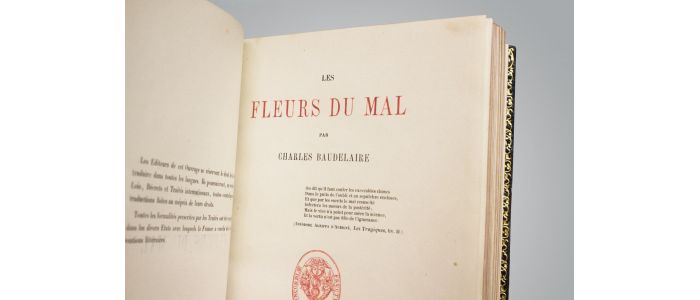
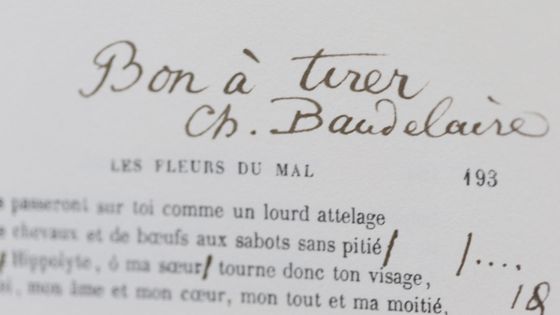
Ah, Les Fleurs du Mal… Just saying the name makes me want to sip a café au lait and gaze out a rain-streaked window. Have you ever heard of them? These poems by Charles Baudelaire are… well, they're a whole mood. Let's settle in and chat about this fascinating and slightly scandalous collection.
A Poet of Darkness and Beauty
Baudelaire was a 19th-century French poet. Imagine a guy, dapperly dressed, but with a hint of rebellion in his eyes. He was a bit of a dandy, a flâneur, strolling through the streets of Paris, observing everything. But not just the pretty things. He saw the grime, the poverty, the decay too. And he wrote about it. Brilliantly.
Les Fleurs du Mal translates to "The Flowers of Evil". A pretty dramatic title, right? It suggests finding beauty in things that are generally considered ugly or wrong. Think of it as a kind of romanticism, but with a dark, twisted edge. Instead of idealized landscapes and pure love, he's giving us urban scenes, complicated emotions, and a fascination with the macabre.
Why did he write like this? Well, life can be messy. Can't it? Baudelaire wasn't afraid to explore the darker corners of the human experience: alienation, addiction, death, the struggle between good and evil. He didn’t shy away from ugliness. It’s as if he dared us to confront what we usually ignore.
Spleen and Ideal
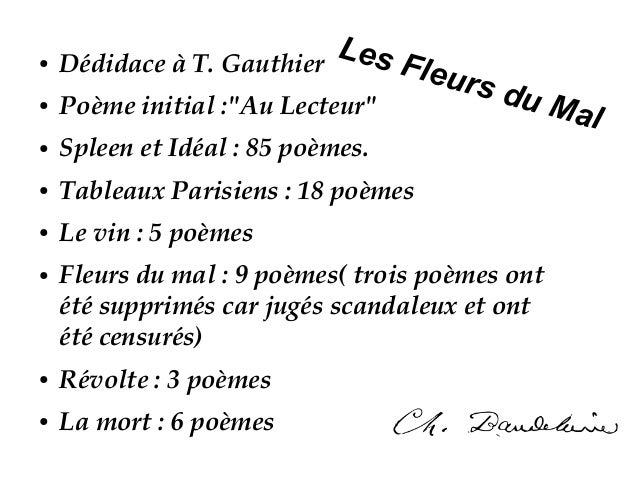
The collection is divided into sections. One of the most important is “Spleen et Idéal”. Spleen? It’s a tricky word to translate. Think of it as a profound sense of melancholy, boredom, and existential angst. That ennui that just weighs you down. Ever felt that? Baudelaire knew it intimately.
But then there’s “Idéal”. The pursuit of beauty, art, spiritual perfection. It’s the counterpoint to the spleen, the hope that keeps us going even when things feel hopeless. Baudelaire is constantly wrestling with these opposing forces. It’s like a constant tug-of-war in his soul. The juxtaposition between spleen and the ideal shapes the entire book.
-0bcdb1f7-5133-46b4-a272-61d9410c39db.jpg)
Think about it: how can you appreciate the light without experiencing the darkness? Baudelaire's genius lies in his ability to show us both, often within the same poem.
Sensory Overload and Symbolism
Baudelaire was a master of sensory language. He used synesthesia, blending different senses to create vivid and powerful images. He would describe a sound as a color, a smell as a texture. It’s like the world is exploding with sensation.
And symbolism! Oh, the symbolism! He was heavily influenced by the Symbolist movement. Things aren't just what they seem. A rose isn't just a rose. A cat isn't just a cat. Everything is imbued with deeper meaning. What does the albatross represent? How about the serpent? It’s all open to interpretation, which makes reading his poetry so engaging.
His poems are like puzzles. He gives you the pieces, but you have to put them together yourself. It's a participatory experience. He's not just telling you something; he's inviting you to think, to feel, to question.
For example, the poem "Correspondances" suggests that all things in nature are interconnected. That there are hidden meanings and links between the physical and spiritual worlds. It’s a beautiful idea, isn't it?
Scandal and Censorship
Les Fleurs du Mal was controversial from the start. When it was first published in 1857, six poems were censored for obscenity. Imagine that! Today, they might seem tame, but back then, they were considered shocking. Why? Because Baudelaire dared to write about subjects that were considered taboo. He challenged the conventions of the time.
This censorship, of course, only made the book more popular. People were curious. What was so scandalous about these poems? What secrets were they hiding? The controversy added to the allure and mystique of Les Fleurs du Mal.

Beyond the Darkness: A Glimmer of Hope?
Is Les Fleurs du Mal depressing? Sometimes, yes. There's a lot of darkness, despair, and disillusionment. But it's not all gloom and doom. There are moments of beauty, tenderness, and even hope. Baudelaire wasn't just wallowing in misery. He was searching for meaning, for transcendence.
He appreciated beauty, even in unexpected places. He found it in the eyes of a lover, in the vibrant colors of a sunset, in the haunting melodies of a song. He believed that art could offer solace, a refuge from the harsh realities of life. He teaches us to look closer, to appreciate even fleeting moments of beauty and peace.
Also, there's a raw honesty in his work. He doesn't try to sugarcoat anything. He presents the world as he sees it, with all its flaws and imperfections. That can be both unsettling and liberating. It’s like he’s saying, “It’s okay to feel lost, to feel confused, to feel afraid. You're not alone.”
Why Read Them Today?
So, why should you read Les Fleurs du Mal today? Because they're still relevant. They speak to universal themes that resonate with us all: the search for meaning, the struggle with temptation, the experience of loss, the longing for connection.
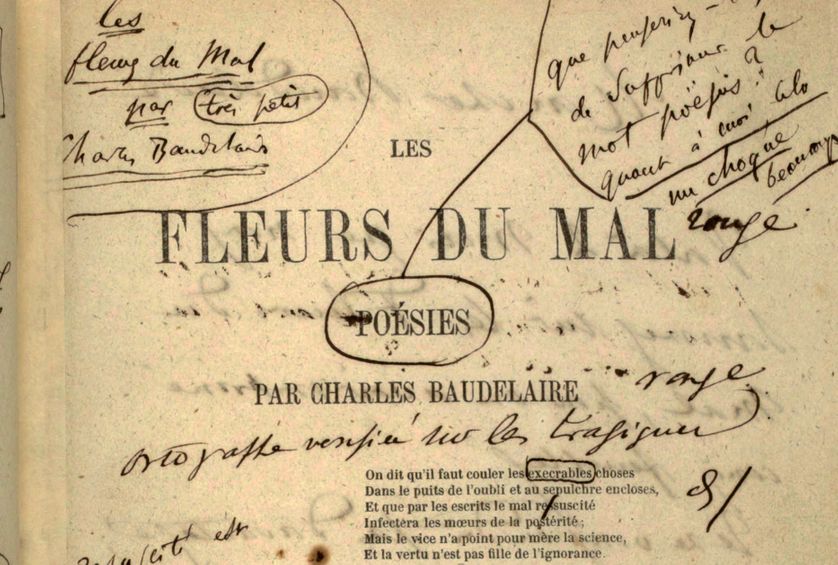
Baudelaire's poems are also beautifully crafted. His language is rich, evocative, and full of musicality. Even if you don't understand French, you can still appreciate the sounds and rhythms of his words. And translations can open you up to all kinds of interpretation.
Ultimately, Les Fleurs du Mal is a reminder that life is complex and contradictory. That beauty and ugliness can coexist. That darkness and light are always intertwined. And that even in the midst of suffering, there is always hope to be found.
Give them a try. Read them slowly. Savor the words. Let them sink in. You might be surprised at what you discover. Maybe you'll find a reflection of your own soul in those dark, beautiful flowers.
And who knows? Maybe you’ll find a new favorite poem, a new appreciation for the power of art, a new way of looking at the world. Perhaps, it's time for another café au lait and revisit the Fleurs.