Okay, confession time. Remember that time I tried to bake a soufflé? Yeah, the one that looked like a sad, deflated pancake? I thought I was so clever, adding a "secret ingredient" (which was, let's be honest, just more sugar). Turns out, humility in baking, and in life, is probably a better ingredient than excessive confidence. Which, believe it or not, brings us neatly to...
Le Corbeau et le Renard: A Classic Tale of Flattery and Foolishness
... La Fontaine's famous fable, "Le Corbeau et le Renard" – "The Crow and the Fox". You probably know it, even if you don't think you do. It's that story about a crow, a piece of cheese, and a very, very smooth-talking fox. But trust me, there's more to it than meets the eye! It's a delicious little allegory about vanity, flattery, and how easily we can be tricked when someone strokes our egos. Who doesn't love a good life lesson wrapped in animal characters, right?
So, let's dive in. Imagine the scene:
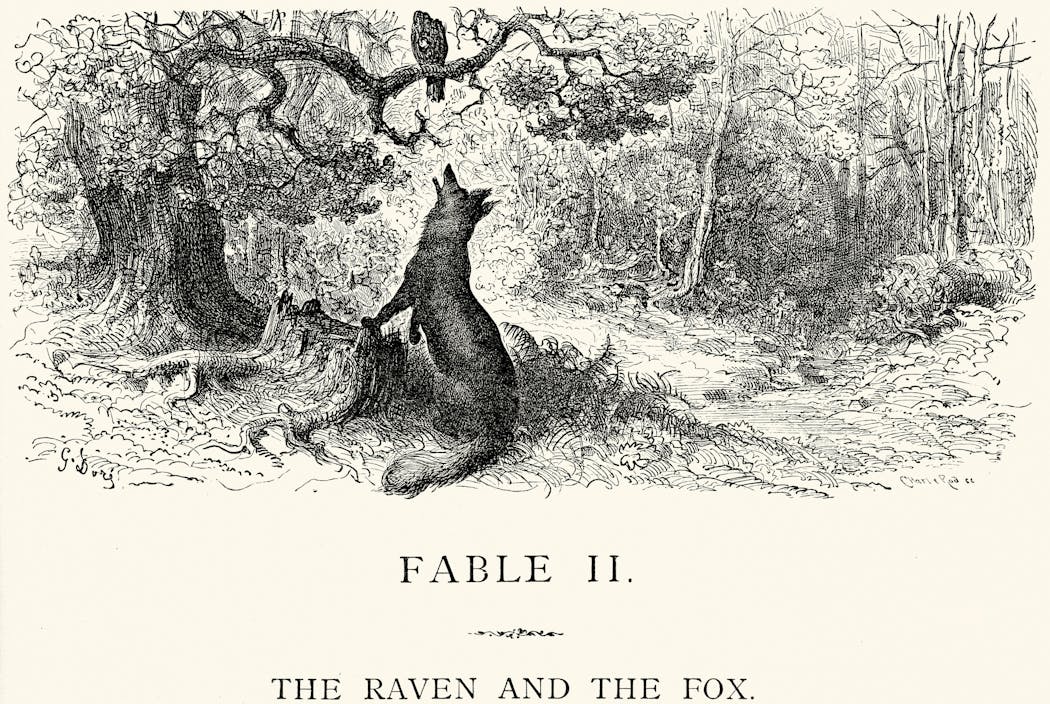
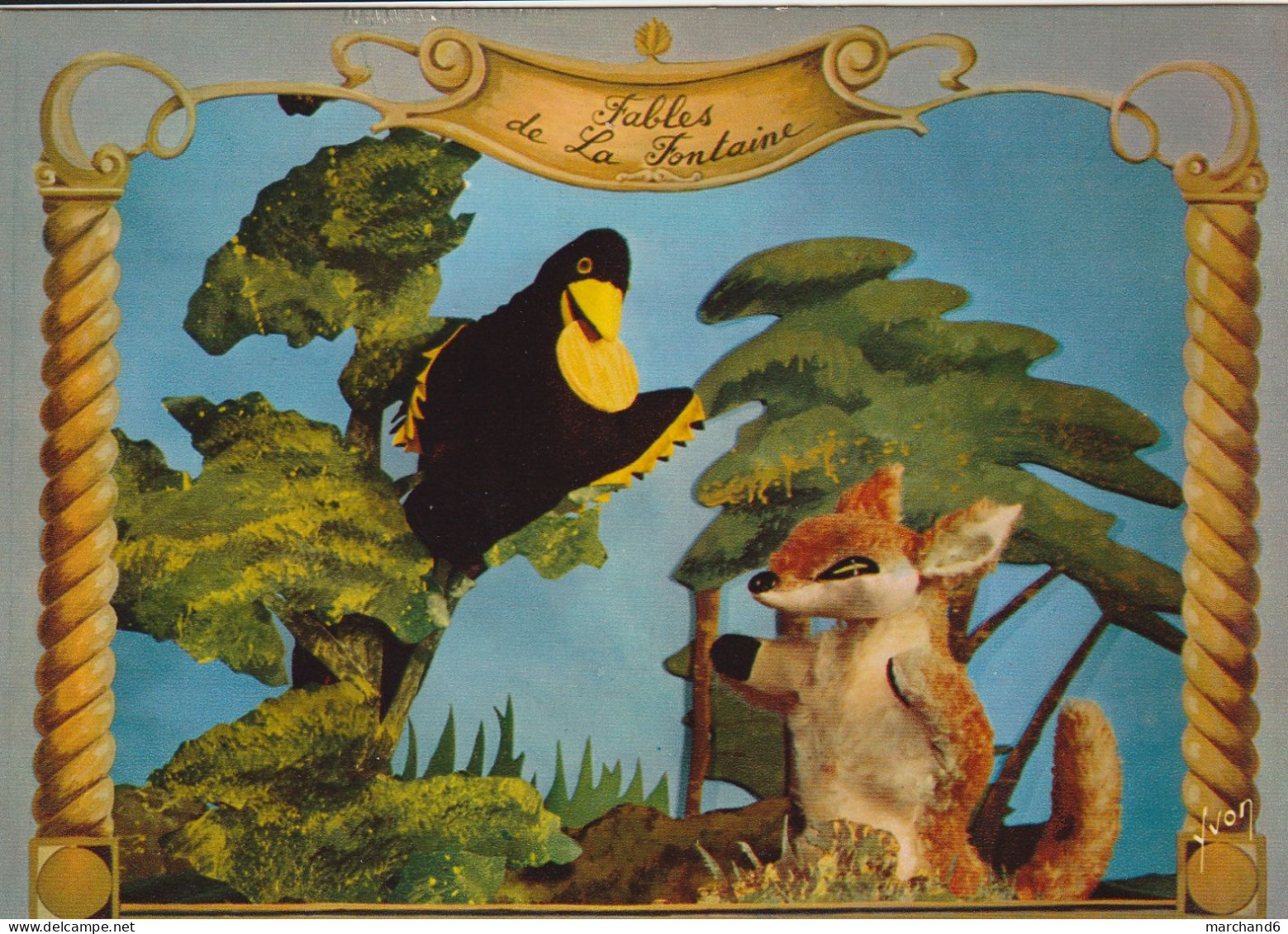
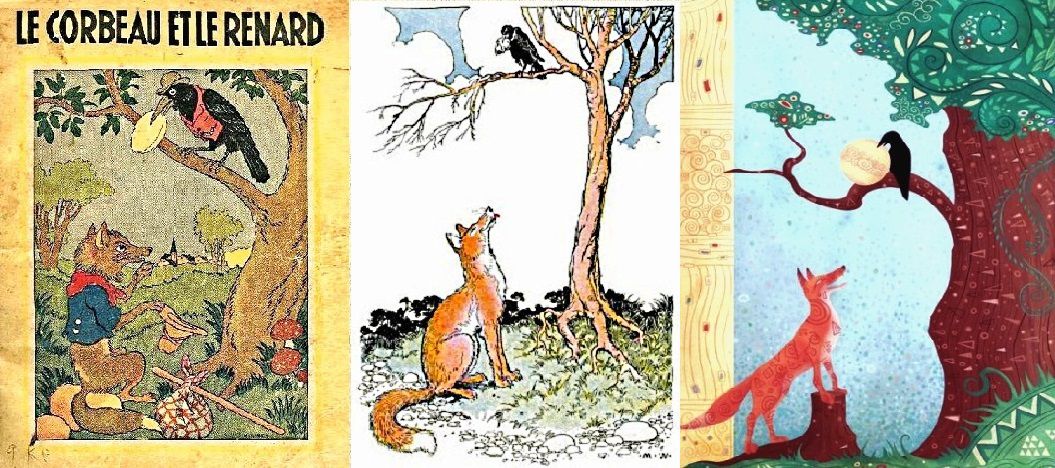
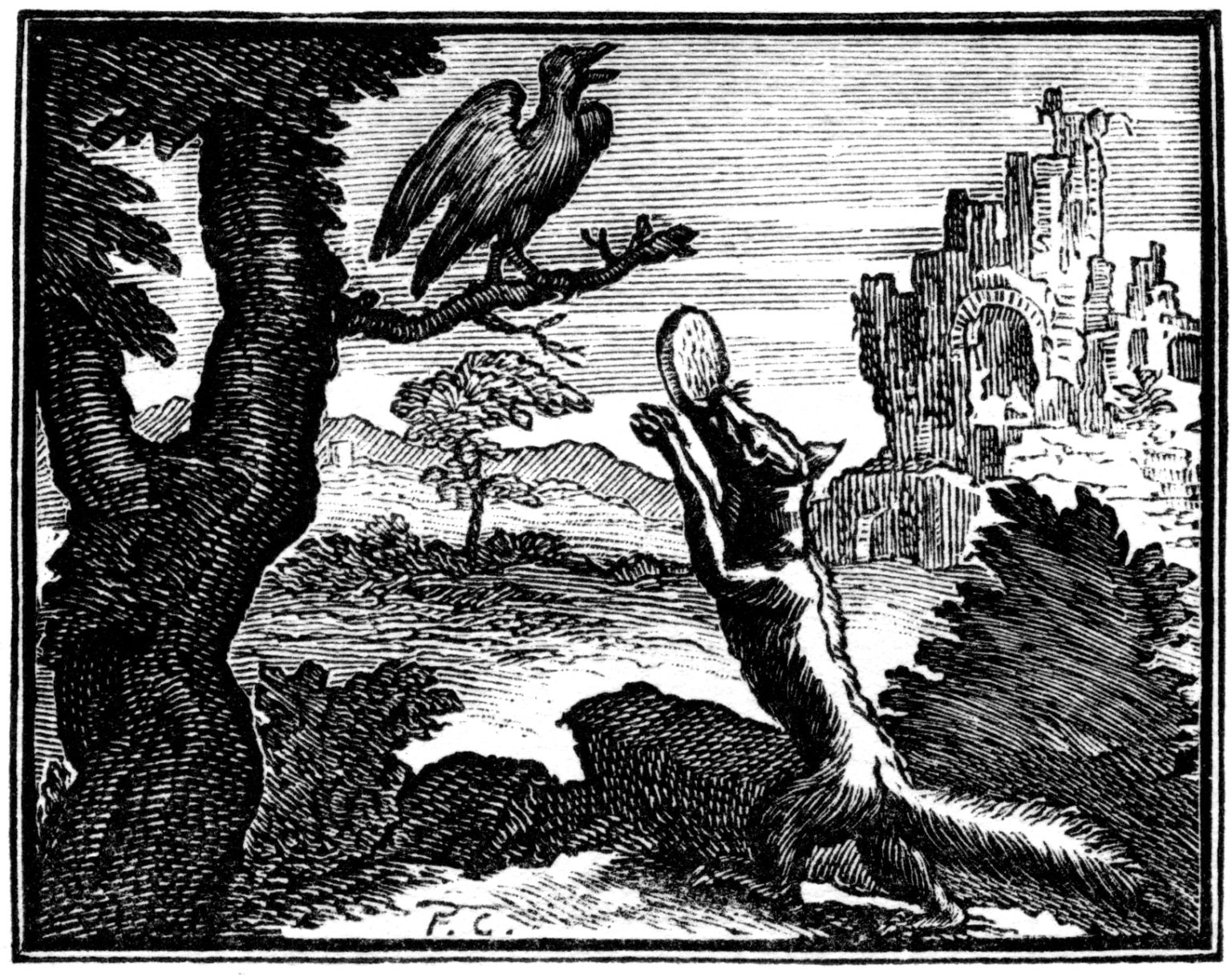
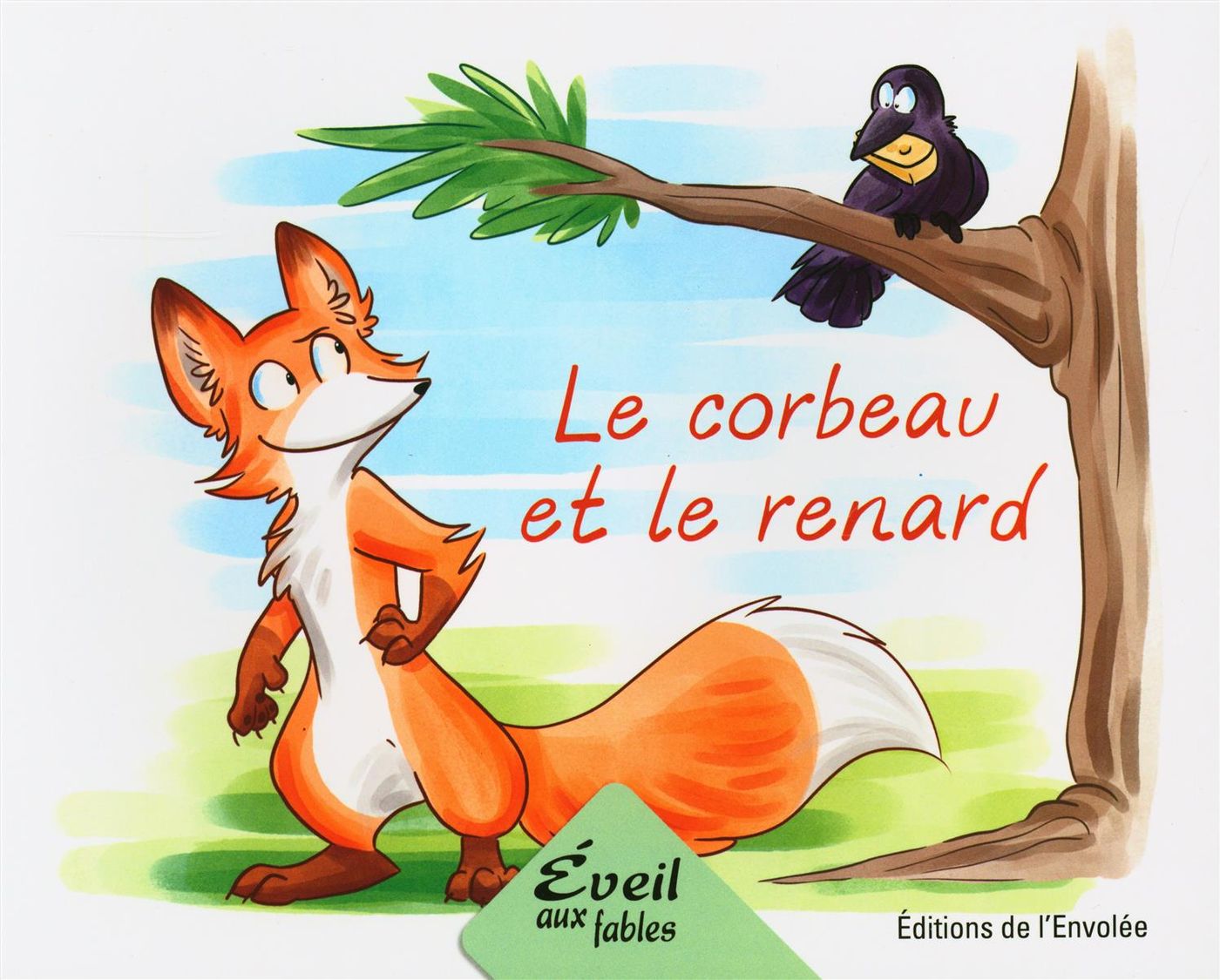
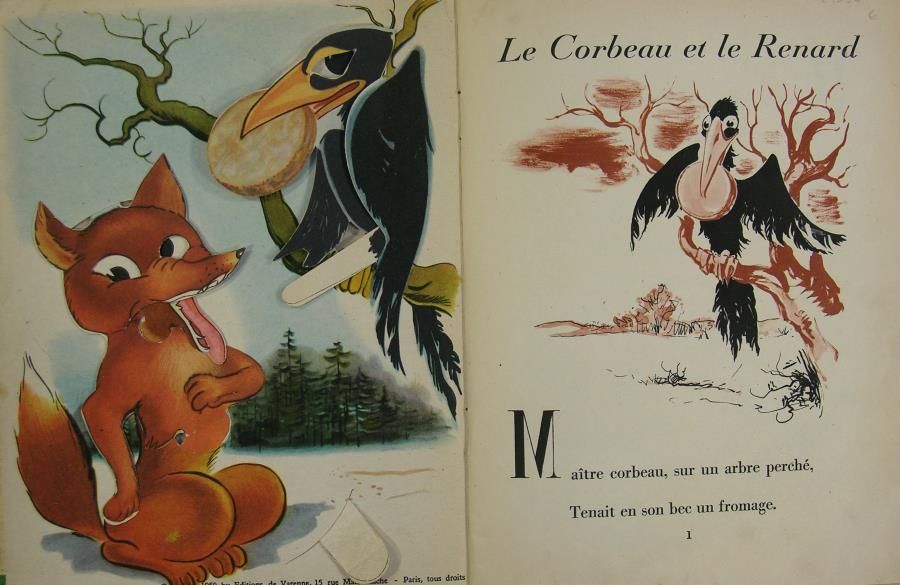
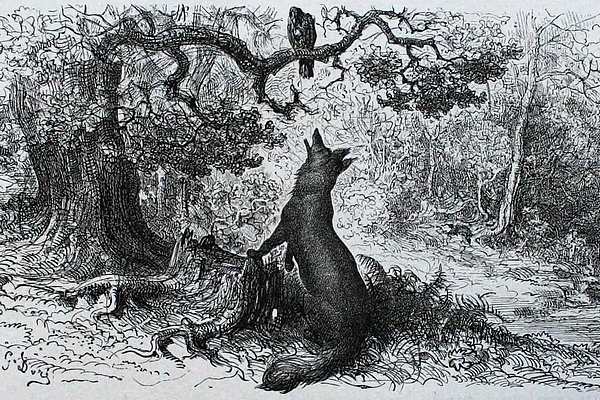
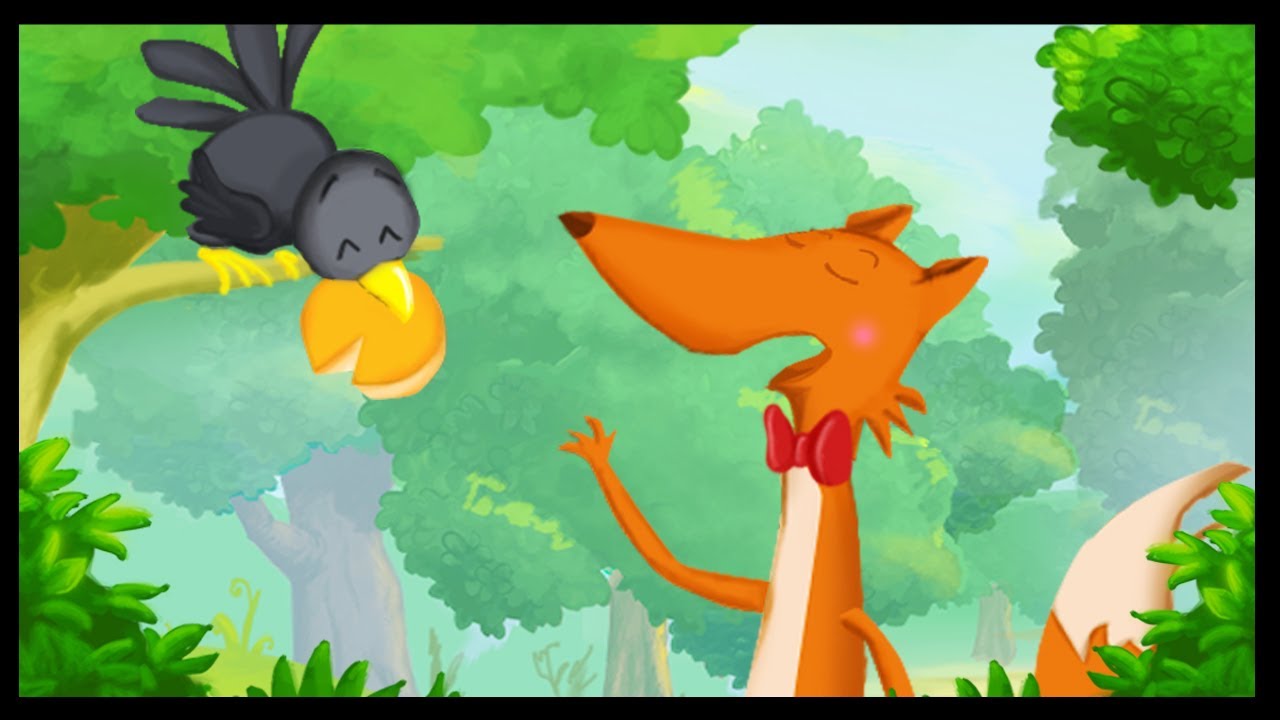
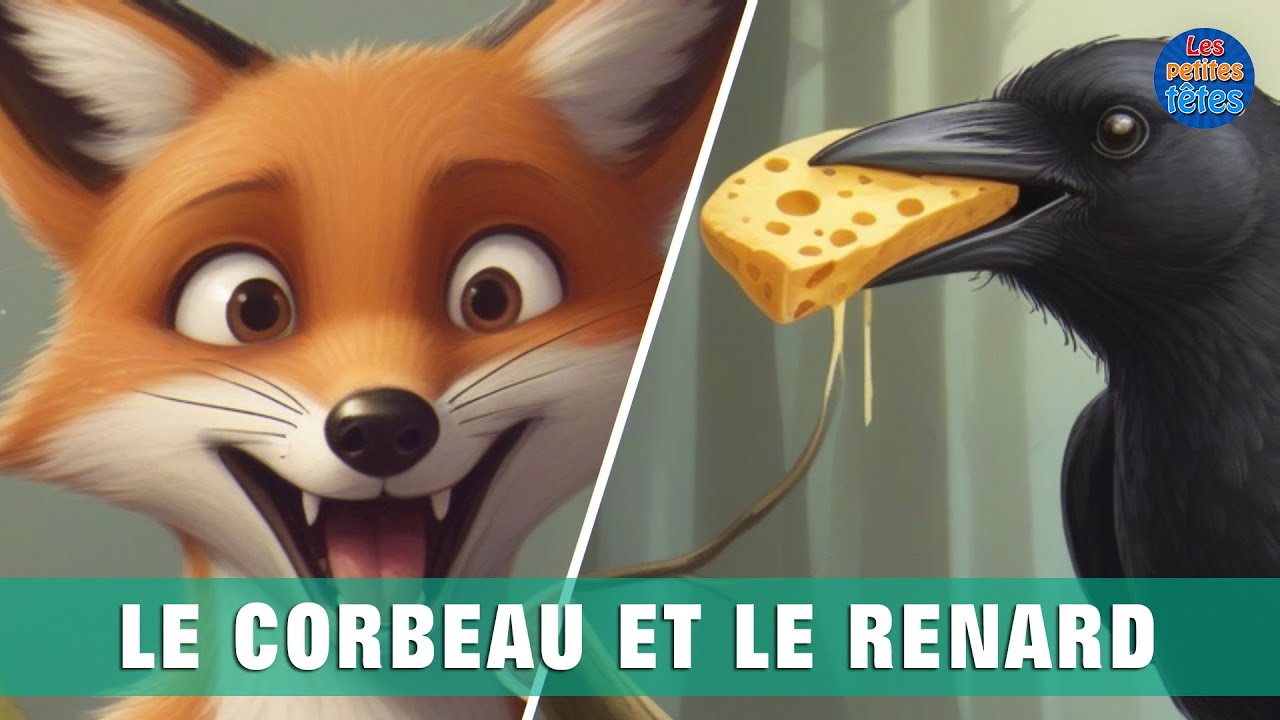
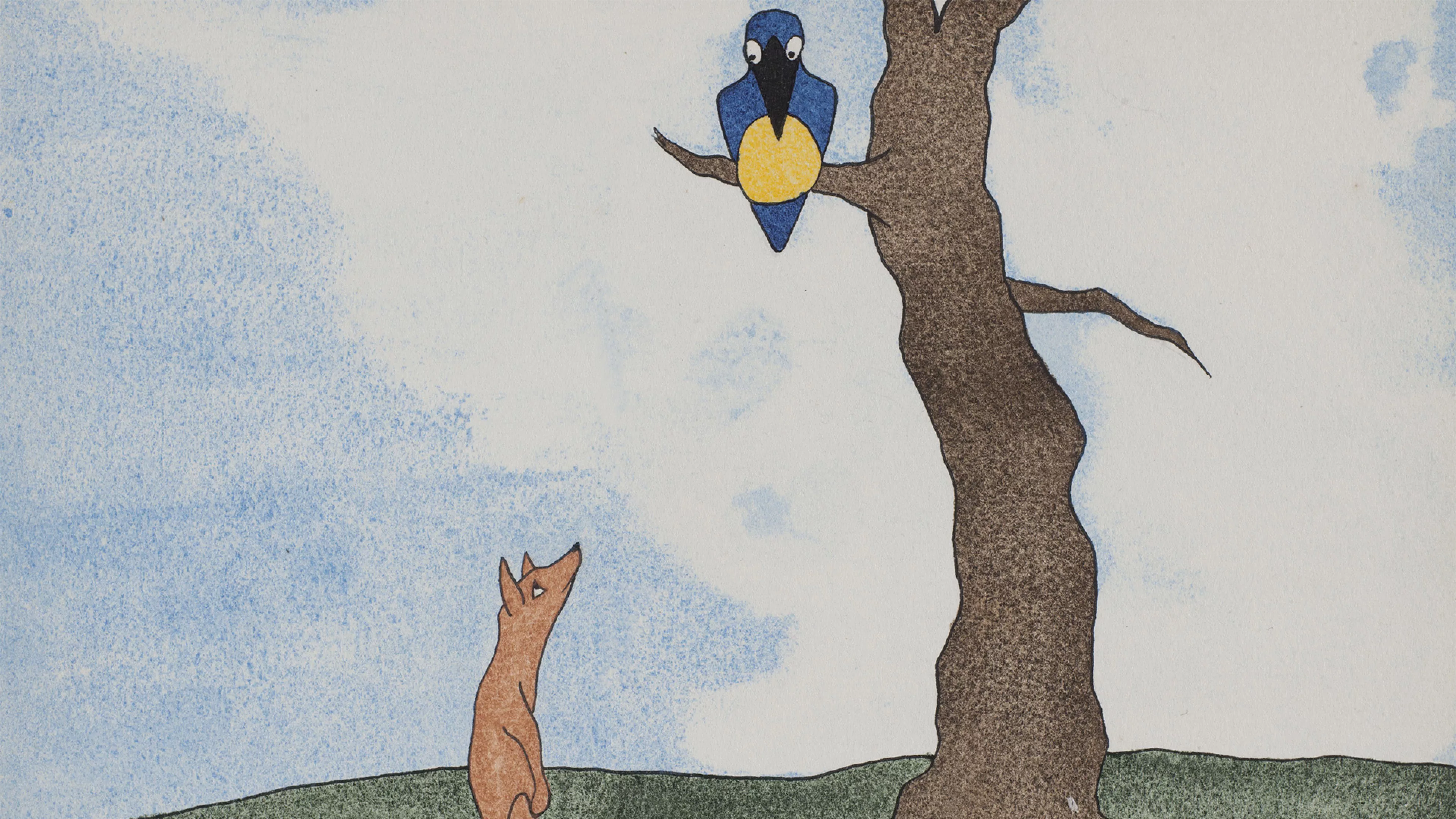
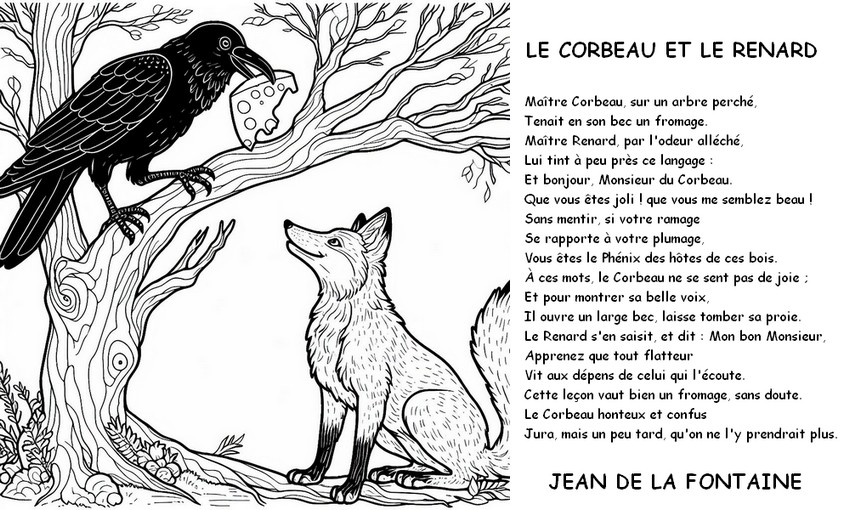
- Le Corbeau (The Crow): Perched on a tree branch, holding a delicious piece of cheese in its beak. Lucky crow!
- Le Renard (The Fox): Slyly approaching the tree, eyes gleaming with a cunning plan. (Cue dramatic music!)
Basically, the fox is hungry. And cheese is delicious. And the crow, well, the crow is about to be played.
The Fox's Flattery: A Masterclass in Manipulation
This is where the real magic happens. The fox doesn't just demand the cheese (that wouldn't be very La Fontaine-esque, would it?). Instead, he unleashes a torrent of compliments, the kind that would make even the most cynical soul blush. He praises the crow's beauty, its magnificent plumage, and then drops the bomb: he assumes (big assumption!) that the crow's voice must be equally stunning.
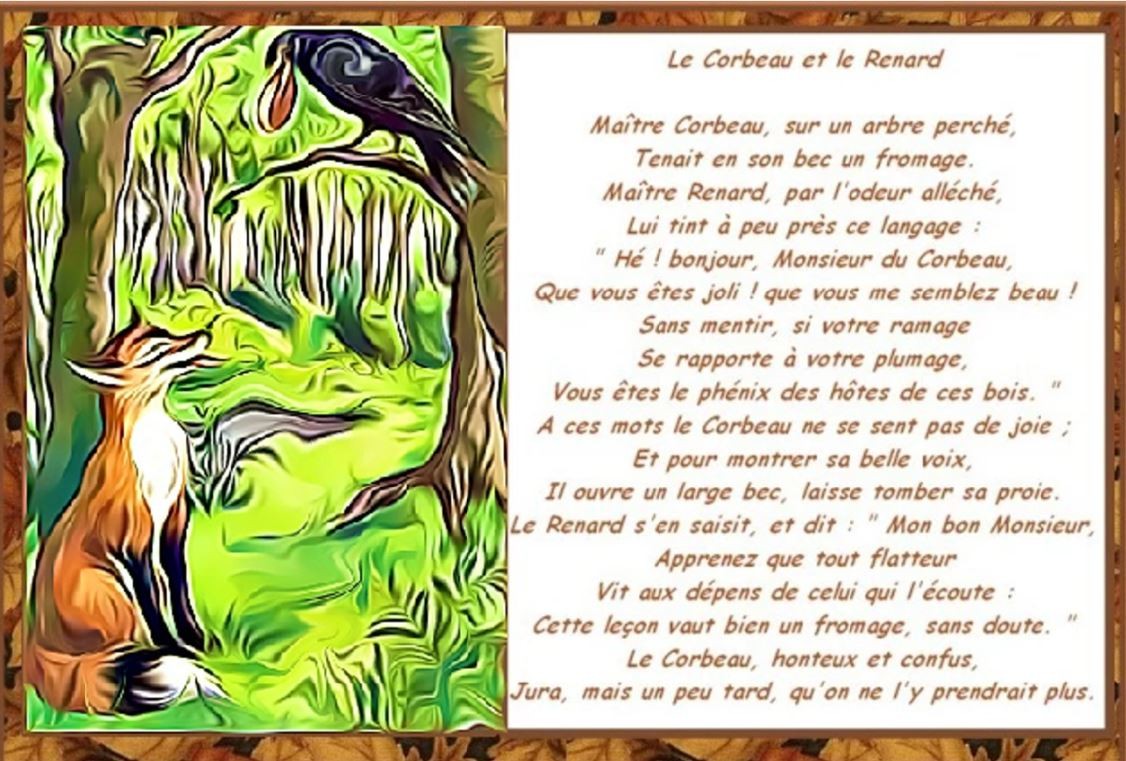
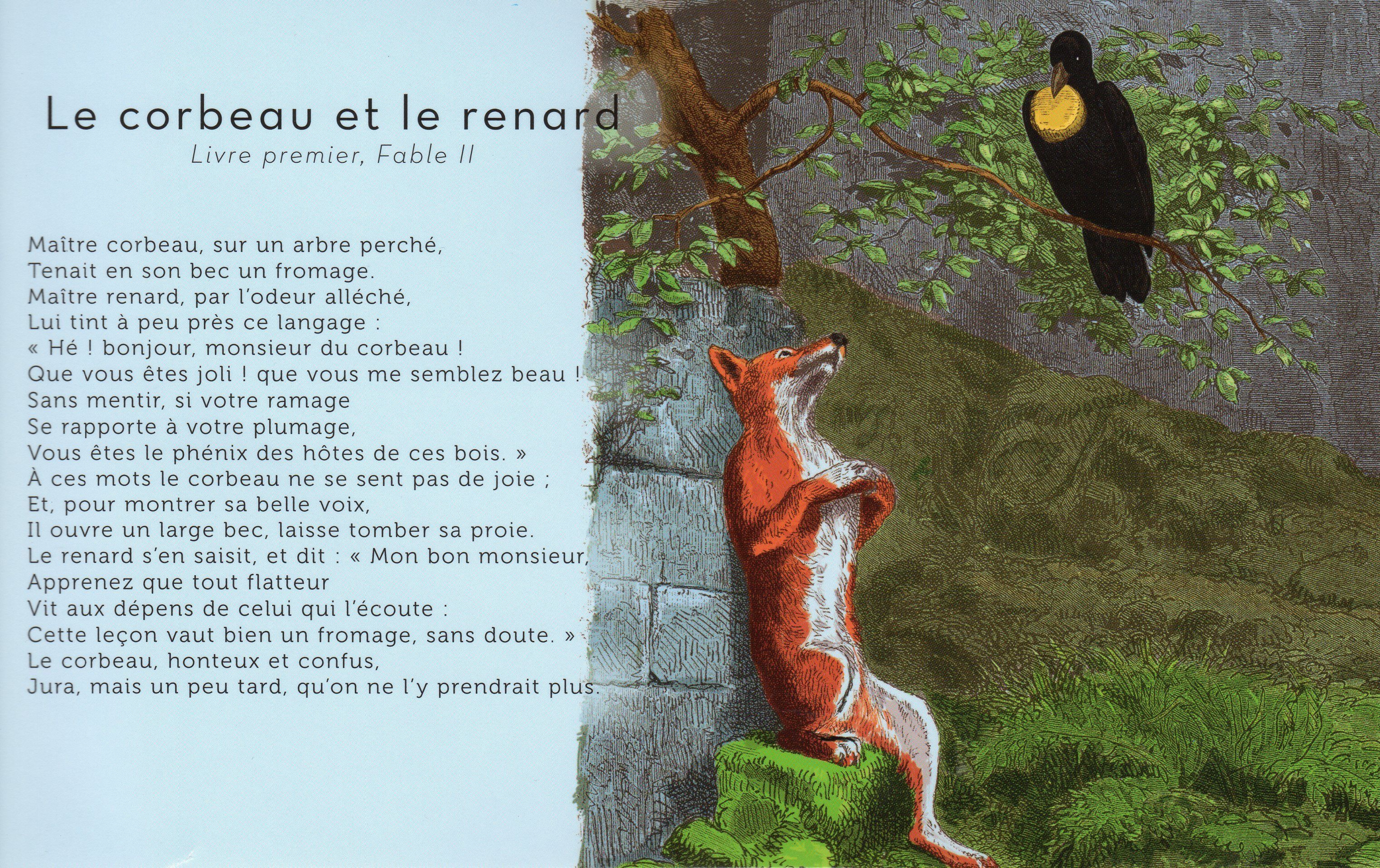
"Ah, Bonjour, Monsieur le Corbeau. Que vous êtes joli! que vous me semblez beau! Sans mentir, si votre ramage Se rapporte à votre plumage, Vous êtes le Phénix des hôtes de ces bois."
(Okay, my French might not be perfect, but the point is: he's calling the crow the "Phoenix of these woods"! Talk about laying it on thick!).
Think about that for a second. The fox is essentially saying, "Hey, you're gorgeous! I bet you're also an amazing singer!" It's a classic example of appealing to someone's vanity. He's preying on the crow's insecurities and desires. And it works!
(Have you ever fallen for a similar tactic? Be honest! We've all been there.)
The Crow's Downfall: The Price of Vanity
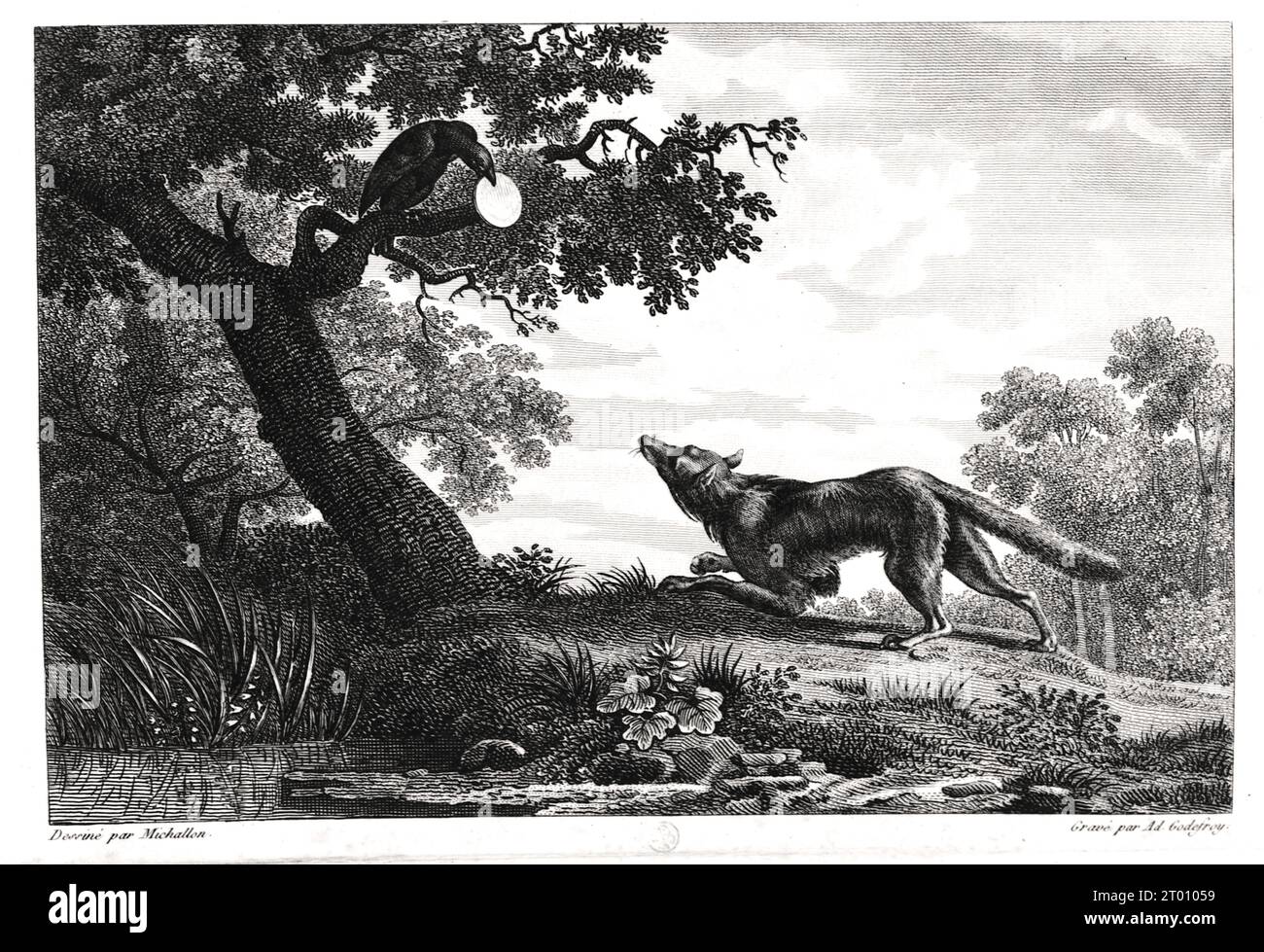
Here's the crucial part. The crow, completely blinded by the fox's flattery, decides to prove him right. It opens its beak to sing, unleashing a croak that, let's just say, probably wasn't as melodious as the fox had suggested (or pretended to suggest). Of course, as soon as the crow opens its beak, the cheese falls to the ground.
"À ces mots le corbeau ne se sent pas de joie; Et pour montrer sa belle voix, Il ouvre un large bec, laisse tomber sa proie."
The fox, naturally, snatches up the cheese and, with a triumphant smirk, delivers the moral of the story: essentially, "Flatterers live at the expense of those who listen to them." Ouch! Cold, but true.
(Imagine the crow's face at this point. Pure, unadulterated regret!)
So, What's the Point? (Beyond the Cheese, of Course)
La Fontaine's fables are timeless because they offer simple but profound lessons about human nature. "Le Corbeau et le Renard" teaches us several important things:
- Be wary of flattery: If someone is showering you with compliments that seem too good to be true, they probably are. Ask yourself what they might be trying to gain.
- Don't let vanity cloud your judgment: The crow wanted to believe the fox's lies, and that desire blinded him to the obvious truth – the fox just wanted his cheese!
- Actions speak louder than words: The fox's words were meaningless; his actions showed his true intentions.
- Think before you act (or sing!): A little bit of critical thinking could have saved the crow a lot of embarrassment (and a piece of cheese).
Think about it: How many times have you made a decision based on what someone said rather than what they did? How often have you been swayed by empty promises or flattering words? This fable is a reminder to be more discerning, more cautious, and more aware of the motivations of others.
La Fontaine's Enduring Legacy
What makes La Fontaine so brilliant is his ability to convey complex ideas through simple, relatable stories. He uses animals as stand-ins for human characters, allowing us to see our own flaws and foibles in a humorous and non-threatening way. "Le Corbeau et le Renard" is just one example of his genius. These fables have been taught in schools for centuries, shaping our understanding of morality, ethics, and human behavior. And they are still relevant today!
(Seriously, next time someone starts complimenting your "amazing organizational skills" right before asking you to cover their shift, remember the crow!)
A Modern Twist?
It's interesting to consider how this fable translates to the modern world. Social media, for example, is rife with opportunities for flattery and manipulation. Think about influencers who promote products based on superficial endorsements, or political campaigns that rely on emotional appeals rather than substantive arguments. The crow's desire for validation is amplified in the age of likes and followers.
Maybe a modern version of the fable would feature a crow with a massive social media following, tricked into promoting a dubious product by a slick marketing executive fox. The cheese, in this case, could be the crow's reputation or credibility.
(Just a thought! Feel free to steal my idea and write that modern adaptation yourself.)
Final Thoughts: Beyond the Moral, a Beautifully Crafted Tale
Ultimately, "Le Corbeau et le Renard" is more than just a cautionary tale. It's a beautifully crafted piece of literature, filled with wit, charm, and memorable characters. La Fontaine's language is elegant and playful, making the fable a joy to read (or hear). It's a testament to the power of storytelling and the enduring relevance of classic literature. And it's a reminder to always be a little bit skeptical, a little bit humble, and a little bit wary of foxes bearing compliments. Even if you think your baking skills are soufflé-worthy.
So, the next time you find yourself feeling particularly flattered, just remember the crow and his cheese. And maybe, just maybe, take that compliment with a grain of salt. (Or a pinch of flour, if you're baking a soufflé. But probably not too much sugar.)