Okay, imagine this: you're 10 years old, sitting in French class, and Madame Dubois, bless her heart, is droning on about... something. Probably grammar. Probably something that feels incredibly, profoundly, useless. You're staring out the window, dreaming of recess and the glorious freedom of the monkey bars, when suddenly, you hear the dreaded words: "L'expansion du nom." Cue the internal screaming. Anyone else remember that feeling?
Well, guess what? We're revisiting it. Not because I'm sadistic (okay, maybe a little), but because understanding l'expansion du nom is actually super helpful for, you know, speaking and writing French well. And trust me, it's not as scary as Madame Dubois made it out to be.
Think of it like this: a noun is like the core of a delicious apple. But an apple on its own is... fine. Add some caramel, a sprinkle of cinnamon, maybe bake it into a pie? Suddenly, you've got something amazing. L'expansion du nom is basically all the delicious extras we add to a noun to make it more interesting, specific, and informative. It's the caramel, the cinnamon, the flaky crust of the apple pie of French grammar!
What Exactly Is L'Expansion du Nom?
Simply put, l'expansion du nom refers to all the words and phrases that can be added to a noun to provide more information about it. It's all about making the noun more precise. It's about answering questions like: Which one? What kind? How many? Where from? All that jazz.
It's not just about making sentences longer, though that's often a side effect. It's about making them clearer. Think of it as adding details to a painting. A simple sketch is nice, but adding color and shading brings it to life.
The Main Types of Expansions
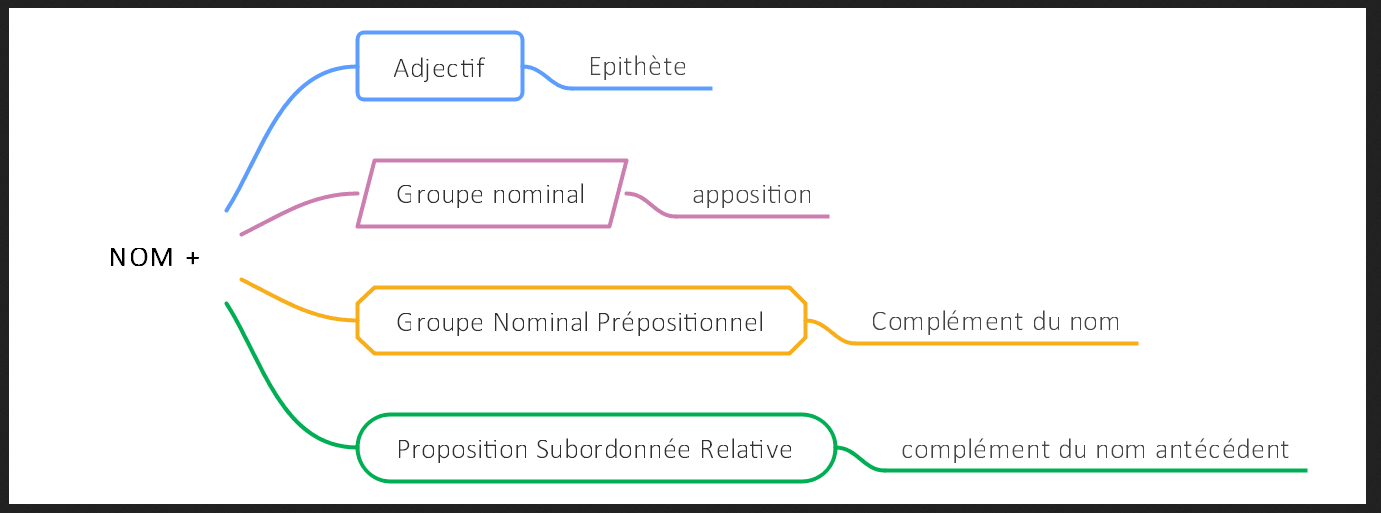
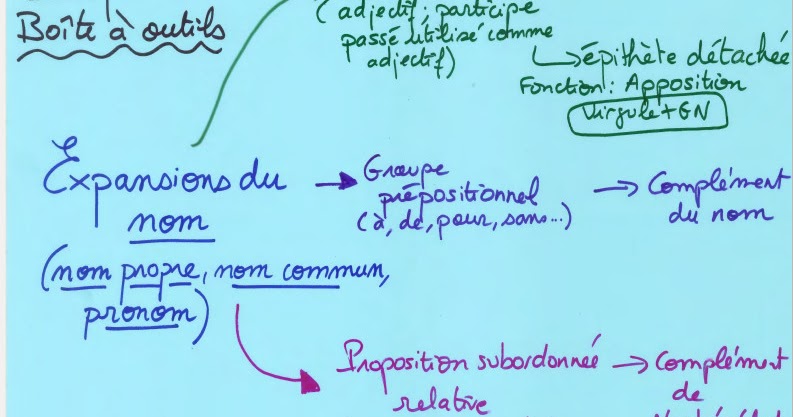
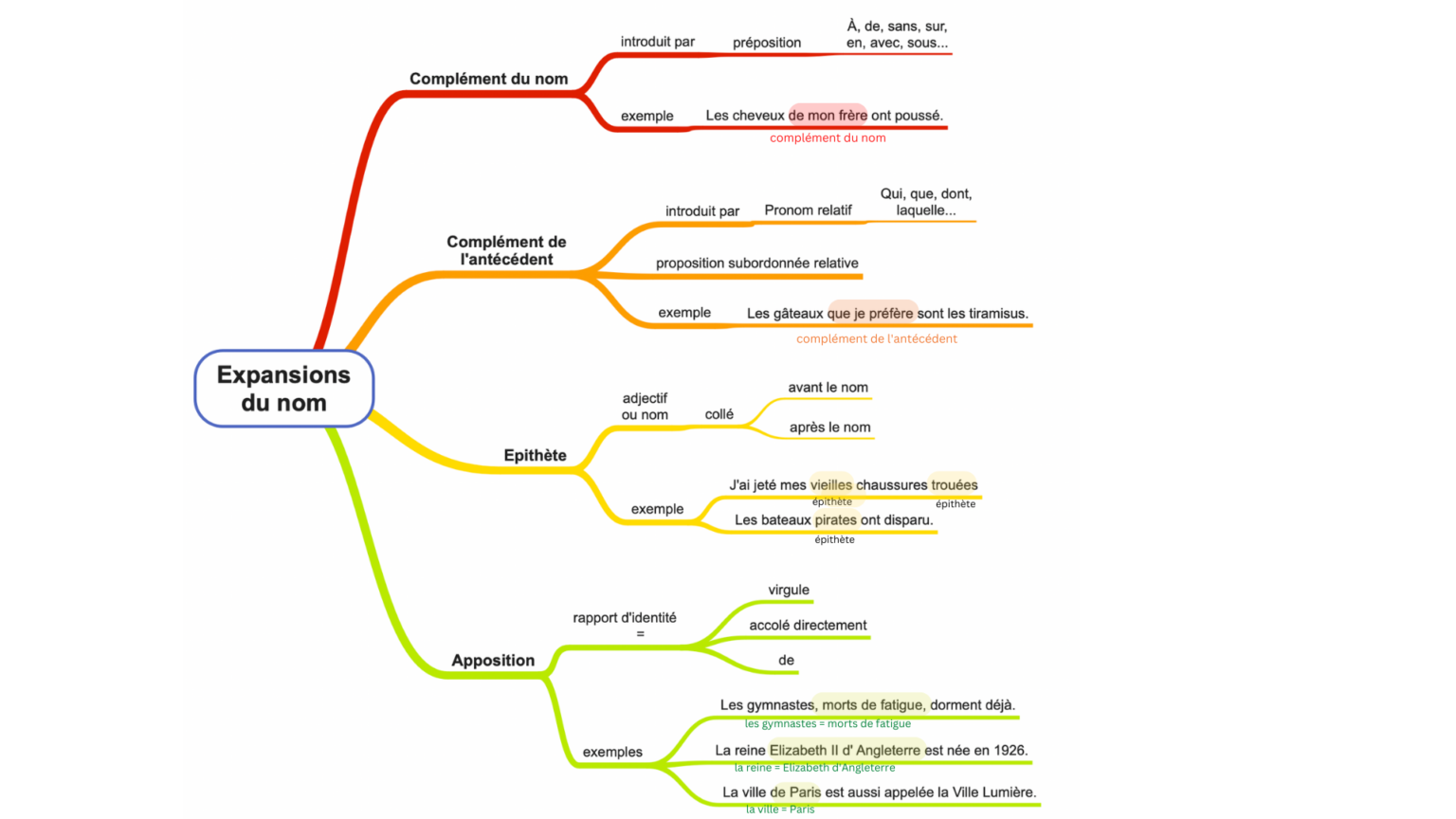
Okay, let's break down the different ways we can expand a noun. There are a few main players in this game:
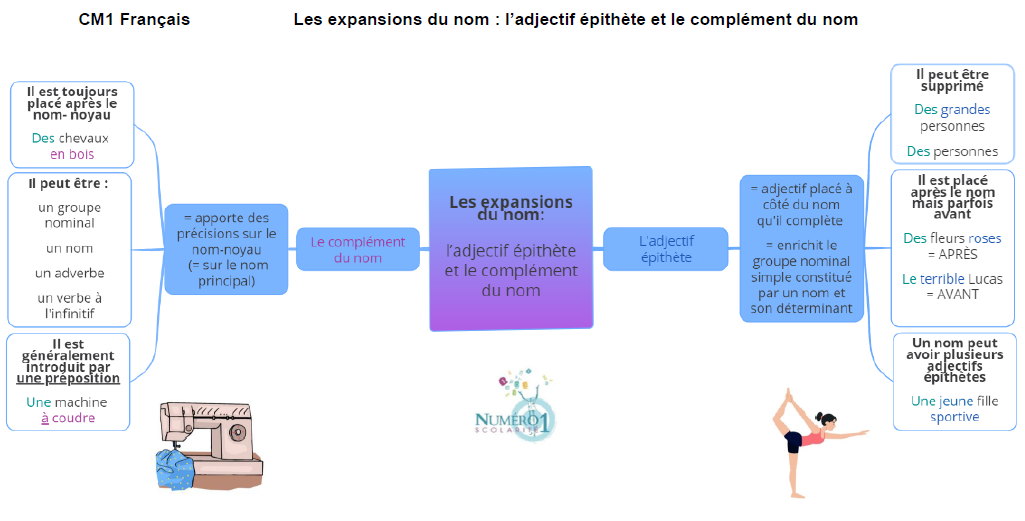
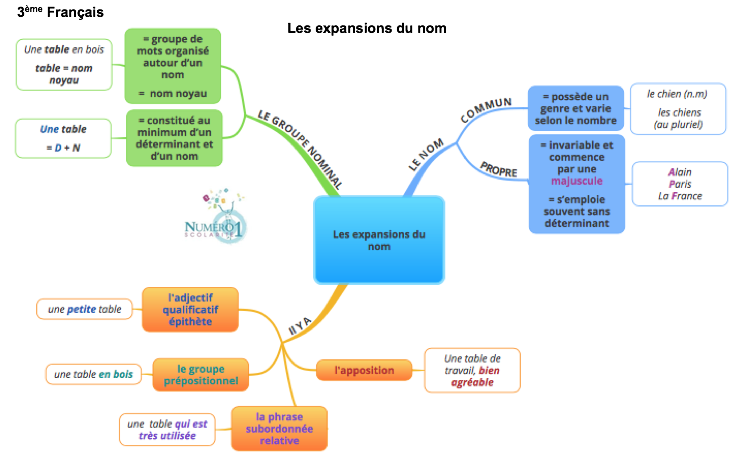
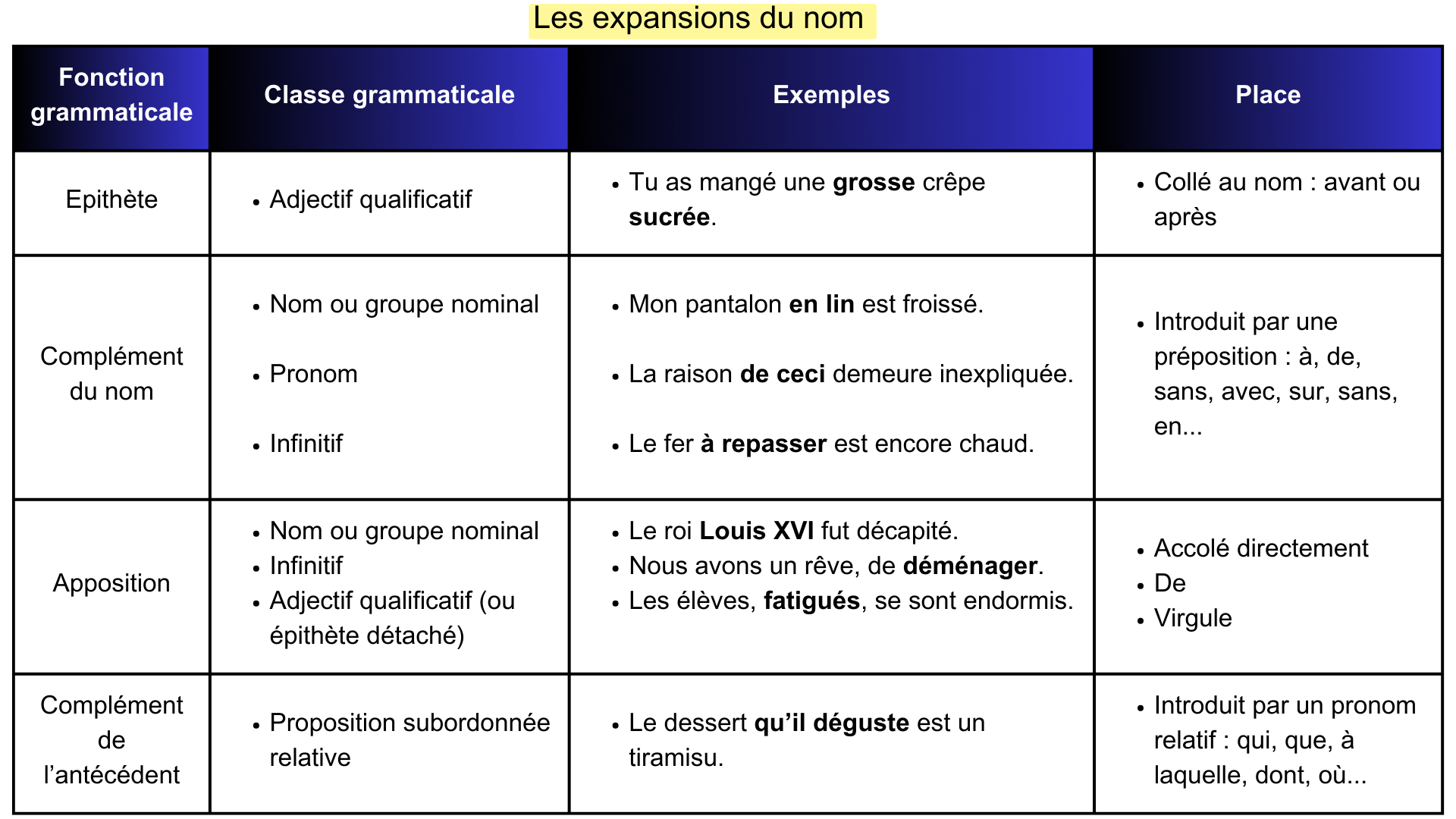
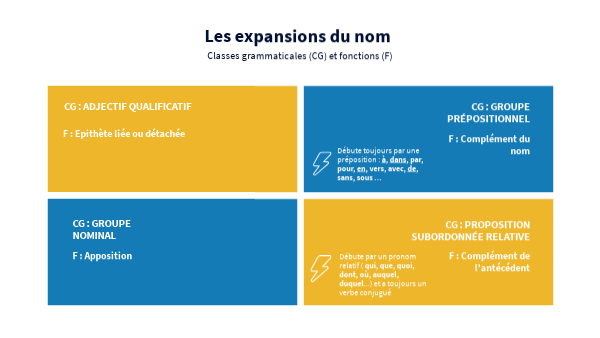
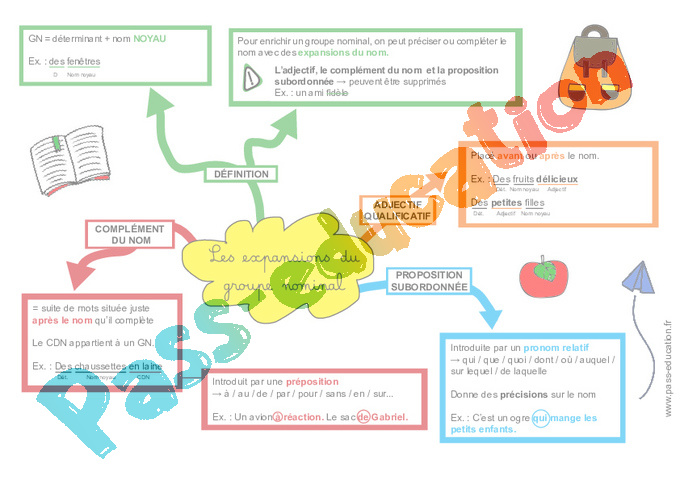
- Adjectives: These are probably the most familiar. They describe the noun, telling us what it's like. La belle fleur (the beautiful flower). Le grand arbre (the tall tree). They're like the adjectives you already know and (hopefully) love. Remember, adjectives agree in gender and number with the noun they modify! (Madame Dubois is smiling somewhere, I just know it).
- Les Compléments du Nom (Noun Complements): This is where things get a little more interesting. These are phrases, usually introduced by a preposition (de, à, pour, en, etc.), that add essential information to the noun. Think of them as specifying which "kind" of the noun we're talking about. Le livre de français (the French book – not just any book, but the French one). Une tasse à café (a coffee cup – a cup for coffee).
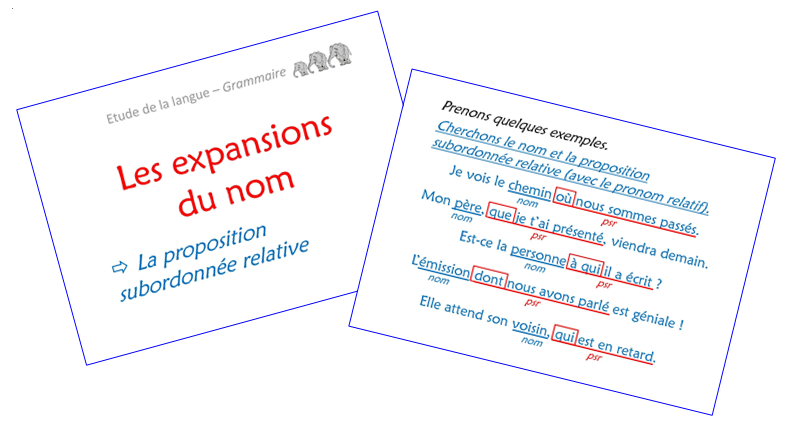
- Les Propositions Subordonnées Relatives (Relative Clauses): Buckle up, because we're diving into slightly more complex territory. These are clauses that provide additional information about the noun. They're introduced by relative pronouns like qui, que, dont, où. L'homme qui parle français (the man who speaks French). La maison que j'ai achetée (the house that I bought). These clauses add a whole extra layer of detail.
- L'apposition (Apposition): This is basically another noun or noun phrase that renames or describes the first noun. It's usually set off by commas. Paris, la capitale de la France, est magnifique. (Paris, the capital of France, is magnificent.) Think of it as providing a handy clarification.
Let's Look at Some Examples
Alright, enough theory. Let's see these expansions in action. Here are some examples, broken down to show you how they work:
- The simple noun: Le chat. (The cat.)
- With an adjective: Le gros chat. (The fat cat.) We've added an adjective to describe the cat.
- With a complément du nom: Le chat du voisin. (The neighbor's cat.) Now we know whose cat it is.
- With a relative clause: Le chat qui dort sur le canapé. (The cat that is sleeping on the sofa.) We've identified a specific cat by describing its current activity.
- With an apposition: Mon chat, un véritable paresseux, dort toute la journée. (My cat, a true lazybones, sleeps all day.) We've added a descriptive noun phrase, set off by commas.
See? It's not so bad! It's all about adding layers of information to make your sentences richer and more meaningful.
Why Bother? The Importance of L'Expansion du Nom
Okay, you might be thinking, "This is all well and good, but why should I care?" Good question! Here's why:
- Clarity: As we've already discussed, l'expansion du nom helps you be more specific and avoid ambiguity. Instead of saying "the book," you can say "the red book on the table" or "the book about French history."
- Precision: It allows you to express your thoughts and ideas more accurately. You can convey nuances and details that would otherwise be lost.
- Fluency: Mastering l'expansion du nom will make your French sound more natural and sophisticated. You'll be able to express yourself with greater confidence and ease.
- Understanding: Recognizing and understanding l'expansion du nom will improve your reading comprehension. You'll be able to follow complex sentences and understand the author's intended meaning.
In short, l'expansion du nom is a fundamental building block of the French language. Mastering it will significantly improve your ability to communicate effectively in French.

Tips for Mastering L'Expansion du Nom
So, how do you become a master of l'expansion du nom? Here are a few tips:
- Practice, practice, practice! The more you use these concepts, the more natural they will become. Try writing your own sentences and paragraphs, focusing on incorporating different types of expansions.
- Read widely. Pay attention to how native speakers use l'expansion du nom in their writing. Notice the different types of expansions they use and how they structure their sentences.
- Listen carefully. Listen to French speakers in conversations, movies, and podcasts. Notice how they use l'expansion du nom in spoken language.
- Don't be afraid to experiment. Try out different types of expansions and see what works best for you. There's no one "right" way to do it.
- Don't give up! It takes time and effort to master any language concept. Be patient with yourself and keep practicing.
And finally, remember that learning French (or any language) is a journey. It's not about perfection, it's about progress. Embrace the challenges, celebrate your successes, and most importantly, have fun! And maybe, just maybe, l'expansion du nom won't seem so scary after all.
So, next time you’re writing or speaking French, remember that delicious apple pie. Add some caramel (an adjective!), sprinkle some cinnamon (a complément du nom!), and bake it to perfection (a relative clause!). Your French will be all the richer for it. Trust me!




![[Cartes mentales] Les expansions du nom | Carte mentale, Exercices](https://i.pinimg.com/736x/e9/c1/01/e9c101927e8736c90850cca44fecd657.jpg)