Okay, picture this: I'm rummaging through my grandma's attic, you know, the usual dusty treasures and mothball scented memories. And tucked away in a crumbling cardboard box, what do I find? A yellowed, dog-eared copy of... "Poésies Complètes" by Arthur Rimbaud. "Ooh la la!" I thought. "Time to dust off my rusty French and pretend I'm cultured." It's been sitting on my shelf ever since, a silent judge of my questionable life choices. But hey, at least it inspired this blog post!
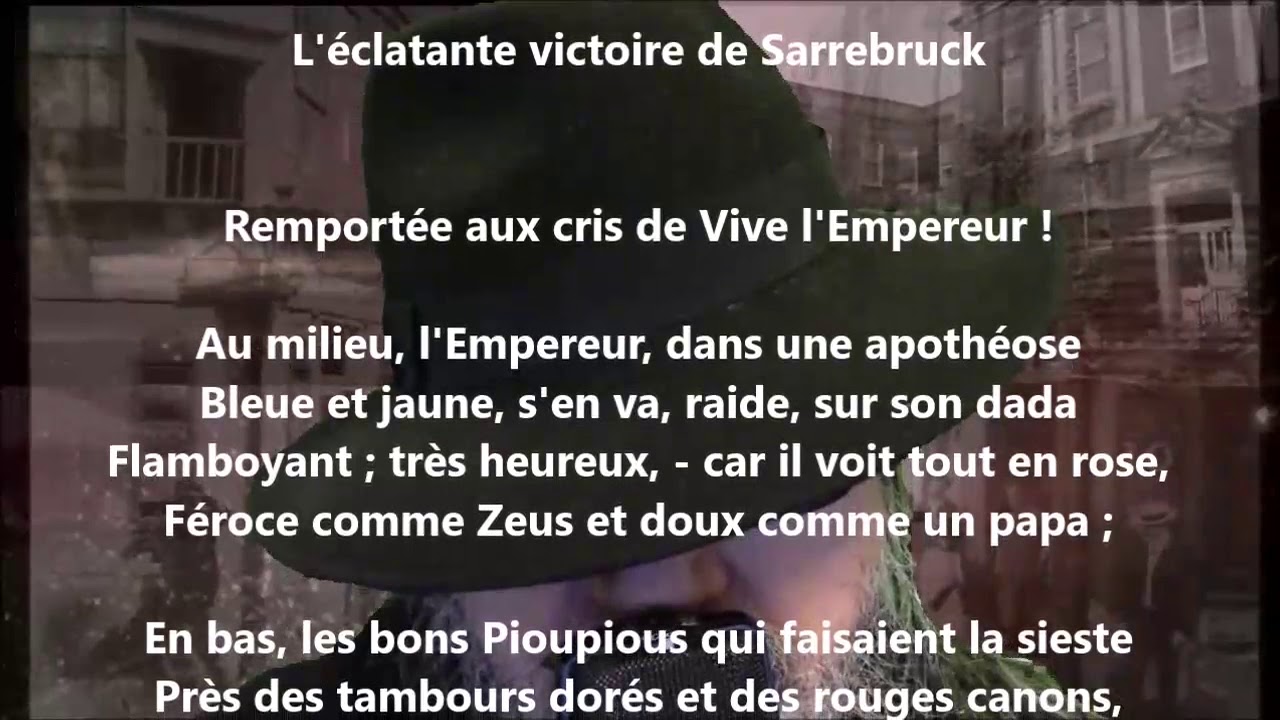
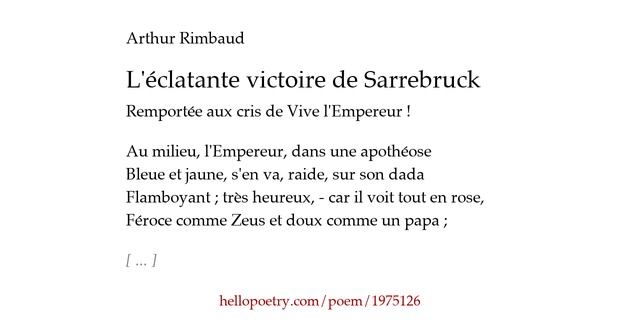
Because, let's be honest, Rimbaud is a legend. A poet who wrote like a freaking supernova before disappearing into the deserts of Africa to become a coffee merchant. (Talk about a career change! Did he even like coffee?). And while everyone knows "Le Bateau Ivre" (The Drunken Boat), have you ever stopped to think about his other, slightly less celebrated works? Like, say, "L'éclatante Victoire De Sarrebruck"?
So, What's This "Éclatante Victoire" All About?
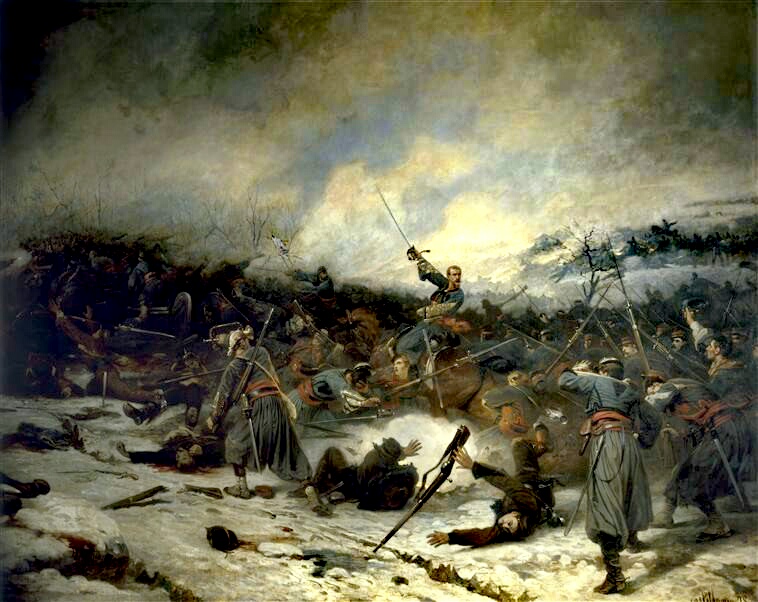
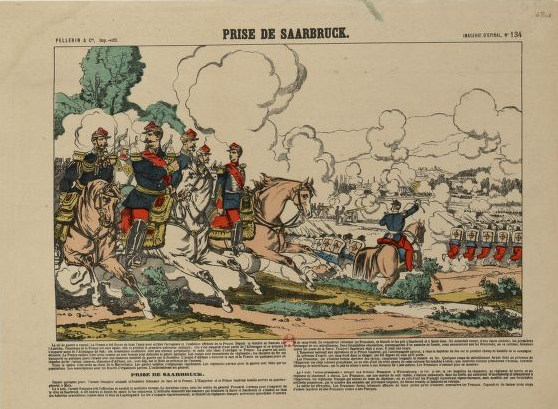
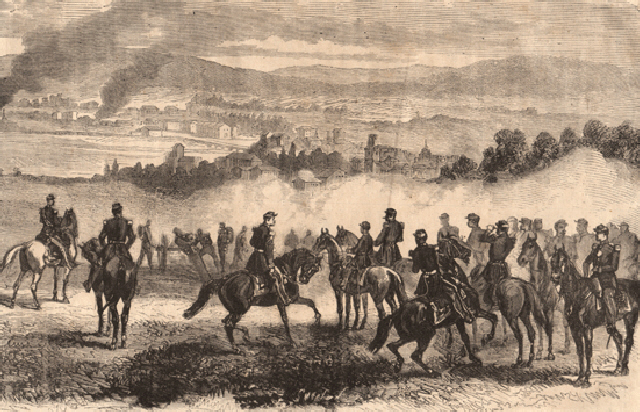
Right, let's break it down. "L'éclatante Victoire De Sarrebruck" translates to "The Brilliant Victory of Saarbrücken." Now, for those of you (like me, before I did a little Googling) who aren't military history buffs, the Battle of Saarbrücken was an early skirmish in the Franco-Prussian War of 1870. Basically, France and Prussia (modern-day Germany) had a little disagreement involving national pride, territory, and who had the bigger army.
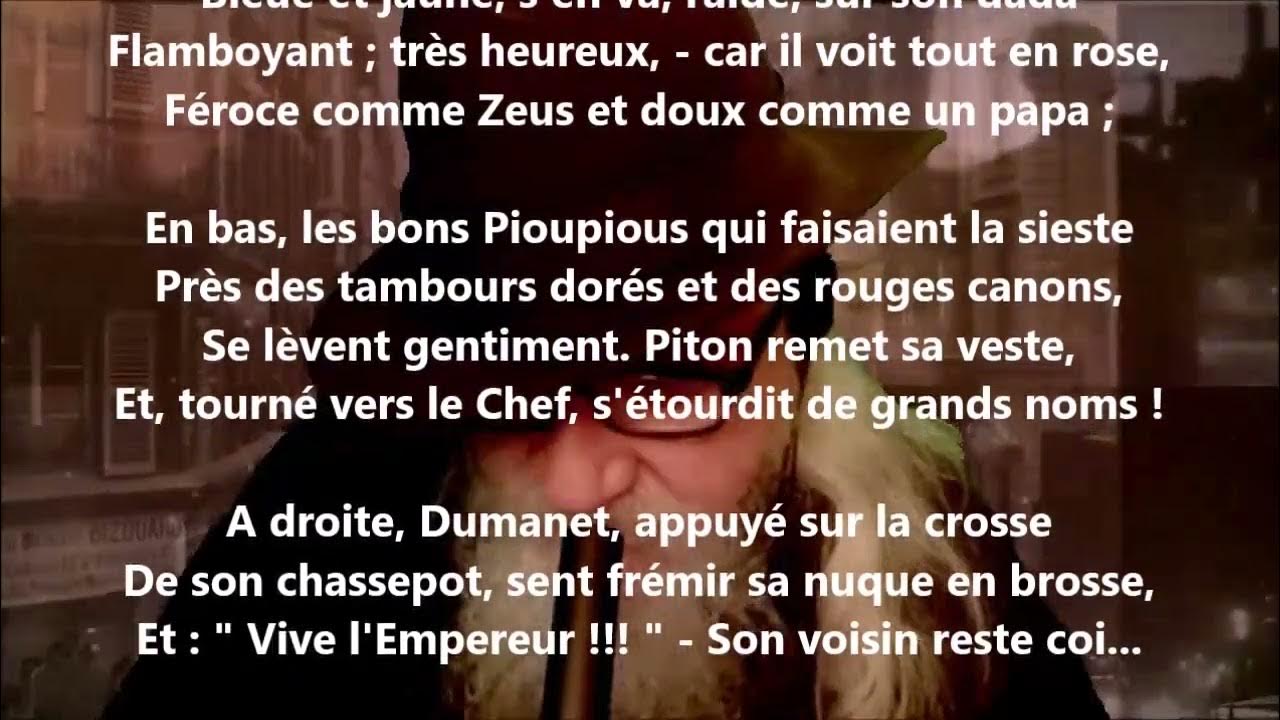
The poem itself is... well, it's a bit weird. It's not a straightforward patriotic ode to French military prowess. In fact, it's dripping with irony and a healthy dose of cynicism. Think of it as Rimbaud’s take on "war is hell," but with added 19th-century French flair. You know, existential dread wrapped in beautiful language.
The Irony is Strong With This One
The poem's title is the first clue that something's amiss. "Brilliant Victory"? The battle was hardly a resounding success. The French did manage to occupy Saarbrücken for a few days, but they were quickly driven out. Calling it a "brilliant victory" is like calling a paper cut a "near-death experience." It's a huge overstatement designed to highlight the absurdity of war.
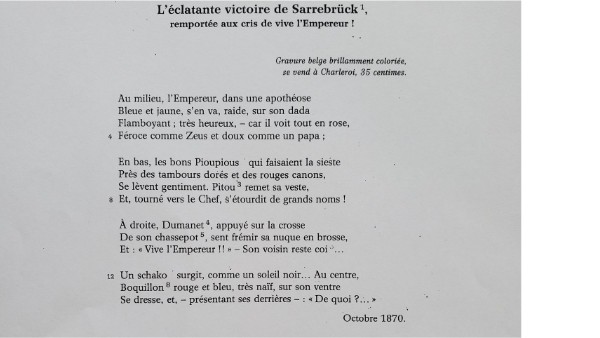
Think about it: The poem talks about the fanfare, the noise, the "glory" of battle, but it's all presented in a way that emphasizes the emptiness and futility of it all. It's like Rimbaud's saying, "Look at these guys, all puffed up with pride, killing each other over… what, exactly?" He's questioning the whole idea of nationalistic fervor and the glorification of violence. Pretty heavy stuff for a teenage poet, right? (Seriously, Rimbaud was only 15 when he wrote this! What were you doing at 15? I was probably trying to figure out how to get my Tamagotchi to stop dying...)
Here are some key elements that show the poem’s ironic tone:

- Exaggerated Language: Rimbaud uses grandiose language to describe what was, in reality, a relatively minor battle. This creates a sense of disconnect between the words and the reality.
- Juxtaposition: He contrasts the idealized image of war with the harsh realities of death and destruction. This highlights the absurdity of glorifying violence.
- Sarcasm: There are moments where Rimbaud’s voice drips with sarcasm, making it clear that he doesn’t buy into the patriotic hype.
So, What Was Rimbaud Trying to Say?
That's the million-dollar question, isn't it? With Rimbaud, there's always more than meets the eye. "L'éclatante Victoire De Sarrebruck" can be interpreted in several ways:
- Anti-War Statement: This is the most obvious interpretation. The poem is a critique of war's senselessness and the destructive power of nationalism. Rimbaud is basically saying, "This whole war thing is stupid, and you're all being played."
- Critique of French Society: Rimbaud was known for his rebellious spirit and his disdain for bourgeois values. The poem can be seen as an attack on the French establishment and its blind patriotism. He's calling out the hypocrisy of a society that glorifies war while ignoring the suffering it causes.
- Expression of Personal Disillusionment: Rimbaud was a young man living in a turbulent time. The poem may reflect his own feelings of disillusionment with the world around him. Maybe he was just a moody teenager who needed a creative outlet for his angst. (Okay, maybe more than just angst... pure poetic genius mixed with youthful rebellion!).
Personally, I think it's a combination of all three. Rimbaud was a complex individual, and his poetry reflects that complexity. He wasn't afraid to challenge the status quo, and he used his words as weapons against what he saw as the injustices of the world.
Why Should You Care About a 150-Year-Old Poem?
Good question! Why should you care about a poem written by a long-dead French guy about a battle that happened a century and a half ago? Well, because Rimbaud's message is still relevant today. War is still a reality, nationalism is still a powerful force, and the glorification of violence is still a problem.
Rimbaud's poem reminds us to question the narratives we're told, to think critically about the world around us, and to resist the temptation to blindly follow the crowd. It's a call for individuality, for independent thought, and for a healthy dose of skepticism. Plus, it's just a really cool poem. I mean, the language is beautiful, the imagery is striking, and the message is powerful.

And, let's be real, knowing a little bit about Rimbaud makes you sound super smart at parties. "Oh, you like poetry? Have you read 'L'éclatante Victoire De Sarrebruck'? It's a scathing critique of 19th-century French nationalism..." Trust me, you'll be the most interesting person in the room. (Or, at least, the most pretentious. But hey, who's judging?).
Final Thoughts
So, the next time you're feeling a little jaded about the world, or you're looking for a poem that challenges your assumptions, give "L'éclatante Victoire De Sarrebruck" a read. You might just find that it resonates with you in a way you never expected. And who knows, you might even be inspired to write your own anti-war poem. Or, at the very least, you'll have something to talk about at your next cocktail party.
Rimbaud, the teen prodigy who wrote searing poetry then peace'd out to sell coffee? A true original. We salute you (and your caffeine-fueled existentialism!).