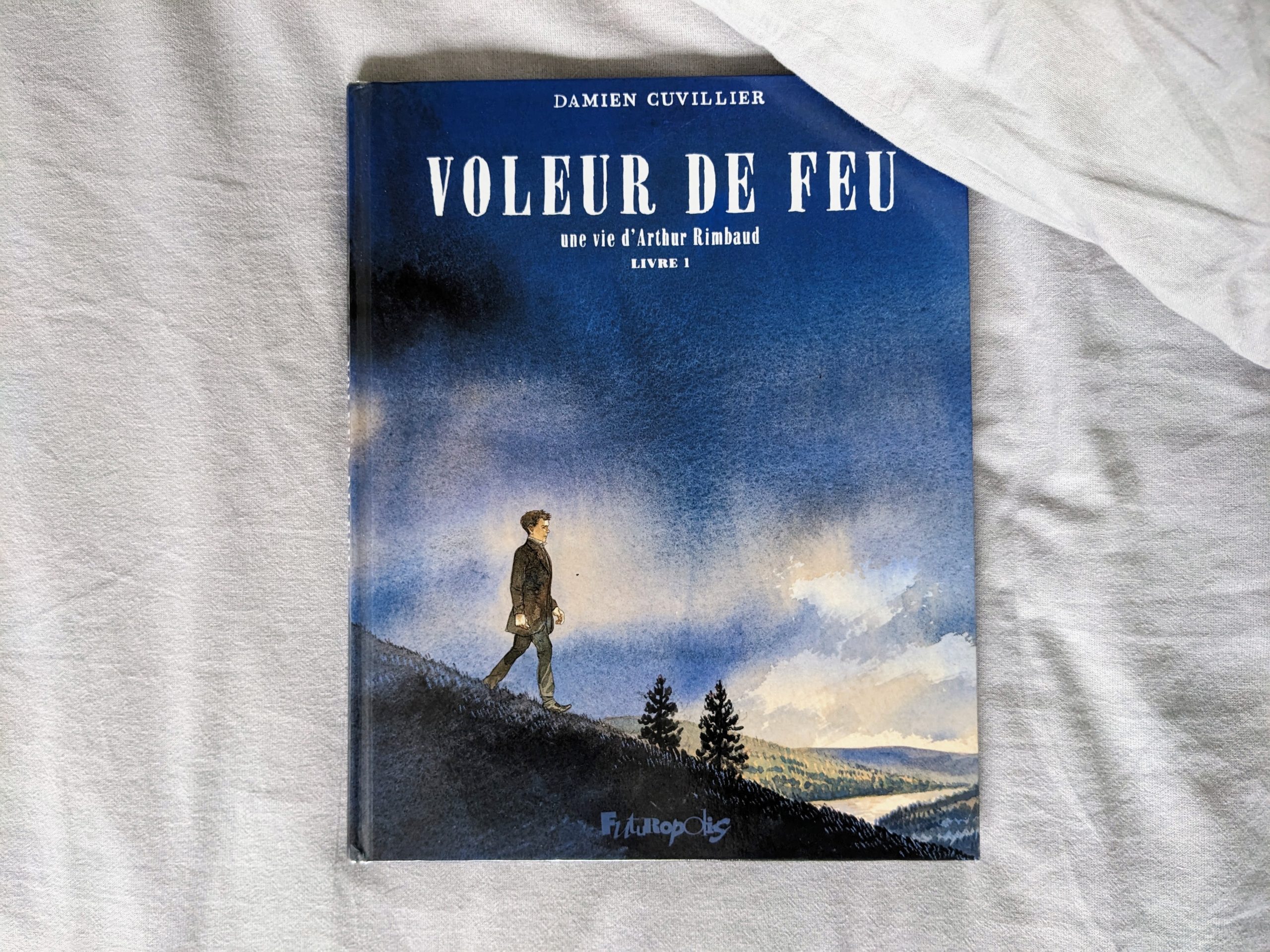
Ah, Rimbaud! Just the name conjures images, doesn't it? Sitting here, with this café crème, let's chat about him. Le Voleur de Feu - the fire-stealer. It’s a perfect nickname, don't you think?
He was a comet, a shooting star. He burned so brightly, so briefly. Born in Charleville in 1854, a small town in the Ardennes... can you imagine being Rimbaud stuck there? It must have felt like a cage.
Early Sparks: Rebellion and Poetry
Even as a kid, Arthur was different. An intellectual prodigy, yes. But more than that, he was… restless. Yearning for something beyond the ordinary. He devoured books, languages – anything he could get his hands on.
School was a struggle. Not academically, mind you. He excelled! But he chafed under the rules, the constraints. He craved freedom. And this hunger poured into his poetry.
Think about it. A teenager, writing poems that shook the foundations of French literature. Unbelievable, right?
The Break: Paris and Verlaine
At 16, he ran away to Paris. The big city. A place buzzing with art and ideas. It was there he met Paul Verlaine. Verlaine, a celebrated poet himself, was captivated by Rimbaud's raw talent.
Their relationship? Complicated. Passionate. Tumultuous. It's hard to imagine them together, wasn't it? Two brilliant, volatile souls colliding. Their bond was intense, both creatively and personally.

Verlaine became a mentor, a lover, a collaborator. He helped Rimbaud navigate the Parisian literary scene. But their relationship was also marked by drama, fueled by alcohol and conflicting personalities.
Scandals, arguments, break-ups.... It reads like something out of a novel. Eventually, it ended tragically with Verlaine shooting Rimbaud.
Stealing Fire: A Poetic Revolution
But before all that, the poetry! Rimbaud wasn't just writing verse; he was dismantling it. He was reinventing language. He wanted to capture the raw, unfiltered experience of life.
He believed the poet should be a "voyant" – a seer. Someone who could access hidden truths, penetrate the veil of reality. But how to do that?

Through a deliberate derangement of the senses! He advocated for experimenting with drugs, alcohol, any means necessary to break down the barriers of perception. A dangerous path, wouldn't you say?
His poems reflected this quest. They were vibrant, surreal, often difficult to understand. "Le Bateau Ivre" (The Drunken Boat), "Une Saison en Enfer" (A Season in Hell)... titles that hint at the intensity of his vision.
Think of "Voyelles". Associating colors with vowels! It's synesthesia, a blending of senses. A daring experiment with language itself. He was trying to unlock the secrets of the universe through words.
Was he successful? That's a question for debate. But he certainly left a mark. He challenged the very definition of poetry. And that's why he's considered a revolutionary.
Abandoning Art: The Wanderer
But here's the surprising part. At the age of 21, he stopped writing poetry. Just like that. He walked away from it all. Can you imagine? After changing the literary landscape, he simply... quit.

Why? No one knows for sure. Maybe he felt he had exhausted his creative energy. Maybe he was disillusioned with the literary world. Or maybe he simply wanted something different.
He became a trader, an explorer, a gunrunner. He traveled to exotic lands – Cyprus, Egypt, Ethiopia. He traded in coffee, hides, and even, reportedly, weapons. A far cry from the bohemian poet in Paris, wouldn't you agree?
He was searching, it seemed, for something else. A different kind of adventure. A different kind of truth. He wanted the real thing, not the filtered reflection found in poetry.
He even sent back detailed reports about the regions where he was. He was always a very observant person.

A Tragic End: The Legacy
His adventures were cut short. He developed a tumor in his knee. Forced to return to France, his leg was amputated. He died a few months later, in 1891, at the age of 37. So young.
A tragic end for a man who burned so brightly. But even in his short life, he achieved so much. He left behind a body of work that continues to inspire and challenge readers today.
Rimbaud, le voleur de feu. He stole fire from the gods, the fire of inspiration, the fire of rebellion. And he shared it with the world. His legacy endures. His poems still ignite our imaginations.
So, next time you're feeling restless, remember Rimbaud. Remember his courage, his passion, his unwavering pursuit of truth. And maybe, just maybe, you'll find a little bit of that fire within yourself. A fire to create, to explore, to live life to the fullest. Just like he did.
Now, shall we have another café crème?


![[RARE] Arthur RIMBAUD – Le voleur de feu (DOCUMENTAIRE, 1977) | Poetry](https://i.pinimg.com/originals/57/82/d4/5782d4dd923146fb680ad551247140d1.jpg)