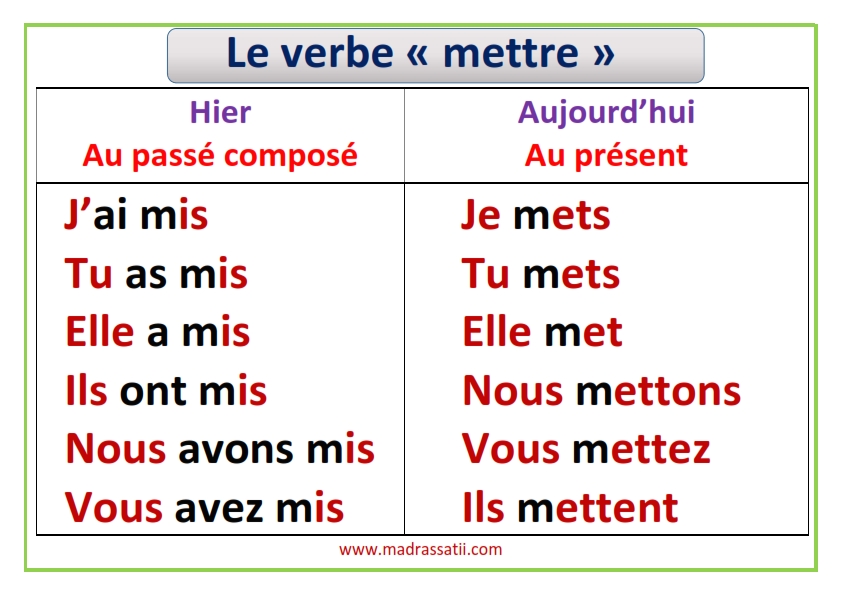
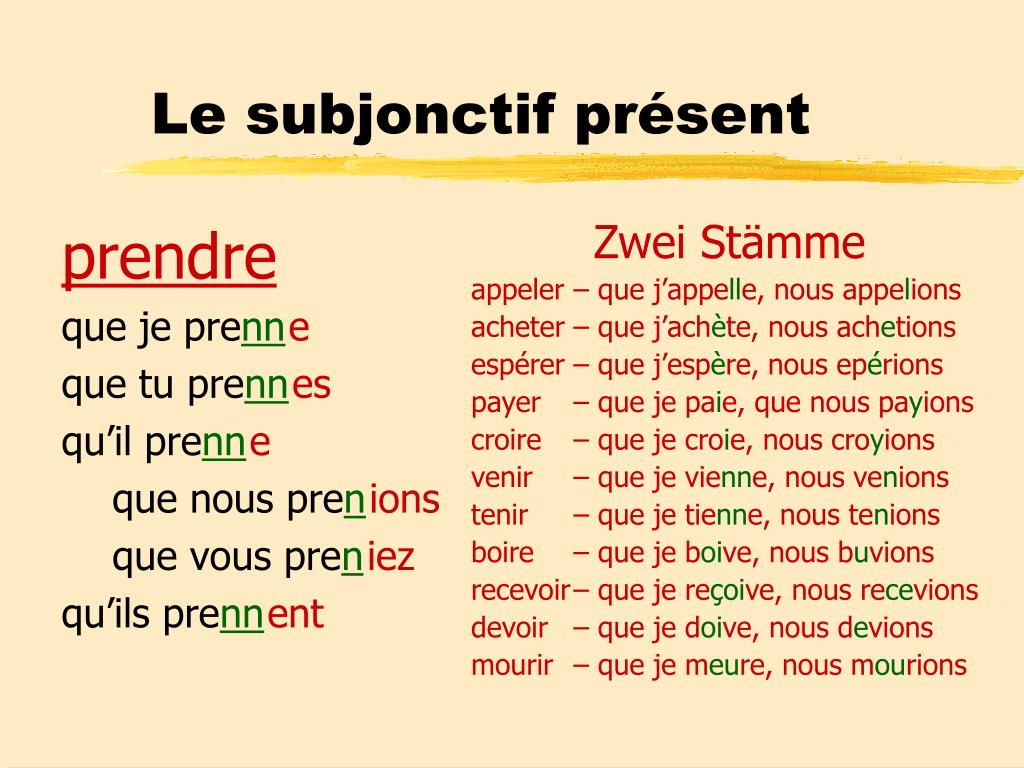
Okay, imagine this. I'm at a French market, trying to buy some magnifique camembert. I confidently ask the vendor, "Vous voulez que je mette combien?" (How much do you want me to put?). The vendor looks at me with the kind of pity reserved for lost tourists and gently corrects, "Vous voulez que je mette...oh là là! C'est 'Vous voulez que je mette'..." (You want me to put… oh dear! It's 'Vous voulez que je put'). Mortified, I paid for my cheese, silently vowing to finally conquer the bane of my existence: the subjunctive in French.
We've all been there, right? That moment when you’re speaking French, feeling relatively comfortable, and BAM! The subjunctive throws a wrench into your carefully constructed sentence. It's like the universe is whispering, "Not so fast, mon ami. You thought you could be fluent? Think again!" So, let’s dive into this grammatical monster and see if we can tame it a little.
Le Subjonctif: What IS it, anyway?
Basically, the subjunctive is a mood in French, not a tense. Don’t get hung up on the technicalities; just think of it as a way of expressing things that are uncertain, subjective, or hypothetical. It's all about doubt, desire, emotion, necessity, and possibility – things that aren’t necessarily facts. (Like, for example, whether I will ever master the subjunctive. The jury's still out.)
The subjunctive is mainly found in subordinate clauses introduced by "que" or "qui." So, often, you'll see two parts to the sentence: the main clause, which triggers the subjunctive, and the subordinate clause, which contains the subjunctive verb.
So, where does "Mettre" come in?
Ah, Mettre. A perfectly normal, useful verb meaning "to put," "to place," "to set," or even "to turn on" (like, "Mettre la radio"). But, Mettre in the subjunctive? That's when things get interesting. Because, let's face it, the subjunctive forms of regular -re verbs can be a bit… peculiar. It’s all in the endings! And "Mettre" is no exception.
Forming the Subjunctive of "Mettre"
Alright, buckle up. We're about to get into conjugation territory. Don't panic! I promise, it's not as scary as that French market vendor's disapproving stare. (Okay, maybe a little.)
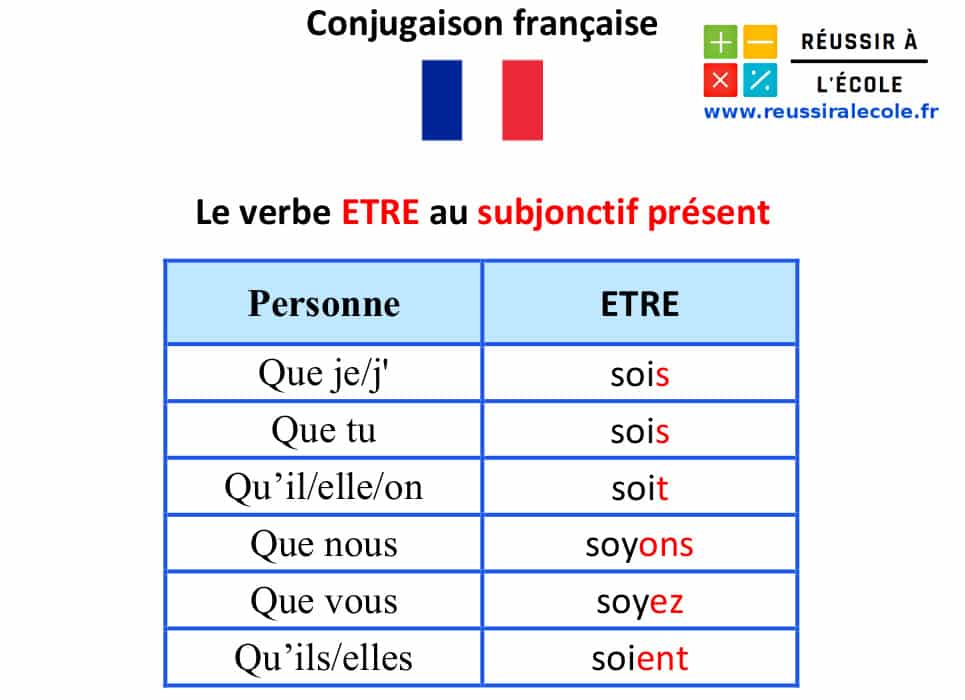
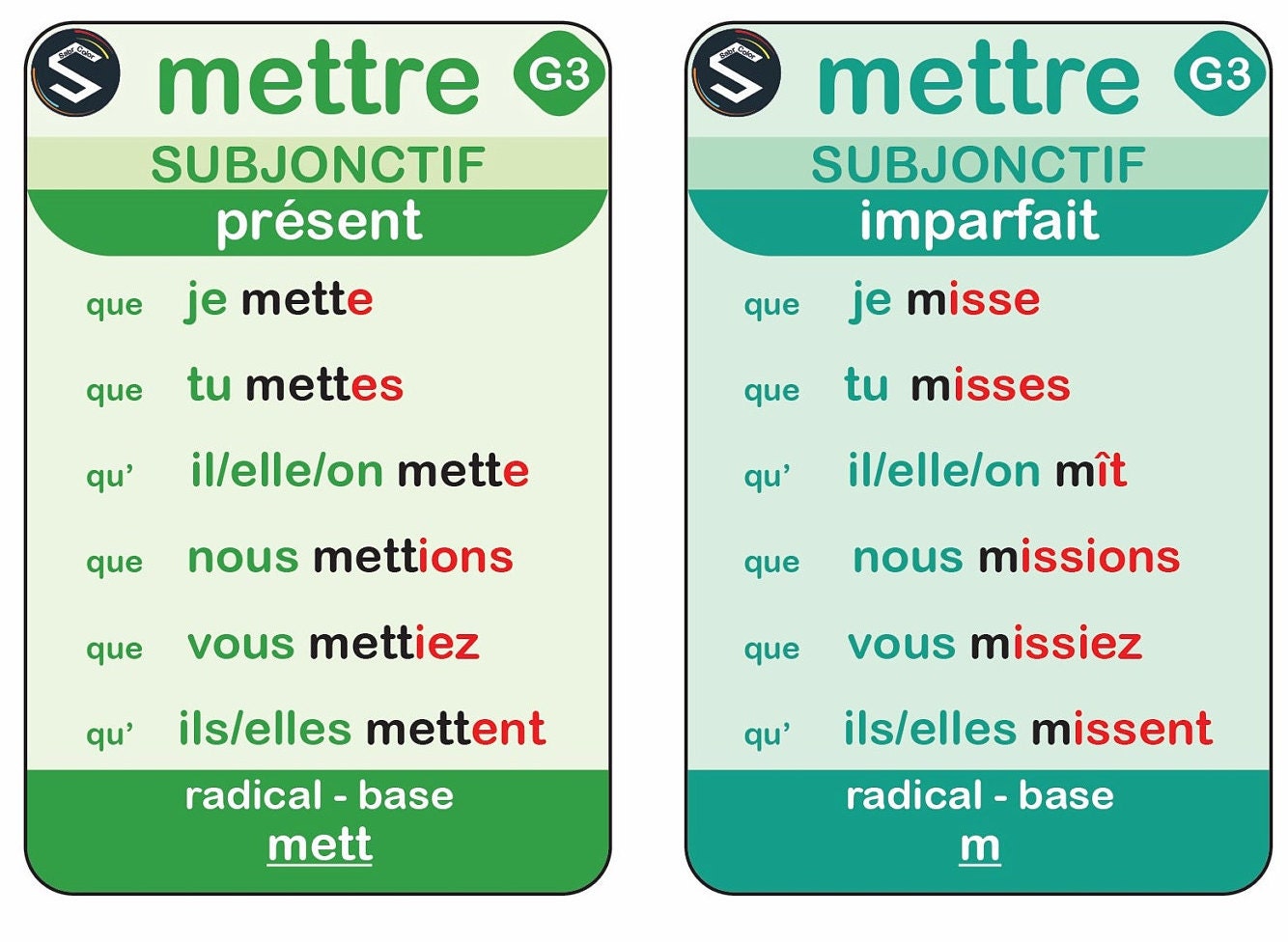
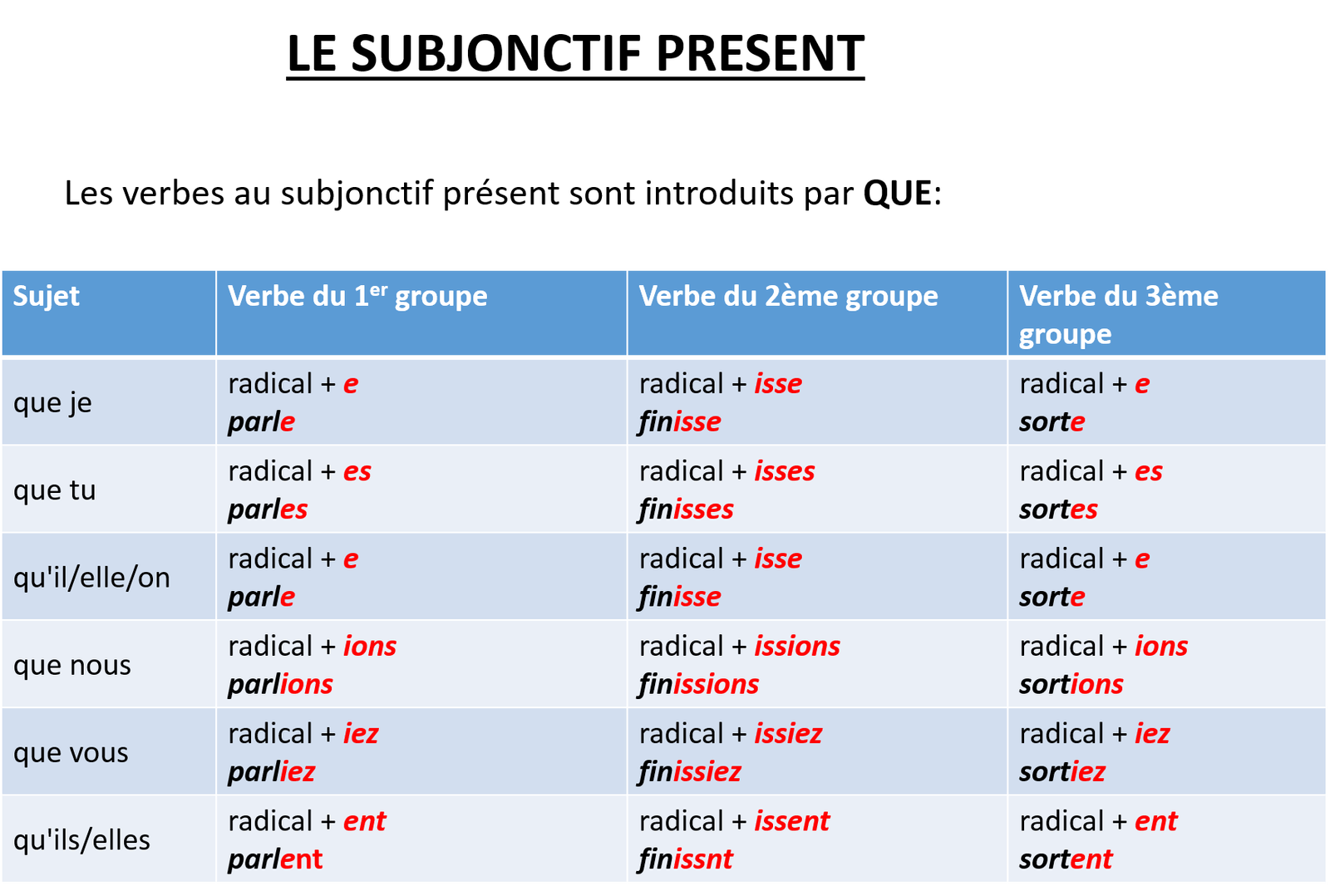
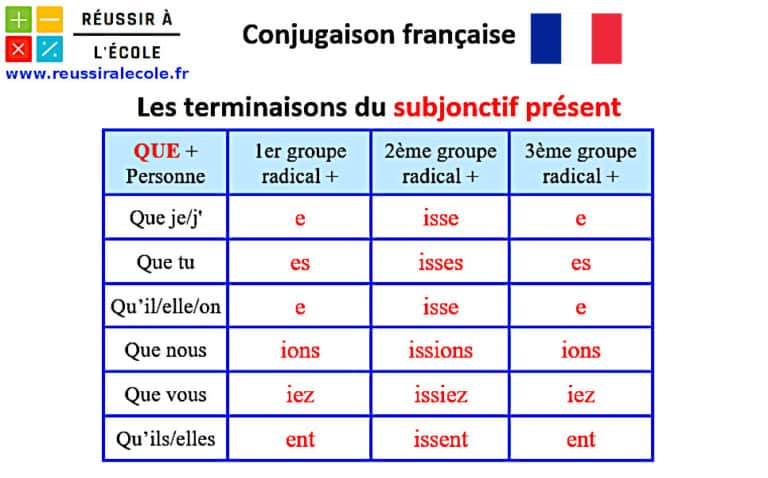
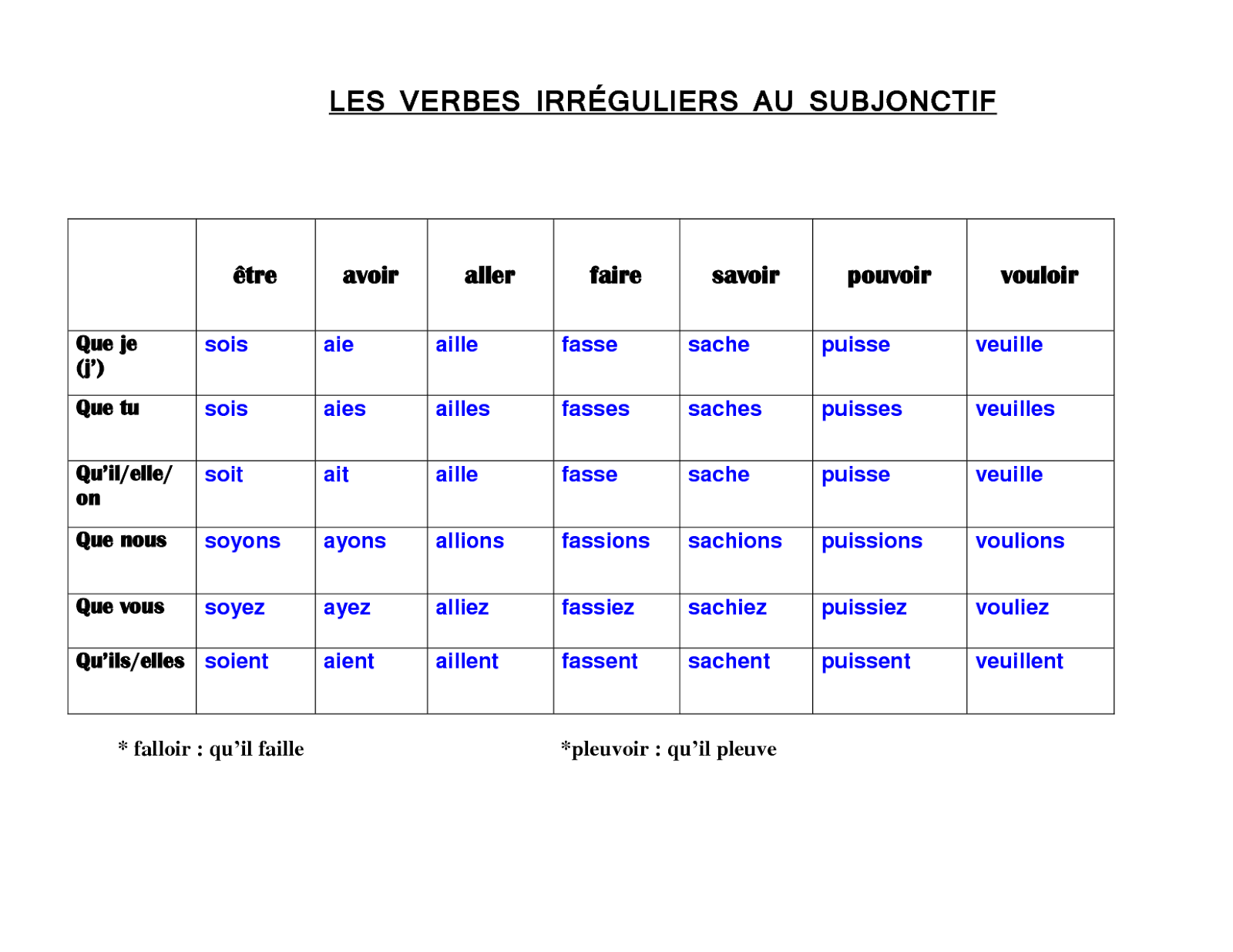
The subjunctive is usually formed from the third-person plural (ils/elles) form of the present indicative, then you drop the "-ent" ending and add the subjunctive endings. Let's see how this works with Mettre:
* Present Indicative (Ils/Elles): Ils/Elles mettent * Drop "-ent": mett- * Add Subjunctive Endings: * Je mette * Tu mettes * Il/Elle/On mette * Nous mettions * Vous mettiez * Ils/Elles mettentSee? Not so bad. Okay, maybe a little bad. Just remember to practice! Practice makes perfect, or at least, practice makes less embarrassing encounters at the market.
When DO we use "Mettre" in the Subjunctive?
This is the million-dollar question! The key is to recognize the triggers. Certain verbs, expressions, and conjunctions require the subjunctive. Here's a breakdown of some common situations where you might use "Mettre" in the subjunctive:
Verbs Expressing Will, Desire, or Command
These verbs often express a want or a need that involves someone else doing something. Think about what you want someone to do. This is where the subjunctive shines.
* Vouloir que: To want that. "Je veux que tu mettes la table." (I want you to set the table.) * Exiger que: To demand that. "Le professeur exige que nous mettions nos téléphones en silencieux." (The professor demands that we put our phones on silent.) * Ordonner que: To order that. "Le général ordonne que les soldats mettent leurs uniformes." (The general orders that the soldiers put on their uniforms.)(Side note: Notice how the 'que' is crucial here! It introduces the clause where the subjunctive lives.)
Verbs Expressing Doubt, Uncertainty, or Possibility
When you're not sure about something, or it's just a possibility, the subjunctive is your friend. It’s about lack of certainty.
Expressions of Emotion or Feeling
When you're expressing feelings like joy, sadness, anger, or fear, you'll often find yourself needing the subjunctive. Because emotions are… well, subjective! (Get it? Subjunctive? Subjective? I'm hilarious, I know.)
* Être content que: To be happy that. "Je suis content que tu mettes de la crème solaire." (I'm happy that you're putting on sunscreen.) * Avoir peur que: To be afraid that. "J'ai peur qu'il ne mette le feu à la maison." (I'm afraid he'll set the house on fire – adding "ne" for emphasis is common in this structure, but it doesn't change the meaning here). * Être triste que: To be sad that. "Je suis triste qu'elle mette fin à la conversation." (I'm sad that she's ending the conversation.)Certain Conjunctions
Certain conjunctions, those little words that connect clauses, demand the subjunctive. These are the ones you really need to memorize.
* Bien que: Although. "Bien qu'il mette tous ses efforts, il n'a pas réussi." (Although he put in all his efforts, he didn't succeed.) * Afin que: In order that. "Il le fait afin qu'elle mette sa confiance en lui." (He does it so that she puts her trust in him.) * Avant que: Before. "Avant qu'il ne mette ses chaussures, il vérifie ses chaussettes." (Before he puts on his shoes, he checks his socks.)(Again, notice the sneaky 'ne' showing up sometimes after 'avant que', 'de peur que' – this is an 'explétif' and doesn't change the meaning. French, right?)

Common Mistakes to Avoid
Let's be real. Mistakes are inevitable. But knowing about them can help you avoid them!
* Forgetting the 'que': The 'que' is often the key! Without it, the subjunctive usually won't be needed. * Using the indicative after subjunctive triggers: This is the most common mistake. Remember, if the main clause needs the subjunctive, the subordinate clause must be in the subjunctive. * Confusing "croire que" and "ne pas croire que": "Croire que" (to believe that) usually takes the indicative, unless it's used in a negative or interrogative form. Then, it takes the subjunctive. For example: "Je crois qu'il met ses clés sur la table." (I believe he puts his keys on the table - indicative). BUT: "Je ne crois pas qu'il mette ses clés sur la table." (I don't believe he puts his keys on the table – subjunctive). * Overusing the subjunctive: The subjunctive is used less frequently in spoken French than in written French. Sometimes, other constructions are preferred. Don’t force it!Practice, Practice, Practice!
There's no magic bullet to mastering the subjunctive. The key is consistent practice. Find exercises online, read French books and articles, and try to incorporate the subjunctive into your own speaking and writing. The more you expose yourself to it, the more natural it will become. Think of it like building a muscle. The more you work it, the stronger it gets. So, go out there and flex those subjunctive muscles!
Maybe, just maybe, one day I’ll be able to confidently ask the cheese vendor, "Vous voulez que je mette combien?" without a hint of hesitation. And maybe, just maybe, they won't look at me like I’m completely clueless. That’s the dream, anyway. Wish me luck!





+que+nous+soyons+venu(e)s.jpg)