Ah, Le Petit Monde de Kabocha! Sounds fancy, doesn't it? Like a perfume only worn by French royalty... or maybe a particularly sophisticated type of Brie. But no! It's actually about... squash! Specifically, the Kabocha squash. I know, I know, not quite Versailles, but trust me, it's more exciting than it sounds. (Maybe. Okay, probably not. But play along!)
Now, you might be thinking, "Squash? Really? Is this all you've got for me today?" And to that I say, oui! But hear me out. The Kabocha is not just any squash. It's the squash that thinks it's a potato. It's the squash that secretly dreams of being a chestnut. It’s the underdog of the squash world, bravely facing down butternut and acorn squashes in the great culinary arena! (Okay, I’m exaggerating. Slightly.)
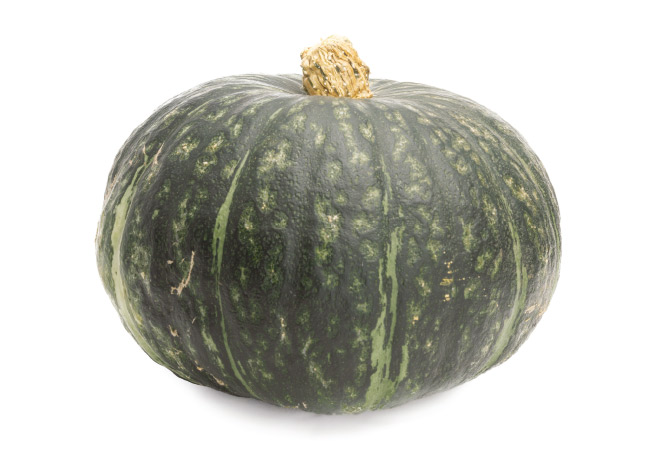
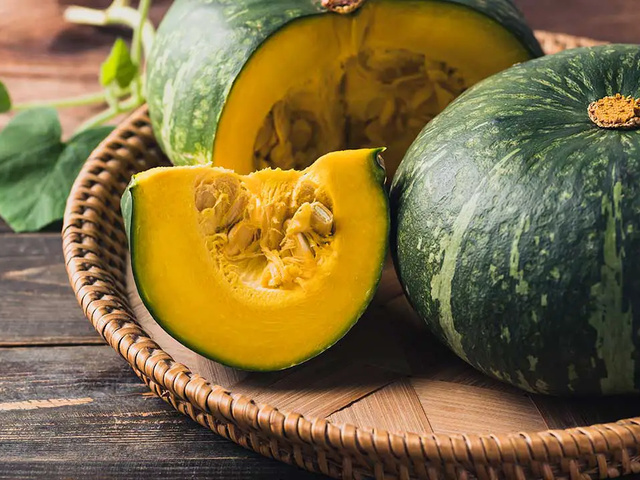
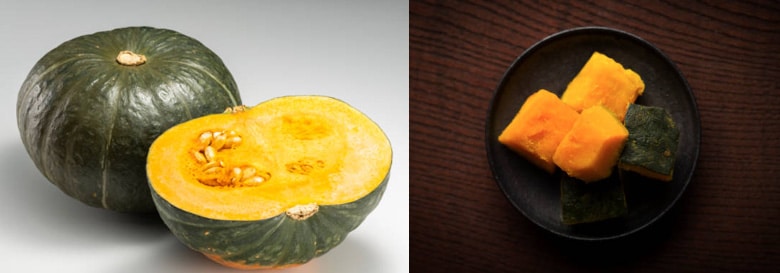
What is this Kabocha, anyway? Picture a small, bumpy, dark green (or occasionally orange) pumpkin that someone accidentally sat on. Its insides are a vibrant orange, like a tropical sunset captured in vegetable form. And its flavor? Ah, there's the magic! Sweet, nutty, and slightly earthy, with a texture that's both creamy and firm. It’s like the flavor equivalent of a warm hug from a very large, orange… well, you get the picture.
Forget those bland, watery squashes you've endured in the past. The Kabocha is here to redeem the entire squash family! It's like the cool older cousin of the butternut squash, the one who knows all the best bands and can actually parallel park.
Cooking with Kabocha: Easier Than You Think (Probably)
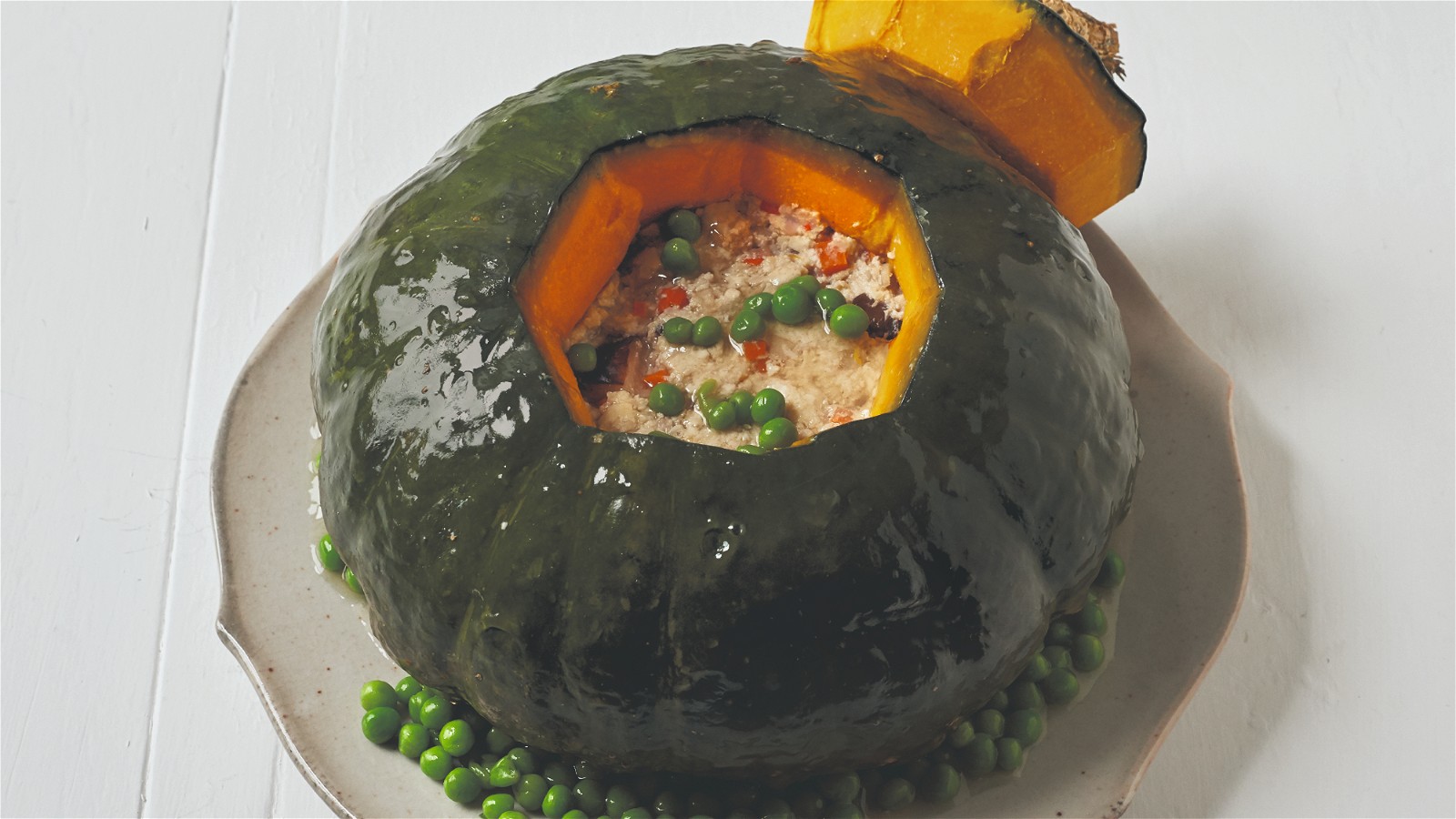
Don't be intimidated by its rugged exterior. Preparing a Kabocha is surprisingly straightforward. Yes, the skin is tough. No, you probably can't peel it with a potato peeler (unless you’re a superhero. Are you a superhero? If so, please contact me). The easiest way is to roast it whole, or halved, in the oven until tender. The skin becomes edible and adds a nice nutty flavor.

Alternatively, you can carefully cut it into wedges. I recommend using a very sharp knife and maybe wearing protective eyewear. Safety first, people! We don't want any squash-related injuries. (Although, imagine the story you could tell!).
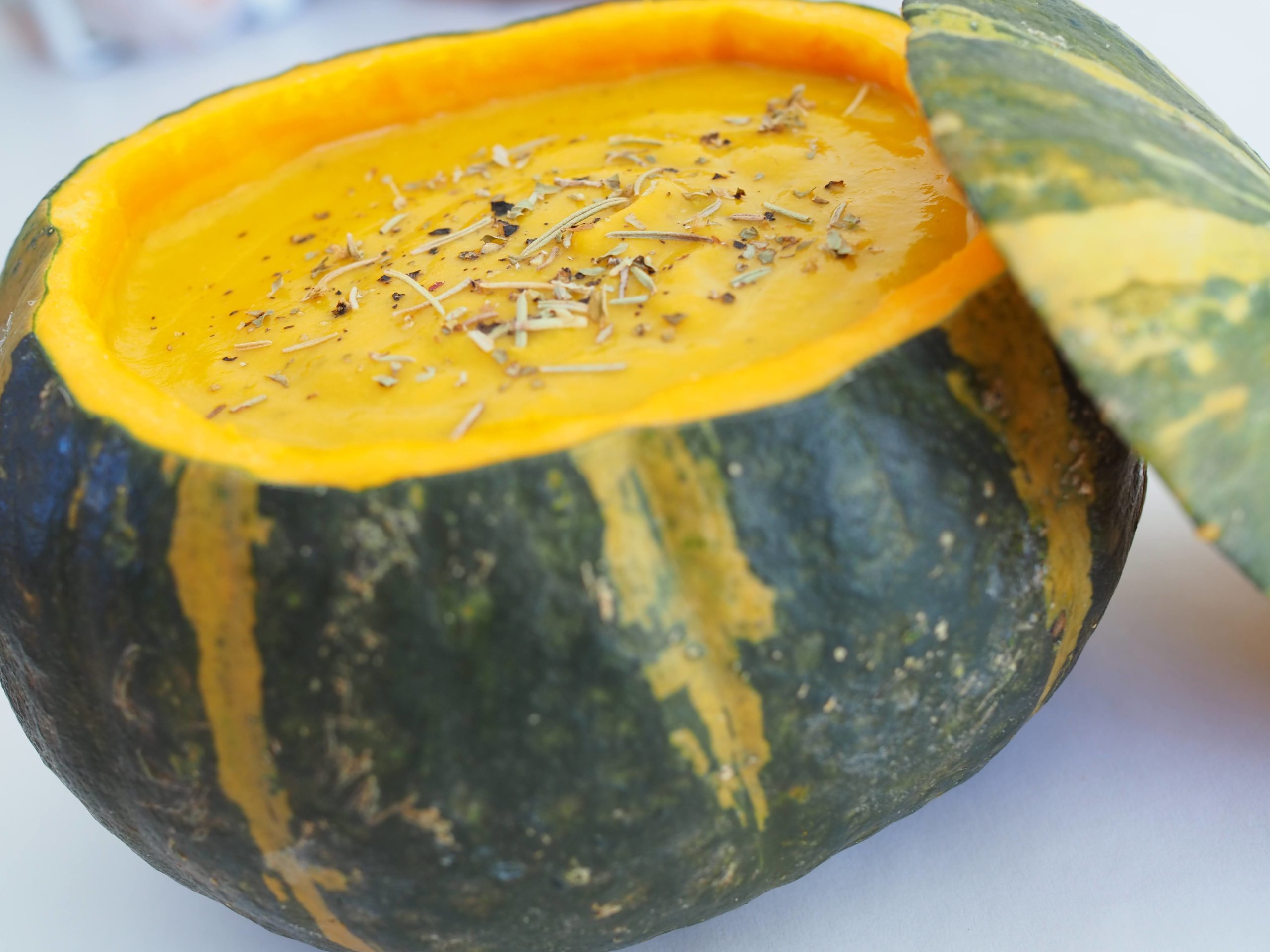
Once cooked, the possibilities are endless! Kabocha puree makes a fantastic soup. Roasted Kabocha chunks are delicious in salads or as a side dish. You can even use it in desserts, like pies or cakes. It’s incredibly versatile. It’s practically the Swiss Army knife of the vegetable kingdom! (Just don’t try using it to open a can of beans.)
Need some ideas? How about:
- Kabocha Tempura: Because everything is better deep-fried, n'est-ce pas?
- Kabocha Risotto: Creamy, dreamy, and guaranteed to impress your friends (or at least make them think you’re a fancy chef).
- Kabocha and Coconut Curry: A little bit sweet, a little bit spicy, and a whole lot delicious.
But seriously, don't overthink it. Even just roasting it with a little olive oil, salt, and pepper will make you a Kabocha convert. It’s a forgiving vegetable. It’s not going to judge you if you accidentally burn it a little. (Well, maybe a little. But it won’t hold a grudge.)

So, there you have it. Le Petit Monde de Kabocha, revealed! From its humble beginnings to its potential as a culinary superstar, the Kabocha squash is definitely worth exploring. Go forth, be brave, and conquer that squash! Just remember to use a sharp knife...and maybe wear a helmet. You know, just in case.
Now, if you'll excuse me, I'm off to buy a Kabocha and contemplate its existence. I might even write a poem about it. Or, more likely, just eat it. Because, let's be honest, that's what we're all really here for, right?