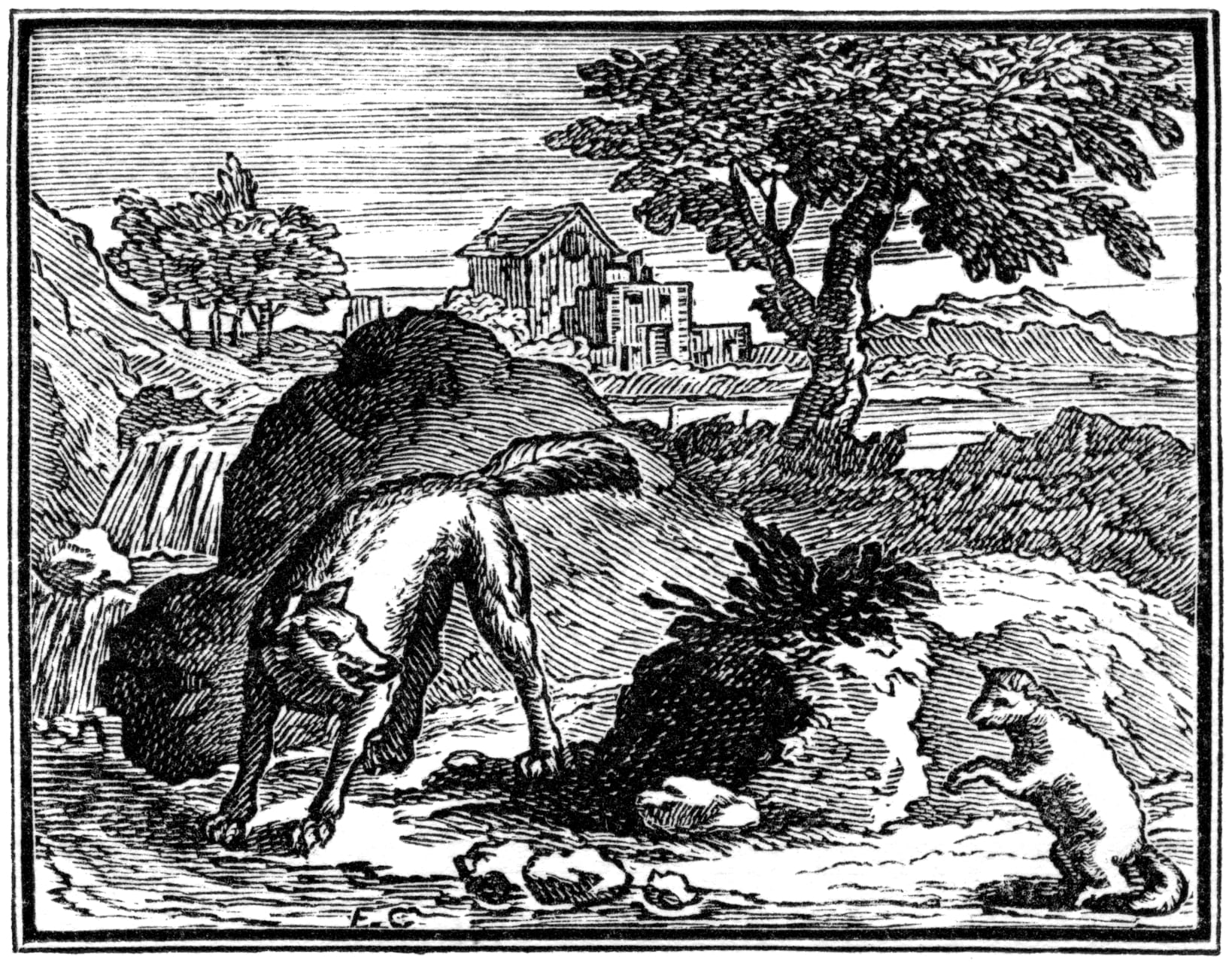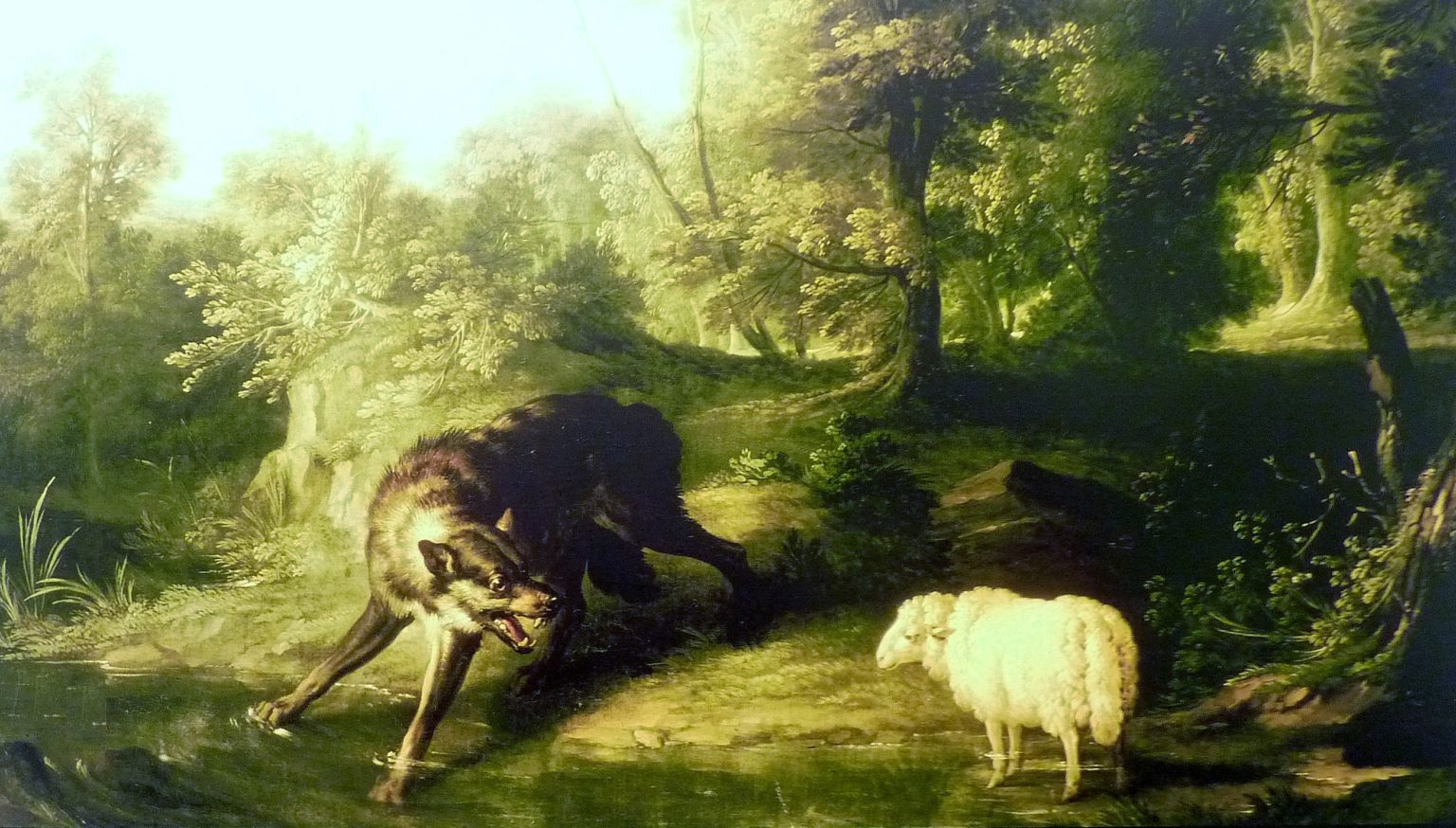
Bonjour mes amis! Ready for a little journey into the wonderful world of French fables? Trust me, it’s way more fun than it sounds. We're diving into Le Loup et l'Agneau, or The Wolf and the Lamb. Sounds familiar? It should! Because this little story is packed with wisdom, and a dash of dark humor, that still rings true today. Et voilà!
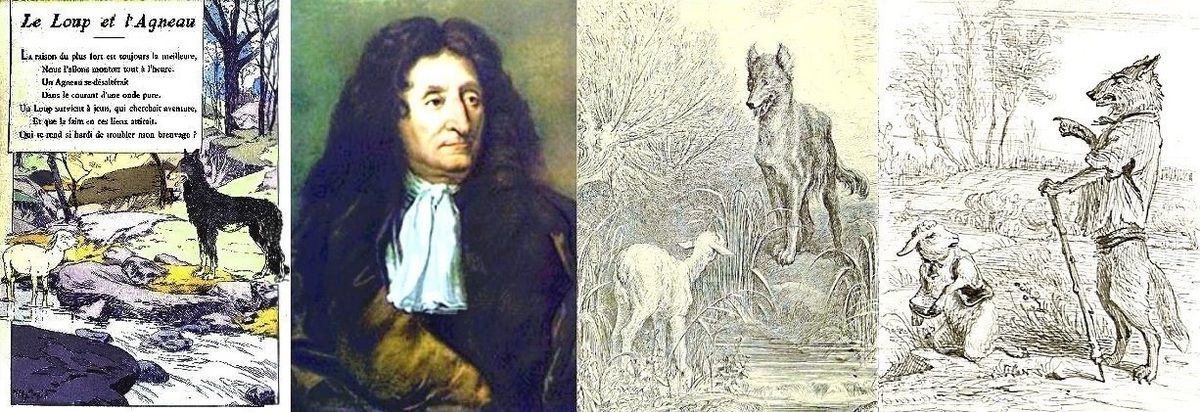
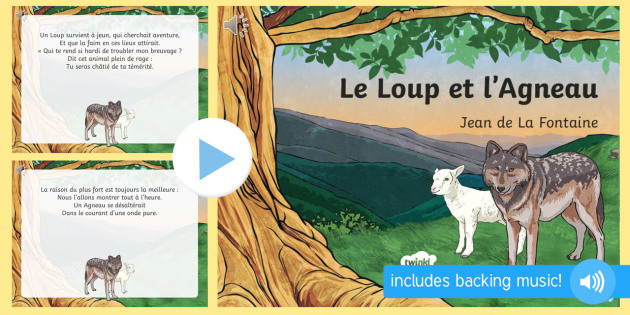
Now, I know what you might be thinking: "Fables? Aren’t those for kids?" Well, yes and no. Think of them as bite-sized wisdom nuggets, perfect for any age! Especially if you're looking for a witty way to understand human (and animal!) nature. This one is by Jean de La Fontaine, a master of crafting simple stories with powerful messages. Trust me, it's good stuff.
Setting the Scene: A Thirsty Lamb, A Hungry Wolf
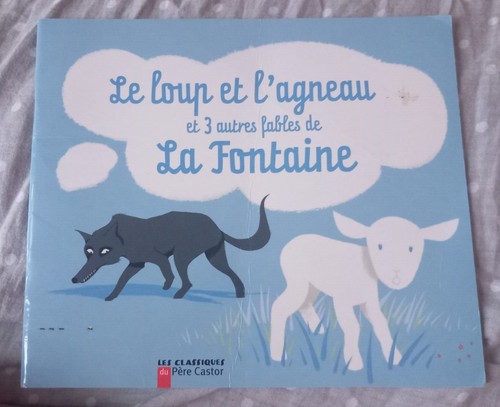
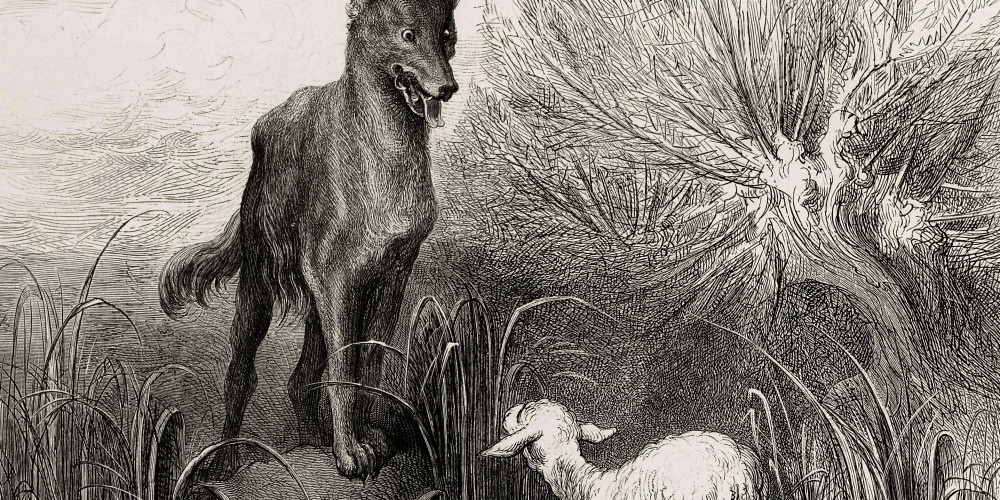
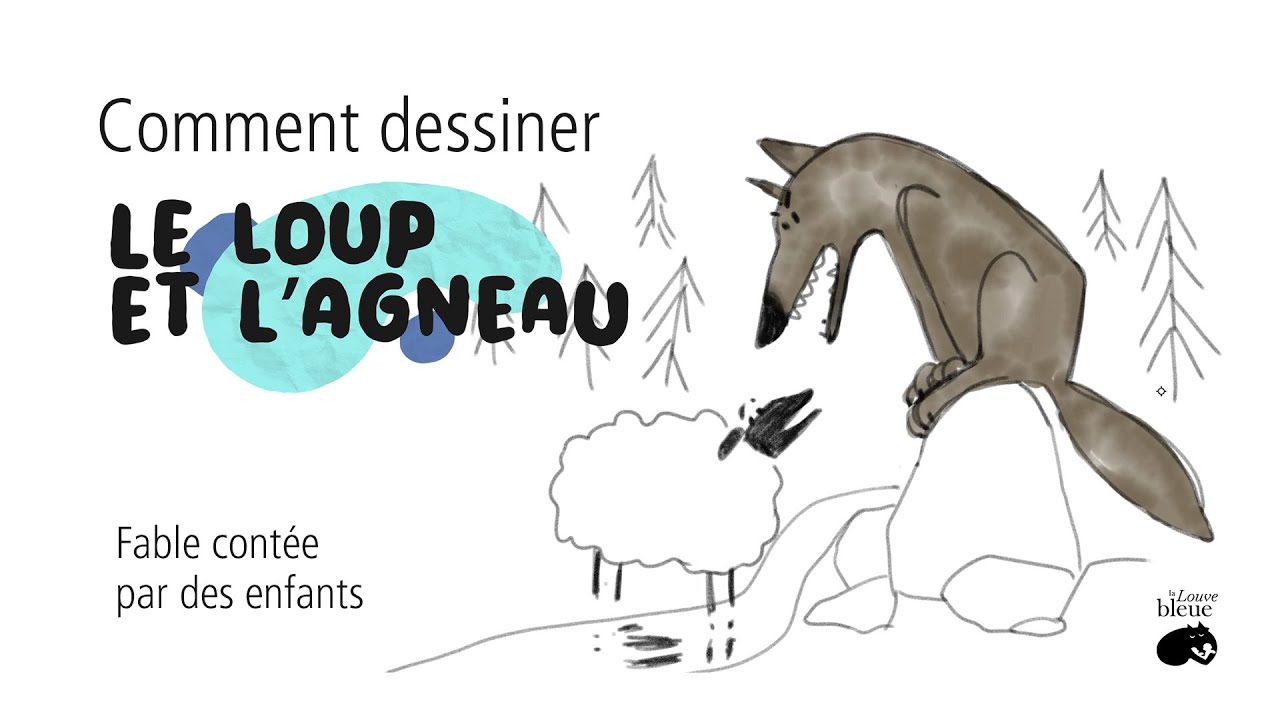
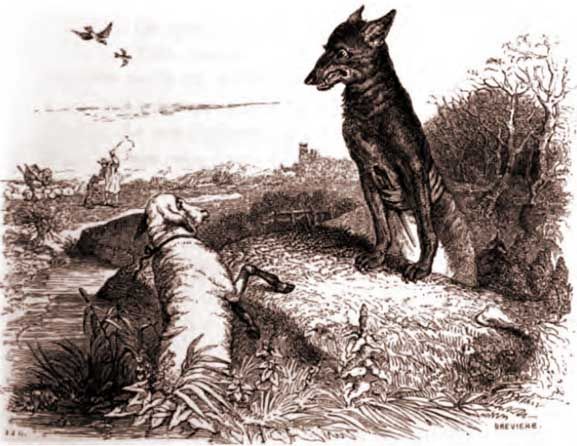
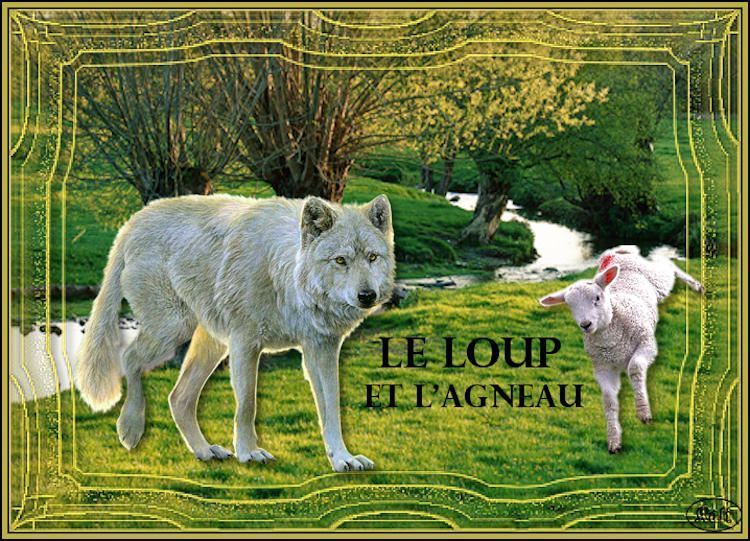
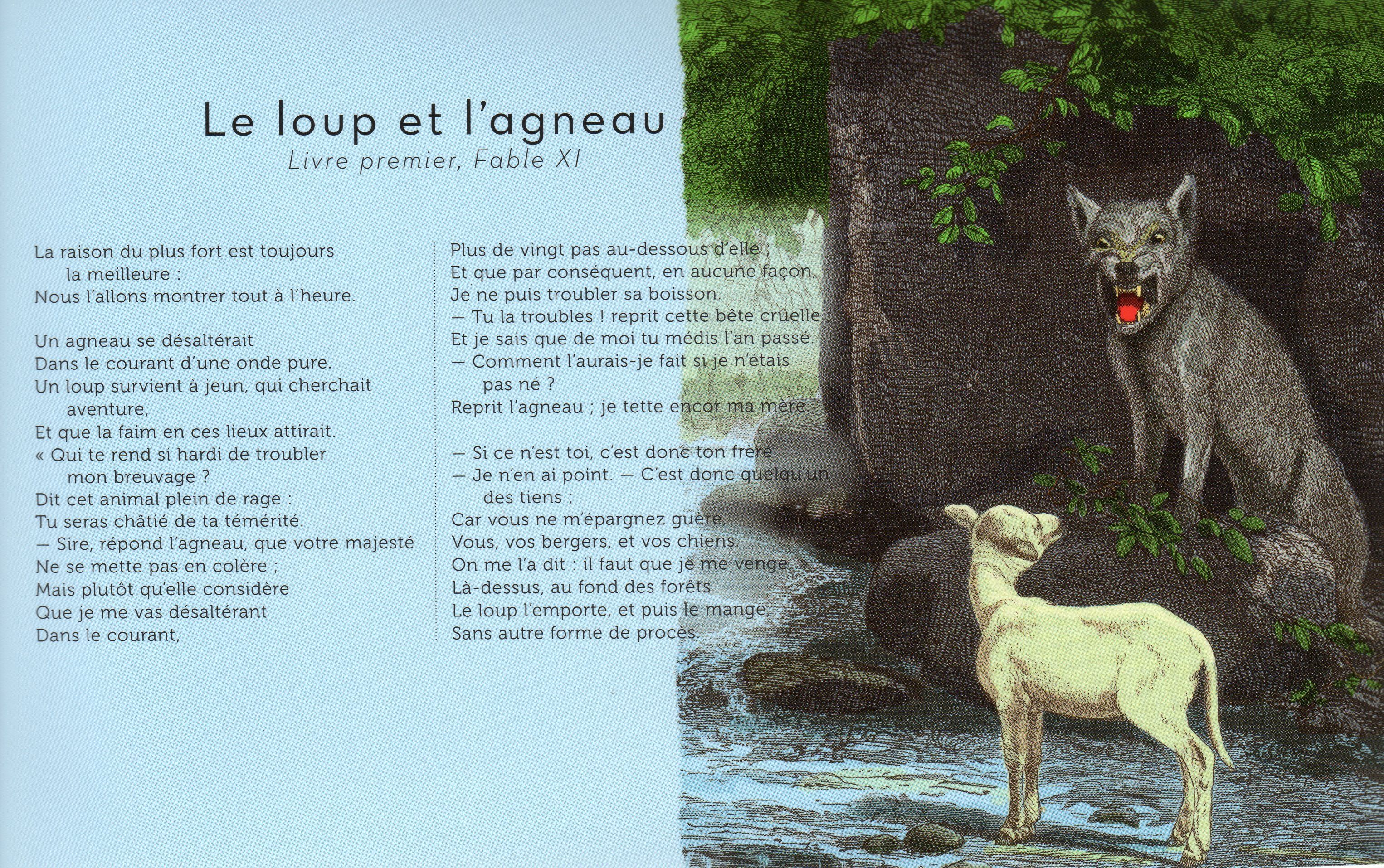
Okay, so imagine this: a sweet, innocent little lamb is happily drinking water from a stream. He’s minding his own business, just being a lamb. La vie est belle, right? Wrong! Suddenly, a big, bad wolf appears, further up the stream. And let me tell you, he’s not thirsty for water. Oh non, non, non!
See? Already, the drama is building! You can almost hear the suspenseful music, n'est-ce pas? This is where La Fontaine's genius shines through. He sets up the conflict immediately, leaving you hanging on to know what will happen.
The Wolf’s (Ridiculous) Accusations
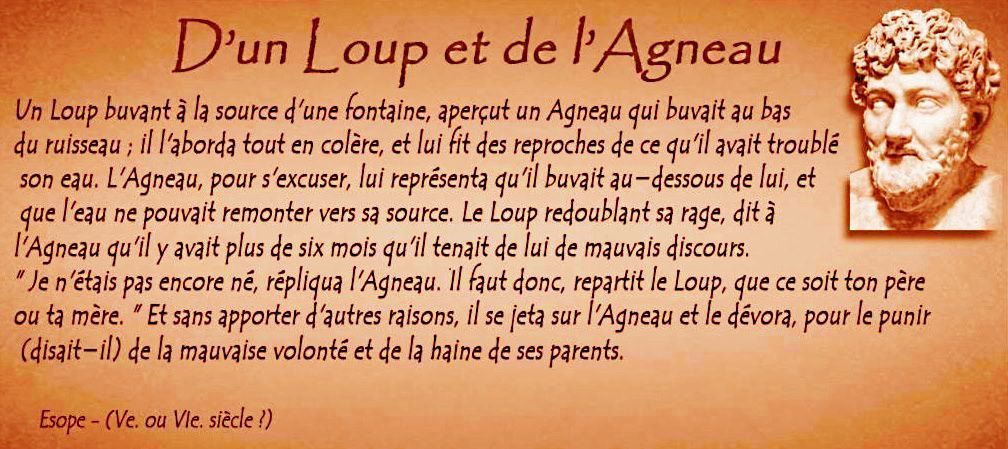
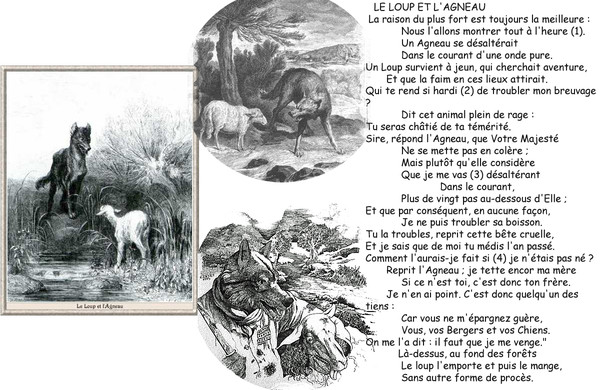
Now, the wolf, being the cunning creature he is, doesn’t just pounce. He needs a reason, a justification. And here's where the fun really begins. He starts accusing the lamb of muddying the water he's trying to drink! Can you believe it? The lamb is downstream! He's like, "Excuse me, Monsieur le Loup, but that's physically impossible."
The lamb, bless his cotton socks, tries to reason with the wolf. He points out the obvious: he's downstream, the water flows from the wolf to him, not the other way around. But the wolf isn't having any of it. He keeps inventing accusations, each one more ridiculous than the last. He even says the lamb insulted him last year! A year ago! The lamb wasn't even born then. Oh, the injustice!
Isn’t that just like real life? People often come up with excuses, no matter how flimsy, to justify their actions. It's a classic power dynamic: the strong preying on the weak and making up the rules as they go. C'est la vie, I suppose, but it doesn't make it any less infuriating! This little part is why the story, though old, is so relevant.
The Inevitable Outcome: Power Trumps Logic
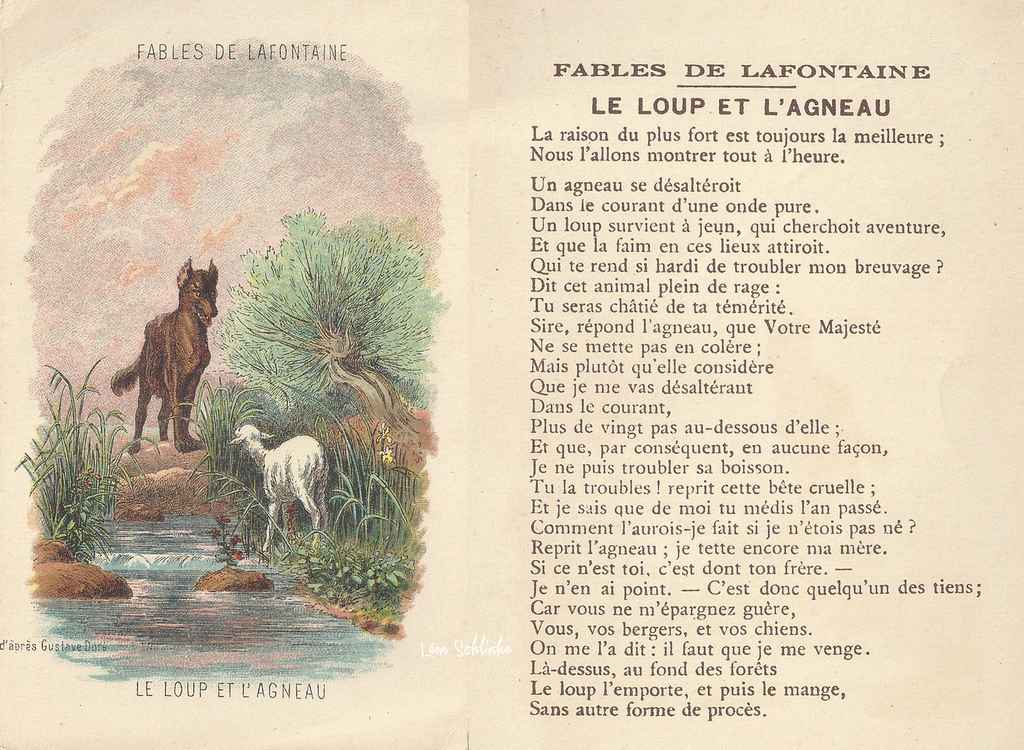
Spoiler alert: things don't end well for the lamb. All the lamb's logic, all his reasonable arguments, are completely ignored. The wolf, having exhausted his (lame) excuses, finally drops the pretense and declares: "You’re messing with me, and I’m hungry!" And that, my friends, is that.
The wolf devours the lamb, proving that might makes right. A bit bleak, I know, but remember, this is a fable! It's designed to make you think.
What makes it even darker, n'est-ce pas, is that the wolf never truly believes his own excuses! He knows perfectly well the lamb isn't muddying the water, that the lamb didn't insult him last year. The accusations are simply a way to rationalise his cruel intentions. It is an expression of raw, unadulterated power.
Why This Fable Still Matters Today
So, why should you care about a wolf and a lamb in the 21st century? Because it's a timeless story about injustice, abuse of power, and the futility of arguing with someone who has already made up their mind.
Think about it: how often do we see this play out in our own lives? In politics, in business, even in our personal relationships? Someone in a position of power makes a decision, and no amount of logic or reason can change their mind. Sounds familiar?
But it’s not all doom and gloom! Knowing that these situations exist can make us more aware and prepared. We can learn to recognize the signs of someone trying to exert power over us unfairly, and we can develop strategies to protect ourselves (metaphorically, of course! We're not expecting you to fight off any wolves!).
The lesson of Le Loup et l'Agneau isn't just about cynicism. It’s about awareness. The fable doesn’t offer a solution. It offers a clear depiction. It's an invitation to recognize injustice when we see it, and maybe, just maybe, to find ways to challenge it. Or, at the very least, to avoid being the lamb!
Beyond the Bite: More Fun with Fables!
Now that you've had a taste of La Fontaine's brilliance, why not explore more of his fables? They're short, sweet, and surprisingly insightful. Plus, they're a great way to improve your French! Oui, oui!

You can find tons of free resources online, with both the original French text and English translations. Try reading them aloud - it's a great way to practice your pronunciation and get a feel for the rhythm of the language. You can also find animated versions of the fables on YouTube, which are super fun and engaging.
Don't be afraid to dig deeper into the life of La Fontaine himself. He was a fascinating character, and his life experiences undoubtedly influenced his writing. Understanding his background can give you a whole new appreciation for his work. Or, why not consider reading other classic French literature? So much is out there - it is a veritable trove of delights! Seriously, it’s a fantastic way to immerse yourself in French culture. It's good for the soul!
So, there you have it! Le Loup et l'Agneau: a short fable, but a powerful lesson. It’s a reminder that the world isn't always fair, but that understanding the dynamics of power can help us navigate it with a little more wisdom and resilience. Plus, it’s just a darn good story!
Alors, à bientôt! Go forth and explore the wonderful world of French fables! You might just surprise yourself with what you discover. Bon courage!

_-_(MeisterDrucke-982710).jpg)