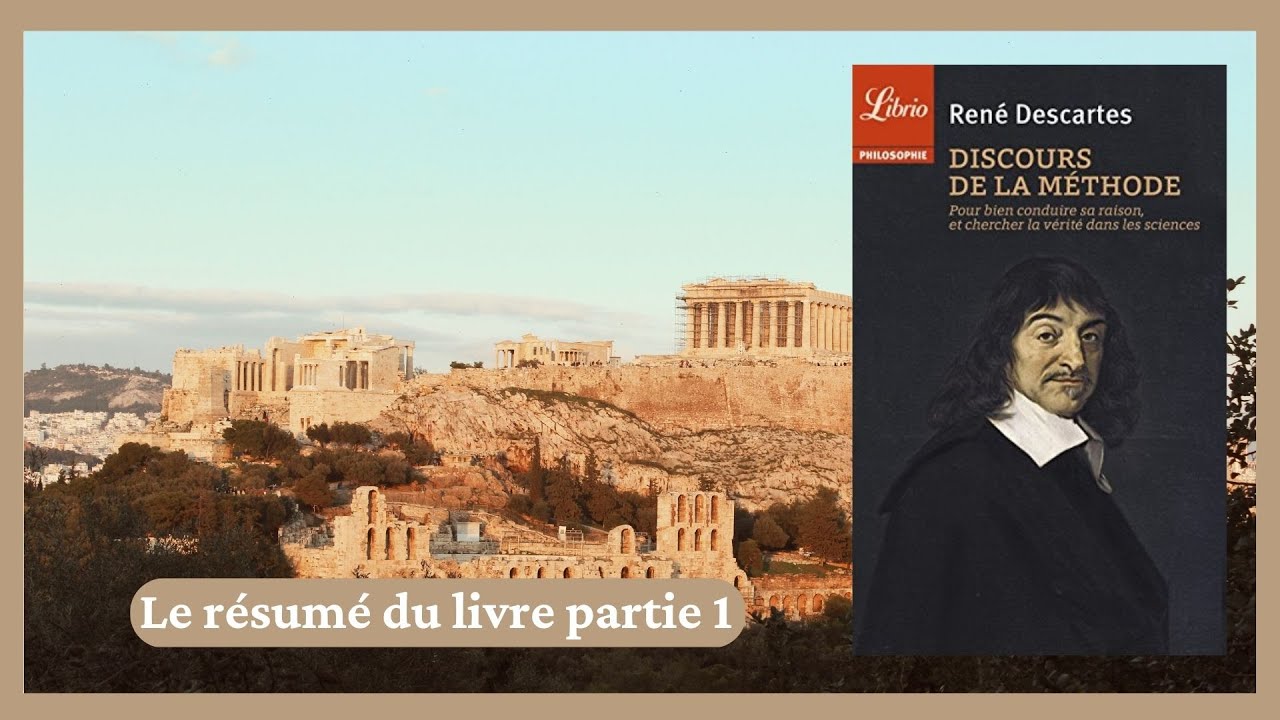
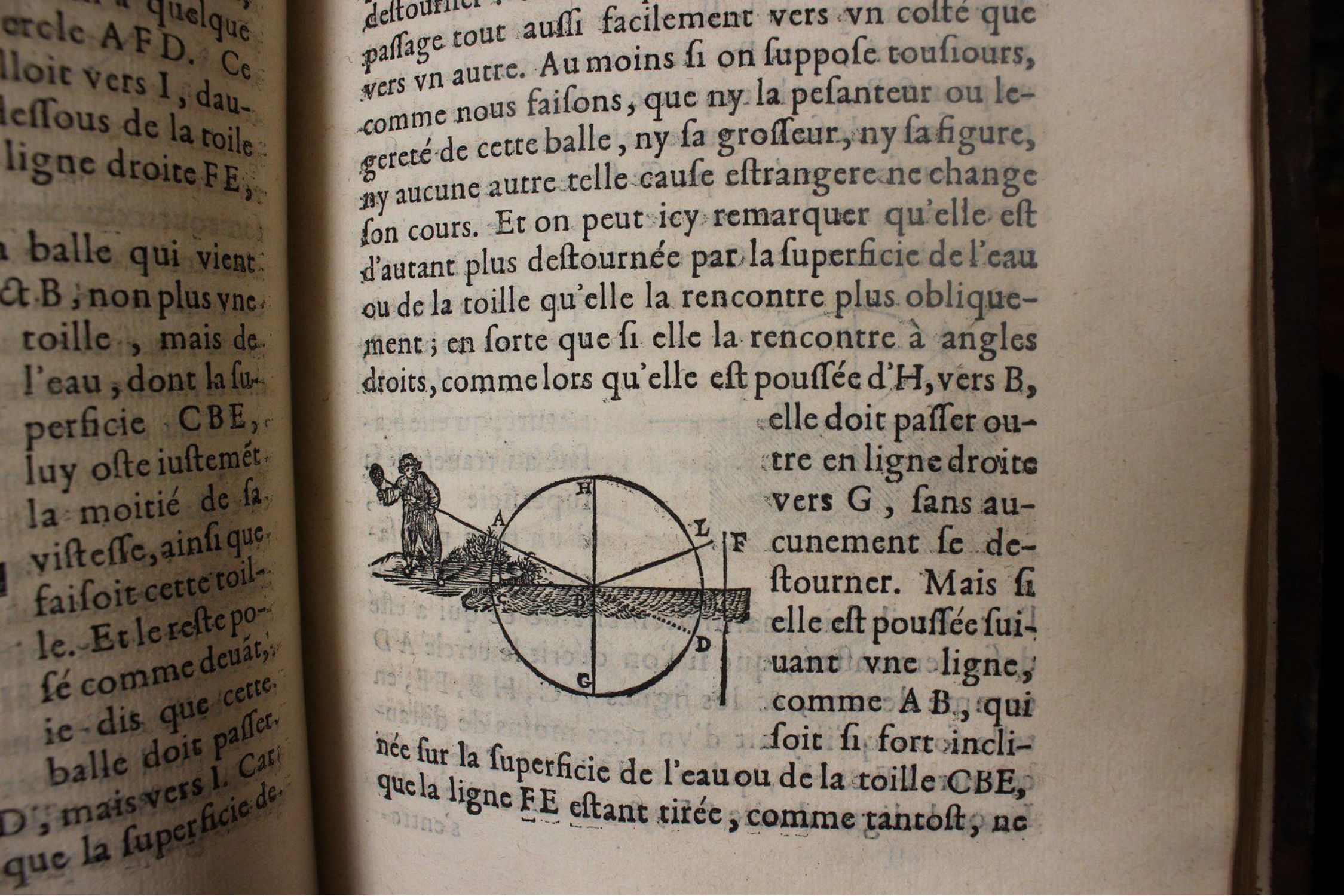
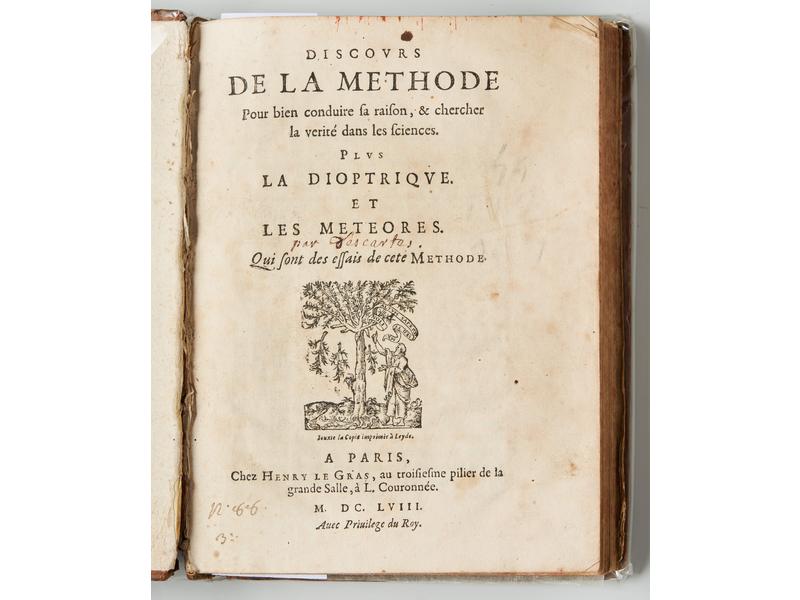
Bonjour, mes amis! Let's talk about something that sounds intimidating but is actually surprisingly chic: René Descartes' "Discours de la Méthode." Yep, that's "Discourse on Method" for those of us who haven't brushed up on our 17th-century philosophy lately. Don't let the fancy title scare you; we're not diving into dusty textbooks. Instead, think of this as a philosophical Marie Kondo session for your mind – a way to declutter the mental attic and discover your own intellectual inner peace.
Descartes: The OG Influencer
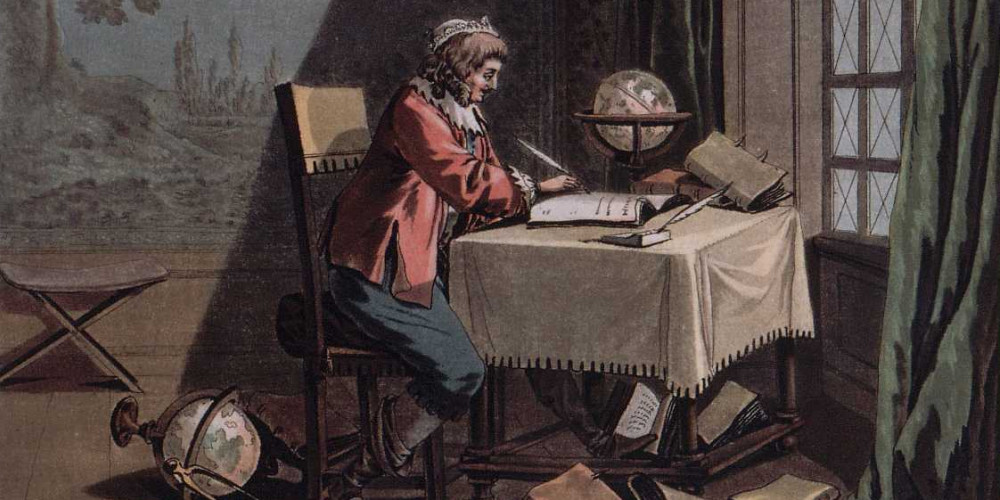
René Descartes wasn't your typical philosopher in an ivory tower. He was a Renaissance man par excellence: mathematician, scientist, and, dare I say, a bit of a rockstar in his day. He was searching for a reliable way to know what's true, a time when traditional beliefs were being challenged by new scientific discoveries. Think of him as the original "fact-checker" in a world drowning in information overload. Basically, he was living our 21st-century problems, just with quill and parchment instead of iPhones and Twitter.
Why Should I Care About a 400-Year-Old Book?
Good question! In a world of instant gratification and fleeting trends, why bother with a text from 1637? Because Descartes' method is surprisingly relevant to navigating modern life. It's about:
- Critical Thinking: Questioning everything you think you know. Think of it as intellectual spring cleaning.
- Problem Solving: Breaking down complex issues into manageable parts. Like tackling that IKEA furniture assembly with a systematic approach (and maybe a glass of wine).
- Self-Reliance: Forming your own opinions based on reason and evidence. Basically, being your own guru.
Essentially, Descartes gives you the tools to build a more resilient and thoughtful self. And who doesn't want that? Think of it as an intellectual glow-up!
The Four Rules: Your Guide to Cartesian Coolness
Descartes' method isn't a rigid set of commandments, but rather a series of guidelines. Here's the breakdown:
- Doubt Everything (Initially): Only accept as true what is absolutely indubitable. This isn't about becoming a cynical naysayer; it's about a healthy dose of skepticism. As Descartes famously said, "Dubito, ergo cogito, ergo sum" – "I doubt, therefore I think, therefore I am." That "cogito" is your foundation.
- Divide and Conquer: Break down complex problems into smaller, more manageable parts. Think of it like tackling a multi-course French meal: you wouldn't eat everything at once!
- Order Your Thoughts: Start with the simplest and easiest to understand ideas and gradually work your way up to the more complex. It's like building a Lego set: you start with the basics.
- Review Thoroughly: Make sure you haven't missed anything. Double-check your work, examine your assumptions, and don't be afraid to ask for feedback (from a trusted source, of course).
These rules aren't just for philosophers! They can be applied to everything from writing a report to planning a vacation. Trust me; it’s a game changer.

Applying Descartes to Your Everyday Life
Okay, so how do we actually use this philosophical goodness in our daily routines? Let's look at some practical examples:
The News Blues
Feeling overwhelmed by the constant barrage of information? Descartes' method can help. Don't blindly accept everything you read or hear. Ask yourself:
- What is the source? Is it credible?
- What evidence is presented? Is it reliable?
- What are the potential biases?
By applying a little Cartesian skepticism, you can become a more informed and discerning consumer of news. Think of it as your personal "fake news" filter.

Decision-Making Dilemmas
Stuck trying to decide between two job offers? Overwhelmed by options? Break the decision down into smaller parts:
- What are the pros and cons of each offer?
- What are my long-term goals? How does each offer align with them?
- What are my non-negotiables (salary, location, work-life balance)?
By systematically analyzing each aspect of the decision, you can make a more informed and confident choice. No more agonizing over "what ifs"! Your inner Descartes will guide you.
Creative Block Busting
Writer's block? Artist's slump? Apply the "divide and conquer" rule. Instead of trying to create a masterpiece all at once, break the project down into smaller, more manageable tasks:
- Brainstorm ideas.
- Outline the structure.
- Write a rough draft.
- Edit and revise.
By breaking down the creative process, you can overcome the feeling of being overwhelmed and start making progress. Remember, even the Mona Lisa started with a single brushstroke!
Descartes and the French Aesthetic
Is it just me, or does Descartes' method sound awfully French? This emphasis on logic, clarity, and order resonates with the French aesthetic. Think of:
- The perfectly manicured gardens of Versailles.
- The elegant and precise language of French literature.
- The emphasis on raison (reason) in French culture.
Descartes' philosophy embodies the French love of structure and intellectual rigor. It's no accident that his ideas flourished in France. Embrace your inner francophile and cultivate a little Cartesian clarity in your life!

The Caveats: Descartes Isn't Perfect
Now, let's be real. Descartes' method isn't a magic bullet. Critics argue that his emphasis on reason can lead to overlooking emotions, intuition, and other important aspects of human experience. He was also a product of his time, with some of his views on gender and the natural world being problematic by today's standards.
The key is to approach Descartes' method with a critical eye, recognizing its strengths and weaknesses. It's a tool, not a dogma. Use it to enhance your thinking, but don't let it define you.
A Final Thought: Cultivating Intellectual Independence
At its core, Descartes' "Discours de la Méthode" is about intellectual independence. It's about empowering yourself to think critically, question assumptions, and form your own informed opinions. In a world that is constantly trying to tell you what to think, this is a radical and empowering message.
So, the next time you're faced with a challenging problem or a confusing situation, remember René Descartes. Take a deep breath, apply his method, and trust your own reasoning abilities. You might be surprised at what you discover. À bientôt!


.jpg?maxwidth=2020&maxheight=1300)