Okay, so picture this: I'm at a ridiculously posh dinner party, all champagne flutes and awkward small talk. And this guy, clearly thinking he's the intellectual in the room, is holding forth about how "things were better under de Gaulle." Of course, he's sipping a vintage Bordeaux while saying it, which probably colours his perspective a little. But it got me thinking, did de Gaulle have it all figured out? And more importantly, did his methods leave a lasting, maybe even a... permanent, mark on French politics?
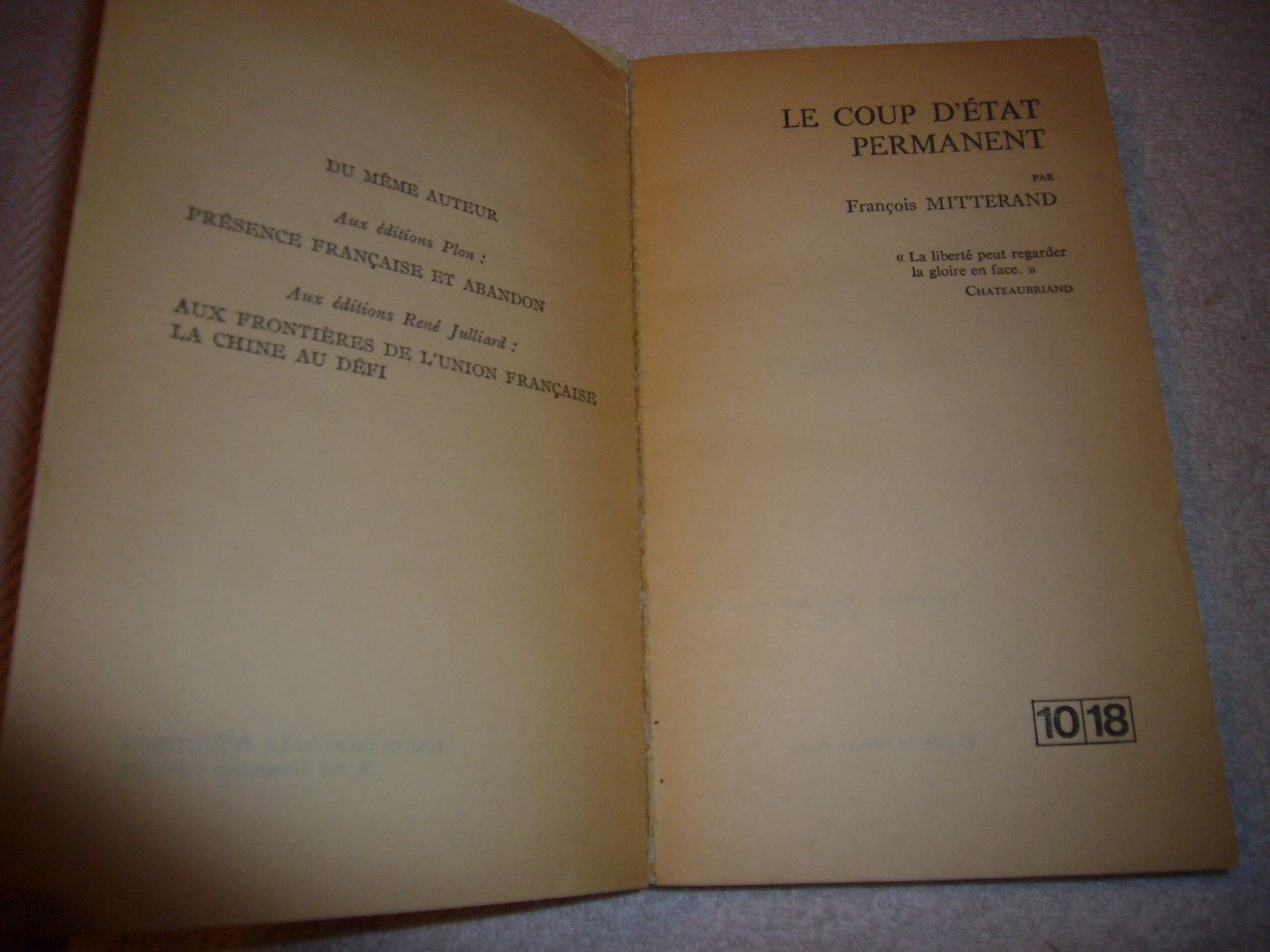
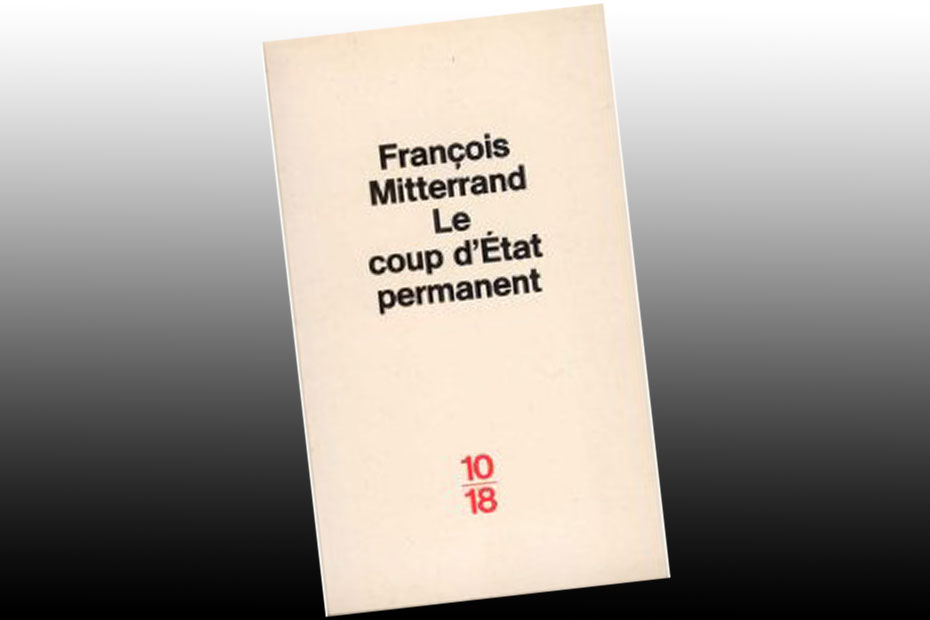
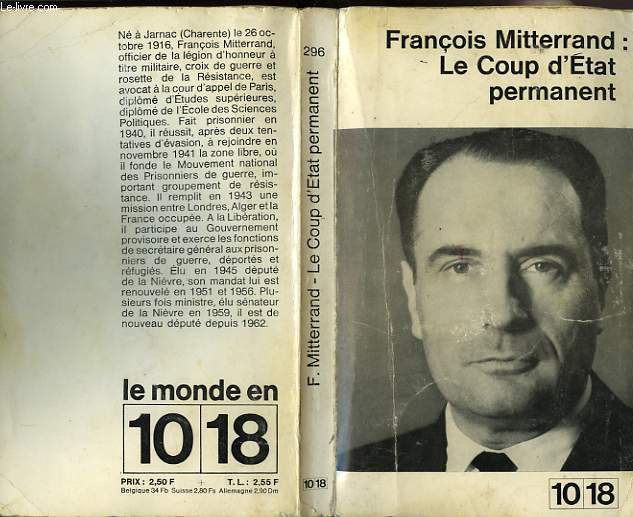
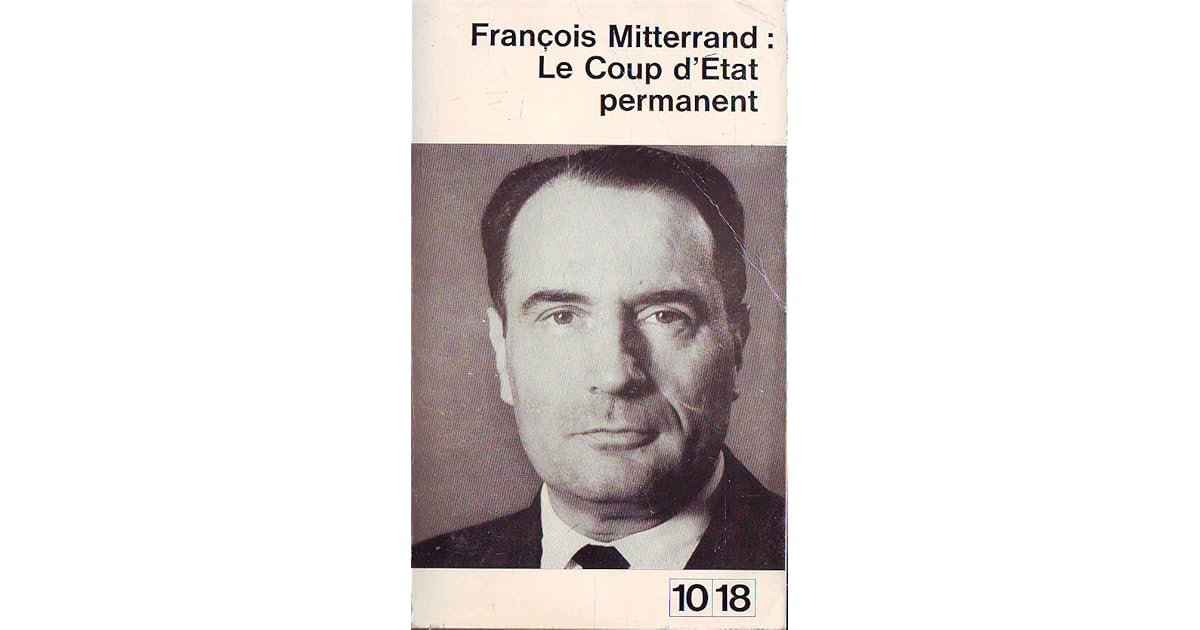
That's where the idea of "Le Coup d'État Permanent" comes in. Not an actual, tanks-in-the-streets, overthrow-the-government kind of coup, obviously. More like... a subtle, continuous reshaping of power, a bending of the rules, a... (wait for it)... permanent state of exception. Sounds dramatic, right? But stay with me.
De Gaulle: The Man, The Myth, The Législateur?
De Gaulle, love him or hate him (and trust me, people do both with equal passion), was undeniably a force of nature. He steered France through some incredibly turbulent times, from the end of World War II to the Algerian War. He was a wartime hero, the founder of the Fifth Republic, and a champion of French independence. Basically, the guy was a legend. But legends, as we know, often come with a bit of... self-belief. A healthy dose of "I know best."
And that's where things get interesting. De Gaulle, convinced that only a strong, centralised executive could save France from political instability, basically rewrote the rules of the game. He bypassed parliament whenever he felt like it (using Article 11 of the Constitution like a personal shortcut), he called referendums on major policy decisions (sometimes with questionable legitimacy – some might call it "weaponizing" direct democracy), and generally acted like, well, the boss. Think of it as the political equivalent of saying "because I said so" on a national scale. You know, the kind of power move that would make even your most authoritarian uncle blush.
Side note: Are we even allowed to compare De Gaulle to an authoritarian uncle? Probably not in some circles. But hey, this is a blog, not a history textbook!
So, what's the big deal?
Well, the argument goes that De Gaulle's actions, while perhaps justified at the time (and that's a big "perhaps"), set a precedent. They normalised the idea of a president wielding extraordinary power, of bypassing democratic processes when necessary, of acting in the "national interest" (as defined, of course, by the president himself). And that precedent, some argue, has haunted French politics ever since.
- The Weakening of Parliament: De Gaulle's constant use of Article 11, and his general disregard for parliamentary opinion, arguably weakened the legislature's role as a check on executive power. Parliament became more of a rubber stamp than a real force of opposition.
- The "Presidentialisation" of Politics: The Fifth Republic, designed to give the president significant power, morphed into something even more presidential under De Gaulle. The president became the central figure in French politics, eclipsing the prime minister and cabinet.
- The Normalisation of the "State of Exception": De Gaulle's actions, especially during the Algerian War, normalised the idea of suspending normal legal processes and civil liberties in the name of national security. This created a dangerous precedent for future governments.
Is "Le Coup d'État Permanent" Real?
Now, here's where it gets tricky. Did De Gaulle actually intend to create a permanent state of exception? Probably not. He genuinely believed he was acting in the best interests of France. But good intentions, as they say, pave the road to... well, you know.
The question is whether his methods, even if well-intentioned, have had unintended consequences. Have they created a system where the president is too powerful, where democratic checks and balances are too weak, where the temptation to bypass parliament and act unilaterally is too great?
Think about it: How many times have we seen French presidents, even long after De Gaulle, using referendums to push through unpopular policies, or invoking emergency powers in times of crisis? (Remember the state of emergency after the 2015 Paris attacks? That's a prime example). Is that just good leadership, or is it a sign of a deeper, more ingrained tendency towards centralised, authoritarian power?
Examples and Echoes
Let's look at some examples:
- The 2005 Referendum on the European Constitution: President Chirac called a referendum on the European Constitution, despite knowing that public opinion was divided. The result? A resounding "no," which plunged France and the EU into a crisis. Was that a legitimate use of direct democracy, or a cynical attempt to bypass parliament and impose his will?
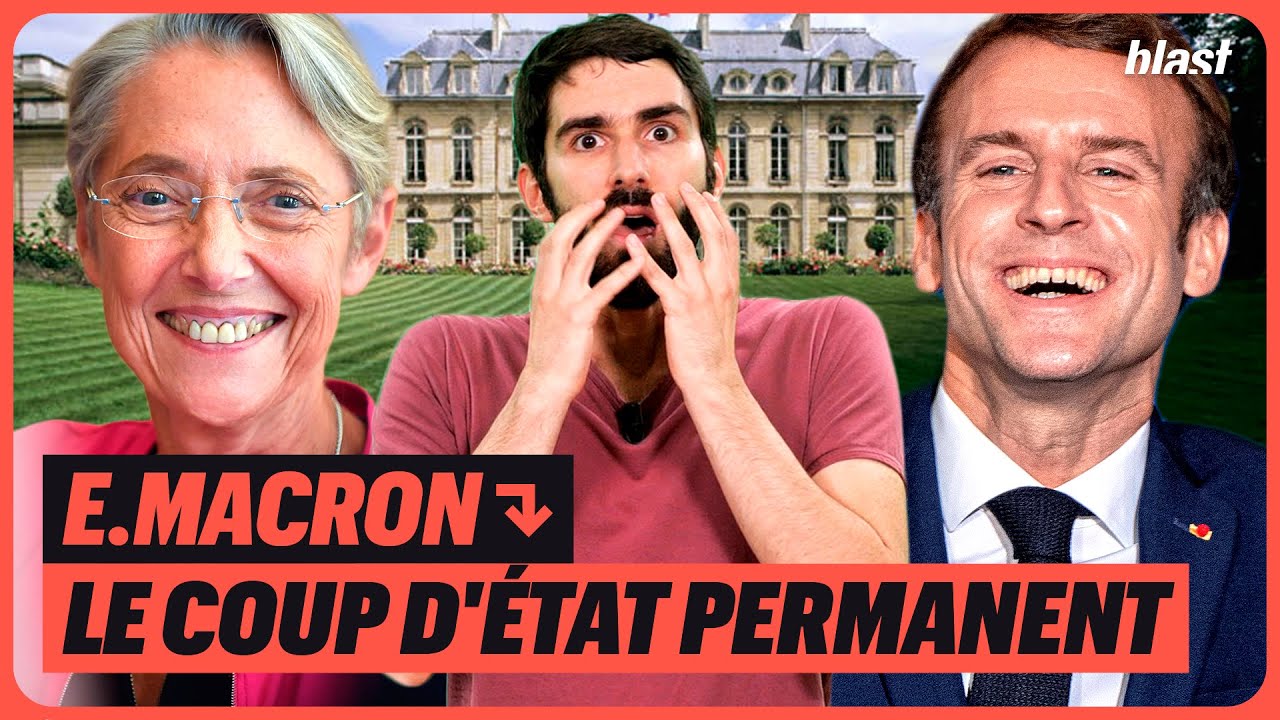
- Emmanuel Macron's use of executive orders ("ordonnances"): Macron, like De Gaulle, has frequently used "ordonnances" to implement controversial reforms, bypassing lengthy parliamentary debates. His labour reforms, for example, were pushed through using this method, sparking widespread protests. Are these just efficient ways of getting things done, or a sign of democratic deficit?
- The Yellow Vest Protests and the Government Response: The Yellow Vest protests exposed deep divisions in French society and raised questions about the government's response. Some critics argued that the government's heavy-handed tactics, including the use of tear gas and riot police, were reminiscent of the state of exception.
Each of these examples could be interpreted in different ways. But they all raise the same fundamental question: has De Gaulle's legacy created a system where the balance of power is tilted too far in favour of the executive?
The Verdict? It's Complicated.
So, is "Le Coup d'État Permanent" a real thing? Honestly, it's not a simple yes or no answer. It's more like a "maybe, with caveats, and a whole lot of historical context." De Gaulle undoubtedly shaped French politics in profound ways, and some of those ways may have had unintended consequences. Whether those consequences amount to a "permanent coup" is debatable, but it's certainly something worth thinking about.
Ultimately, the idea of "Le Coup d'État Permanent" is a reminder that democracy is not a static thing. It's a constant process of negotiation, compromise, and vigilance. And it requires us, the citizens, to be actively engaged in holding our leaders accountable and ensuring that power is not abused.
So, next time you're at a dinner party and someone starts waxing lyrical about De Gaulle, maybe you can throw in a little "Coup d'État Permanent" into the conversation. Just to keep things interesting! ;)