Ah, Jean de La Fontaine! Just saying his name conjures up images of idyllic French countryside, witty fables, and timeless truths. Today, let's unpack one of his most famous stories, Le Corbeau et le Renard (The Crow and the Fox). Don't worry, this isn't a high school literature class. We're approaching this classic with a relaxed, modern lens. Think of it as a literary life lesson, served with a side of café au lait.
Un Plat Principal: The Story Itself
For those who need a refresher (or, perhaps, a gentle introduction), here's the gist of the fable:
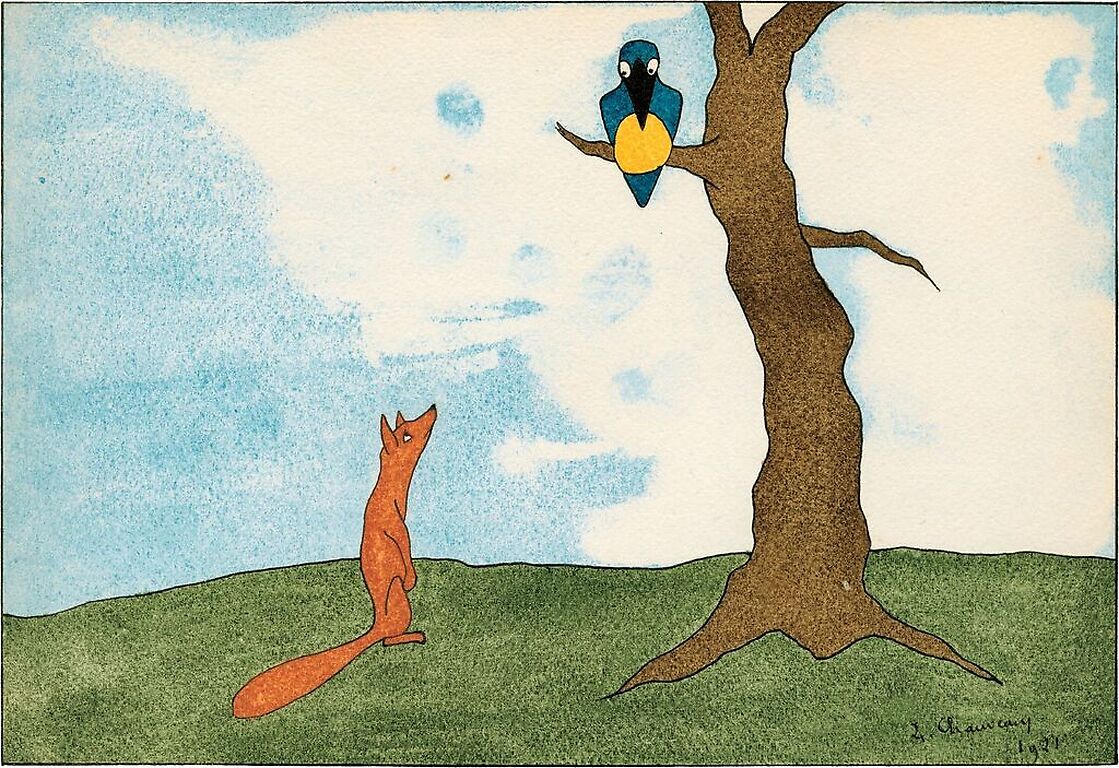
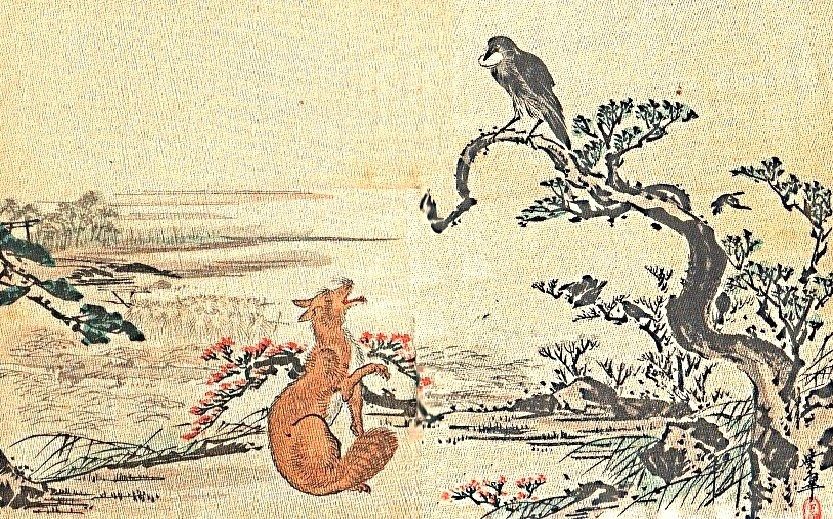
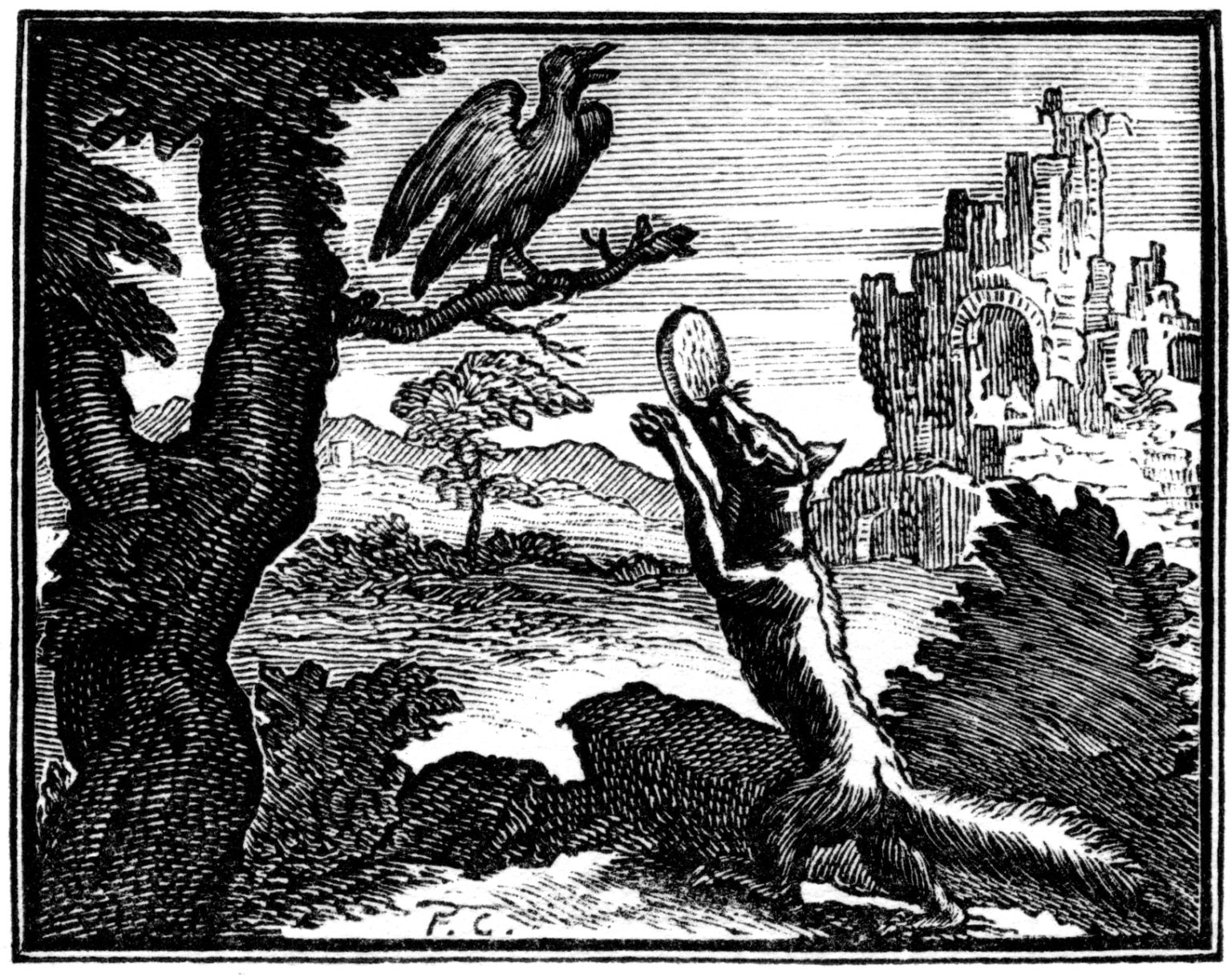
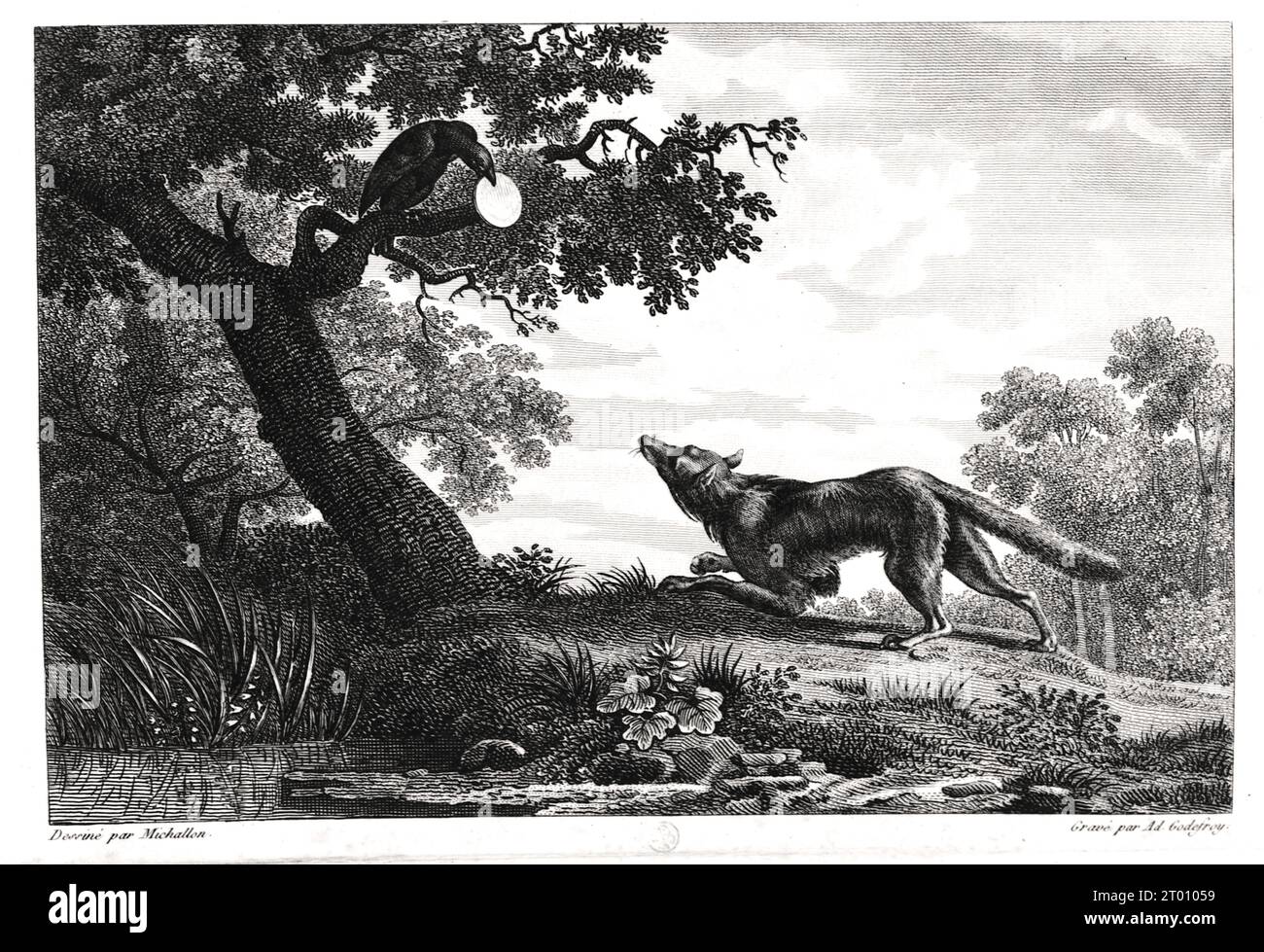
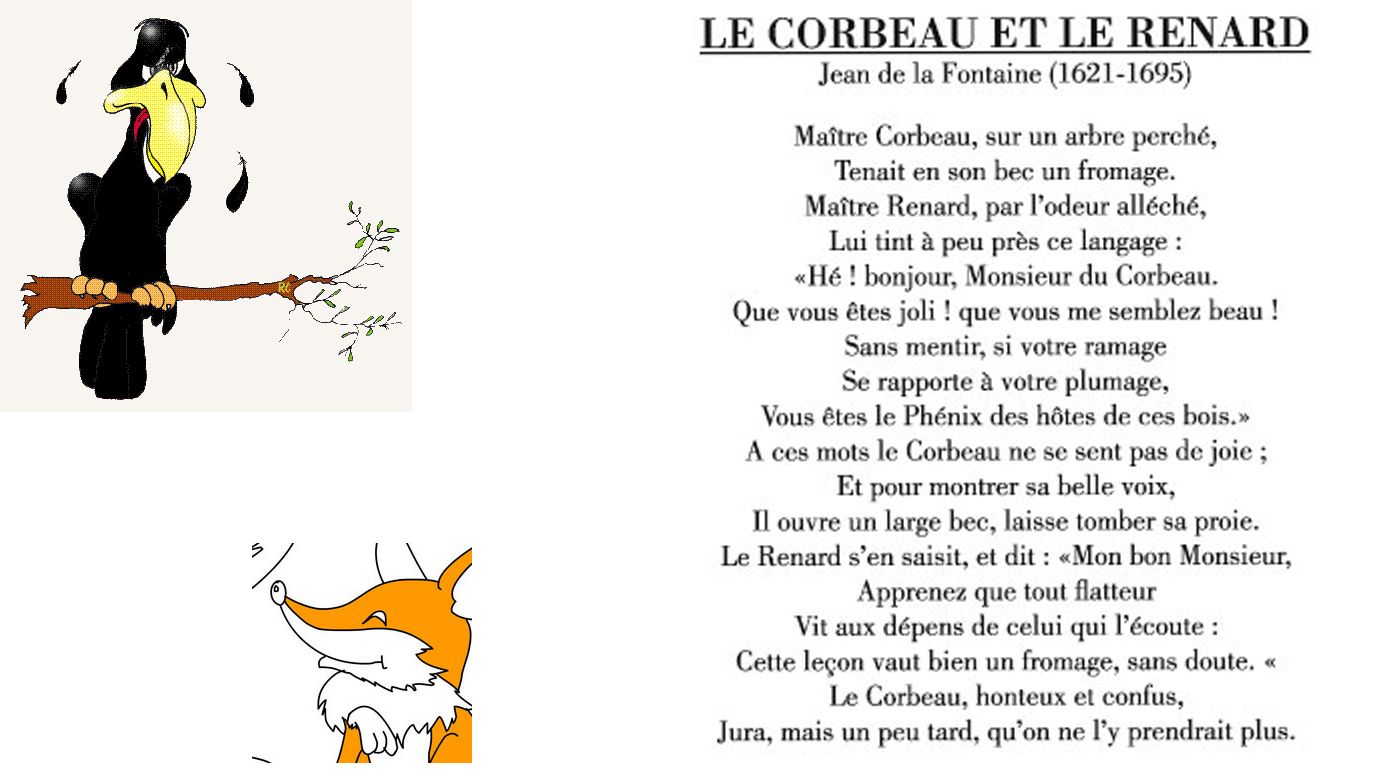
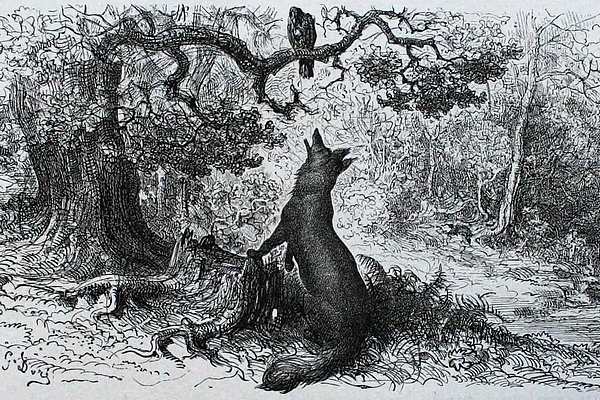
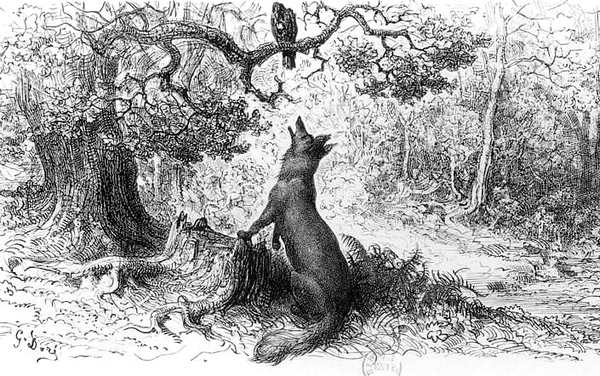
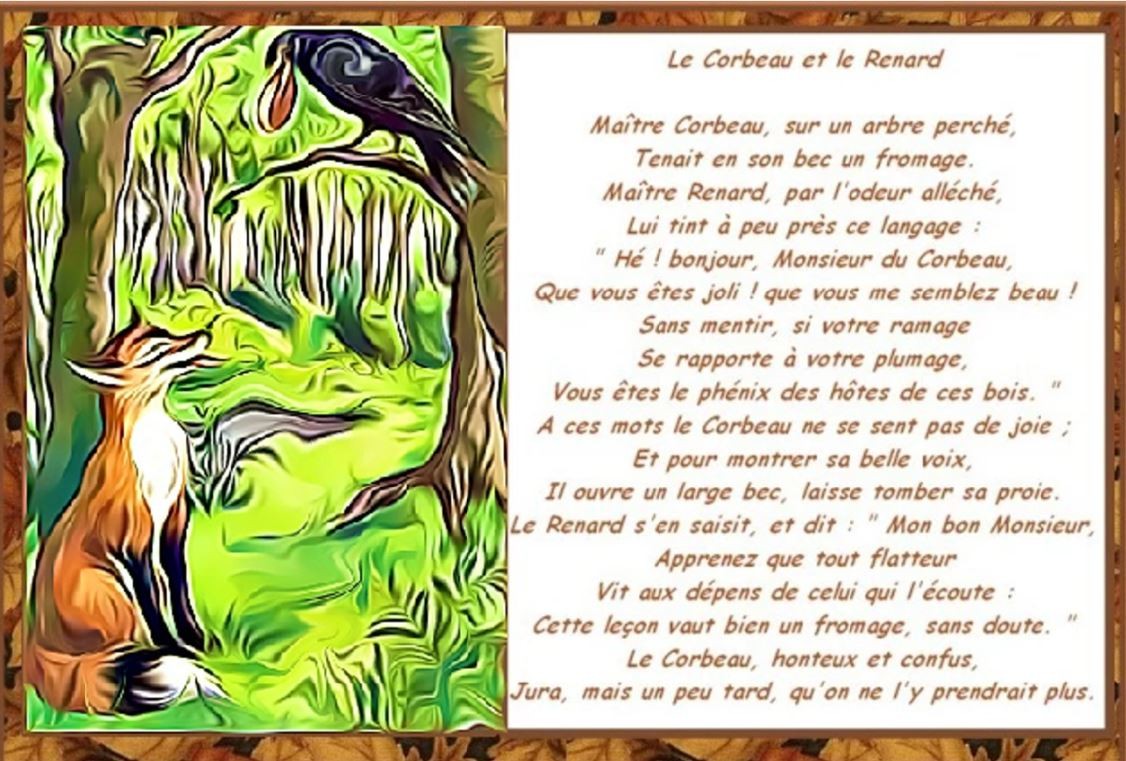
A crow, perched high in a tree, holds a delicious piece of cheese in its beak. A cunning fox, ever the opportunist, spots the crow and decides he wants that cheese. Instead of trying to snatch it directly (far too much effort!), the fox resorts to flattery.
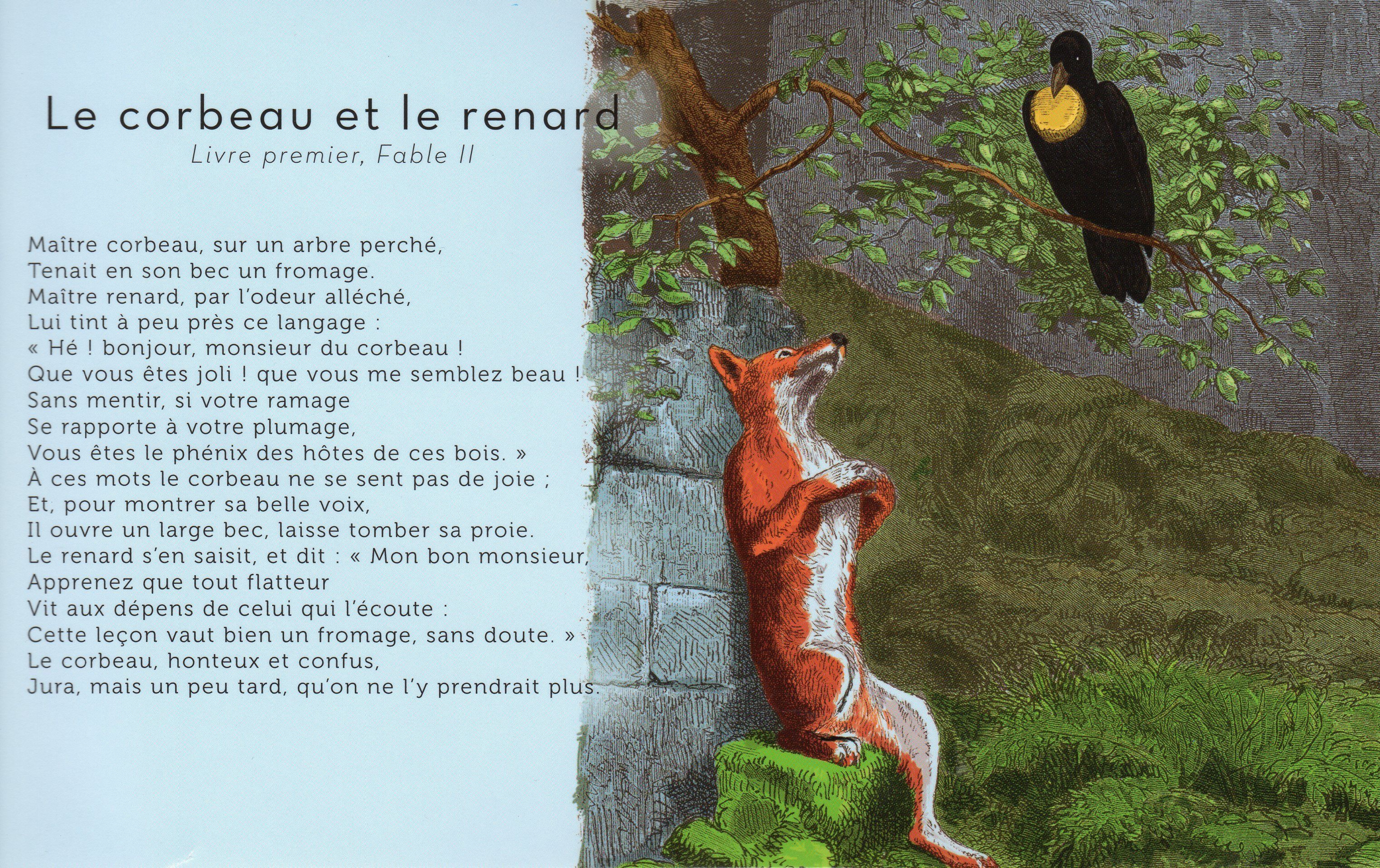
He praises the crow's beauty, its magnificent plumage, and then asks if its voice matches its stunning appearance. "If you have but the voice to match the plumage, you would be the Phoenix of these woods!" he exclaims.
The crow, completely taken in by the compliment, wants nothing more than to prove the fox right. So, it opens its beak wide and lets out a loud "CRAAAAW!" The cheese, naturally, falls to the ground, where the fox promptly snatches it up. The moral of the story, as La Fontaine elegantly puts it, is:
"Learn that every flatterer lives at the expense of he who listens to him."
Ingrédients: Deconstructing the Fable
So, why has this simple story resonated for centuries? Let's break down the key ingredients:

The Crow: The Naive Target
- The crow represents vanity and pride. It's so eager to be admired that it completely suspends its judgment.
- Think of the crow as that person who's always chasing likes on Instagram, blinded by the desire for validation.
- It's a cautionary tale about the dangers of letting ego cloud your decisions.
The Fox: The Master Manipulator
- The fox embodies cunning and deceit. He knows exactly what to say to get what he wants.
- He's the smooth-talking salesperson, the charismatic politician, the friend who always seems to get their way.
- The fox isn't necessarily evil, but he's definitely self-serving.
The Cheese: The Symbol of Value
- The cheese represents something of value, something the crow possesses that the fox desires.
- It could be anything: wealth, talent, status, or even just a good opportunity.
- The story highlights how others might try to exploit what you have if you're not careful.
La Garniture: Adding Some Cultural Flavor
La Fontaine wasn't the first to tell this story. In fact, the fable has roots in ancient Greece, attributed to Aesop. But La Fontaine's version is uniquely French, infused with his wit and elegance.
- French Literature 101: La Fontaine's Fables are a cornerstone of French literature, often taught to schoolchildren. They're more than just children's stories; they're reflections on human nature.
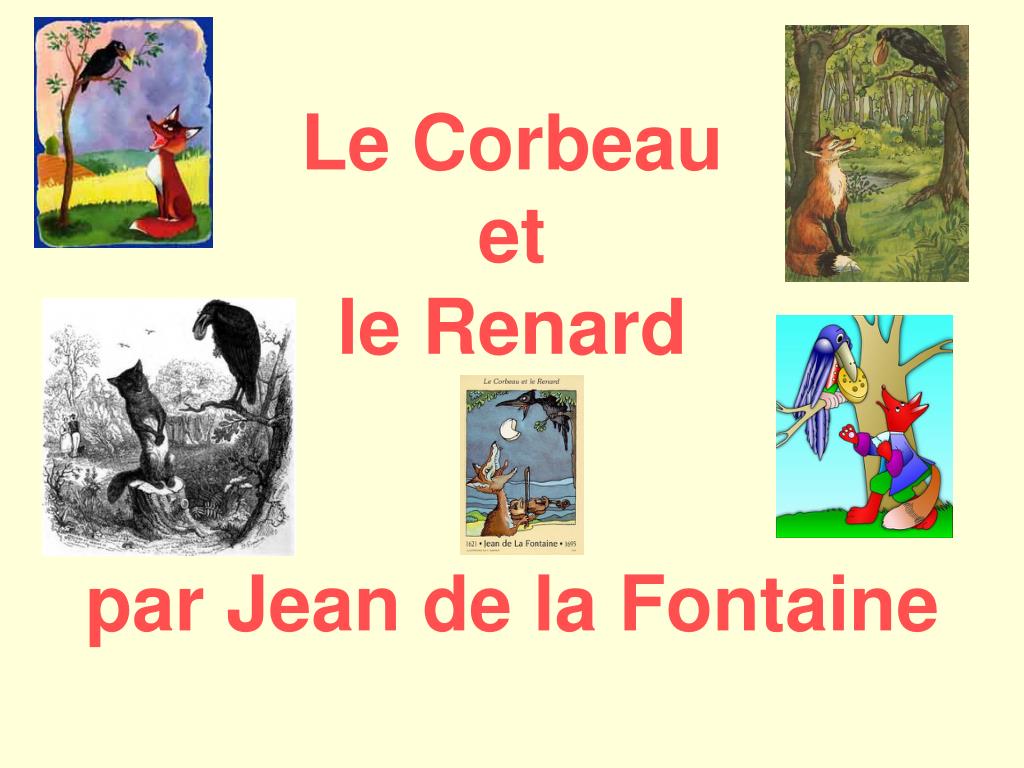
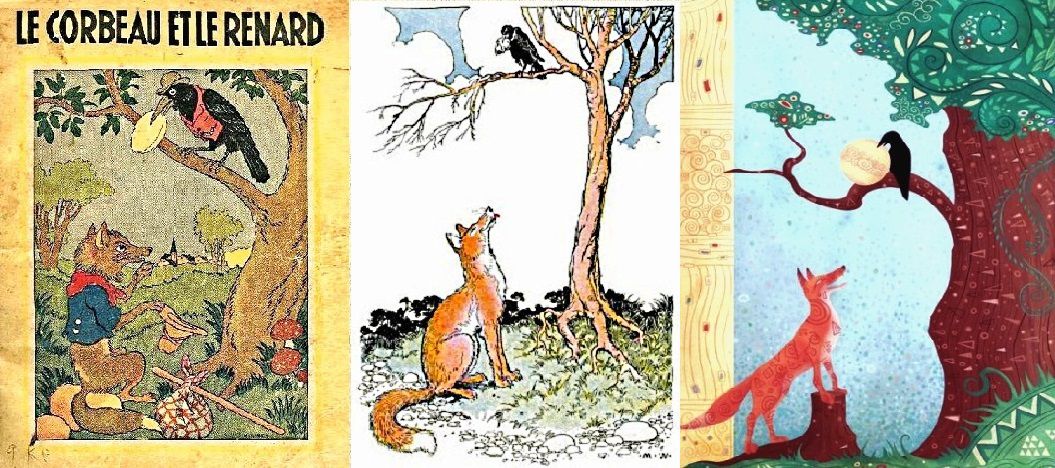
- Artistic Interpretations: The fable has inspired countless artists, from Gustave Doré to Marc Chagall. Search for "Le Corbeau et le Renard art" online – you'll find a stunning array of interpretations.
- Modern Adaptations: You might even hear references to the fable in contemporary French cinema or music. It's deeply embedded in the culture.
Conseils de Vie: Practical Takeaways for Today
Okay, so we've dissected the fable. But how does it apply to your everyday life? Here are a few practical tips:
- Be wary of excessive flattery. When someone lays it on thick, take a step back and ask yourself what they might be after. As they say in French, "Méfiez-vous des louanges excessives" (Be wary of excessive praise).
- Know your strengths, but don't let them go to your head. Confidence is good, arrogance is not. Focus on authentic achievements rather than seeking empty validation.
- Protect your assets. Whether it's your time, your money, or your ideas, be mindful of who you share them with. Don't be afraid to say "no" to requests that don't align with your goals.
- Develop critical thinking skills. Don't blindly accept everything you hear. Question assumptions, evaluate evidence, and form your own opinions.
- Embrace humility. Recognizing your own flaws and limitations makes you less susceptible to manipulation. No one is perfect!
Une Petite Anecdote: A Fun Fact
Did you know that La Fontaine's own life wasn't exactly a model of virtue? He was known for being absent-minded, disorganized, and somewhat… eccentric. Perhaps he drew inspiration from his own experiences with human foibles!
Le Digestif: A Moment of Reflection
Le Corbeau et le Renard, at its heart, is a reminder that appearances can be deceiving, and that genuine value lies not in outward praise, but in inner strength and wisdom. It's about staying grounded, knowing your worth, and being able to discern sincere appreciation from manipulative flattery. It encourages us to be mindful, to cultivate self-awareness, and to resist the temptation to seek validation from external sources. In a world saturated with social media and constant self-promotion, La Fontaine's fable is more relevant than ever. So, next time someone starts showering you with compliments, take a moment to pause, breathe, and remember the crow and the cheese. You might just save yourself a valuable piece of something special.