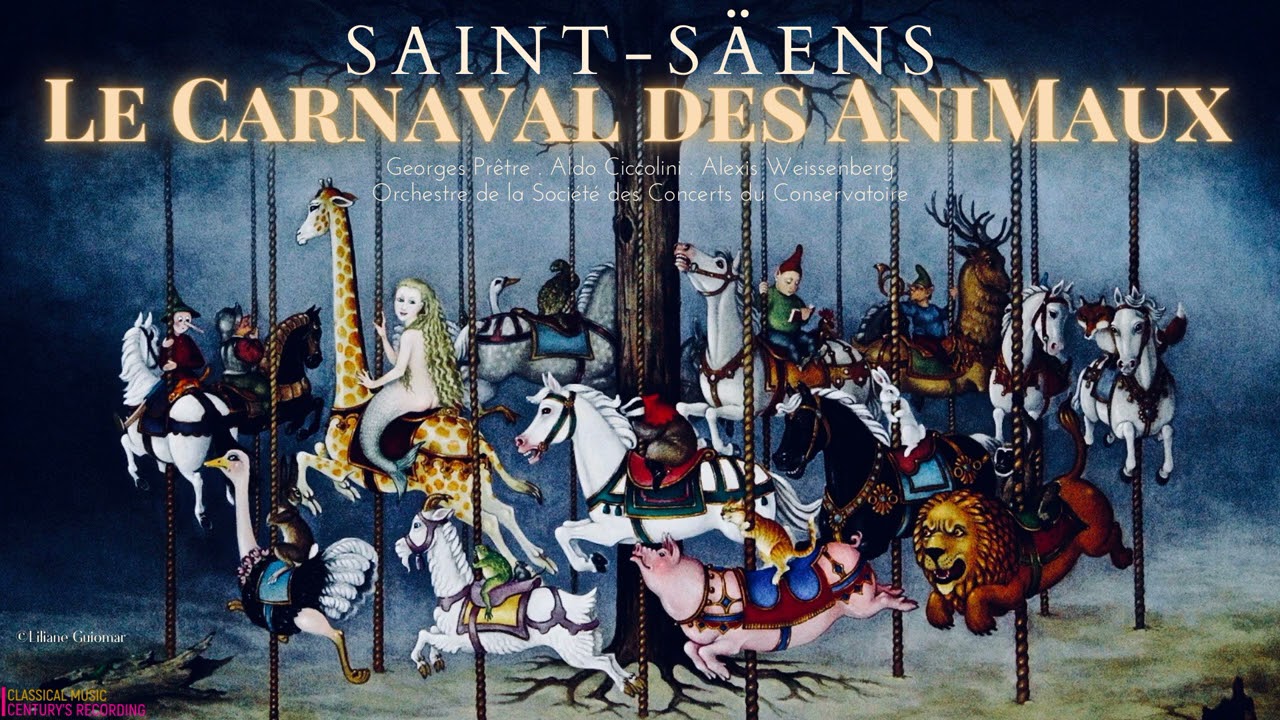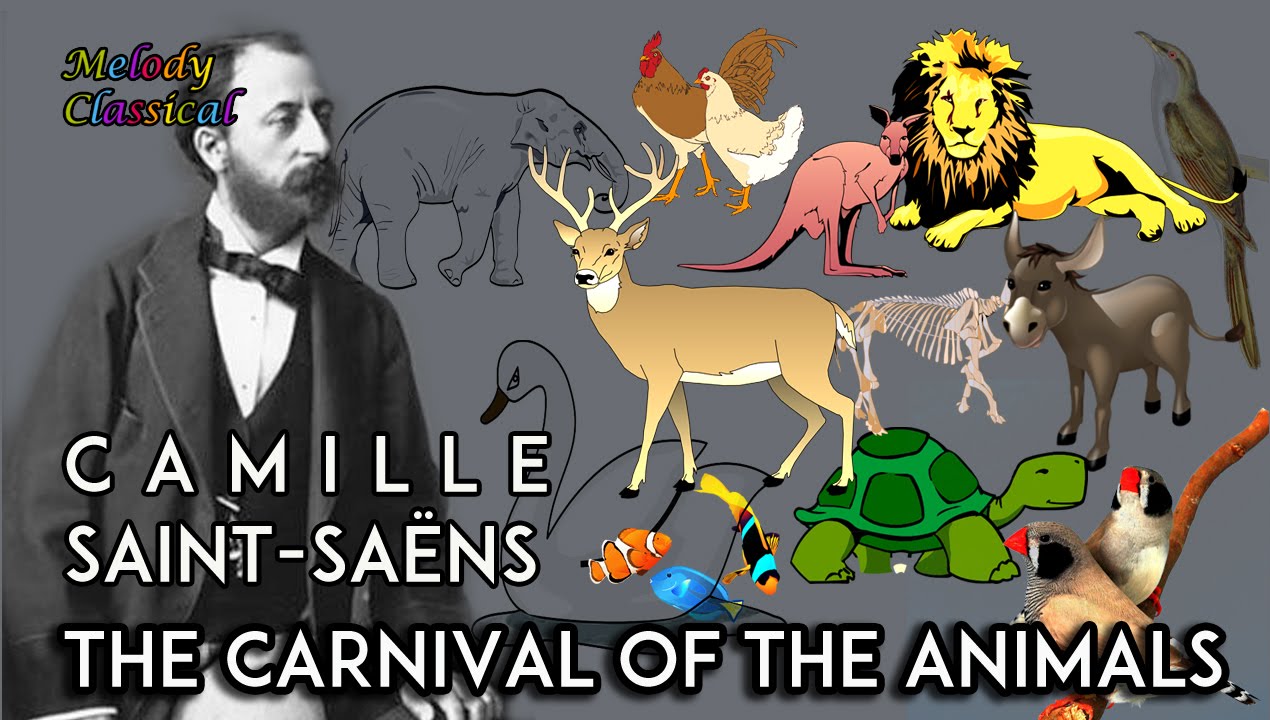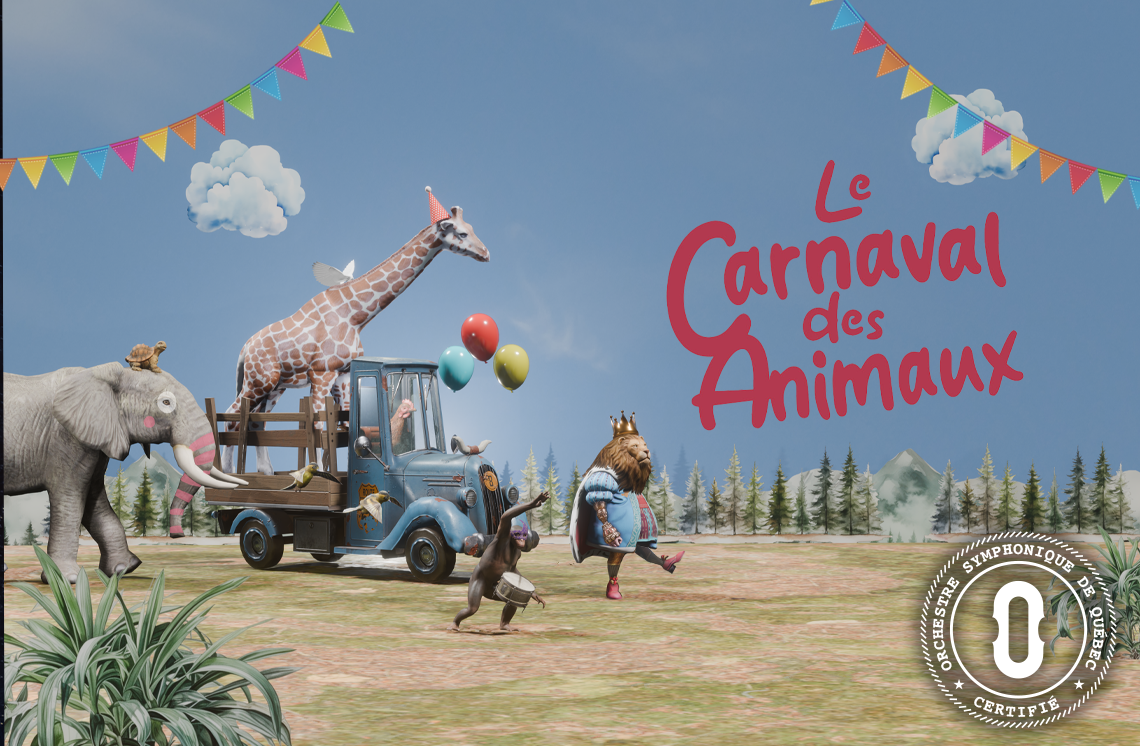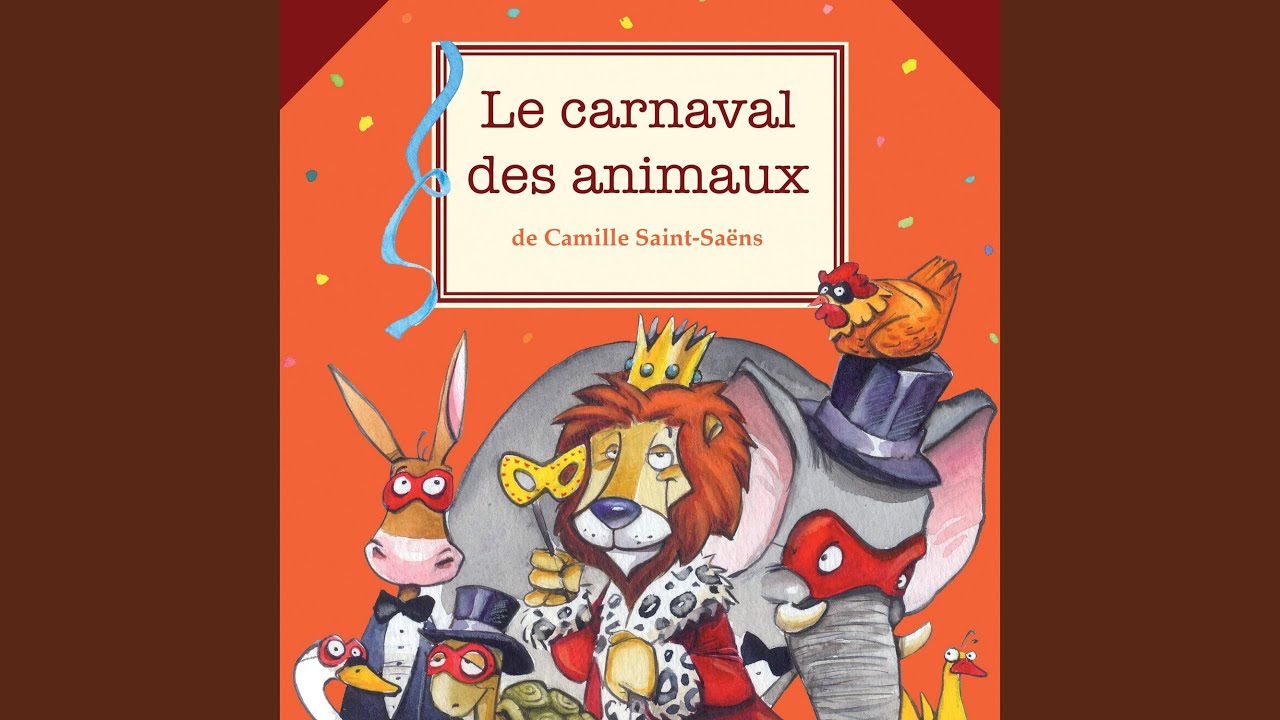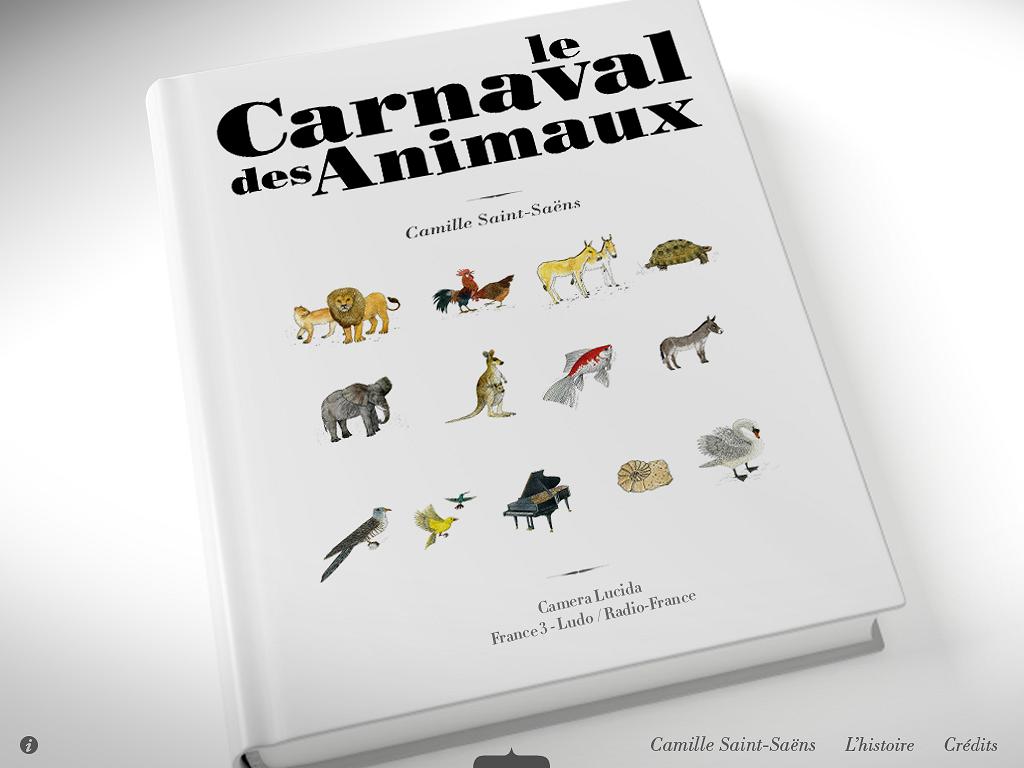
Bonjour, mes amis! Let's waltz into the whimsical world of Le Carnaval des Animaux (The Carnival of the Animals), a musical suite by Camille Saint-Saëns that’s more than just a concert piece; it's a playful journey through the animal kingdom, rendered in brilliant sound. Think of it as your personal soundtrack to a day at the most eccentric, charming zoo you've ever imagined. Forget stuffy classical music stereotypes; this is music for everyone, from seasoned concert-goers to kids discovering the magic of orchestral sounds.
A Musical Menagerie: Getting to Know the Animals
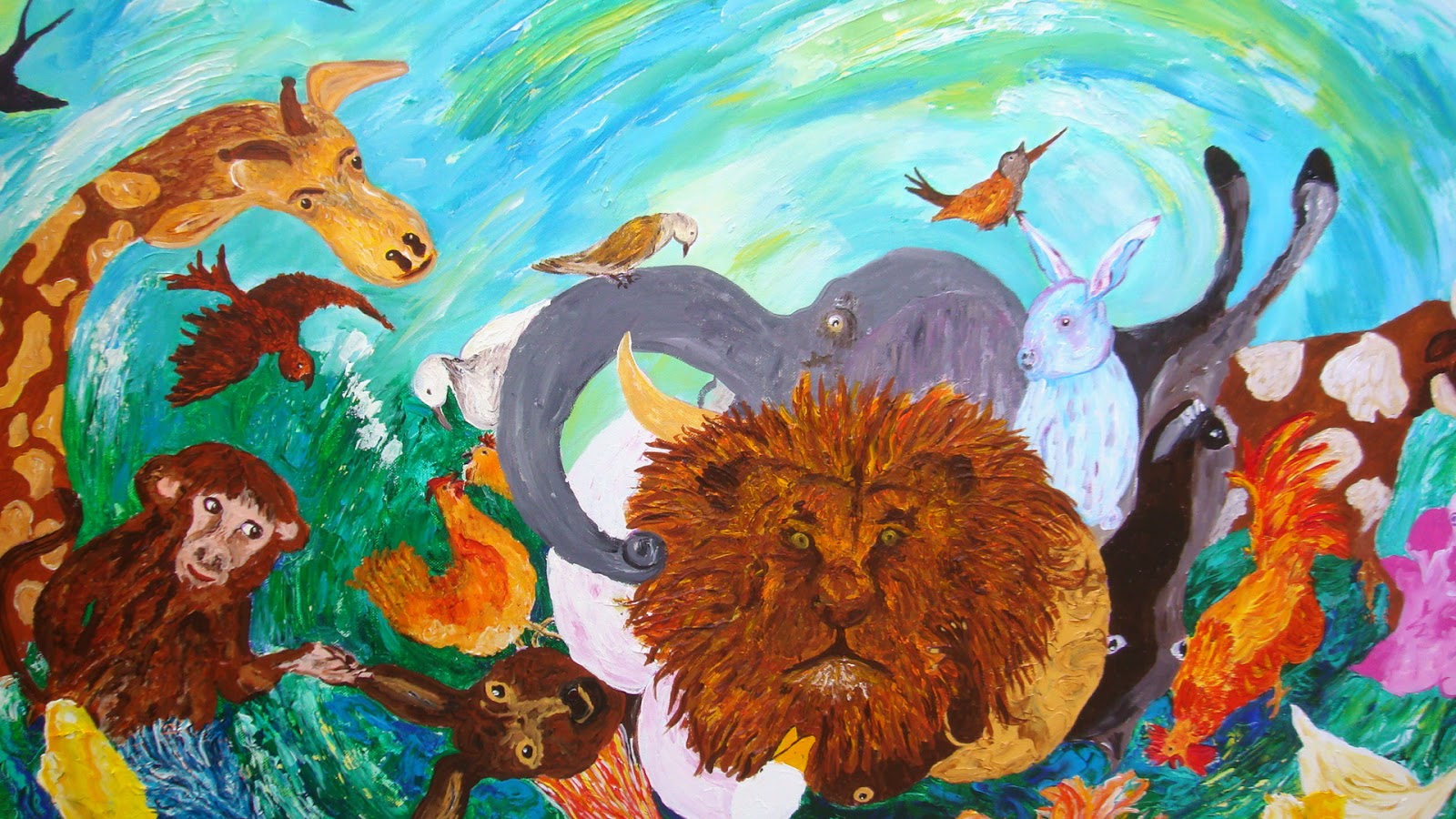
Le Carnaval des Animaux is composed of fourteen movements, each portraying a different animal or group of animals. Each movement is like a miniature musical portrait, using clever melodies, rhythms, and instrumental combinations to bring these creatures to life. Imagine a painter using vibrant colors; Saint-Saëns uses notes and instruments with the same panache.
The Royal March of the Lion: Majestic and Mirthful
The suite opens with "Introduction et Marche Royale du Lion" (Introduction and Royal March of the Lion), and it's immediately clear this isn't your average regal fanfare. While undeniably majestic, there's a touch of playful pomposity. Think of a lion strutting about, fully aware of its position, but not taking itself too seriously. The rumbling basslines and dramatic chords paint the picture of a powerful king, but the slightly off-kilter rhythm hints at a light-hearted spirit. Imagine Mufasa, but with a knowing wink.
Hens and Roosters: A Barnyard Brouhaha
Next, we have "Poules et Coqs" (Hens and Roosters). This movement is a delightful cacophony of clucking and crowing, perfectly capturing the busy energy of a farmyard. The high-pitched violins imitate the hens' chatter, while the piano provides the rooster's proud, almost boastful calls. You can almost see the feathers flying! This is a great one to play for kids – ask them to imitate the sounds they hear in the music.
Wild Asses (Hemiones): A Flash of Energy
"Hémiones (animaux véloces)" (Wild Asses [quick animals]) is a burst of pure energy. The pianos play rapid, swirling figures, evoking the image of wild asses galloping across the plains. This movement is short but incredibly effective in conveying a sense of speed and untamed freedom. It’s like a musical espresso shot!
Tortoises: A Sluggish Serenade
In stark contrast, "Tortues" (Tortoises) slows things down dramatically. Saint-Saëns cleverly quotes the famous can-can theme from Offenbach's Orpheus in the Underworld, but at a snail's pace. The result is hilariously absurd, creating a picture of tortoises painstakingly performing a normally energetic dance. It's a gentle reminder that even the most frantic melodies can be transformed with a change of tempo.

The Elephant: A Heavyweight Waltz
“L'Éléphant" (The Elephant) is another humorous highlight. Played by the double bass, the melody is surprisingly graceful, considering the instrument's low register. It's a waltz, but a decidedly heavy one, conjuring up the image of a lumbering elephant attempting to dance. This movement also quotes themes from Berlioz and Mendelssohn, adding another layer of musical wit.
Kangaroos: Hopping High
"Kangourous" (Kangaroos) features the piano, and accurately mimics their bounding movements with staccato chords, creating the rhythmic feel of a kangaroo hopping. It's another short, sweet movement that perfectly captures the animal's unique gait.
Aquarium: An Underwater Oasis
"Aquarium" is arguably one of the most beautiful and evocative movements in the entire suite. The shimmering strings and piano create an ethereal, underwater atmosphere, while the glass harmonica (or celeste in some performances) adds a touch of magic. You can almost see the colorful fish darting through the coral reefs. This is a perfect movement to relax to, to close your eyes and be transported to the depths of the ocean.
Characters with Long Ears: A Bumbling Ballet
"Personnages à longues oreilles" (Characters with Long Ears) is generally interpreted as representing donkeys. The violins play high-pitched, braying sounds, creating a comical and slightly chaotic atmosphere. Think of it as a ballet performed by slightly clumsy donkeys.
The Cuckoo in the Depths of the Woods: A Solitary Sound
“Coucou au fond des bois” (Cuckoo in the Depths of the Woods) is haunting in its simplicity. The clarinet plays the cuckoo's distinctive call, echoing through the "woods" created by the rest of the orchestra. This movement evokes a sense of solitude and peace.
Birds: A Fluttering Flight
"Volière" (Birds) is a whirlwind of flutes and high strings, mimicking the flutter and chirp of birds in flight. It's a lively and cheerful movement that captures the joy of springtime.

Fossils: A Musical History Lesson
"Fossiles" (Fossils) is perhaps the most musically complex and interesting movement. Saint-Saëns quotes several of his own works, as well as melodies from other composers like Rossini's The Barber of Seville and the French folk song "Twinkle, Twinkle Little Star" (or as the French would say "Ah! vous dirai-je, Maman"). It’s a playful musical joke, suggesting that these melodies are now relics of the past, like fossils. This movement is a testament to Saint-Saëns' wit and musical knowledge.
The Swan: Grace and Elegance
"Le Cygne" (The Swan) is the most famous movement from Le Carnaval des Animaux and is often performed separately. The cello plays a beautiful, melancholic melody, while the piano provides a gentle, rippling accompaniment. It perfectly captures the grace and elegance of a swan gliding across the water. This is a timeless piece of music that evokes feelings of peace and tranquility. It makes you realize how beautiful and peaceful music can be with a simple tune.
Finale: A Grand Celebration
The "Finale" brings all the animals back together for a grand celebration. Fragments of themes from previous movements reappear, creating a lively and joyous conclusion to the suite. It's a fitting end to this wonderful journey through the animal kingdom.

Bringing the Carnival to Life: Practical Tips for Enjoyment
- Listen Actively: Don't just let the music wash over you. Pay attention to the different instruments and how they are used to represent the animals.
- Watch a Performance: Seeing a live performance of Le Carnaval des Animaux can be an incredibly enriching experience. Check local concert listings or search for online performances.
- Share it with Children: This is a great piece of music to introduce children to classical music. The animal themes are engaging, and the music is accessible and fun. Try playing a guessing game to identify the animals as they listen!
- Explore Further: Learn more about Camille Saint-Saëns and his other works. He was a prolific composer with a wide range of musical styles.
- Create Your Own Carnival: Let the music inspire your own creativity. Draw pictures of the animals, write stories about them, or even create your own choreography to the music.
A Little Bit of French Culture: More Than Just Music
While Saint-Saëns wasn't explicitly writing about French culture, Le Carnaval des Animaux is inherently French in its wit, elegance, and sense of humor. French culture often embraces playful irony and a lighthearted approach to serious subjects. This is evident throughout the suite, from the tortoises dancing the can-can to the elephant attempting a waltz.
Consider the context. Saint-Saëns composed this for a private performance, almost as a joke amongst friends. It was only published after his death, a testament to its lasting appeal despite being initially considered a lighthearted diversion by the composer himself. This reflects a certain French sensibility – valuing artistry even when it’s not necessarily presented with grand pretensions.
Finding the Carnival in Everyday Life
Le Carnaval des Animaux reminds us that even in the midst of our daily routines, there's room for playfulness, imagination, and a touch of the absurd. Just as Saint-Saëns found inspiration in the animal kingdom, we can find beauty and humor in the world around us. Maybe it’s the way a squirrel darts across the park, or the sound of a cat purring on your lap. Take a moment to appreciate the small, often overlooked moments of joy that life has to offer.
Embrace the joie de vivre. Don't be afraid to let your inner child out. After all, life is a carnival, and we are all just animals dancing to our own unique tunes.