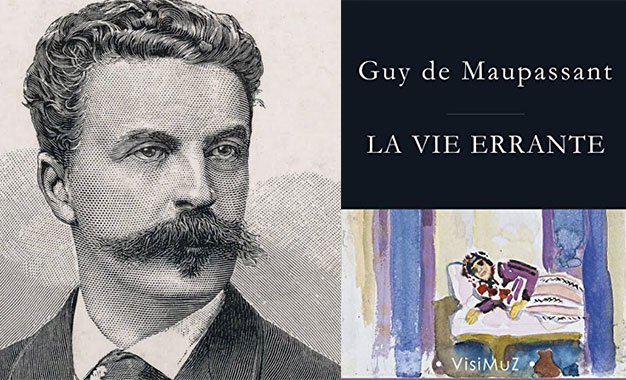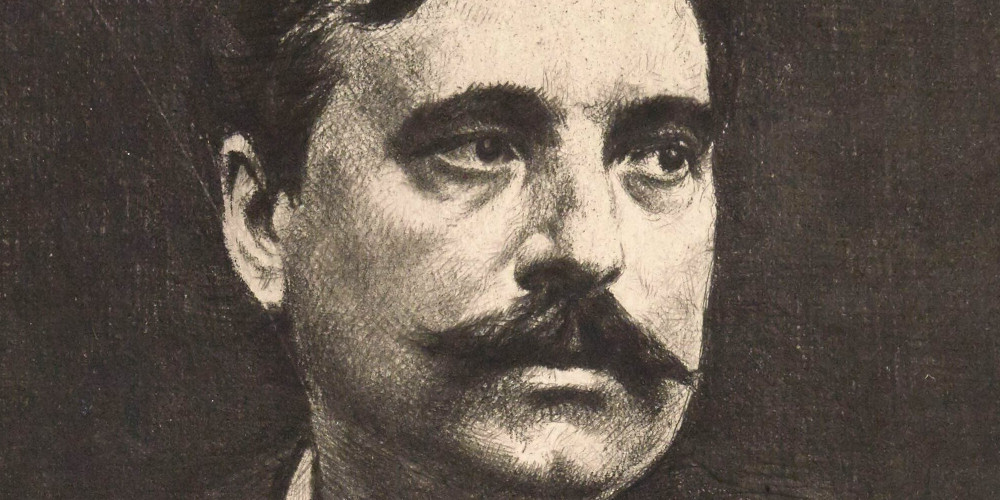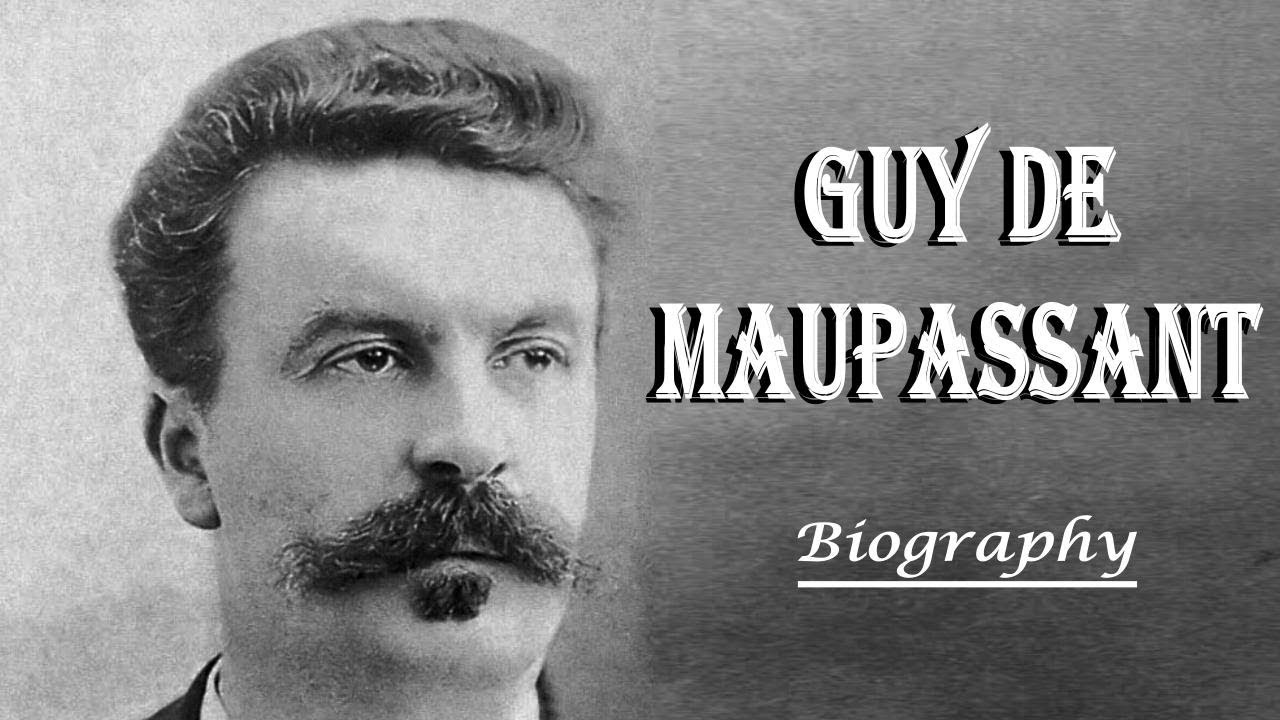
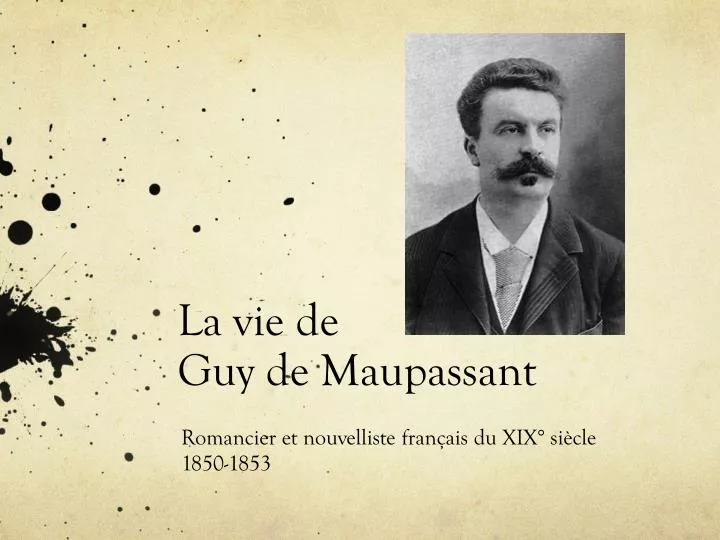
Ah, Maupassant! Just the name conjures up images of Parisian cafes, rain-slicked cobblestones, and stories that linger long after you’ve finished reading them. Ever wonder about the man behind the tales? Let’s pull up a chair and chat about the life of Guy de Maupassant.
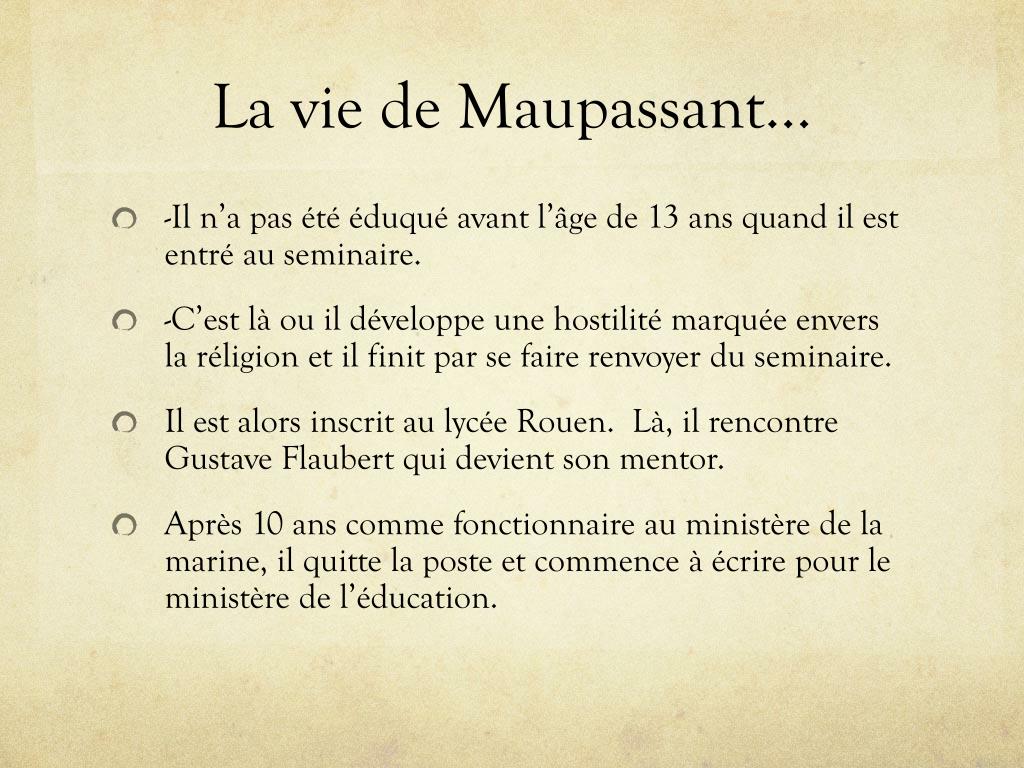
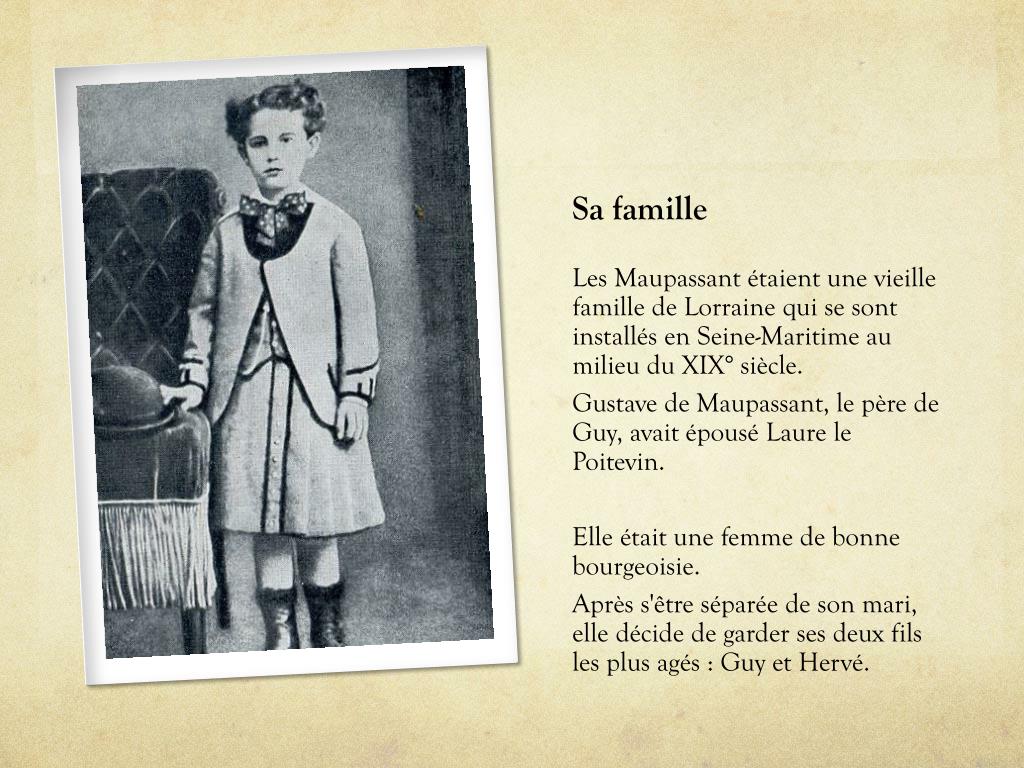
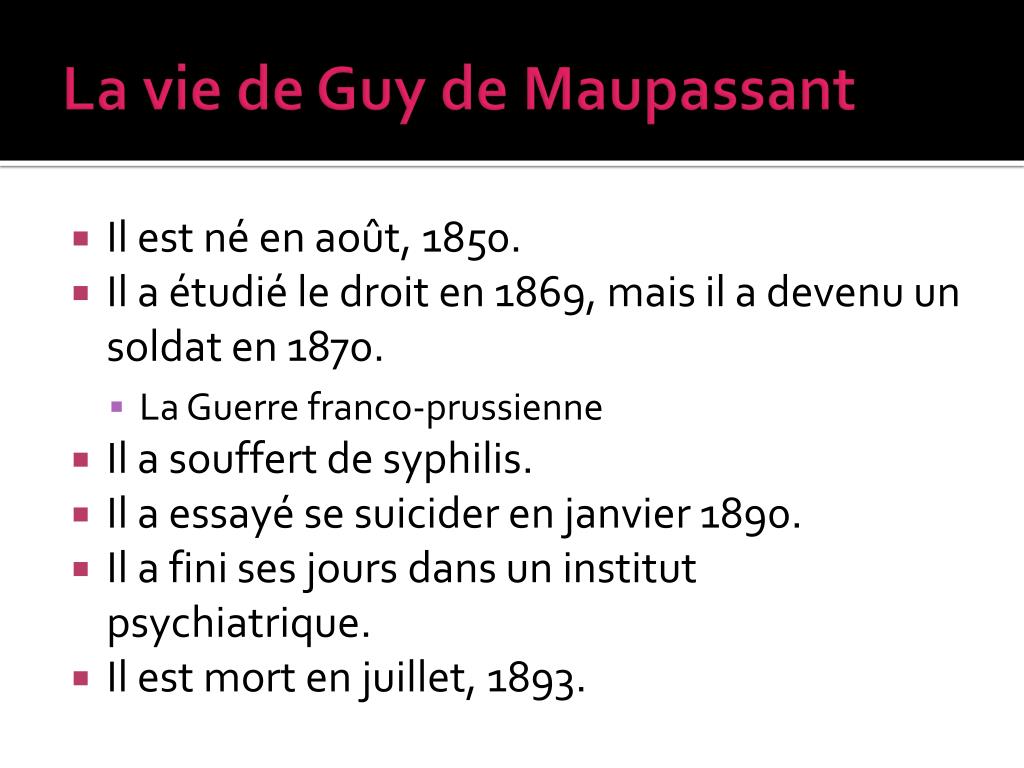
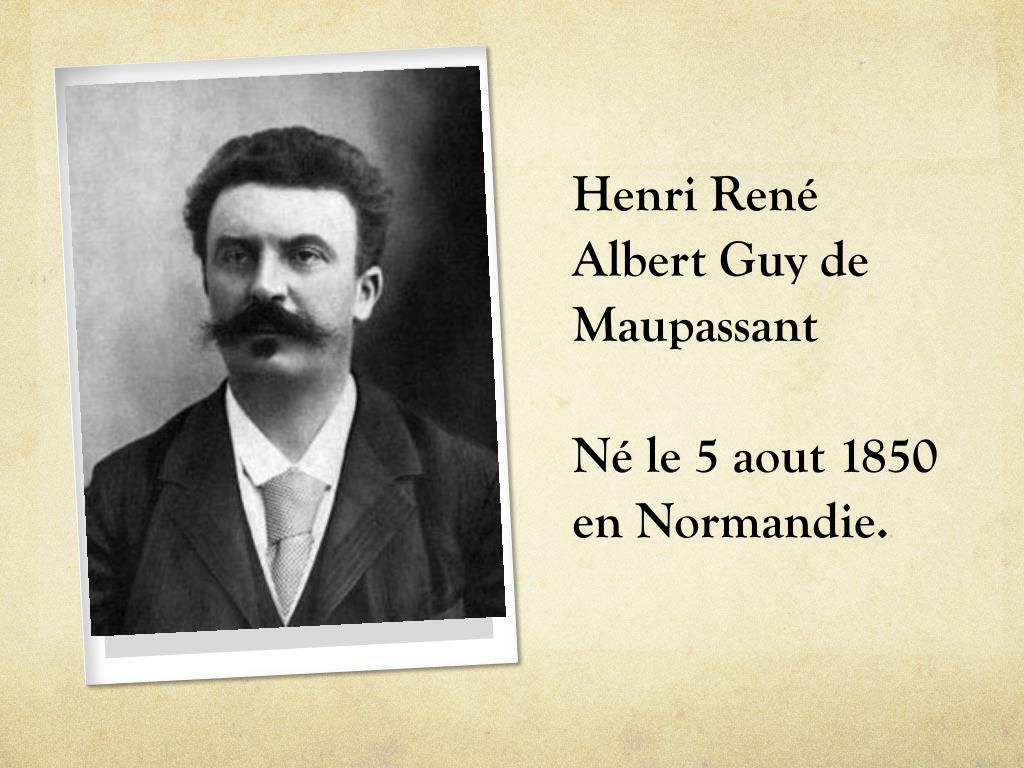
Born in 1850 in Normandy, he wasn’t exactly born with a silver spoon. His parents separated when he was young, and his mother, Laure Le Poittevin, played a massive role in his life. Think of her as his first literary influence, nurturing his love for books and the natural world. Doesn’t every great writer have a strong maternal figure lurking somewhere in their biography?
Early Influences and Literary Beginnings
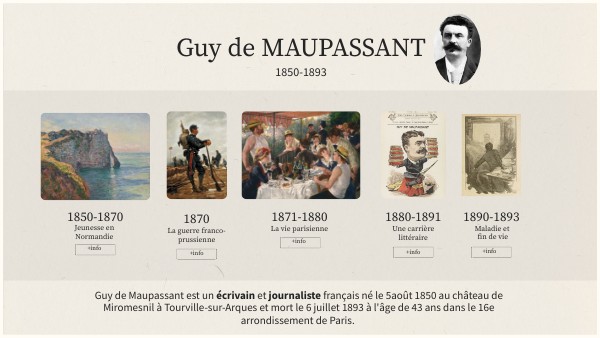
Young Guy wasn’t always destined for literature, though. He dabbled in law, even served in the Franco-Prussian War. Can you imagine Maupassant in uniform? But the war… well, it left a mark. A somber, reflective mark that found its way into his writing, no doubt.
It was his mother who introduced him to Gustave Flaubert, author of Madame Bovary. Flaubert became Maupassant's mentor, guiding him, pushing him, and critiquing his early works. Talk about a lucky break! Imagine having Flaubert as your personal writing coach. Jealous, aren't we?
Flaubert instilled in him a commitment to precise observation, to finding the exact right word, to capturing the essence of a scene with unflinching realism. And Maupassant, being the brilliant student he was, soaked it all up like a sponge.
A Budding Writer
Maupassant's first big splash came with "Boule de Suif" (Ball of Fat) in 1880. A short story set during the Franco-Prussian War, it's a cynical, thought-provoking piece about hypocrisy and social injustice. Bam! Just like that, he was a literary star.
It's a truly unforgettable story, isn't it? The contrast between the supposed morality of the upper classes and the actual kindness and sacrifice of the prostitute is just… powerful.
Success and the Parisian Life
The years that followed were a whirlwind of writing and Parisian society. He churned out novels, short stories, plays, travelogues – you name it, he wrote it. He was a literary machine!
Think of him zipping around Paris, attending literary salons, debating philosophy, and observing the city's vibrant, often contradictory, life. He was a true flâneur, a keen observer of the human condition.
He explored themes of love, loss, ambition, and the darker side of human nature. "Bel-Ami", for example, is a scathing satire of Parisian journalism and social climbing. Have you read it? It’s as relevant today as it was back then!
His short stories, though, are arguably where he truly shines. “The Necklace,” “The Tellier House,” “The Horla” – these are masterpieces of concision and psychological insight. Each one packs a punch, leaving you pondering long after you've finished reading.
The Darker Side
But life wasn't all champagne and literary acclaim. Maupassant struggled with illness, both physical and mental. He contracted syphilis, a devastating disease in those days, and his mental state gradually deteriorated. He also faced a deep-seated loneliness, despite being surrounded by people.
His later works reflect this growing darkness. "The Horla," a chilling tale of madness and possession, is particularly unsettling. Can you feel the creeping dread in those pages?
A Tragic End
In 1892, at the young age of 42, Maupassant attempted suicide. He was committed to an asylum, where he spent the last year of his life. A tragic end for such a brilliant and prolific writer.
It's a somber reminder that even the most talented and successful individuals can struggle with inner demons. But his struggles also add a layer of depth and complexity to his work. Don't you think?
It's easy to focus on the tragedy of his final years. But let’s remember the vibrant, insightful, and incredibly talented writer he was. He left behind a legacy of unforgettable stories that continue to resonate with readers today.

Legacy and Enduring Appeal
Maupassant’s influence on literature is undeniable. He mastered the art of the short story, proving that a powerful narrative doesn't need hundreds of pages to make an impact. His focus on realism, his sharp observations, and his unflinching portrayal of human flaws have influenced countless writers.
And his stories... They’re still read, studied, and adapted into films and plays. Why? Because they speak to something fundamental about the human condition. They explore our desires, our fears, our vulnerabilities, and our capacity for both good and evil.
So, the next time you’re looking for a good read, pick up a collection of Maupassant’s short stories. Immerse yourself in his world of Parisian cafes, Norman landscapes, and complex characters. You might just find yourself captivated by the life and work of this extraordinary writer.
Even though his life ended tragically, his stories continue to bring joy (and sometimes a little discomfort!) to readers around the world. And that, my friends, is a legacy worth celebrating. Now, how about another coffee?