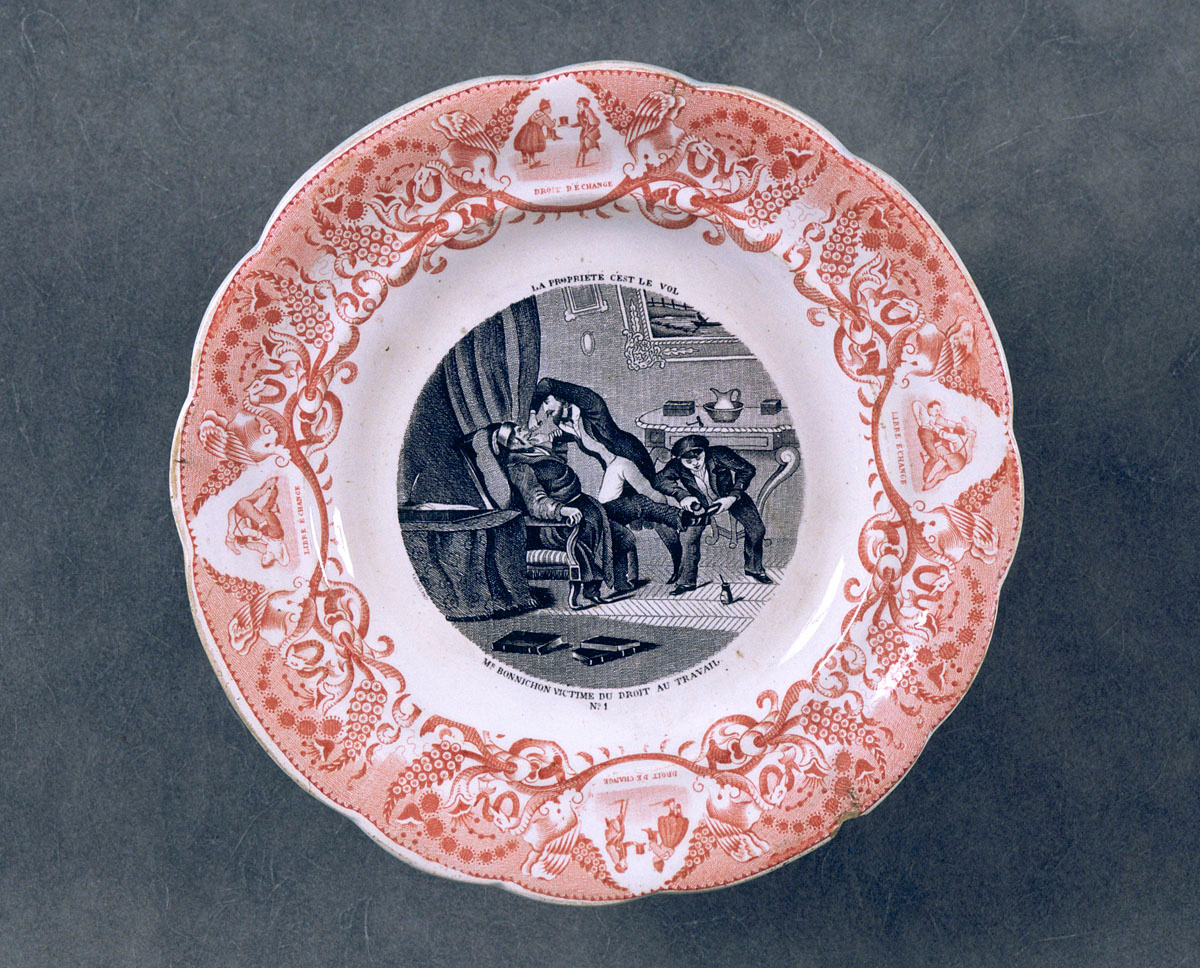
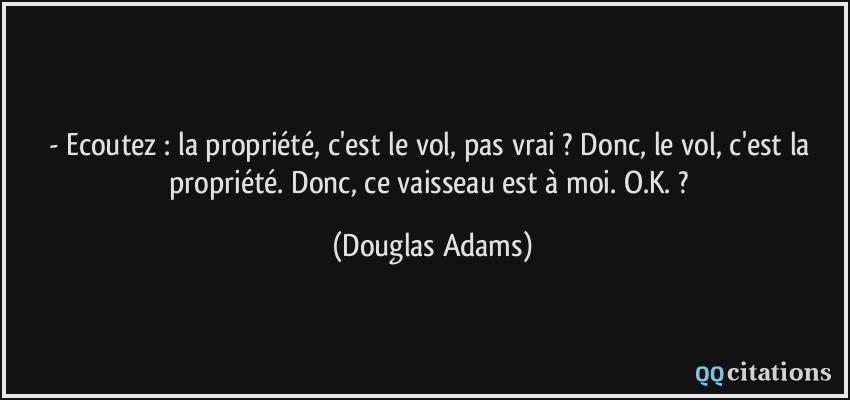
Ah, "La propriété, c'est le vol!" – a fancy French phrase that translates to "Property is theft!" Sounds intense, right? Like something a supervillain would scream before robbing a bank. But honestly, stick with me. It's not as radical as it sounds. In fact, I bet you've felt this way at least once, maybe without realizing it.
Think about it this way: remember when your younger sibling "borrowed" your favorite t-shirt without asking, stretched it out, and returned it with a mysterious stain? That's property is theft! It's the gut feeling you get when you see someone benefiting from something that should rightfully belong to everyone, or at least be shared a little more fairly.
The 'Your Toys are Mine' Principle
Now, let's rewind to childhood. Ever played with a kid who had the coolest toys, the ones you desperately wanted to get your hands on? And yet, they’d hoard them like a dragon sitting on a pile of gold, only letting you maybe touch them if you performed a series of humiliating tasks (like singing "Twinkle Twinkle Little Star" while standing on one leg)?
"La propriété, c'est le vol!" resonates right there. Why should one kid have all the awesome stuff while everyone else just gets to watch? It’s a miniature version of the larger issue, a tiny taste of inequality baked into the sandbox.
A Little History (Without the Boring Bits)
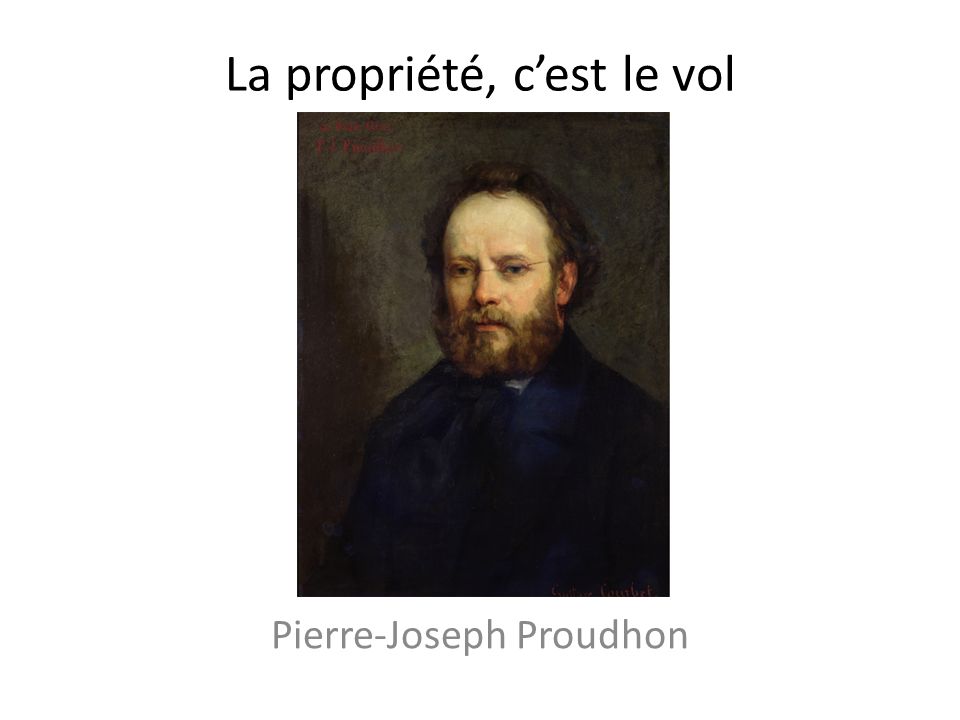
So, where did this catchy phrase come from? Blame a guy named Pierre-Joseph Proudhon, a French anarchist, back in the 1840s. He wasn't exactly advocating for mass looting or anything. He was trying to point out the inherent injustice in a system where some people amass wealth simply by owning things (land, businesses, etc.) while others have to work their tails off just to survive.
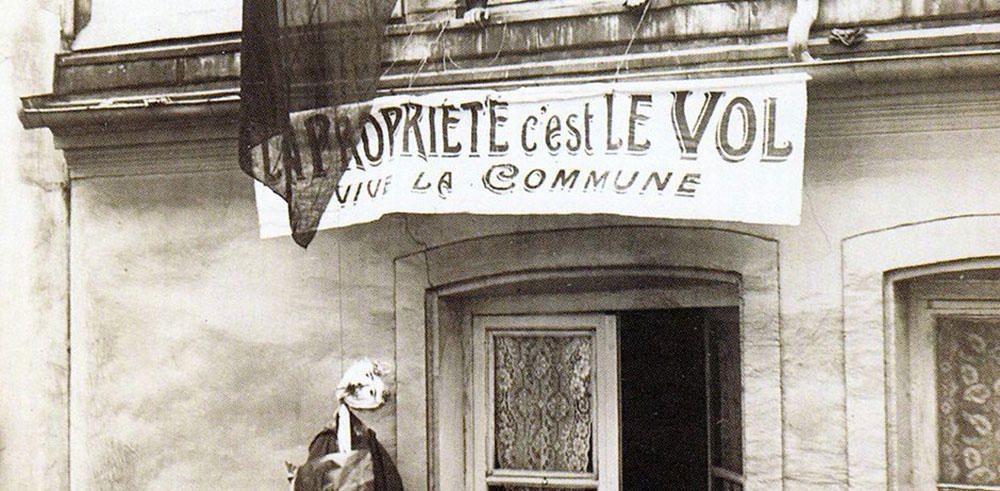
He saw that the "property" these people possessed was often acquired through exploiting the labor of others, through historical injustices, or through systems that were rigged in their favor. Think of feudal lords owning all the land and the peasants being forced to work it for practically nothing. That's the kind of thing Proudhon was talking about.
Modern-Day Examples (Because Feudal Lords are So Last Season)
Okay, so maybe feudal lords aren't a daily problem anymore (unless you live in a very specific historical reenactment community). But the principle still applies! Think about:
- Corporate Greed: CEOs raking in millions while their employees struggle to make ends meet? Sounds a bit like property being theft, doesn't it? The value being created by everyone, but disproportionately benefiting a few.
- Rent Control Woes (or Lack Thereof): Landlords jacking up rent to ridiculous levels just because they can? Feels like a rip-off, right? It's like they're profiting off a basic human need – shelter – and that profit often comes at the expense of those who can least afford it.
- Intellectual Property Overreach: Companies aggressively protecting patents on life-saving medications, making them unaffordable for people who desperately need them? Ouch. This one is tricky because intellectual property has its place, but when it hinders access to essential resources, it definitely feels like "la propriété, c'est le vol!"
It's not about saying all property is inherently evil. Your toothbrush? Your favorite comfy chair? Probably not stealing anything with those. It's about questioning the systems that allow vast inequalities in wealth and resources to persist.

The "Too Big to Fail" Fiasco
Remember the financial crisis of 2008? Banks made risky investments, the economy tanked, and then…the government bailed them out with taxpayer money. Basically, they privatized the profits when things were good and socialized the losses when things went bad. That felt a whole lot like "property is theft," didn't it? The common good was sacrificed to protect the property of a select few.
The Sharing Economy: A Tiny Rebellion?
Interestingly, the rise of the sharing economy (Airbnb, Uber, etc.) can be seen as a response to this feeling. People are finding ways to utilize underutilized assets (spare rooms, cars) to generate income and provide services directly to others. It's a way of redistributing resources, even if it's still within a capitalist framework. It's like saying, "Hey, I'm not just going to let this asset sit idle. I'm going to use it to create value and share it with others."

Of course, the sharing economy has its own set of problems (exploitation of workers, impact on traditional industries, etc.). But the underlying idea of sharing resources more efficiently is undeniably appealing. It speaks to that gut feeling that things shouldn't be hoarded, that wealth shouldn't be concentrated in the hands of a few.
Not About Taking Your Stuff (Probably)
It's important to emphasize that Proudhon wasn't necessarily advocating for a communist revolution where everyone's possessions are seized and redistributed equally. He was more interested in creating a society where everyone had access to the resources they needed to live a decent life, and where wealth wasn't concentrated in the hands of a few powerful individuals.
Think of it as wanting a slice of the pizza, not the whole darn pie. A society that values fairness and opportunity, not just the accumulation of wealth.

So, What’s the Takeaway?
“La propriété, c’est le vol!” is a provocative statement, designed to make you think critically about the relationship between property, power, and inequality. It’s a reminder that wealth isn’t always created fairly, and that systems can be rigged to benefit some at the expense of others.
It’s not about demonizing success or advocating for a complete overhaul of society. It’s about questioning the status quo, advocating for fairer systems, and maybe, just maybe, sharing your toys a little more often.
Next time you feel that little pang of resentment when you see someone benefiting unfairly, remember that feeling. That's "la propriété, c'est le vol!" whispering in your ear. And maybe, just maybe, it's a whisper worth listening to.
![[FP] La propriété c'est le vol. : r/bleachshirts](https://external-preview.redd.it/f6f6D6hXc8U5nnoBDWBX4fwnc7lXuthlpgqDlK30-3A.png?auto=webp&s=531e6aa82e528be002b47c23f117432902a16317)