Bonjour mes amis! Let's settle in, shall we? Imagine a crackling fireplace, the scent of roasted chestnuts... and music. But not just any music. Today, we're travelling back in time, way back, to explore La Musique du Moyen Âge. Think medieval castles, knights in shining armor, and monks chanting in dimly lit abbeys. Sounds enchanting, doesn't it?
Un Monde de Sons Anciens
The Middle Ages. It's a vast, sprawling period, covering roughly from the fall of the Roman Empire (around 476 AD) to the beginning of the Renaissance (around 1400 AD). That's almost a thousand years! Can you imagine how much music evolved during that time? It’s mind-boggling, really.
Forget your iPhones and Spotify playlists. Music back then was a very different beast. Think fewer instruments, less written music, and a much stronger connection to the Church. Were people even listening to pop music back then? (Spoiler alert: Kind of!)
Plainchant: La Voix de l'Église
Let's start with the most prominent sound of the early Middle Ages: Plainchant. Also known as Gregorian chant (named after Pope Gregory I, though he probably didn't write all of it!), this was the music of the church. It's a single melodic line, sung a cappella (without instrumental accompaniment), and usually in Latin.
Imagine the soaring sound of monks chanting in a cathedral. Solemn, peaceful, and utterly otherworldly. Have you ever heard it? It’s truly something special. The purpose was to create a spiritual atmosphere, to lift the listener closer to God.
Think of it as the soundtrack to faith. It was about conveying the text, not showing off vocal acrobatics. Simple, pure, and powerful.

And here's a fun fact: plainchant used different scales, called modes, than the major and minor scales we're used to today. These modes give the music a unique and often ethereal quality. It's what makes it sound so... well, medieval!
La Musique Profane: Un Peu de Joie Terrestre
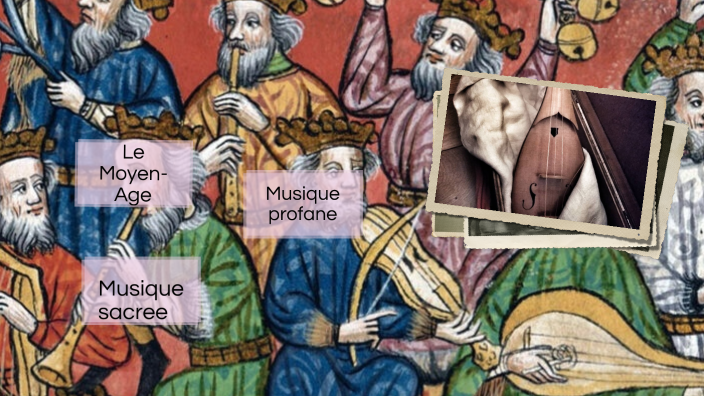
But wait! Life wasn't all solemn chants and pious reflection. People needed entertainment! That’s where la musique profane – secular music – comes in.
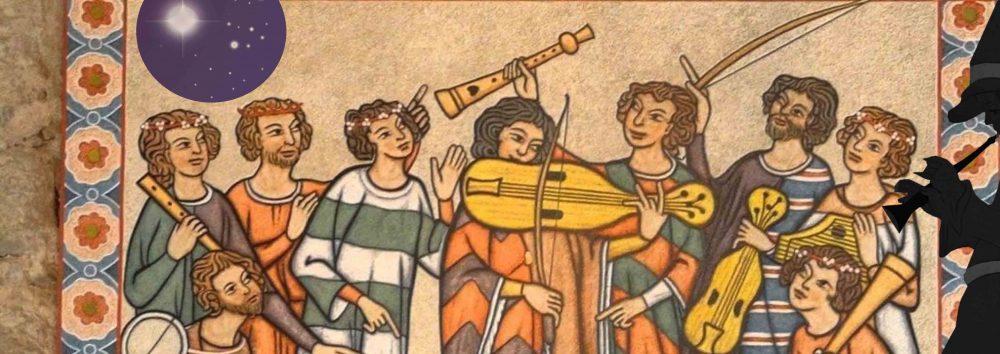
Troubadours and trouvères (in Southern and Northern France, respectively) were poet-musicians who traveled from court to court, singing about love, chivalry, and heroic deeds. They were the rock stars of their day! Okay, maybe not rock stars. More like lute-strumming, ballad-belting celebrities.
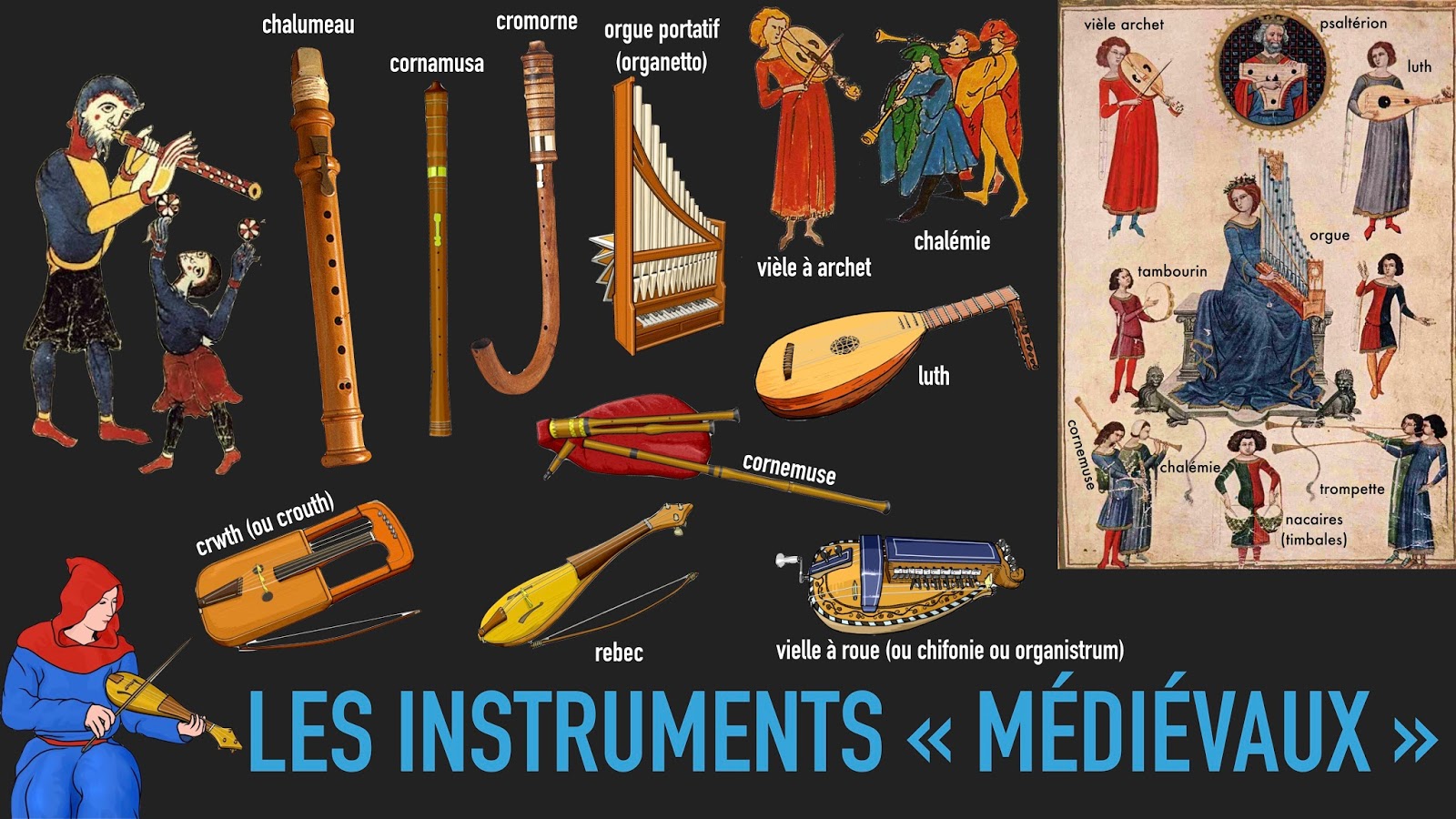
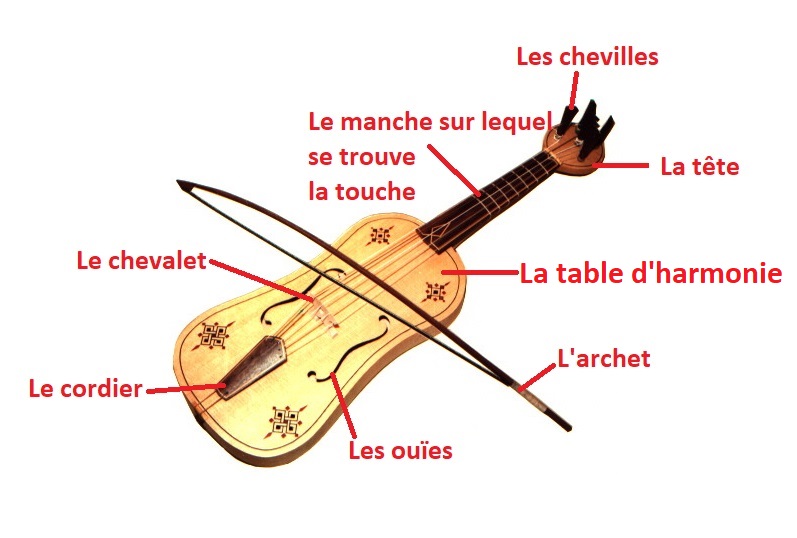
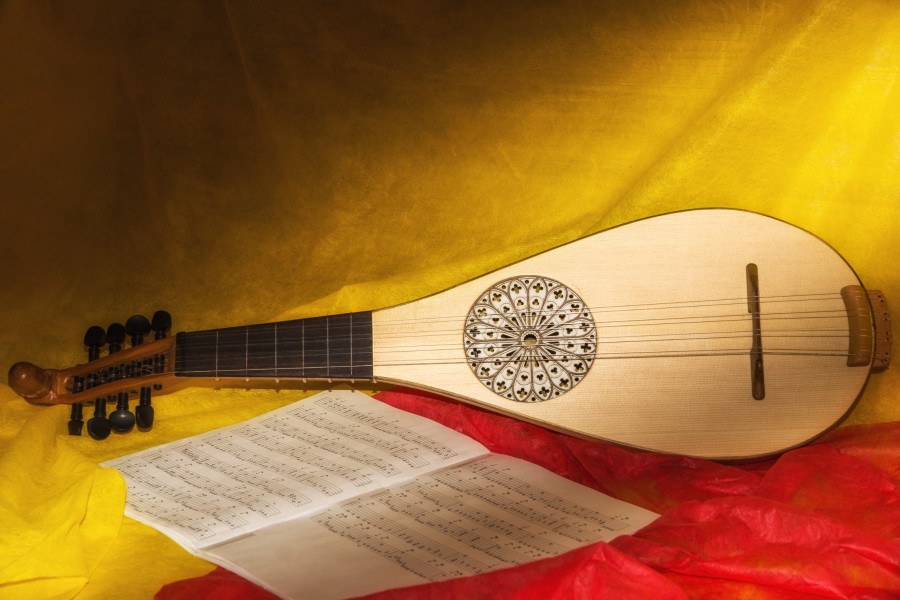
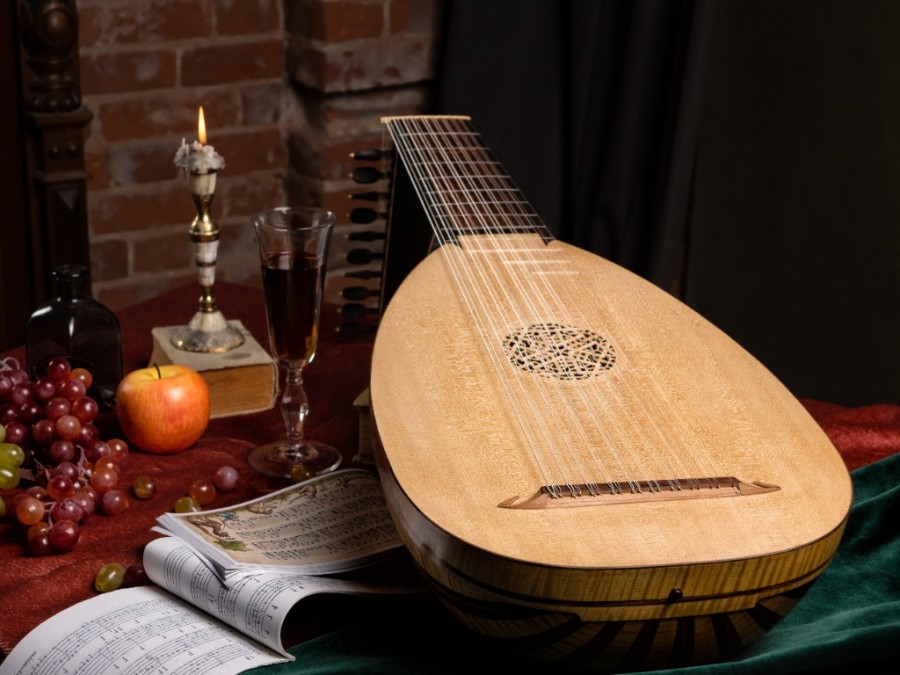
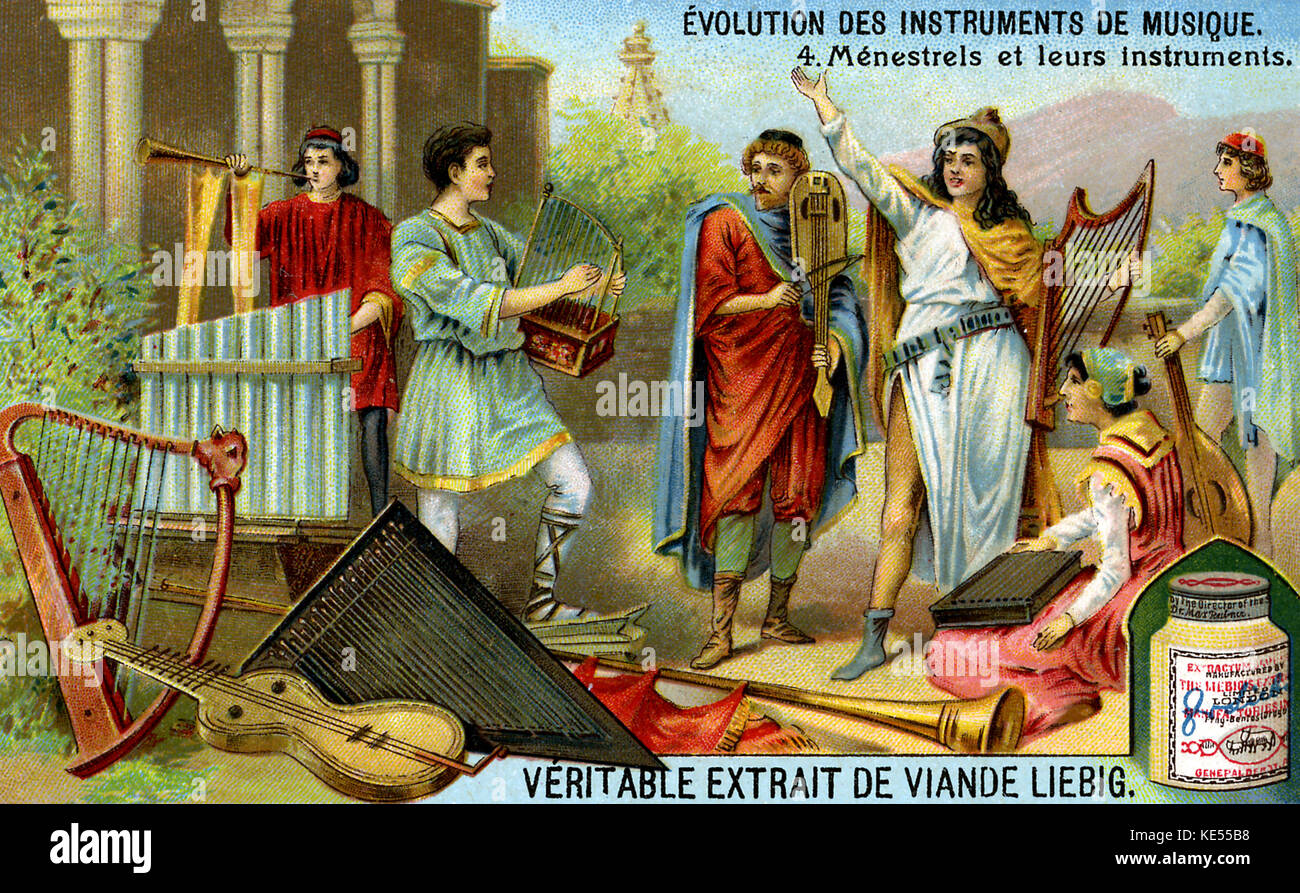
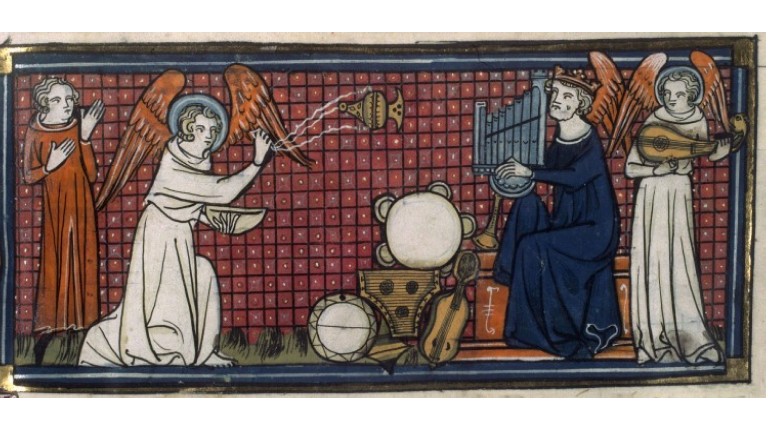
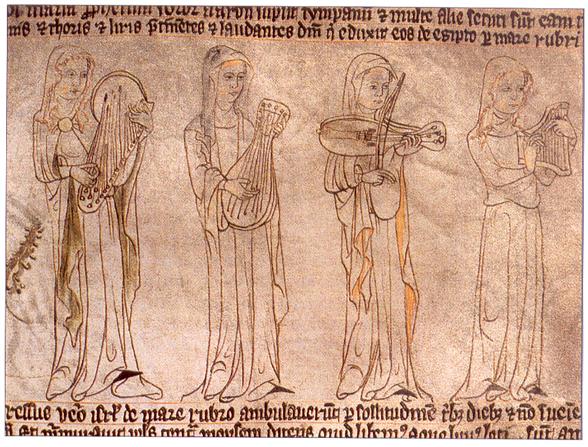
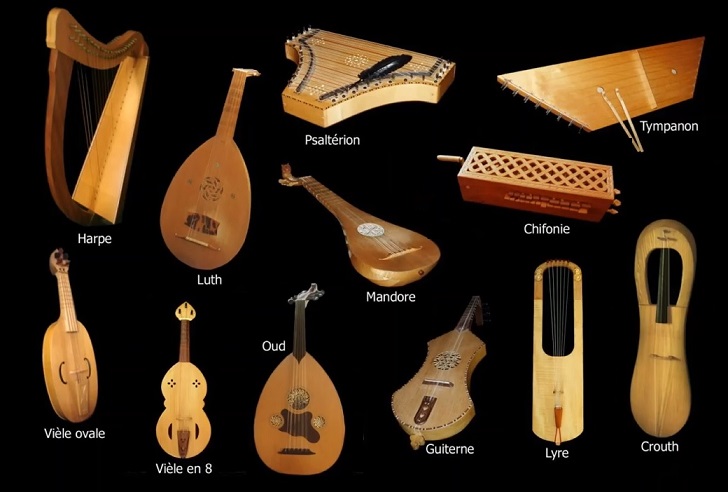
Their songs, often in the vernacular (the language spoken by the people), were far more lively and diverse than plainchant. They used instruments like the lute (a plucked string instrument, ancestor to the guitar), the fiddle (violin's ancestor), and various percussion instruments. Imagine the energy at those courtly gatherings! Not quite moshing, but certainly a good time was had by all.

These songs weren't just for entertainment; they also served as a form of social commentary, spreading news and gossip (pre-internet, medieval style!). They often sang about unrequited love, which, let’s be honest, never goes out of style.
Le Développement de la Notation Musicale
Now, here's where things get really interesting. How did they remember all these songs? Well, initially, they didn't write them down in the way we understand it today. Music was passed down orally, from one generation to the next. But that's not exactly a foolproof system, is it?
Around the 11th century, a Benedictine monk named Guido d'Arezzo revolutionized music by developing a system of musical notation. He didn’t invent the staff and clef we use today, but he laid the foundation for it. He also came up with the solfège syllables: ut (later do), re, mi, fa, sol, la. Recognize those? That’s right, the Sound of Music got it from Guido!
This new system allowed composers to record their music more accurately and ensured that it could be performed consistently across different locations. Think of it as the medieval equivalent of saving your music files to the cloud. Pretty genius, right?

L'Ars Nova: Une Nouvelle Ère Musicale
As the Middle Ages drew to a close, music underwent another significant transformation with the rise of the Ars Nova ("New Art") in the 14th century. This period saw composers experimenting with more complex rhythms and harmonies. Music became more sophisticated, more intricate, and dare I say, more exciting!
One of the leading figures of the Ars Nova was Guillaume de Machaut. He was a composer, poet, and clergyman. He wrote both sacred and secular music, and his works are considered some of the most important of the late Middle Ages. Imagine him, quill in hand, meticulously crafting his masterpieces. He really was a true maestro!
The Ars Nova paved the way for the musical innovations of the Renaissance. It was a time of incredible creativity and experimentation, pushing the boundaries of what music could be.
So, what does all this mean? The music of the Middle Ages wasn’t just some dusty old relic. It's a vibrant, fascinating world that reflects the beliefs, values, and experiences of the people who lived during that time.

From the soaring heights of plainchant to the lively melodies of the troubadours, medieval music offers a glimpse into a world that is both familiar and foreign. And, perhaps most importantly, it reminds us that music has always been a powerful force, capable of connecting us to the past, present, and future.
It's a story of devotion, love, loss, and celebration. It's a human story, told through sound.
Next time you hear a medieval tune, close your eyes. Let the sounds transport you back in time. Imagine yourself in a medieval castle, listening to a troubadour's song or in a candlelit abbey, hearing the voices of the monks. And remember that even though centuries separate us, the power of music still connects us all.
Isn't that a lovely thought? À bientôt!





-le-musicien-y-joue-du-cistre-un-instrument-a-cordes-pincees-photo-dr-1541249155.jpg)

