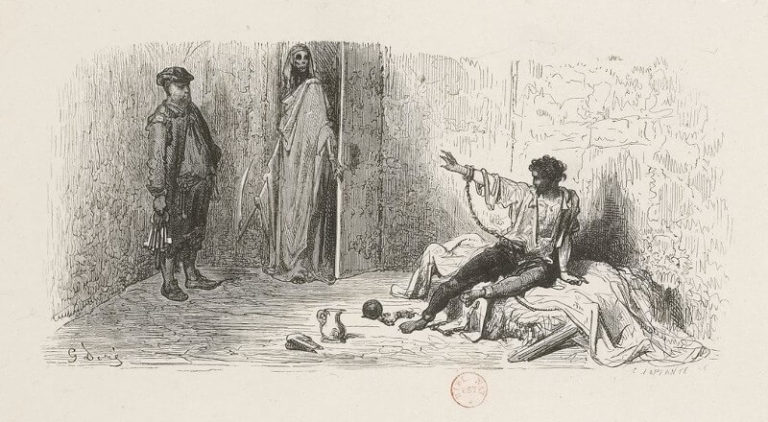
Ah, La Mort et le Malheureux! Death and the Unhappy Man! Even the title sounds like the opening scene of a particularly gloomy French film, doesn't it? But fear not, dear reader, we're not diving into existential despair. Instead, we're going to dissect this little nugget of wisdom from La Fontaine with a twinkle in our eye and a baguette in hand.
The Setup: Misery Loves...Company? (Death's Company, Apparently)
So, what's the story? Well, it all starts with a chap who's having a really bad day. I'm talking biblical levels of bad. Think Job, but with less locusts and more… well, let's just say his life is a symphony of unfortunate events played on a kazoo. He's old, tired, broke, and probably just spilled his coffee on his best (and only) shirt. You know, the usual Tuesday.
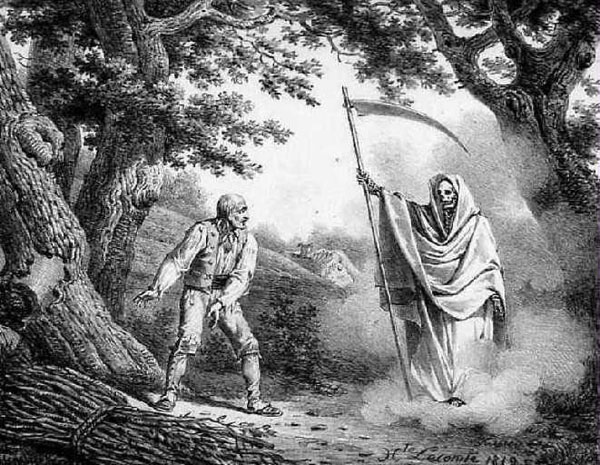
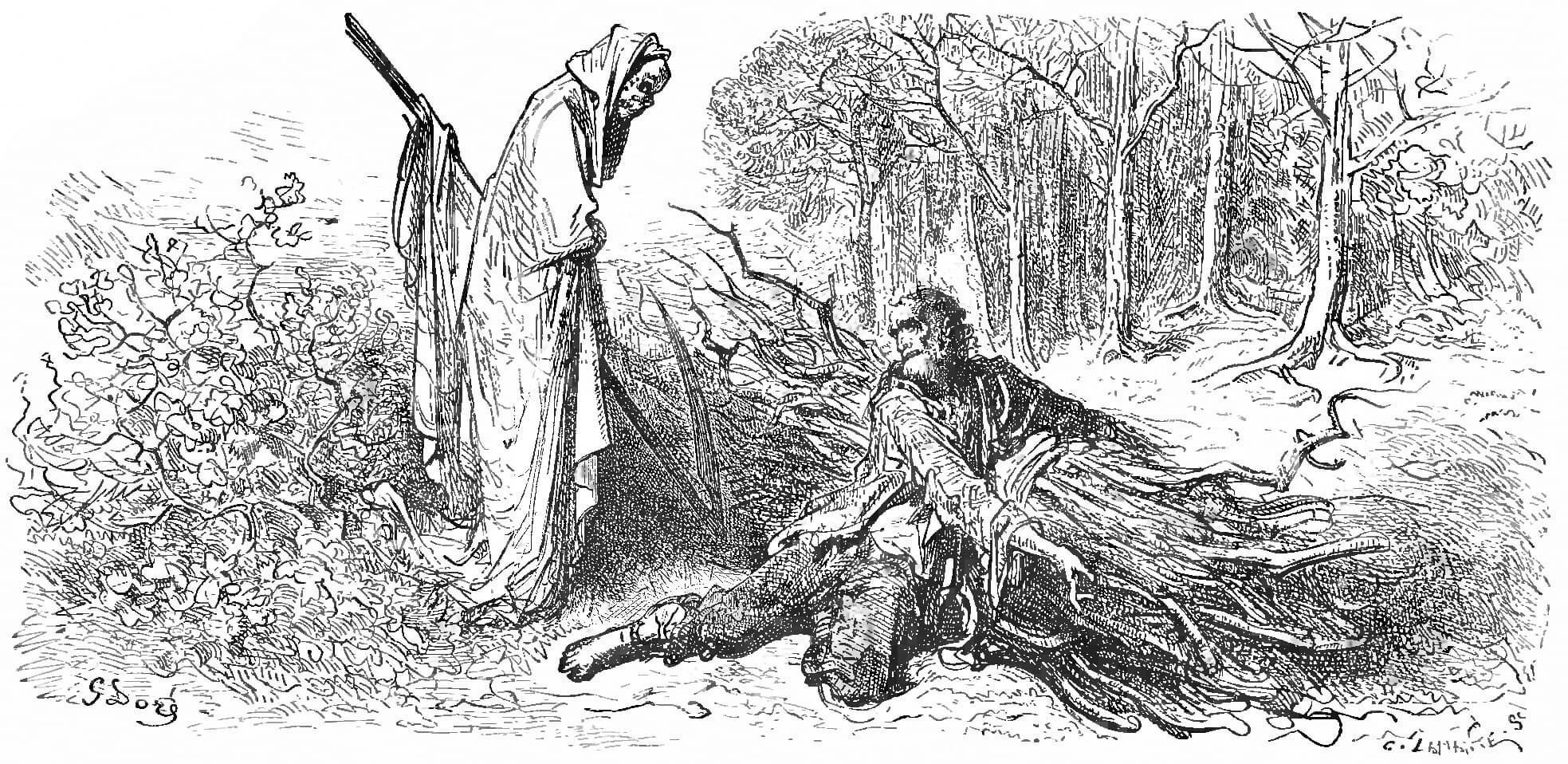
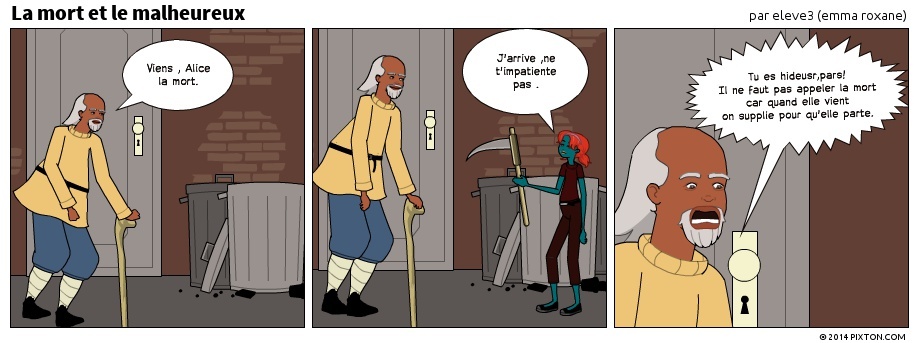
Our unhappy friend, completely fed up with the whole charade of existence, decides he's had enough. He doesn't just want to die; he's actively summoning Death itself! He's basically shouting into the void, "Hey Death! Get over here! I'm ready for my eternal dirt nap!" Bold move, Cotton, bold move.
Key Misery Indicators:
- Poverty: Our protagonist is down on his luck, financially speaking. We're not talking "can't afford the avocado toast" broke; we're talking "eating dirt for dinner" broke.
- Old Age: He's seen better days, and frankly, he's not particularly thrilled with these "better days" either. Years of hard labor have taken their toll.
- Just General Malaise: The guy is simply unhappy. Life has thrown him a curveball made of rocks, and he's tired of dodging.
Now, imagine Death's reaction. I picture him (or her, Death is an equal opportunity grim reaper) rolling their eyes, thinking, "Oh great, another one. It's always the Tuesdays." But duty calls, and Death, being the professional he/she is, shows up. After all, a summon is a summon. It's like getting a pizza delivered, even if the person who ordered it is having second thoughts.
The Twist: "Oops, I Didn't Mean It!"
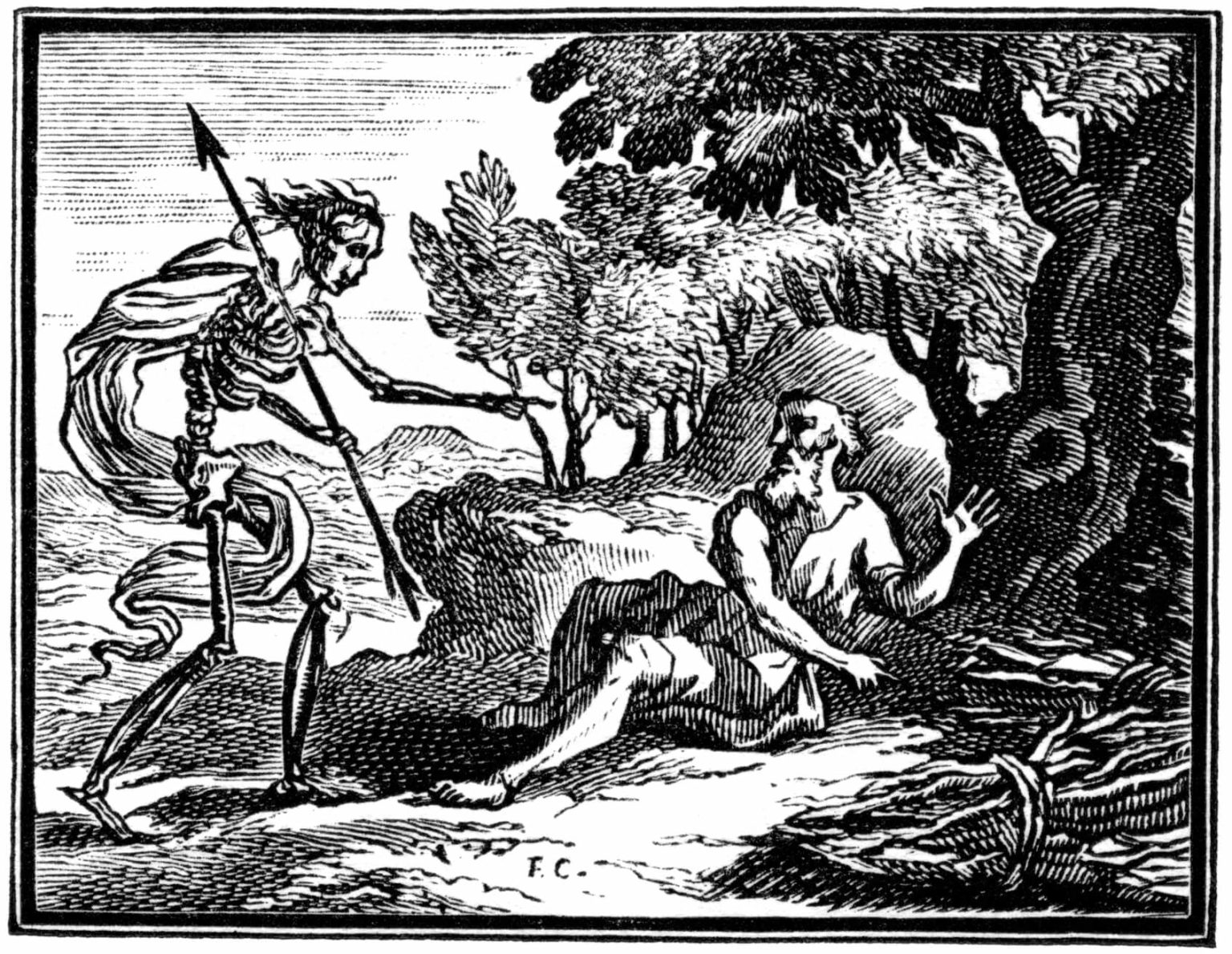
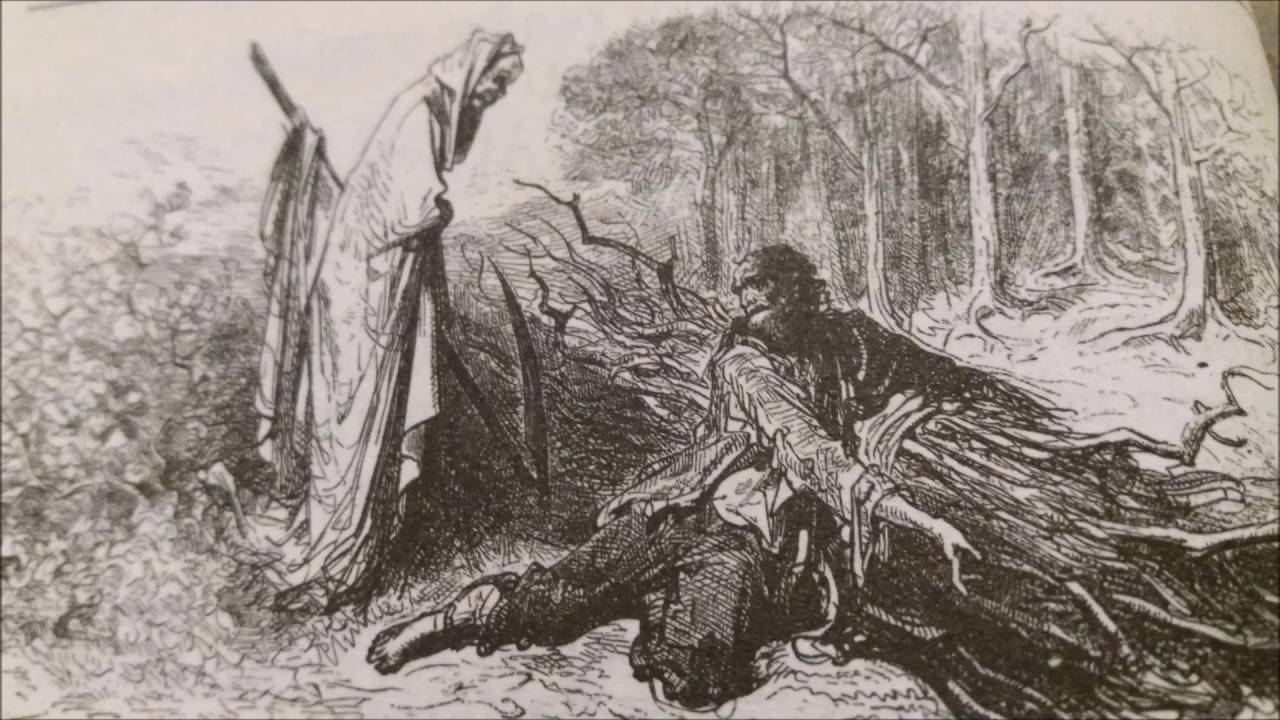
Here's where things get interesting. As soon as Death arrives – probably with a dramatic flourish and maybe a scythe glinting ominously in the (non-existent, because misery loves rain, right?) sunlight – our unhappy man suddenly develops a case of cold feet. All of a sudden, that dirt nap doesn't sound so appealing anymore. He’s like, "Whoa, Death! Fancy seeing you here! Just… uh… admiring the… uh… scenery!"
He frantically backpedals, claiming he just wanted a little help. A little help! As in, "Can you maybe help me move this rock? It's really heavy. And also, maybe solve all my financial problems and cure my aching back while you're at it?" He's basically trying to use Death as a handyman. The audacity!
The man says, and I quote (well, paraphrasing a bit for comedic effect), "Oh, Death, it's not that I wanted to die. I just wanted you to fix my life! Big difference!" As if Death is some kind of supernatural life coach. “So, Mr. Death, I'm feeling unfulfilled in my career. Any tips?"
The Sudden Change of Heart:
- Fear of the Unknown: Facing mortality head-on is a sobering experience, even for someone who's been actively seeking it.
- The Instinct to Survive: Deep down, even the most miserable among us have a will to live. It's that pesky survival instinct kicking in.
- Maybe Life Isn't That Bad?: Okay, it's still pretty bad, but maybe, just maybe, there's a tiny sliver of hope lurking somewhere. Perhaps a winning lottery ticket is just around the corner! (Spoiler alert: it isn't.)
La Fontaine's Lesson: Be Careful What You Wish For (Especially When Death is Listening)
So, what's the moral of this morbidly humorous story? Well, La Fontaine is basically telling us to be careful what we wish for. Especially when you're feeling down in the dumps. Because sometimes, you might just get it.
It's a reminder that even in the darkest of times, there's a flicker of hope, a clinging to life that we often underestimate. Our unhappy man, in his moment of crisis, realizes that even a miserable existence is still preferable to the great unknown. He's like, "Okay, life, you can be a real pain in the neck, but at least I have a neck to be a pain in!"
La Fontaine is also poking fun at our tendency to complain. We all do it. We moan about our jobs, our relationships, our bad hair days. But sometimes, we need a little perspective. We need to remember that things could always be worse. We could be actively summoning Death, for example.
Key Takeaways:
- Appreciate What You Have: Even if it's not much, it's still something. A roof over your head, food on the table, a slightly-less-than-terrible Wi-Fi connection. These are all things to be grateful for.
- Think Before You Speak (or Summon): Words have power, especially when they're directed at supernatural entities. Before you declare your undying desire to shuffle off this mortal coil, take a deep breath and count to ten. Or a hundred.
- Find the Humor in Life's Absurdity: Life is ridiculous. It's full of challenges and setbacks and moments where you just want to throw your hands up in the air and scream. But if you can find the humor in it all, you'll be much better equipped to handle whatever life throws your way.
Modern Interpretations: Death as a Therapist?
Now, let's get a little wacky and explore some modern interpretations of this fable. Imagine Death as a therapist. You're lying on the couch, pouring out your woes, and Death is just sitting there, nodding sagely and taking notes. "So, you're saying you're feeling unfulfilled?" Death says, adjusting his glasses (yes, I'm giving Death glasses. Why not?). "And what do you think is the root cause of this unhappiness?"
Or maybe Death is a life coach. "Okay, so your goal is to achieve ultimate happiness," Death says, scribbling on a whiteboard. "First, we need to identify your limiting beliefs. Are you telling yourself you're not good enough? That you'll never find love? That pineapple on pizza is an acceptable culinary choice?" (Okay, maybe Death has some strong opinions.)
The point is, the themes of La Mort et le Malheureux are still relevant today. We all struggle with unhappiness, with feeling overwhelmed, with wanting to escape our problems. But the fable reminds us that the answer isn't always to run away. Sometimes, the answer is to face our problems head-on, to find the humor in the absurdity, and to appreciate the things we have, even if they seem small.
Death: Now Offering the Following Services:
- Existential Coaching: "Are you feeling lost and confused? Let Death help you find your purpose! (Results may vary. Side effects may include existential dread.)"
- Mortality Motivation: "Need a little kick in the pants to get your life in gear? Death will remind you that your time is limited! (Warning: May cause increased productivity or crippling anxiety.)"
- Pre-Death Planning: "Don't leave your loved ones with a mess! Death can help you organize your affairs and write your eulogy! (Special discount for frequent summoners.)"
Why La Fontaine Still Matters: A Timeless Tale with a Twist
Jean de La Fontaine, despite being a 17th-century French dude, still manages to resonate with us today. His fables, with their simple stories and profound messages, have stood the test of time. And La Mort et le Malheureux is a perfect example of why. It's a story about misery, mortality, and the surprising resilience of the human spirit. It's a story that makes us laugh, makes us think, and maybe, just maybe, makes us appreciate our lives a little bit more.
The beauty of La Fontaine's work lies in its simplicity and accessibility. He doesn't bombard us with complex philosophical arguments or obscure literary references. He tells us a story, plain and simple, and lets the moral speak for itself. And that's why his fables continue to be read and enjoyed centuries after they were written.

Think of it this way: La Fontaine is like that wise old uncle who always has a funny story to tell, but also manages to slip in a nugget of wisdom or two. He's not preachy or judgmental; he's just observant and insightful. And he has a knack for capturing the human condition in all its messy, contradictory glory.
La Fontaine's Enduring Appeal:
- Simple Storytelling: His fables are easy to understand and remember, making them accessible to readers of all ages and backgrounds.
- Universal Themes: He deals with timeless topics like greed, envy, pride, and, of course, mortality. These are issues that have always been relevant and will continue to be relevant for generations to come.
- Witty Observations: He has a keen eye for human nature and a gift for expressing his observations in a clever and humorous way.
So, What Now? Embrace the Absurdity!
So, where does this leave us? Well, hopefully, with a slightly lighter heart and a renewed appreciation for the absurdity of it all. Life is going to throw you curveballs. You're going to have bad days. You're going to feel like summoning Death. But remember our unhappy man and his sudden change of heart. Remember that even in the midst of misery, there's always a glimmer of hope, a reason to keep going.
And if all else fails, just remember that you can always blame it on the French. It's a time-honored tradition, after all. "My life is a disaster!" you can declare dramatically. "It's all La Fontaine's fault! He jinxed me with his morbid fables!" (Okay, maybe don't actually do that. But you get the idea.)
The point is, don't take yourself too seriously. Laugh at your mistakes, embrace your imperfections, and find the humor in the everyday chaos. And if you ever find yourself contemplating a summoning ritual, maybe just order a pizza instead. It's probably a safer and more satisfying option.
And finally, a little piece of advice from yours truly: Next time you're feeling down, don't call Death. Call a friend. Or eat some chocolate. Or watch a funny movie. Or, you know, just take a nap. Anything but summoning Death. Trust me on this one.
Final Thoughts: A Punchline for the Ages
So, there you have it: La Mort et le Malheureux, dissected, analyzed, and thoroughly mocked. We've learned about misery, mortality, and the importance of not summoning supernatural beings when you're having a bad day. And we've hopefully had a few laughs along the way. Now, if you'll excuse me, I think I hear Death knocking at my door… Just kidding! (I hope.) But seriously, if you see a cloaked figure with a scythe, tell him I'm not home. I'm busy… uh… writing articles about French fables! Yeah, that's it. And maybe offer him a baguette. Everyone loves a good baguette, even Death. After all, who knows? Maybe Death just needed some company after all. And possibly, a very stale croissant.
But let’s be honest, if Death were to show up at my door, I’d probably offer him a cup of tea. A very strong cup of tea. And maybe a biscuit. Death deserves a biscuit, don’t you think? He's got a tough job, after all. All that reaping and grim-ing… it must be exhausting!
And on that note, I’ll bid you adieu! May your days be filled with joy, laughter, and a distinct lack of visits from the Grim Reaper. And remember, if you ever find yourself feeling like our unhappy man, just take a deep breath, count to ten, and remember: things could always be worse. You could be writing an article about La Mort et le Malheureux at 3 AM.
So, farewell, dear reader! And remember, keep a spring in your step, a song in your heart, and a good lawyer on speed dial... just in case Death decides to dispute the tea and biscuit offering. You never know!






.jpg)

_-_Death_And_The_Unfortunate_(La_mort_et_le_malheureux)_-_Fables_by_La_Fontaine_-_(MeisterDrucke-1062962).jpg)


