Okay, so picture this: I’m waiting outside the school gates, battling the usual mum-swarm, each of us armed with reusable shopping bags overflowing with things. Leo, my little whirlwind of a son, bounds out, practically vibrating with energy. He ignores me completely, heading straight for… her. La maîtresse. Madame Dubois. She's kneeling down, listening intently to some story Leo's clearly acting out with impressive, if slightly confusing, hand gestures. The sheer adoration radiating from his face is… intense. I mean, I’m his mother, slayer of monsters under the bed, provider of endless snacks… yet I’m momentarily eclipsed by this woman who teaches him about conjugations and the proper way to hold a crayon. Anyone else experience this, or is it just me?
That little scene got me thinking. La maîtresse. She’s more than just a teacher, isn’t she? She’s a temporary surrogate parent, a guide, a confidante (apparently!), and, let's be honest, sometimes the object of a small child's first "crush." And as parents, we place an enormous amount of trust in these individuals, hoping they'll nurture our little darlings into well-adjusted, slightly less chaotic human beings. So, what is it about la maîtresse that holds such sway?
The Mythical Figure of La Maîtresse
It’s funny, isn't it? Before your child enters school, la maîtresse is this abstract figure. You meet her briefly at the rentrée, maybe exchange a few pleasantries about how quickly summer flew by, and then... poof! She disappears into the school building with your child, a tiny, trusting soul handed over to… well, someone you barely know. It’s a leap of faith, really. (And admit it, you spend the first few days checking your phone every five minutes, right?) But gradually, she becomes a real person, a presence in your child’s life, and, by extension, yours.
What makes a good maîtresse? That’s the million-dollar question, isn’t it? It’s definitely not just about academic qualifications (though, obviously, being able to teach the difference between être and avoir is crucial). Here’s what I’ve observed, both from Leo’s experience and from eavesdropping on other parents (don't judge!):
- Patience, patience, patience: Let’s face it, dealing with 25 five-year-olds, all at various stages of emotional development (and some who still haven't mastered basic hygiene), requires saint-like levels of patience.
- A knack for communication: Not just with the kids, but with the parents too! A quick email explaining why Leo decided to "redecorate" his table with glue and glitter is infinitely preferable to a vague, ominous note in his cahier de liaison. (Seriously, those notes can induce panic attacks.)
- A genuine love of children: Okay, this sounds obvious, but you can tell when a teacher is genuinely invested in her students. It’s in the way she listens, the way she encourages, the way she celebrates even the smallest victories.
- The ability to make learning fun: Because, let's be honest, conjugating verbs isn’t exactly thrilling for a five-year-old. Turning it into a game, a song, a competition… that’s where the magic happens.
Navigating the Maîtresse Relationship: A Parent's Guide
So, how do you, as a parent, navigate this crucial relationship? Here are a few tips I’ve picked up along the way:

- Be respectful of her time: Remember, she has 24 other children to look after (and probably a mountain of paperwork to conquer). Don’t ambush her with a lengthy monologue about Leo’s sleep schedule at pick-up time. Schedule a meeting if you have serious concerns.
- Communicate openly and honestly: If you’re worried about something, don’t bottle it up. A quick email or a brief chat can often resolve minor issues before they escalate.
- Trust her professional judgment: She’s trained to work with children, and she sees your child in a different context than you do. She might notice things you haven’t.
- Support her efforts: If she’s organizing a class trip, offer to help. If she needs supplies, donate what you can. A little support goes a long way.
- Resist the urge to compare: Every child is different, and every teacher is different. Don’t get caught up in comparing your child’s progress to that of others. And definitely don’t compare maîtresses! It’s a recipe for disaster.
The tricky part: Addressing concerns. What happens if you do have a serious concern about la maîtresse? Maybe you feel she’s not addressing your child’s needs adequately, or maybe you’ve witnessed something that makes you uncomfortable. This is where things get tricky. The key is to approach the situation calmly and objectively. Document everything. Then, schedule a meeting with la maîtresse to discuss your concerns. Be prepared to listen to her perspective, and try to find a mutually agreeable solution. If that doesn’t work, you may need to escalate the issue to the school principal.
When the Maîtresse Becomes… Part of the Family?
It's strange, isn't it? Over the course of a school year, la maîtresse can become almost like an extended member of the family. You hear about her constantly, you see her at school events, and you might even exchange Christmas cards (although, let's be real, that feels a little… weird). There’s a certain level of intimacy that develops, born out of shared responsibility for your child's well-being. But it’s important to remember that this is still a professional relationship. Boundaries are important. (Unless, of course, la maîtresse is also your cousin’s wife… then things get really complicated.)

And then, the school year ends. And with it, often, the daily interaction with la maîtresse. It’s a bittersweet moment. You’re relieved that summer vacation has finally arrived (hello, freedom!), but you also feel a pang of sadness knowing that your child’s time with this particular teacher is over. It’s a reminder that childhood is fleeting, and that these formative experiences are shaping your child in ways you may not even fully understand.
The Lasting Impact
Ultimately, la maîtresse plays a pivotal role in your child's development. She’s not just teaching them to read and write; she’s teaching them social skills, emotional regulation, and a love of learning. She’s helping them become confident, independent individuals. And that’s something to be truly grateful for.

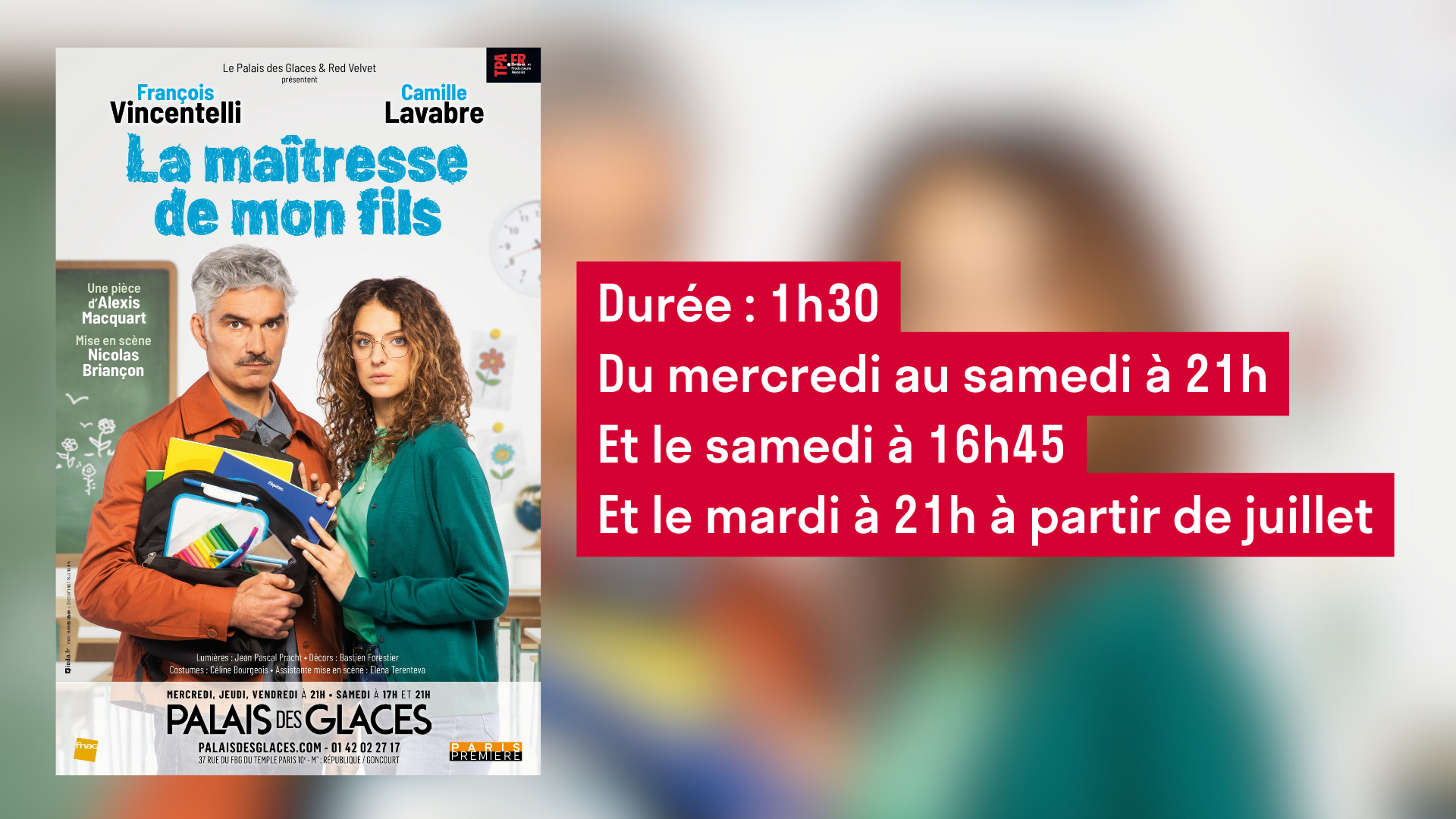
So, the next time you see la maîtresse at school pick-up, take a moment to thank her. A simple “merci, Madame” can go a long way. And maybe, just maybe, resist the urge to bombard her with questions about your child’s bowel movements. She’ll appreciate it. (Trust me.) Because let's face it, we all want to have a good relationship with la maîtresse de mon fils.
And one last thought... Should I buy Madame Dubois a gift at the end of the year? And if so, what’s the appropriate level of extravagance? Asking for a friend… (Okay, it’s me. I’m asking for me.) Any suggestions are welcome!