Okay, okay, settle down, grab your café au lait, and listen up! Today we're diving into something that sounds super serious – La Laïcité – but trust me, it’s actually pretty darn interesting, especially when you break it down like a baguette. Think of it as the French secret sauce for keeping things chill between people and their beliefs...or lack thereof. And believe me, in a country as passionate as France, a little chill is always welcome.
Laïcité: More Than Just a Fancy Word
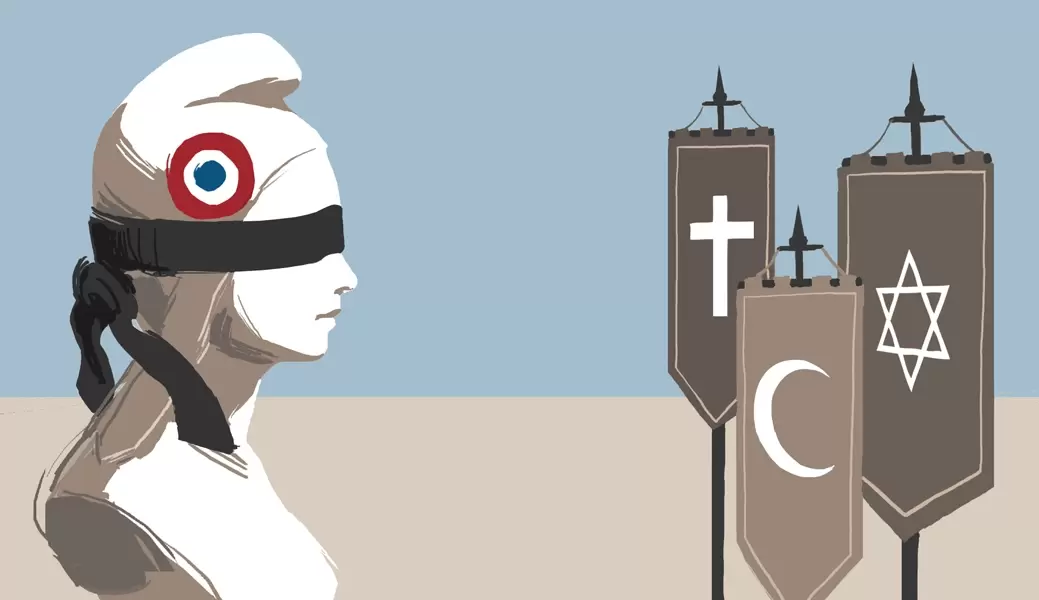
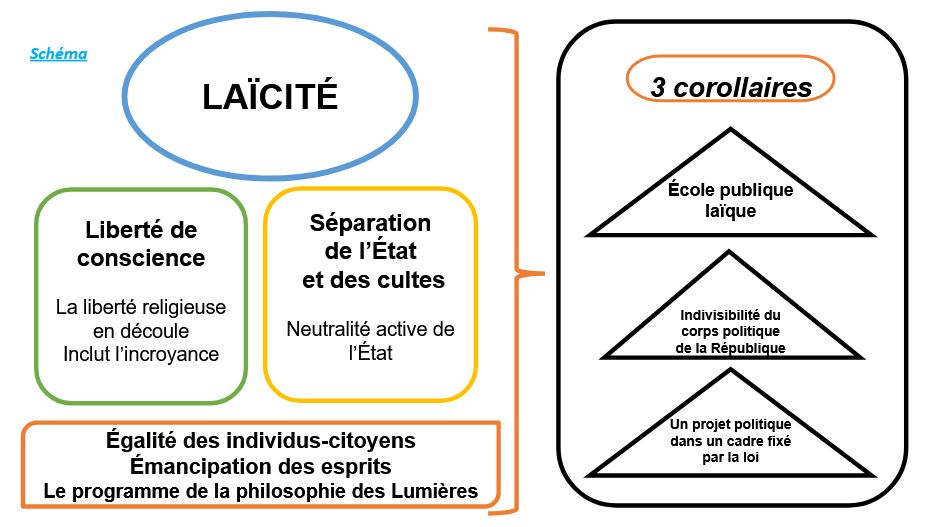
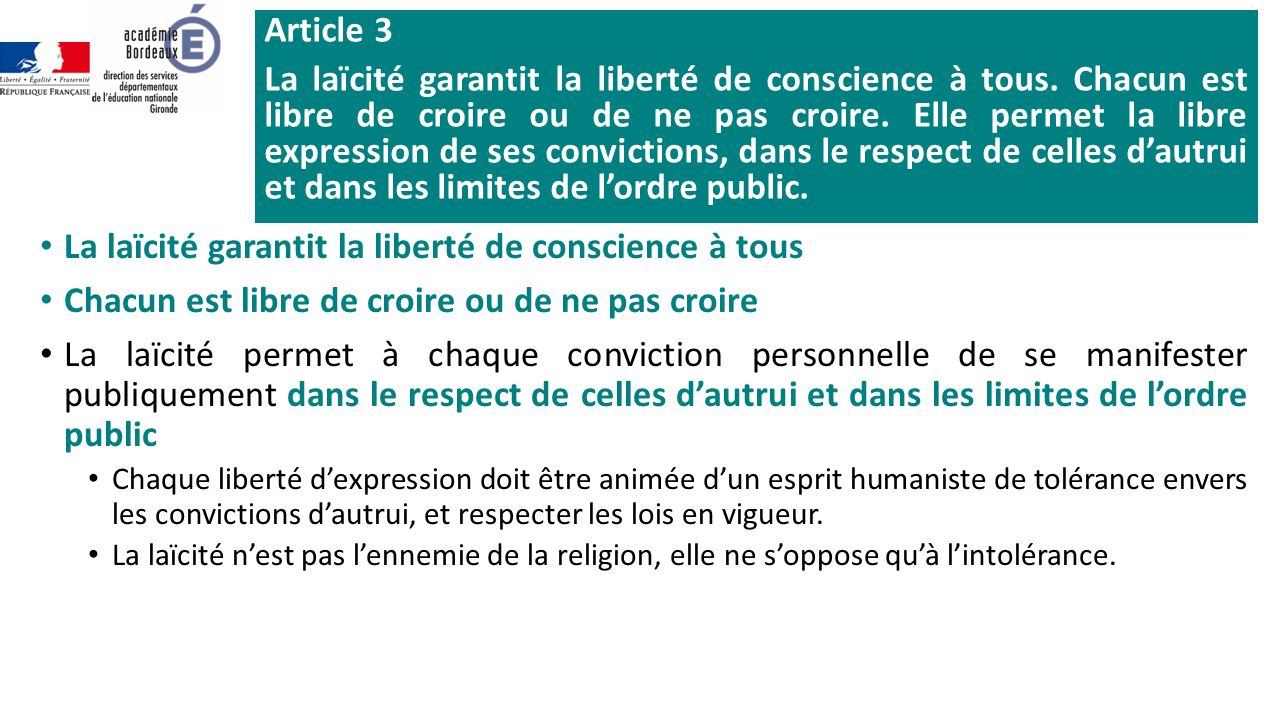
So, what exactly is this "Laïcité" thing? Well, the simplest way to put it is that it's the French principle guaranteeing freedom of conscience. In plain English, it means you can believe in whatever you want (flying spaghetti monster, the power of interpretive dance, absolutely nothing at all!), and the government? The government has to stay neutral. They can't pick sides, can’t play favorites. It's like when you're refereeing a kids' soccer game – you've gotta treat everyone fairly, even if little Timmy keeps trying to score with his hands.
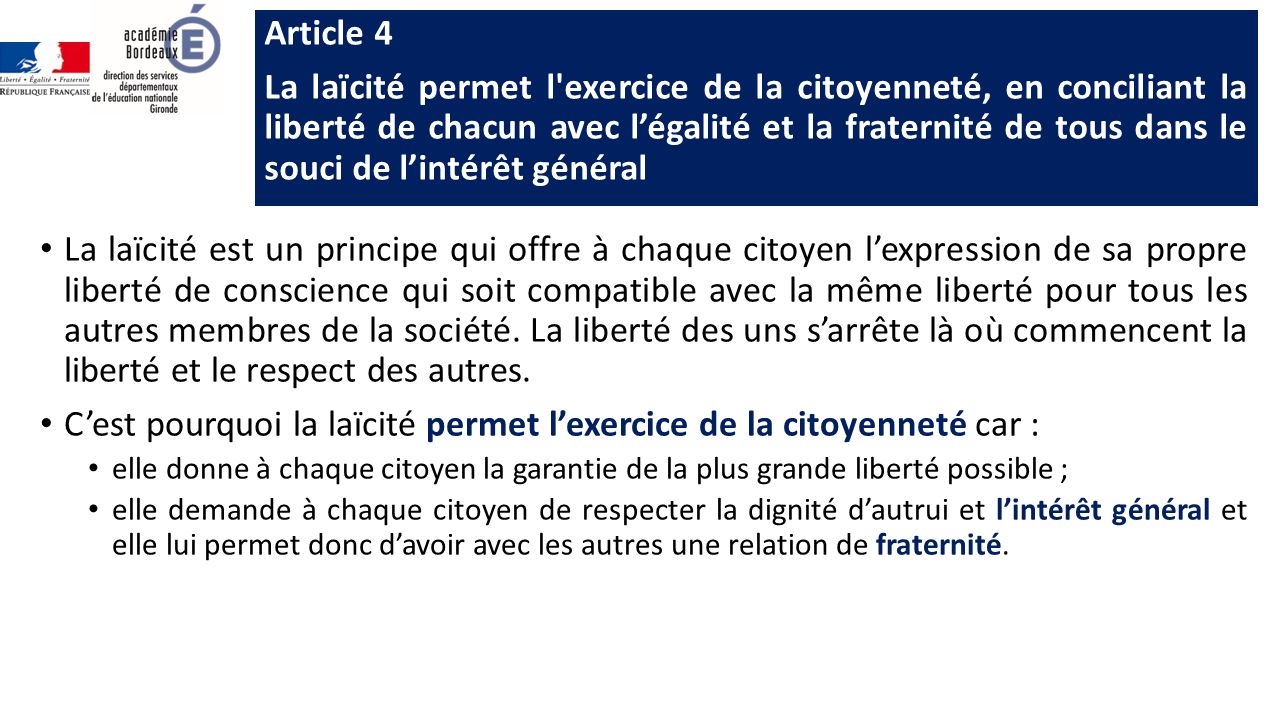
But here's the kicker: Laïcité isn't just about the government not being religious. It’s also about protecting everyone's right to have a religion (or not!). Think of it as a double-edged sword. On one side, the state stays out of religious affairs. On the other, everyone's free to practice their faith (within reason, of course – more on that later!). It's a delicate balance, like trying to carry a tower of macarons without dropping a single one. And sometimes, let's be honest, someone does drop a macaron.
A Little History Lesson (Don't Worry, It's Short!)
Now, you might be thinking, "Okay, but why is this such a big deal in France?" Well, buckle up for a super-speedy history lesson! Back in the day, the Catholic Church was extremely powerful in France. Like, "owns-half-the-land-and-tells-the-king-what-to-do" powerful. The French Revolution changed all that, shaking things up like a bottle of champagne. Eventually, after a lot of political wrangling (seriously, books could be written!), France officially separated church and state in 1905. Bam! Laïcité was born. It was meant to ensure no single religion could dominate politics or public life ever again.
How Laïcité Works in Practice (And Where It Gets a Little…Complicated)
So, how does this Laïcité thing actually work in the real world? Here are a few key points:
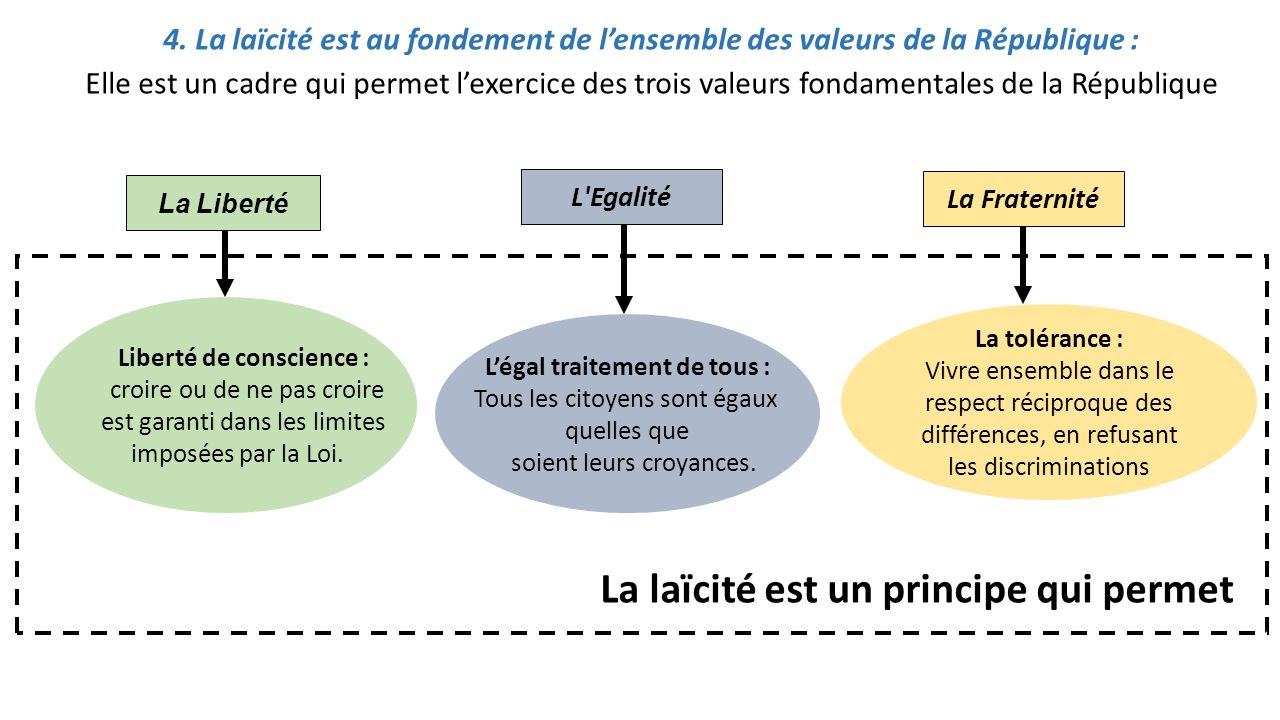
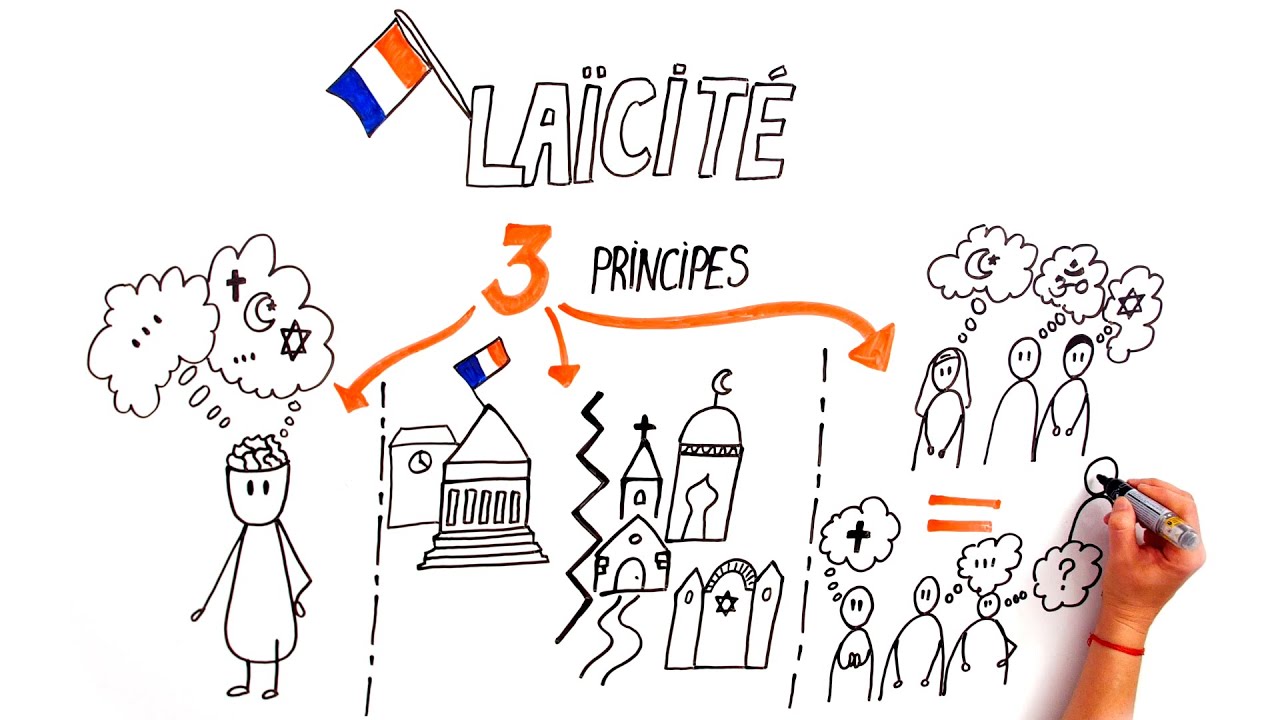
- The State is Neutral: This means no government funding for religious institutions, no religious symbols in government buildings (like crucifixes hanging in courtrooms), and no religious instruction in public schools. Think of it as keeping the sacred and the secular in separate containers, like keeping your brie away from your smelly socks.
- Freedom of Religion is Protected: Everyone can practice their faith, build places of worship, and express their beliefs. As long as they don't break the law, cause public disorder, or, you know, start sacrificing kittens on the altar of interpretive dance.
- Equality Before the Law: Everyone is treated equally, regardless of their religion (or lack thereof). This means no special favors or discrimination based on faith. It's like that golden rule we all learned in kindergarten: treat others the way you want to be treated...even if they believe pineapple belongs on pizza.
Now, here's where things get a bit…spicy. Laïcité has been the subject of many, many debates in France, particularly around the issue of religious symbols in public spaces. For example, the wearing of the hijab in public schools has been a particularly contentious issue. The argument is that overt religious symbols can be seen as proselytizing (trying to convert people) and could compromise the neutrality of the school environment. Some people think it's a necessary protection of Laïcité, while others see it as a violation of individual freedom of expression. It's like arguing about whether Nutella is better on a croissant or a pain au chocolat - everyone has an opinion, and they're all very passionate about it.
The Limits of Freedom: When Beliefs Meet the Law
Of course, even with Laïcité, freedom of conscience isn’t completely unlimited. You can't use your religious beliefs as an excuse to break the law. For example, you can't justify violence, discrimination, or other illegal activities by claiming they're part of your religious practice. That’s a big NO-NO. It's like saying, "I robbed a bank because my deity told me to." Yeah, that's not going to fly with the French authorities.
The key is balance. Laïcité aims to protect both individual freedom of belief and the public order. It's about finding a way for people with different (and sometimes conflicting) beliefs to live together peacefully. It’s not always easy, and there are definitely disagreements, but the principle remains: Everyone has the right to believe (or not believe) what they want, as long as they respect the laws and the rights of others.
Laïcité: A French Thing?
While Laïcité is often associated with France, the concept of secularism (separation of church and state) exists in many other countries, like the United States, Turkey, and India, though it's implemented in different ways. Each country has its own unique history and cultural context, which shapes how secularism is understood and practiced. So, while Laïcité is distinctly French, the underlying idea of protecting freedom of conscience is a universal value. It's like how every country has its own version of pancakes – different ingredients, different cooking methods, but the same basic idea of fluffy breakfast goodness.
.jpg)
So, What's the Takeaway?
Okay, so we’ve covered a lot! Laïcité is the French principle ensuring freedom of conscience. It means:
- The government stays neutral on religious matters.
- Everyone has the right to believe (or not believe) what they want.
- You can't use your beliefs to justify breaking the law.
- It’s a delicate balance between individual freedom and public order.
It's a complex and sometimes controversial issue, but at its heart, Laïcité is about creating a society where people can live together peacefully, regardless of their beliefs. Now, go forth and impress your friends with your newfound knowledge of French secularism! And maybe grab another café – you’ve earned it!
Voilà! We've tackled Laïcité. Now, who wants to argue about the proper way to pronounce "croissant"?
.jpg)



.jpg)