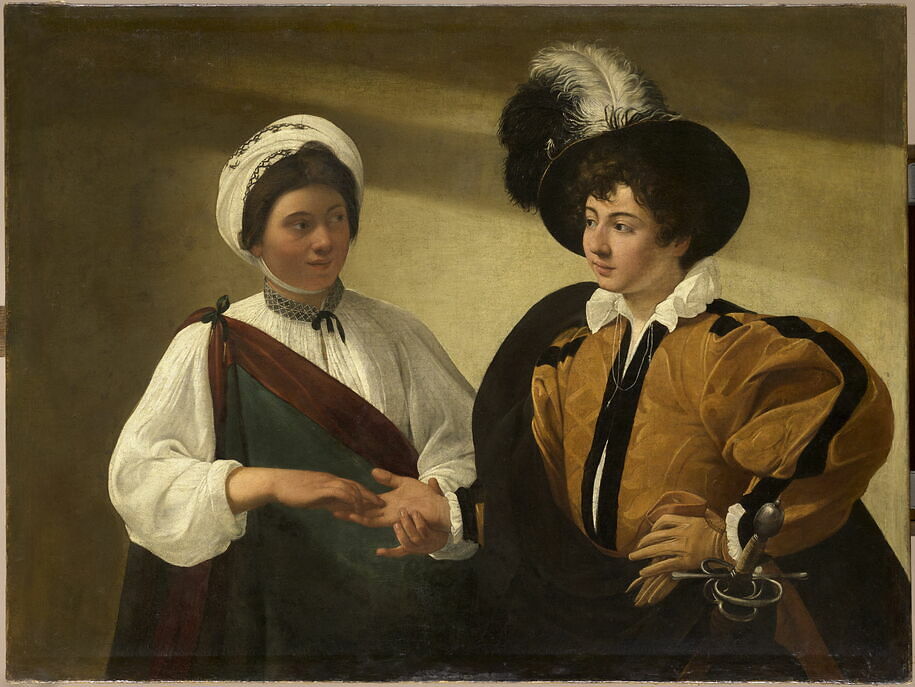
Ah, La Diseuse de Bonne Aventure! Or, as my GCSE French teacher would’ve dramatically proclaimed (with a waft of imaginary Gauloises smoke), "The Fortune Teller"! But this isn’t your average pier-side palm reader charging a fiver to tell you you’ll meet a tall, dark stranger (who’s probably just trying to reach the candy floss). We're talking Georges de La Tour, 17th century master of chiaroscuro, and a painting that’s more than meets the clairvoyant eye.
The Scene: A Right Royal Racket
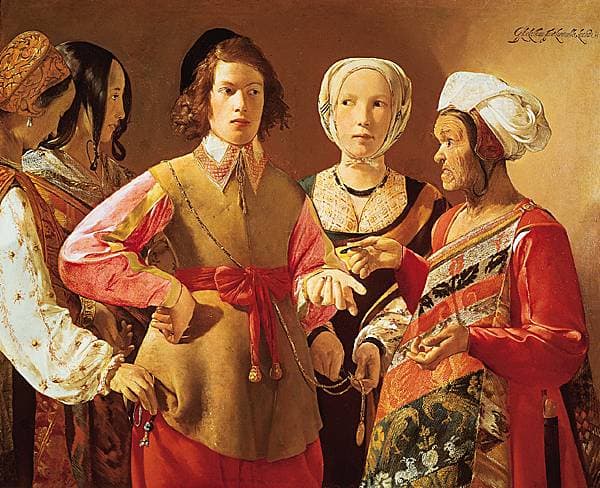
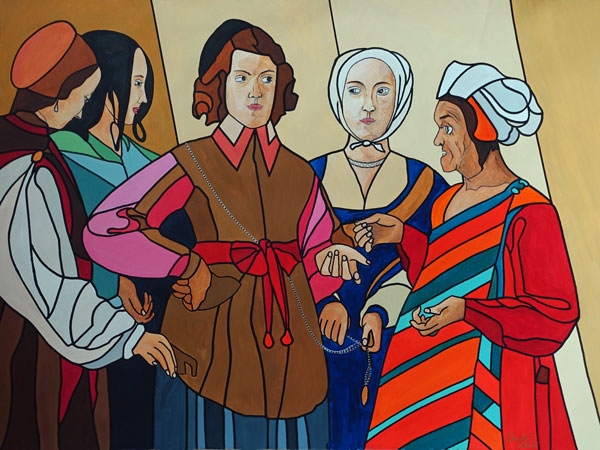
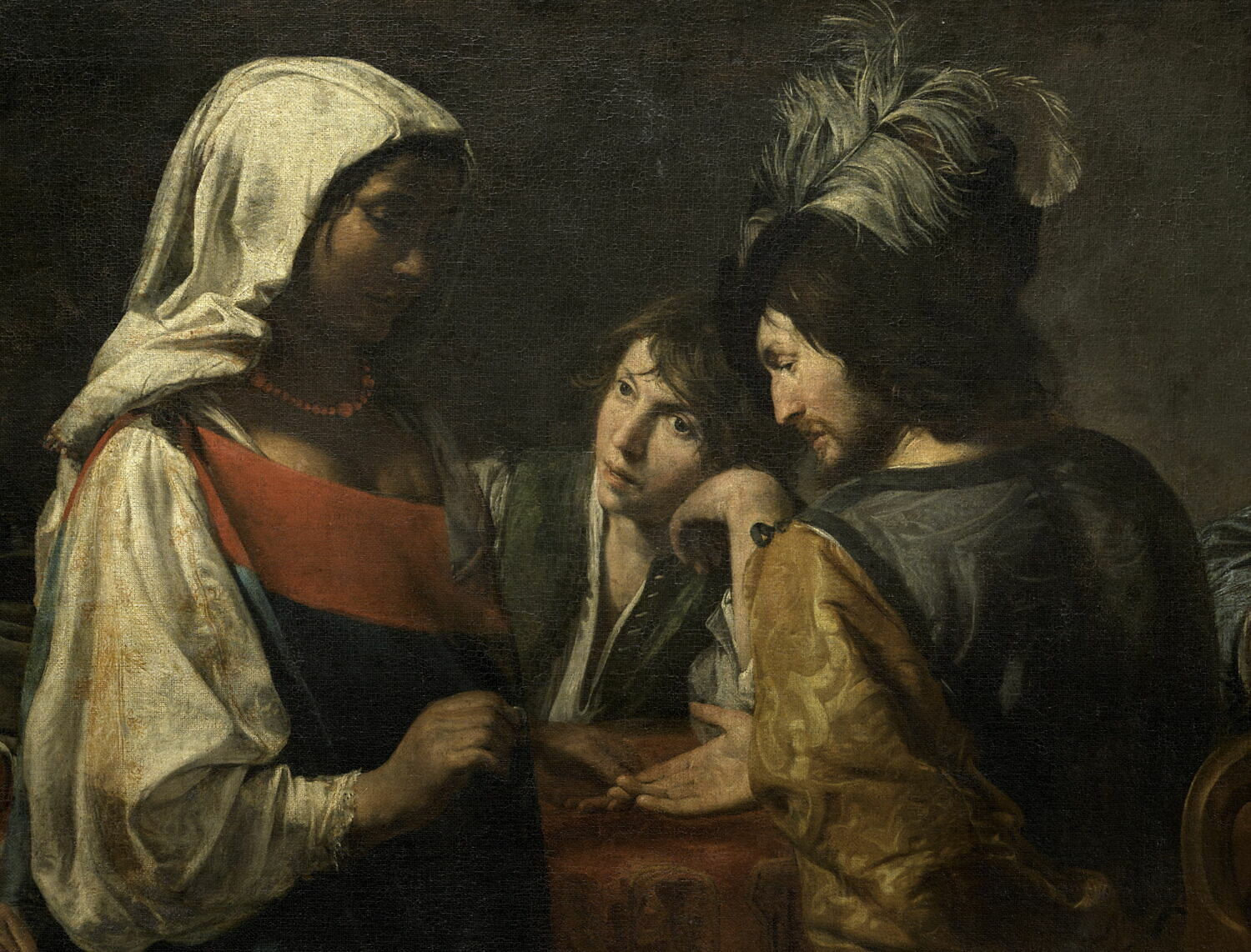
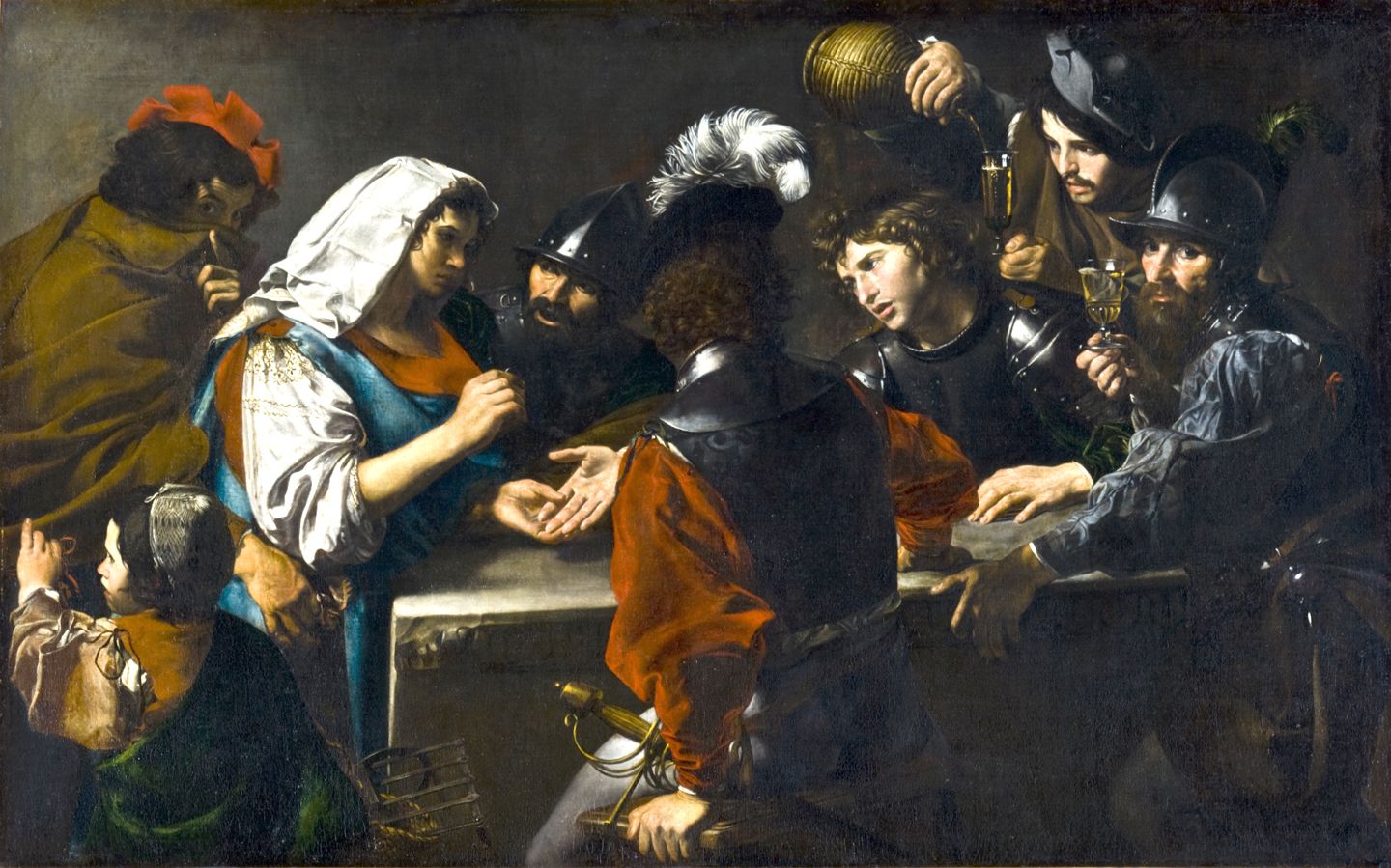
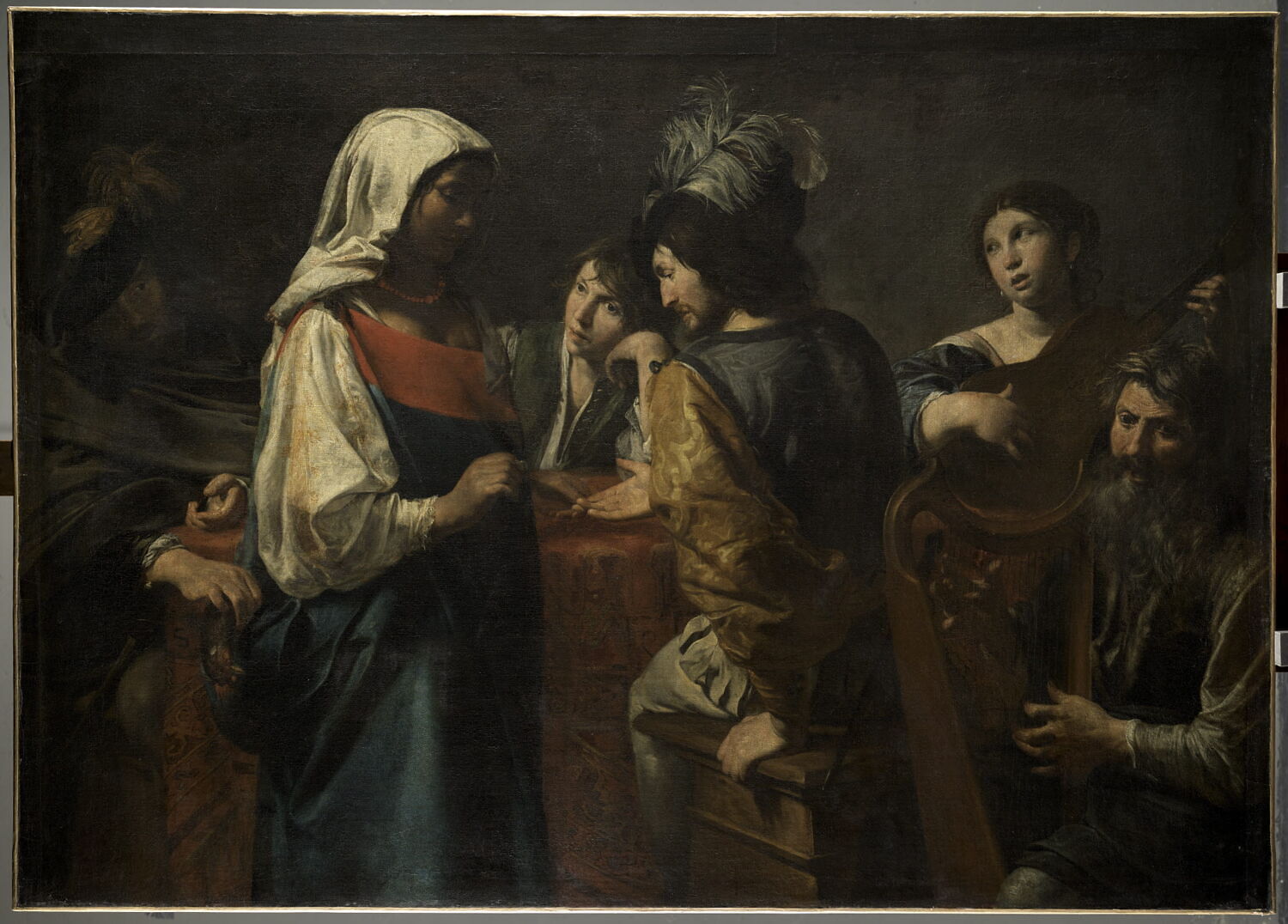
Imagine: a group of rather shifty-looking individuals huddled together, all suspiciously eyeing up a well-dressed, shall we say, naive young gentleman. He’s clearly got a bit of money about him – and they’re clearly planning to relieve him of it. Our ‘fortune teller’ is leading the charge, looking about as trustworthy as a politician promising lower taxes. Let’s break it down:
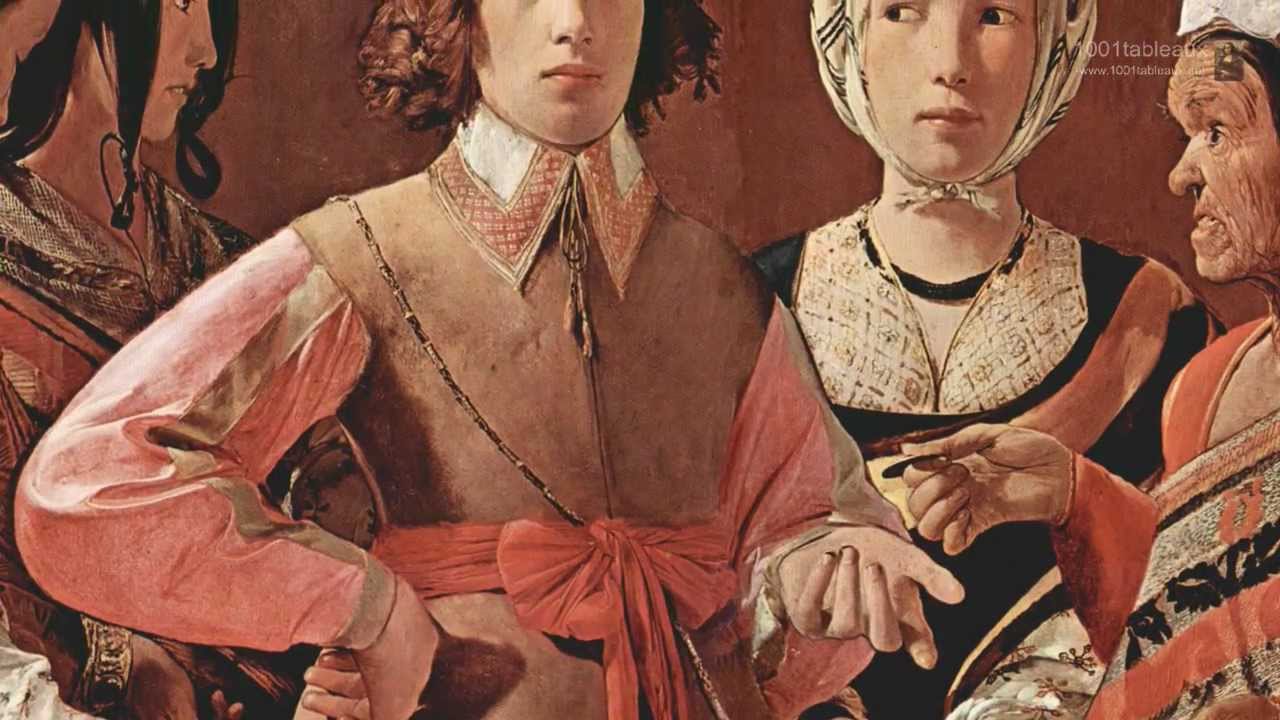
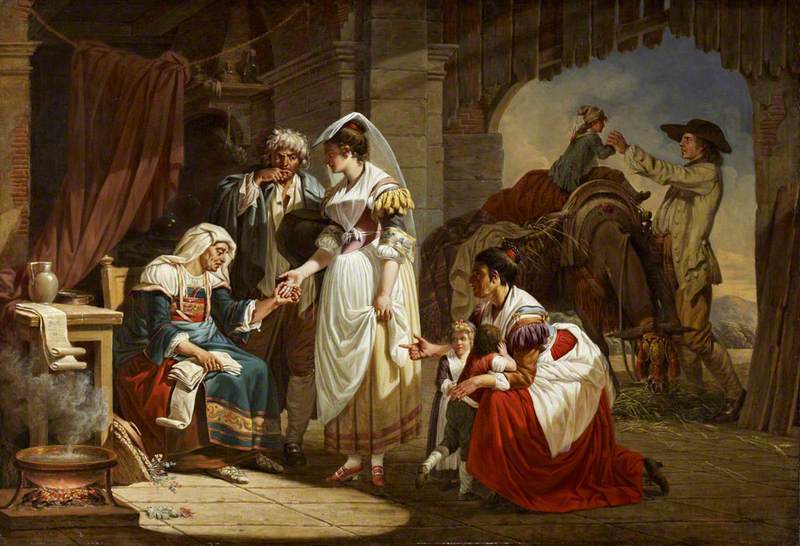
- The Fortune Teller: Our main character, Madame Faux-seer, giving the poor chap a peek into his “future”. I’m betting she's predicting riches, romance, and absolutely no impending doom. (Narrator: there is impending doom).
- The Accomplices: A motley crew of pickpockets and general ne'er-do-wells, all eager to lighten his load. Note the subtle art of distraction – eyes averted, fingers nimble, ready to pounce. They're basically the Ocean's Eleven of petty larceny.
- The Mark: Bless his cotton socks! He's gazing at the fortune teller with the blind faith only a freshly squeezed orange juice and a trust fund can buy. You just know he's going to regret this.
La Tour's Secret Sauce: Light and Shadow
Now, La Tour wasn't just painting a scene of everyday scamming. He was a master of light and shadow, a real Rembrandt-wannabe (but arguably better, zut alors!). The dramatic lighting accentuates the tension, highlights the deception, and generally makes everyone look more sinister than they probably are. Think of it as the Instagram filter of the 17th century – but instead of making you look flawless, it makes you look morally dubious. He's using candlelight like a stage spotlight, pinning the drama into place.
Is it Just a Rip Off?
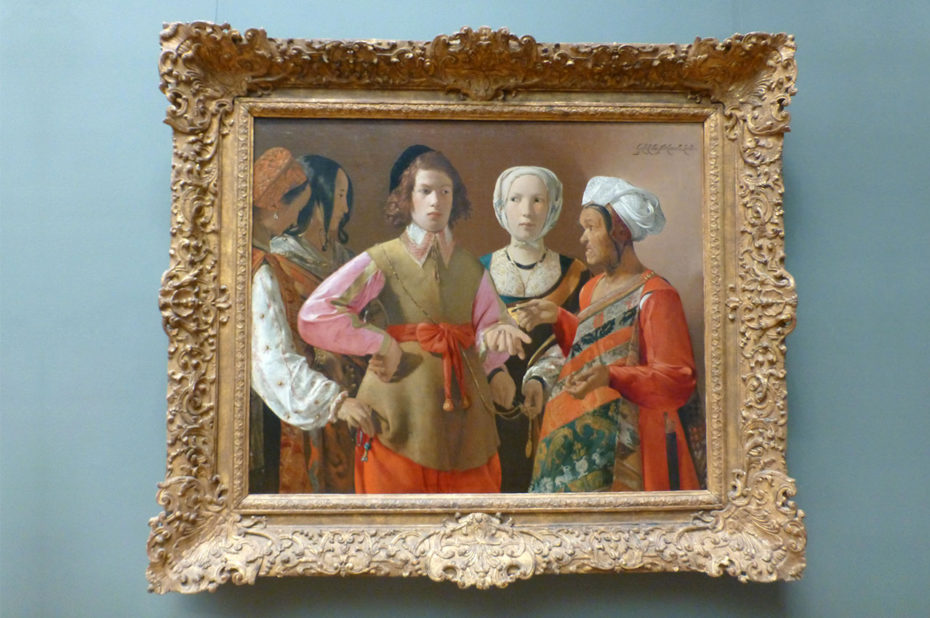
Some art historians love to debate the "meaning" behind the painting. Is it a moral lesson about the dangers of greed? A commentary on social inequality? Or just La Tour having a bit of fun depicting a classic con? Probably a bit of everything. It’s a window into a world where trust is a luxury and gullibility is a commodity. There’s a version of the painting in the Met and another in the Louvre. So, be sure to look at the correct one so you can pretend you saw it premier.
So What's the Point?
Ultimately, La Diseuse de Bonne Aventure isn’t just a pretty picture (although, let’s be honest, it is pretty). It’s a clever snapshot of human nature, a reminder that not everyone is as honest as they appear (especially fortune tellers), and a testament to the genius of Georges de La Tour. Plus, it’s a handy visual aid next time someone tries to sell you a timeshare – just picture our naive young gentleman and RUN!






.jpg)