Bonjour, mes chéris! Ever found yourself daydreaming about switching places with your boss? Or perhaps plotting a gentle (and purely hypothetical, bien sûr) role reversal with your significant other? Well, get ready to dive into a delightful, albeit slightly twisted, eighteenth-century romp that explores just that: L'Île des Esclaves by Pierre de Marivaux. Buckle up, because this ain't your grandma's etiquette manual!
Marivaux, that clever little devil, throws us headfirst into a world where social hierarchies are turned upside down and shaken vigorously like a martini. Forget your usual desert island survival guide – this is survival of the wittiest, most adaptable, and possibly, most passive-aggressive.
A Whirlwind Tour of the Island's Peculiarities
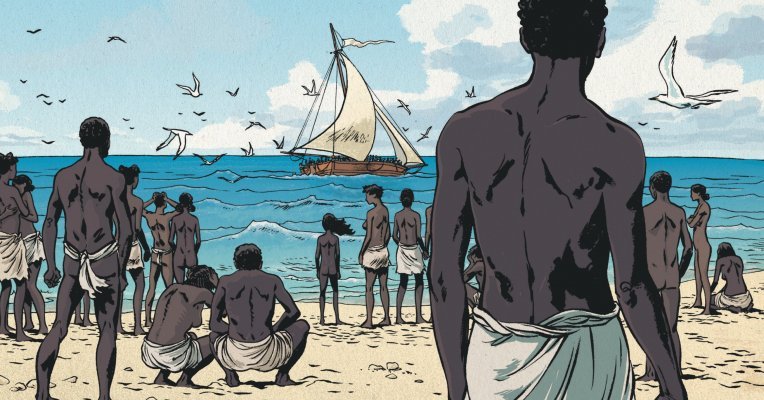
So, what's the story? Well, two shipwrecked Athenians, Iphicrate and his slave, Arlequin, wash up on the shores of the titular Île des Esclaves. Sounds idyllic, right? Wrong! This isn't your typical Club Med getaway. This island is inhabited by former slaves who, having overthrown their masters, have established a rather unique social order. Their motto? "Treat others as you have been treated!" Oh dear…
The Island's Unique Social Structure: Revenge is a Dish Best Served Sarcastic
Here’s the juicy bit. On this island, masters become slaves and slaves become masters. The newcomers are forced to swap roles, giving Arlequin the chance to lord it over his former master, Iphicrate. Imagine the possibilities! Unlimited demands for grapes? Compulsory back scratches? The mind boggles! But fear not, it’s not quite the sadistic free-for-all you might be picturing (although, let's be honest, a little bit of sadism is definitely implied).
The whole charade is overseen by the island's governor, a wise (and possibly slightly bored) philosopher named Trivelin. He's basically the referee in this elaborate social experiment, ensuring everyone learns a valuable lesson about empathy, equality, and the dangers of treating people like doormats. Think of him as Dr. Phil, but with a penchant for eighteenth-century wigs and pointed moralizing.
Let’s break down the key players, shall we? It's like a theatrical lineup, but with added social commentary:
- Iphicrate: Our resident former master. Used to giving orders and expecting them to be obeyed without question. He’s about to learn a harsh lesson in humility, and probably develop a twitch.
- Arlequin: The newly empowered slave. Given free rein to dish out the same treatment he received for years. Will he become a tyrannical monster? Or will the weight of responsibility (and the fear of eventual karmic payback) temper his behavior? That's the million-dollar question!
- Trivelin: The island's benevolent (and slightly Machiavellian) governor. He's pulling the strings behind the scenes, orchestrating the role reversal and nudging everyone towards enlightenment. Think of him as the puppet master of social justice.
- Cléanthis: Another shipwrecked slave girl, accompanying her mistress Euphrosine. She is intelligent and witty, quickly adapting to the island's social dynamics.
- Euphrosine: Cléanthis's mistress, used to luxury and privilege. She struggles to accept her new position and learns some harsh truths about her own vanity and shallowness.
Humor in High Places (and Low Places, Depending on Who's in Charge)
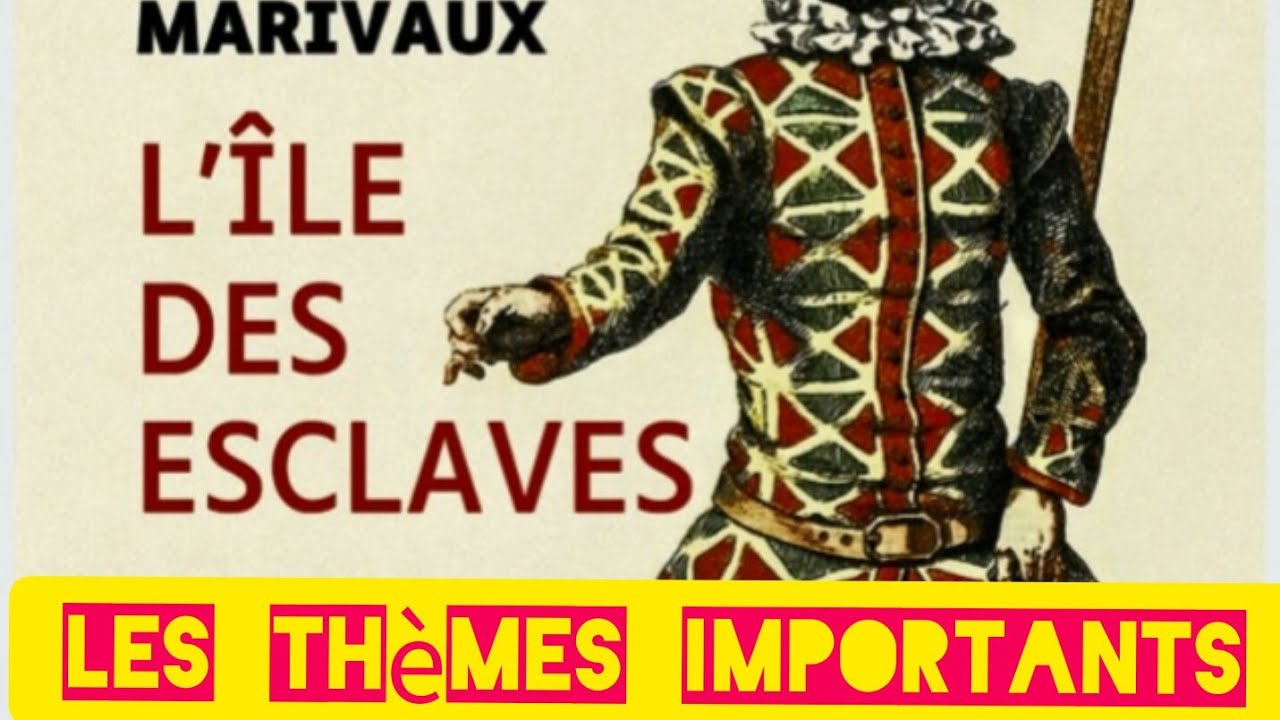
Now, you might be thinking this sounds like a rather grim and preachy affair. But fear not! Marivaux injects plenty of humor into the proceedings, mostly through the character of Arlequin. He's a master of malapropisms, misunderstandings, and generally making a fool of himself (and, by extension, his former master). Think of him as a proto-Mr. Bean, but with added philosophical undertones.

The humor arises from the sheer absurdity of the situation. Imagine Arlequin, who probably struggled to tie his own shoes before, suddenly barking orders at the man who used to sign his paychecks (or, more accurately, not sign his paychecks, because, you know, slavery). The power dynamic is so utterly flipped that it's inherently comical. It’s like watching a chihuahua trying to boss around a Great Dane – you can't help but chuckle.
Here's a taste of the kind of shenanigans you can expect:
- Arlequin demanding Iphicrate brush his teeth (presumably with Iphicrate's own toothbrush. Hygiene standards were a bit different back then).
- Arlequin attempting to give Iphicrate fashion advice (which probably involves wearing mismatched socks and a hat made of seaweed).
- Arlequin delivering rambling, nonsensical speeches about the importance of social justice (while simultaneously demanding Iphicrate fetch him a glass of water).
Marivaux uses humor not just for laughs, but to highlight the ridiculousness of social hierarchies. He's poking fun at the ingrained assumptions we make about status and power. He's basically saying, "Hey, isn't it a little silly that we treat people differently based on their job title or their family name?" And he does it all with a wink and a nudge.
The Play's Profound (But Not Too Preachy) Message
Okay, so beneath the humor and the role-playing, there's a serious message lurking. L'Île des Esclaves is a critique of social inequality and the dehumanizing effects of slavery. It's a call for empathy, understanding, and a recognition of the inherent worth of every individual, regardless of their social standing.
Marivaux isn't just saying, "Slavery is bad!" (although, let's be clear, he is saying that). He's also exploring the psychological impact of oppression on both the oppressor and the oppressed. He's asking us to consider how power corrupts, and how easily we can fall into the trap of treating others as less than human.

The play suggests that true freedom isn't just about escaping physical bondage, but also about freeing ourselves from the chains of prejudice and preconceived notions. It's about recognizing our shared humanity and treating each other with respect and dignity.
But don't worry, Marivaux doesn't beat you over the head with his message. He delivers it with a light touch, using humor and satire to make his points. He's like a kindly professor who slips a profound philosophical lesson into a silly anecdote. You might not even realize you're learning something until you're halfway through a plate of profiteroles and suddenly have an epiphany about the nature of social justice.
Key Themes Explored in the Play:
- Social Inequality: The play directly confronts the inequalities inherent in the master-slave relationship and, by extension, other forms of social stratification.
- The Corrupting Influence of Power: It demonstrates how easily those in positions of power can abuse their authority and dehumanize those under their control.
- Empathy and Understanding: The play emphasizes the importance of understanding the perspectives of others, particularly those who are different from us.
- Forgiveness and Reconciliation: Ultimately, the play suggests that forgiveness and reconciliation are necessary for healing the wounds of the past and building a more just society.
- The Nature of Freedom: It argues that true freedom is not just about physical liberation, but also about mental and emotional liberation from prejudice and resentment.
The End Result: Transformation (Maybe)
So, what happens to Iphicrate and Arlequin? Do they learn their lesson? Do they become enlightened beings, dedicated to promoting social justice and world peace? Well… sort of. Marivaux doesn't give us a Disney ending where everyone suddenly becomes best friends and starts singing kumbaya. He's a bit more realistic than that.
Iphicrate does eventually come to recognize the error of his ways (after being thoroughly humiliated, of course). He realizes that he has treated Arlequin poorly and that his own sense of entitlement was unjustified. He apologizes (somewhat grudgingly) and promises to be a better person (we'll see about that!).
Arlequin, for his part, discovers that being in charge isn't all it's cracked up to be. He finds that wielding power can be complicated and that treating people badly, even when they deserve it, doesn't actually make him feel any better. He learns a bit about empathy and compassion (although he still manages to sneak in a few more demands for grapes). Basically, he becomes a slightly less annoying version of himself.

The play ends with Iphicrate and Arlequin (and Euphrosine and Cléanthis) being allowed to leave the island, presumably to return to Athens and put their newfound wisdom into practice. Whether they actually succeed in changing their behavior is left open to interpretation. Marivaux is suggesting that personal transformation is a process, not a destination.
Why You Should Read (or Watch) L'Île des Esclaves
So, why should you bother with this eighteenth-century French play? Well, for starters, it's hilarious. It's also thought-provoking and surprisingly relevant to today's world. It's a reminder that social inequality is still a major problem and that we all have a responsibility to treat each other with respect and dignity.
But more than that, it's just a darn good story. It's got witty dialogue, quirky characters, and a plot that keeps you guessing. It's the perfect antidote to a long day at the office or a particularly dull family gathering.
Here are a few compelling reasons to add L'Île des Esclaves to your reading list (or your Netflix queue, if you can find a decent adaptation):
- It's a Classic: There's a reason why this play has been performed and studied for centuries. It's a timeless exploration of human nature and social dynamics.
- It's Funny: As mentioned before, the play is genuinely hilarious, thanks to Marivaux's witty dialogue and the antics of characters like Arlequin.
- It's Thought-Provoking: The play raises important questions about social justice, power, and empathy.
- It's Relatively Short: You can easily read or watch it in a single sitting. No need to commit to a multi-volume epic.
- It's a Great Conversation Starter: After you've experienced L'Île des Esclaves, you'll have plenty to discuss with your friends, family, and colleagues. Prepare for some lively debates!
Plus, reading it will make you sound super cultured at your next cocktail party. Just casually drop the name "Marivaux" into conversation and watch as everyone marvels at your intellectual prowess. You'll be the envy of all your friends (or at least, the ones who haven't read this article).
Adaptations and Modern Relevance
L'Île des Esclaves has been adapted numerous times for stage, film, and television, demonstrating its enduring appeal. Its themes of social injustice and role reversal continue to resonate with modern audiences. It's not hard to see parallels between the play's depiction of power dynamics and contemporary issues such as income inequality, racial discrimination, and political polarization.
The play's central question – how would you behave if you were suddenly given power over those who previously held power over you? – remains a relevant and provocative one. It forces us to confront our own biases and assumptions about status and authority.
In a world where social media has given everyone a platform to voice their opinions and challenge existing hierarchies, L'Île des Esclaves offers a timely reminder of the importance of empathy, understanding, and responsible use of power.
Some Fun Facts About Marivaux (to Impress Your Friends)
Before we wrap things up, here are a few fun facts about Pierre Carlet de Chamblain de Marivaux (yes, that's his full name – try saying that five times fast!) that you can casually drop into conversation to impress your friends:
- He was born in Paris in 1688. So, basically, he was around when powdered wigs were all the rage (which probably influenced his plays).
- He's considered one of the most important French playwrights of the 18th century. Think of him as the French equivalent of Shakespeare, but with a slightly more cynical sense of humor.
- The word "marivaudage" comes from his name. It refers to a style of witty, elegant, and often ambiguous dialogue that is characteristic of his plays. So, if you ever hear someone using the word "marivaudage," you'll know they're talking about someone who's really good at flirting (or arguing, depending on your perspective).
- He wrote novels and essays in addition to plays. So, he was a man of many talents (and presumably, a lot of free time).
- He died in 1763, leaving behind a legacy of witty, insightful, and enduring works that continue to be enjoyed by audiences around the world.
In Conclusion: A Punchy Takeaway
So, there you have it, mes amis! L'Île des Esclaves: a delightful dose of social commentary wrapped in a comedic package. It's a play that will make you laugh, think, and maybe even question your own place in the social hierarchy. And if nothing else, it will give you a newfound appreciation for the simple things in life, like not having to brush someone else's teeth. Now, if you'll excuse me, I'm off to demand that my cat start paying rent. Wish me luck! And remember, folks, treat your slaves... I mean, employees, with respect! Before they decide to open up a deserted island and exact sweet, sweet, grape-filled revenge.