Salut tout le monde! Ever heard of a "Jugement d'ouverture d'une procédure de redressement judiciaire"? Sounds intimidating, right? Like something straight out of a legal thriller? Well, don't sweat it! We're going to break it down, make it digestible, and maybe even…fun? Okay, maybe not fun fun, but definitely interesting. Think of it as the financial equivalent of a medical intervention. Someone's not feeling so great, needs a little help to get back on their feet, and this is the process that might just do the trick.
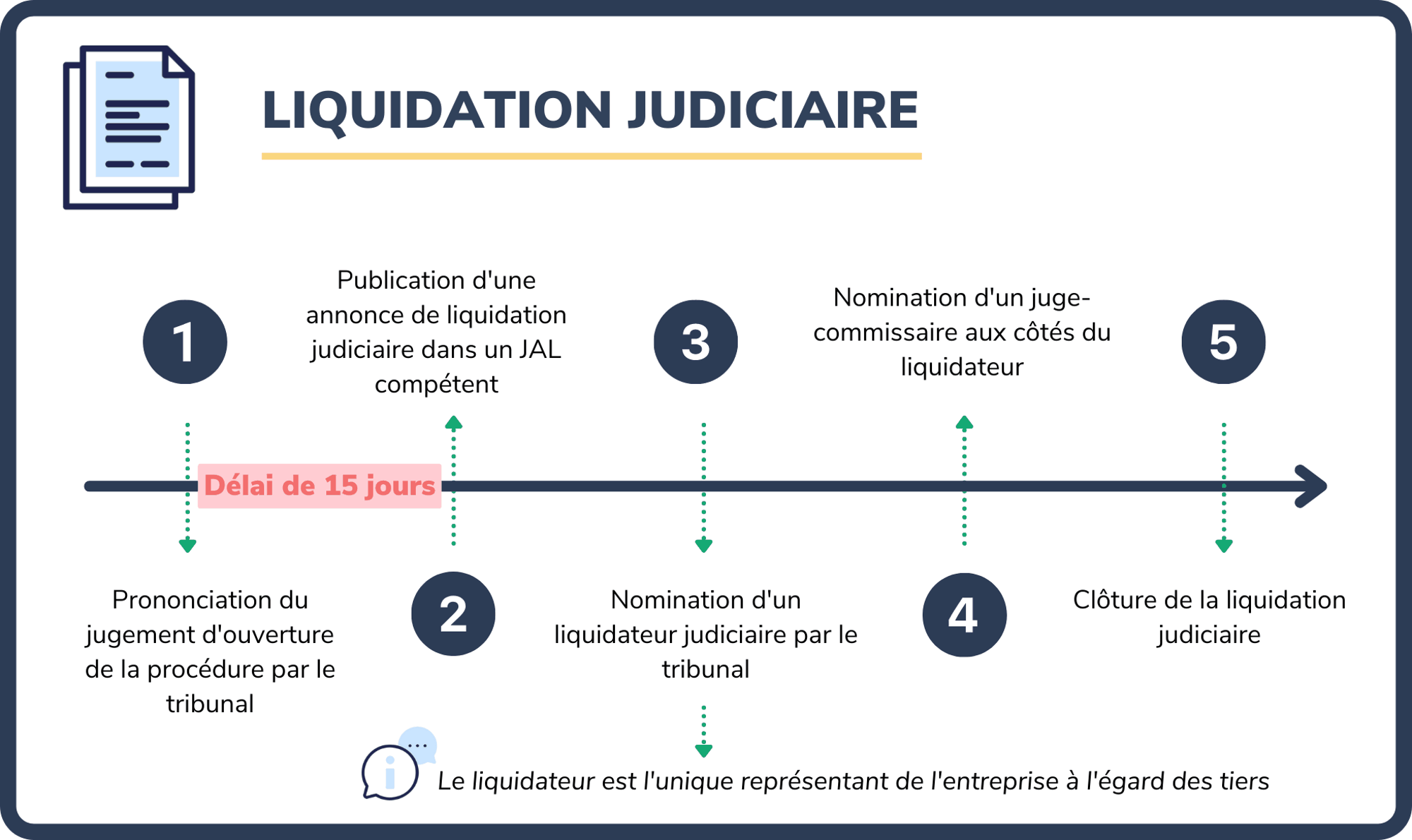
What in the World IS a "Jugement d'Ouverture d'une Procédure de Redressement Judiciaire?"
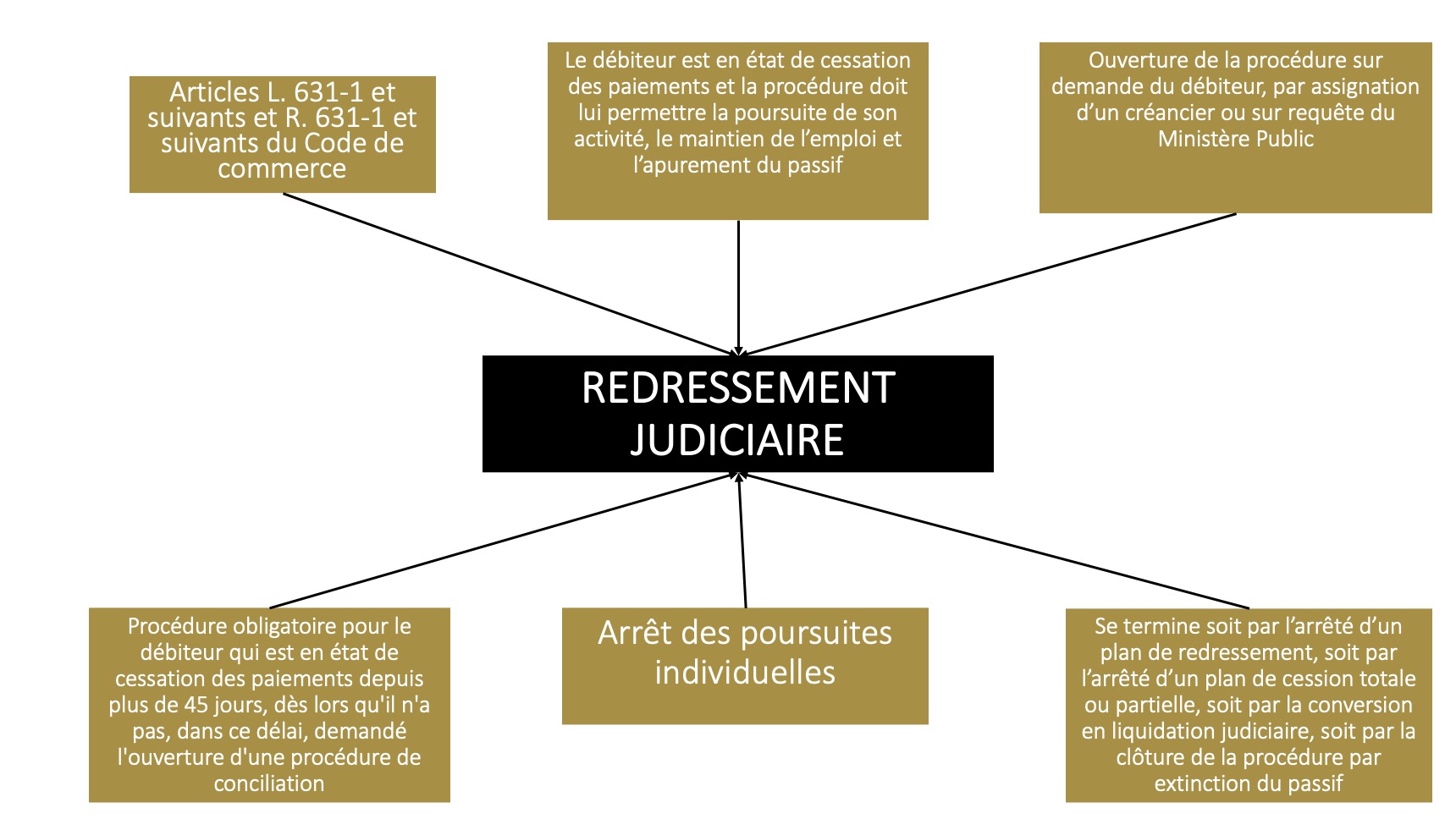
Let's cut through the jargon. Basically, it's a court decision (the "Jugement d'Ouverture") that kicks off a reorganization proceeding (the "Procédure de Redressement Judiciaire"). Think of it like this: your favorite band is on the verge of breaking up because their finances are a mess. This proceeding is their last-ditch effort to get their act together before calling it quits. So, a company (or even a solo entrepreneur, depending on the situation) is in a bit of a financial pickle. They can't pay all their bills on time, and things are looking dicey. But they believe they can turn things around.
The "Jugement d'Ouverture" is the court officially saying, "Okay, we acknowledge you're in trouble, but we're going to give you a chance to reorganize your affairs and get back to solvency." It's a signal – a serious one, mind you – but it's also a sign of hope.
Why is this "Jugement" so Important?
Good question! It's not just some random piece of paper. This "Jugement" has some pretty significant consequences. Think of it as hitting the "pause" button on some of the company's immediate pressures. Here's why it matters:
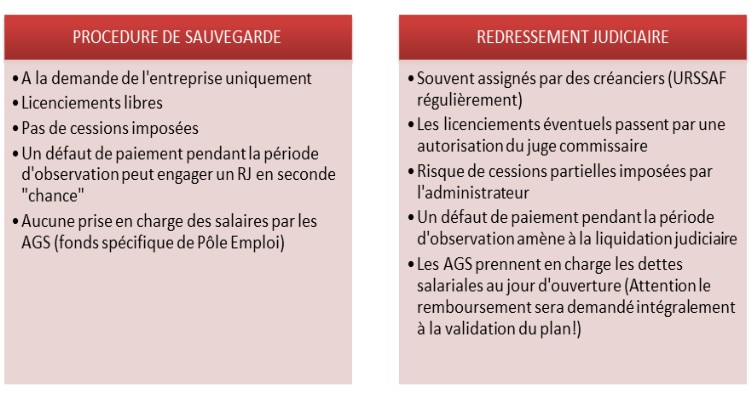
- Suspension of Debt Collection: This is HUGE. All those creditors knocking on the door demanding payment? They have to wait. The process puts a temporary hold on most debt collection actions. It’s like putting a time-out on all the financial chaos.
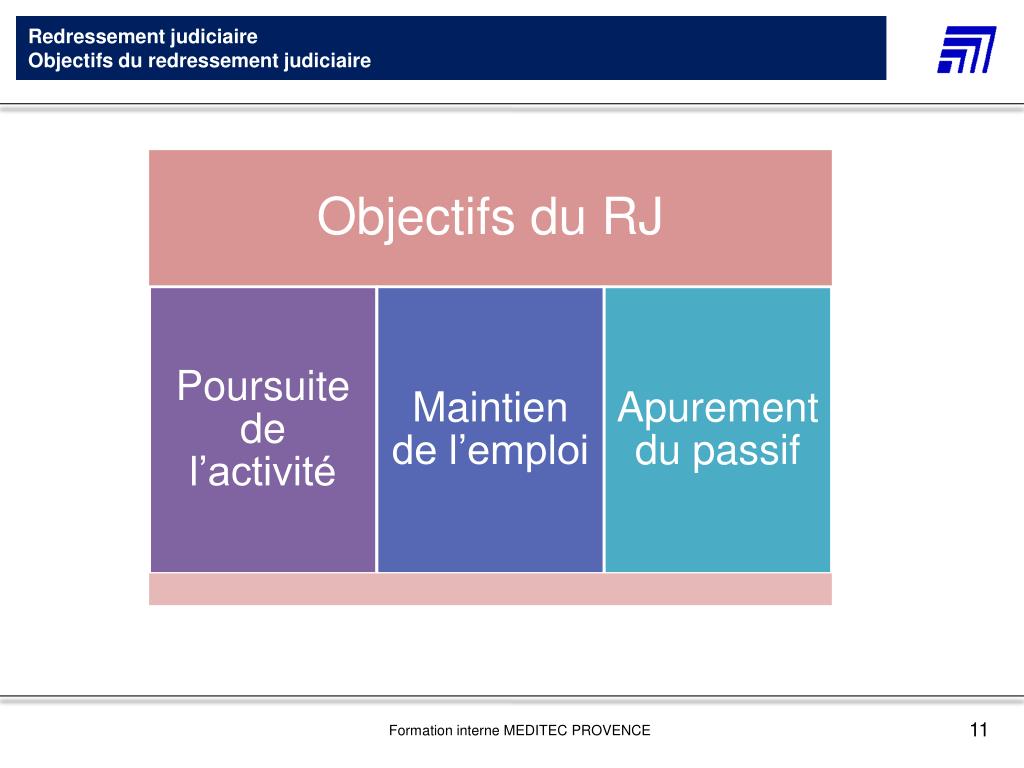
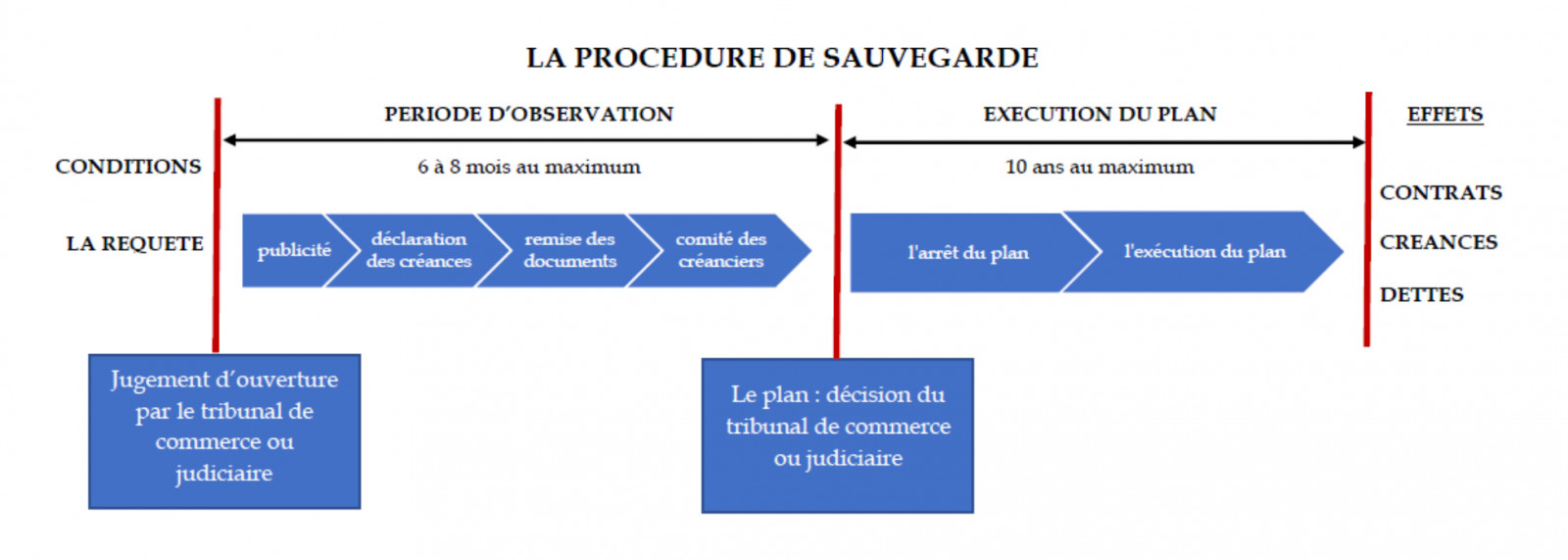
- Observation Period: The court appoints representatives who will investigate the situation, assess the company's assets and liabilities, and try to figure out a viable recovery plan. It’s like a financial doctor making a diagnosis. This period is crucial for determining the future of the business.
- Development of a Reorganization Plan: The goal is to come up with a plan – a "plan de redressement" – that will allow the company to pay off its debts over time while continuing to operate. This might involve things like selling assets, renegotiating contracts, or streamlining operations. It’s the prescribed treatment plan after the diagnosis.
- Potential for Continued Operation: The whole point of this is to save the business, not bury it. Unlike liquidation, where everything gets sold off, the redressement judiciaire aims to keep the company afloat, employing people, and contributing to the economy. It’s essentially a rescue mission.
Who's Involved? It's Not a Solo Act!
A "Jugement d'Ouverture" sets the stage for a complex legal drama with several key players:
- The Debtor (The Company in Trouble): Obviously, they're the central character. They're the ones who filed for this process in the first place (or, in some cases, their creditors may have pushed for it). They have to cooperate fully with the court and the appointed representatives.
- The Court (Tribunal de Commerce or Tribunal de Grande Instance): They're the referee. They oversee the entire process, make important decisions, and ultimately approve (or reject) the reorganization plan.
- The Mandataire Judiciaire (Judicial Representative): Think of this person as the court-appointed financial advisor. They represent the interests of all creditors. They'll investigate the company's finances, assess the feasibility of a recovery, and play a key role in developing the reorganization plan.
- The Administrateur Judiciaire (Administrator): In some cases, the court will also appoint an administrator. This person will assist the company's management in running the business during the reorganization period. They might even take over some or all of the management responsibilities, depending on the severity of the situation.
- The Creditors: These are the people or entities to whom the company owes money. They have a vested interest in the outcome of the proceeding, as they want to get paid back as much as possible. They get to voice their opinions and concerns about the proposed reorganization plan.
So, What Happens After the "Jugement"? The Plot Thickens!
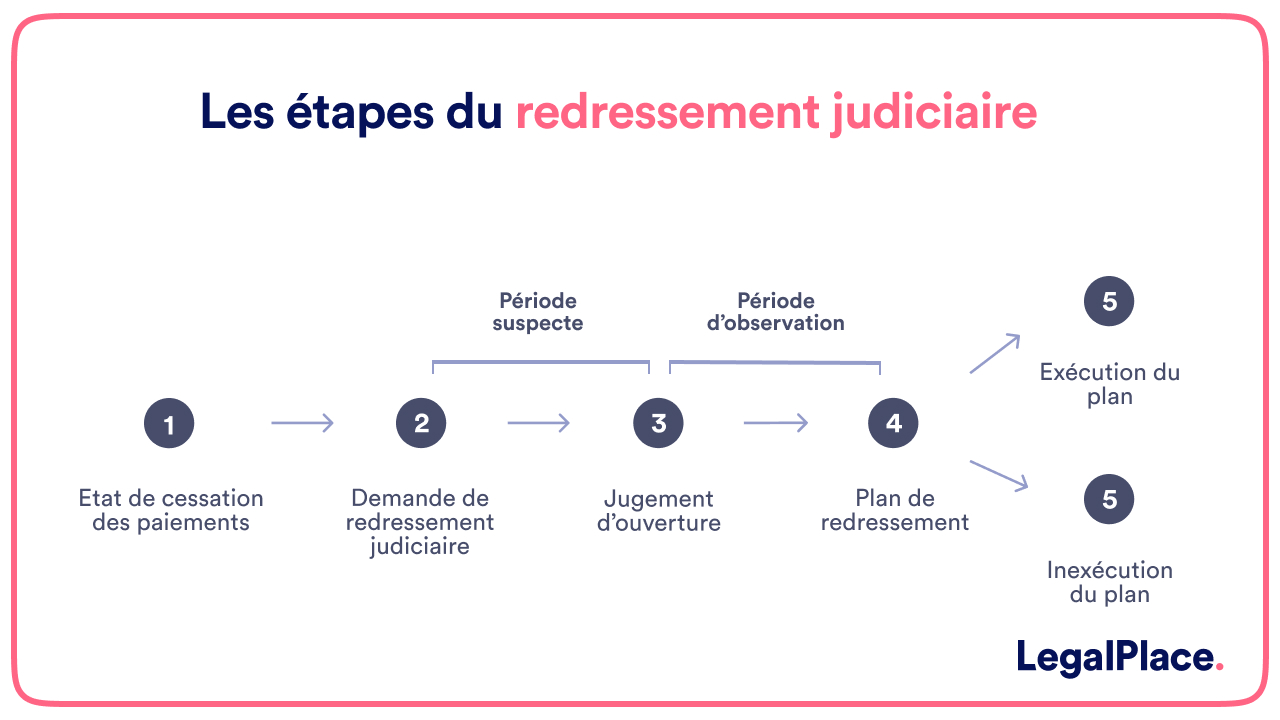
The "Jugement d'Ouverture" is just the beginning. Here's a quick overview of what typically follows:
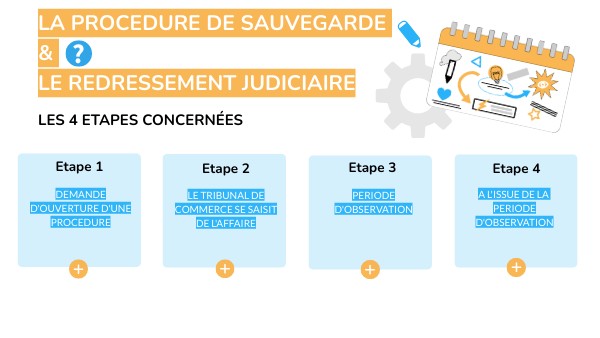
- Information and Publication: The "Jugement" is published in official legal publications (like the BODACC – Bulletin Officiel des Annonces Civiles et Commerciales). This is to inform all interested parties (especially creditors) that the proceeding has begun.
- Declaration of Claims: Creditors have a specific timeframe (usually a couple of months) to declare their claims to the mandataire judiciaire. This is basically their way of saying, "Hey, this company owes us money!" If they miss the deadline, they might lose their chance to get paid.
- Assessment and Plan Development: The mandataire judiciaire and (if applicable) the administrateur judiciaire work together to assess the company's financial situation, develop a reorganization plan, and negotiate with creditors. This involves a lot of number-crunching, legal maneuvering, and strategic thinking.
- Creditor Consultation: The creditors get to review the proposed reorganization plan and vote on it. The court needs to approve the plan, and creditor support is crucial for getting that approval.
- Court Approval (or Rejection): Ultimately, the court decides whether to approve the reorganization plan. If approved, the company has to implement the plan and stick to its terms. If rejected, the company may be forced into liquidation (liquidation judiciaire).
Why Should You Care? Beyond the Legal Mumbo Jumbo
Okay, so maybe you're not a lawyer or a business owner teetering on the edge of insolvency. Why should you care about all this legal stuff? Well, here are a few reasons:
- Economic Impact: The success or failure of a "redressement judiciaire" can have a ripple effect on the local economy. If a major employer is saved, it can preserve jobs, support local suppliers, and keep money flowing.
- Understanding the Business World: Knowing about these types of proceedings can give you a better understanding of the challenges and risks that businesses face. It’s like understanding the rules of a game – you can appreciate the plays and strategies much more.
- Protecting Your Own Interests: If you're a supplier, a customer, or even an employee of a company undergoing "redressement judiciaire," knowing your rights and options is crucial. You might need to declare a claim, renegotiate a contract, or look for a new job.
- A Glimpse into the Legal System: These proceedings offer a fascinating glimpse into how the legal system works to balance the interests of different parties and try to find solutions to complex financial problems. It’s like peeking behind the curtain of a complex machine.
In a Nutshell: It's About Second Chances
So, there you have it – a (hopefully) not-too-intimidating look at the "Jugement d'Ouverture d'une Procédure de Redressement Judiciaire." It's a complex process, but at its core, it's about giving companies a second chance. It's about trying to save businesses, preserve jobs, and avoid the even more drastic consequences of liquidation. It's about finding a path to recovery when things look bleak. Is it always successful? Absolutely not. But it's a vital tool for navigating the turbulent waters of the business world. And hey, who doesn't love a good comeback story?
Think of it this way: it’s not the end of the road, but a detour with a chance for a fresh start. That’s pretty cool, right?


.png?width=1630&height=970&name=redressement judiciaire (1).png)








.png?width=4890&height=2910&name=redressement judiciaire (1).png)