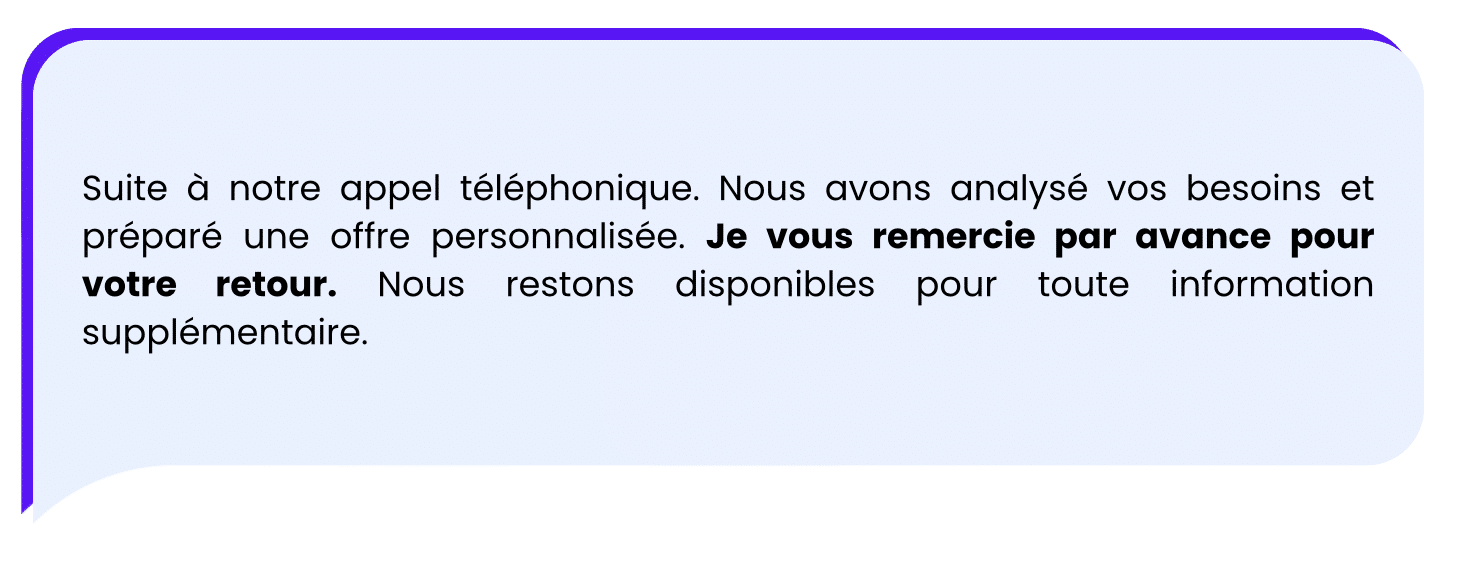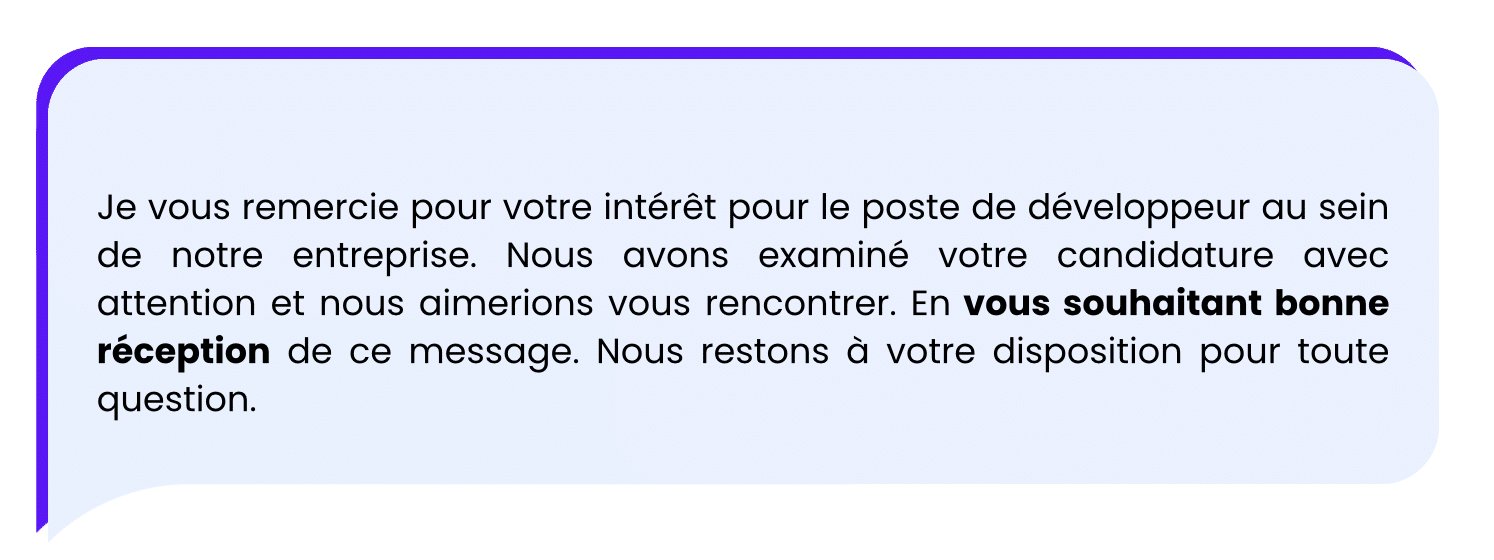
Ah, "Je vous remercie pour votre sollicitude." Sounds fancy, doesn't it? Like something you'd say while sipping champagne on a yacht... or perhaps while graciously accepting a slightly-too-late apology from your cat for knocking over your favorite vase. Either way, it's a phrase dripping with politeness, and a hint of... well, let's be honest, a touch of old-world charm. But what does it really mean? Let's dive in, shall we, with a dash of humor and a sprinkle of self-deprecation (because who actually remembers all their high school French?).
Deconstructing the Politeness Bomb: A Linguistic Autopsy
First, let's break down this elegant phrase, piece by piece, like a particularly stubborn baguette:
- Je: Easy peasy! That's "I." We're off to a good start!
- Vous: "You." But not just any "you." This is the formal "you," the one you use when addressing your boss, the Queen of England, or that particularly judgmental pigeon on your balcony. Think of it as the "you" that requires a slight bow and a carefully chosen vocabulary.
- Remercie: From the verb "remercier," meaning "to thank." We're thanking someone for something, obviously. The suspense is killing me!
- Pour: "For." This little word is the glue that holds the thank-you sandwich together.
- Votre: "Your." Again, the formal "your," because we're still being incredibly polite. We haven't even gotten to the good stuff yet!
- Sollicitude: Ah, now we're getting to the meat of the matter! This is where things get interesting...and slightly more complicated. "Sollicitude" translates roughly to "concern," "care," "attention," or even "thoughtfulness." It's the act of someone showing interest in your well-being, your problems, or your general state of existence.
So, putting it all together, "Je vous remercie pour votre sollicitude" translates to: "I thank you for your concern/care/attention/thoughtfulness." It’s a rather formal way of saying “Thanks for caring!” or "Thanks for your concern."
Think of it this way: You've just confessed to your colleague, Madame Dubois, that you're having a terrible day because your croissant tragically disintegrated on the way to work. She listens intently, offers words of comfort (perhaps even a spare pain au chocolat!), and generally demonstrates a level of empathy that would make Mother Teresa proud. In this situation, "Je vous remercie pour votre sollicitude" is the perfect response. It's elegant, appreciative, and conveys a depth of gratitude that a simple "Merci" just wouldn't capture.
When to Unleash the Power of Sollicitude
Now, let's be clear: You wouldn't use this phrase with just anyone. It's not something you'd say to the cashier at the grocery store when they ask if you need help finding the avocados (unless, of course, you're dramatically obsessed with avocados and their whereabouts are a matter of existential importance).
Here are some scenarios where "Je vous remercie pour votre sollicitude" is perfectly appropriate (and might even make you sound incredibly sophisticated):
- When someone has gone out of their way to help you: Your boss stayed late to help you finish a crucial presentation? "Je vous remercie pour votre sollicitude, Monsieur/Madame [Boss's Last Name]."
- When someone has shown genuine concern for your well-being: Your neighbor noticed you looked under the weather and brought you chicken soup? "Je vous remercie pour votre sollicitude. C'est très gentil de votre part." (That's "It's very kind of you," for those of you who, like me, are relying heavily on Google Translate.)
- In formal correspondence: Writing a thank-you letter to a potential employer after an interview? "Je vous remercie pour votre sollicitude et l'opportunité de discuter de mes compétences." (I thank you for your consideration and the opportunity to discuss my skills.)
- When you want to sound ridiculously polite: Let's be honest, sometimes you just want to impress people with your linguistic prowess. Throwing in a well-placed "Je vous remercie pour votre sollicitude" can definitely do the trick. Just be sure you're not being sarcastic, or you might end up causing an international incident.
Examples in real-life (or at least, scenarios where they could be used):
- Scenario: Your elderly neighbor, Madame Dubois, notices you struggling to carry groceries up the stairs and offers to help. Your response: "Oh, Madame Dubois, je vous remercie pour votre sollicitude! C'est très aimable de votre part." (Oh, Madame Dubois, I thank you for your concern! That's very kind of you.)
- Scenario: Your boss emails you after you've been out sick, checking in on your recovery. Your response: "Je vous remercie pour votre sollicitude, Monsieur/Madame [Boss's Last Name]. Je me sens beaucoup mieux et je serai de retour au bureau demain." (I thank you for your concern, Mr./Ms. [Boss's Last Name]. I'm feeling much better and I'll be back in the office tomorrow.)
- Scenario: A kind stranger helps you find your lost cat. Your response: "Je vous remercie infiniment pour votre sollicitude! J'étais tellement inquiet/inquiète!" (I thank you immensely for your concern! I was so worried!) Note the "infiniment" for extra emphasis!
The Nuances of Sollicitude: It's Not Just About Politeness
While "Je vous remercie pour votre sollicitude" is undoubtedly polite, it also carries a subtle weight of sincerity. It suggests that you genuinely appreciate the other person's concern and that their actions have had a positive impact on you. It's more than just a formulaic phrase; it's an expression of genuine gratitude.
Think of it as the difference between saying "Thank you" and "Thank you so much, I really appreciate it." The latter conveys a deeper level of appreciation and sincerity. "Je vous remercie pour votre sollicitude" falls into that second category.

Alternatives to "Je Vous Remercie Pour Votre Sollicitude": When You Want to Mix Things Up
Okay, so maybe you're tired of sounding like a character in a period drama. Maybe you want to express your gratitude in a way that's a little more...modern. Fear not! There are plenty of alternatives to "Je vous remercie pour votre sollicitude" that still convey your appreciation:
- Merci beaucoup: A classic and versatile option. "Thank you very much."
- Merci infiniment: "Thank you immensely." For when you're feeling extra grateful.
- Je vous suis très reconnaissant(e): "I am very grateful to you." (Note the "(e)" – add it if you're female!)
- C'est très gentil/aimable de votre part: "That's very kind of you."
- Votre aide m'a été très précieuse: "Your help was very valuable to me."
- (Informal) Merci mille fois!: "Thanks a thousand times!" Use this with friends and family, not your boss.
The best option will depend on the context and your relationship with the person you're thanking. But remember, sincerity is key! No matter which phrase you choose, make sure it comes from the heart (or at least from a place that's vaguely resembling the heart).
The Pitfalls of Over-Politeness: When Sollicitude Backfires
Now, a word of caution: While politeness is generally a good thing, it's possible to overdo it. Using "Je vous remercie pour votre sollicitude" in every single conversation can make you sound insincere, robotic, or even, dare I say it, a little bit creepy.
Imagine this: You accidentally bump into someone on the street. You apologize profusely, and they reply, "Oh, it's quite alright." You then respond with, "Je vous remercie pour votre sollicitude."... Awkward silence ensues. They probably think you're either a time traveler from the 18th century or just plain weird.
The key is to use "Je vous remercie pour votre sollicitude" sparingly and only in situations where it feels genuine. Don't force it! Let your gratitude flow naturally, like a fine French wine (preferably one that doesn't cost more than your rent).
A Cultural Perspective: Is Sollicitude a French Thing?
While expressing gratitude is a universal human trait, the French do have a particular reputation for politeness and formality. "Je vous remercie pour votre sollicitude" is a prime example of this cultural tendency. It reflects the French emphasis on social etiquette and the importance of showing respect for others. This doesn't mean other cultures don't value concern and helpfulness, it just means the French have a particularly eloquent way of acknowledging it.

In some cultures, a simple "Thank you" might suffice. In France, however, going the extra mile with a phrase like "Je vous remercie pour votre sollicitude" can be a sign of sophistication and refinement. It shows that you're not just going through the motions; you're genuinely grateful for the other person's kindness.
Of course, cultural norms are constantly evolving, and younger generations in France may be less likely to use such formal language. But "Je vous remercie pour votre sollicitude" remains a classic expression of gratitude that's worth knowing, even if you only use it occasionally.
Common Mistakes and How to Avoid Them: Don't Be a Politeness Faux Pas!
Even if you understand the meaning of "Je vous remercie pour votre sollicitude," there are still some common mistakes you might make when using it. Here are a few to watch out for:
- Using the informal "tu" instead of "vous": Remember, "Je vous remercie pour votre sollicitude" is a formal expression. Using "tu" instead of "vous" would be like wearing sneakers to a black-tie event. It's just not done!
- Mispronouncing "sollicitude": This word can be a tongue-twister for non-native speakers. Practice saying it out loud until you feel comfortable with the pronunciation. A helpful hint: it sounds a little like "so-lee-see-tude".
- Using it in an inappropriate context: As we discussed earlier, "Je vous remercie pour votre sollicitude" is not appropriate for every situation. Save it for those moments when you truly want to express your heartfelt appreciation.
- Forgetting the gender agreement: If you're writing "Je vous suis reconnaissant," remember to add the "(e)" if you're female. Otherwise, you might accidentally imply that you're a man with a penchant for wearing dresses (which, hey, is perfectly fine, but might not be the message you're trying to convey).
By avoiding these common mistakes, you can ensure that your expression of gratitude is both sincere and grammatically correct. You'll be speaking French like a pro in no time!
A Humorous Interlude: Sollicitude Gone Wrong (A Fictional Tale)
Let's imagine a scenario where our well-intentioned but slightly clueless protagonist, Jean-Pierre, attempts to use "Je vous remercie pour votre sollicitude" in a completely inappropriate situation:
Jean-Pierre is at a crowded Parisian café, attempting to navigate his way to an empty table while balancing a tray laden with croissants and coffee. He accidentally bumps into a surly-looking gentleman who's engrossed in reading Le Monde. Coffee spills, croissants crumble, and chaos ensues.
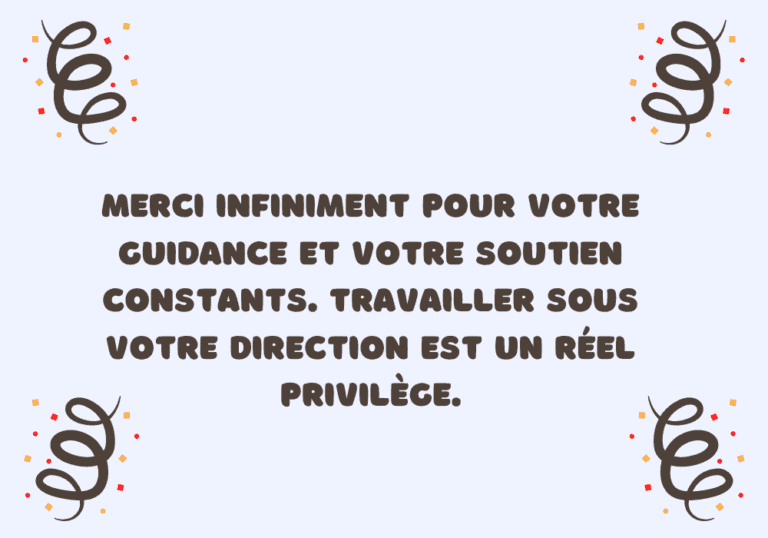
Jean-Pierre, flustered and embarrassed, blurts out, "Je vous remercie pour votre sollicitude!"
The surly gentleman, who clearly does not appreciate being thanked for having hot coffee spilled on his newspaper, glares at Jean-Pierre and retorts, "Sollicitude? Sollicitude?! I should be thanking you for ruining my morning!"
Jean-Pierre, realizing his mistake, shrinks back in horror and mumbles an apology, retreating to a corner table to lick his wounds (and salvage what he can of his ruined croissants).
The moral of the story? Choose your words wisely, and always be aware of the context! "Je vous remercie pour votre sollicitude" is a powerful phrase, but it's not a magic bullet that can solve all your social awkwardness.
Sollicitude Beyond Words: Actions Speak Louder
While "Je vous remercie pour votre sollicitude" is a lovely thing to say, it's important to remember that actions often speak louder than words. You can express your gratitude in many ways, without even uttering a single French phrase.
Here are some ideas:

- Offer to help in return: "Is there anything I can do to help you out?"
- Write a thank-you note: A handwritten note is always a thoughtful gesture.
- Give a small gift: A bottle of wine, a box of chocolates, or even a simple bouquet of flowers can show your appreciation.
- Pay it forward: Do something kind for someone else, in the spirit of the kindness you received.
- Simply be present and engaged: Listen attentively when someone is talking to you, and show genuine interest in their thoughts and feelings.
Ultimately, the best way to express gratitude is to be sincere and authentic. Let your actions reflect your appreciation, and your words will carry even more weight.
Final Thoughts: Sollicitude and the Art of Being Human
"Je vous remercie pour votre sollicitude" is more than just a polite phrase; it's a reminder of the importance of human connection and the power of kindness. It's a way to acknowledge the empathy and compassion that we share with one another, and to express our gratitude for the moments when someone goes out of their way to care for us.
In a world that often feels increasingly disconnected and impersonal, taking the time to express our gratitude can make a real difference. It can brighten someone's day, strengthen our relationships, and remind us of the good in the world. And who knows, maybe it will even inspire someone else to pay it forward and spread a little sollicitude of their own.
So, the next time someone shows you genuine concern or goes out of their way to help you, don't hesitate to unleash the power of "Je vous remercie pour votre sollicitude." Just remember to use it wisely, and with a healthy dose of sincerity (and maybe a sprinkle of humor, just for good measure).
And now, if you'll excuse me, I'm off to thank my cat for his "sollicitude" in waking me up at 3 AM this morning. (By "sollicitude," I mean relentless meowing and strategically placed hairballs.) Wish me luck!
In short, mastering "Je vous remercie pour votre sollicitude" is like learning to ride a unicycle while juggling flaming torches. Impressive, potentially dangerous, and rarely necessary, but undeniably stylish if you pull it off.