Ok, imagine this: I'm chatting with my neighbor, Madame Dubois, over the fence (you know, the kind where you can almost hear the gossip rustling in the leaves?). She's complaining about a new regulation in our town. Apparently, it's making it super difficult for her to organize her annual pétanque tournament. "It's ridiculous!", she exclaims, waving her baguette dramatically. "They're practically taking away my right to associate with my friends!"
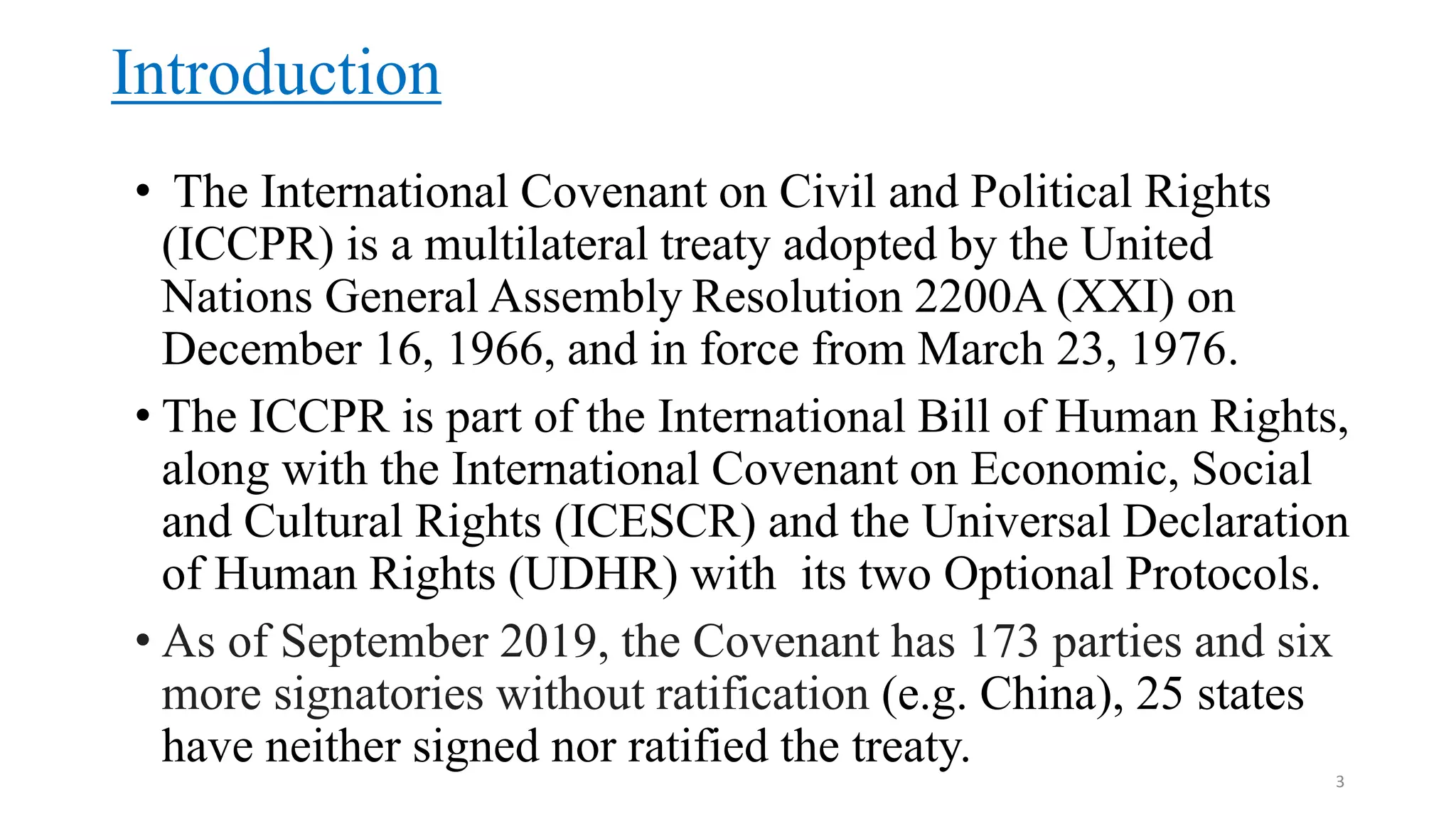
And that got me thinking. Rights. We throw that word around a lot, don't we? But what exactly are our rights? And who decides what they are? Turns out, there's this really important document, a kind of global rulebook for human rights, called the International Covenant on Civil and Political Rights (ICCPR). It's a mouthful, I know. Let's just call it "the Covenant" for short. It's kinda a big deal. Like, world-changing big deal.
What is this "Covenant" thing, anyway?
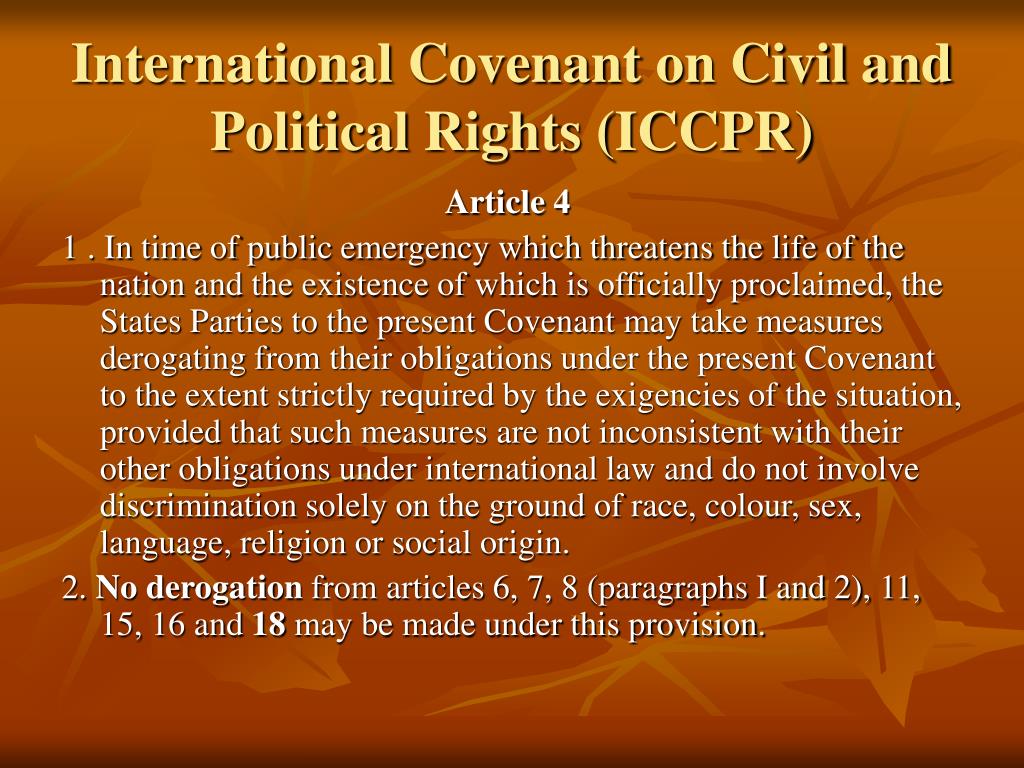
Think of the Covenant as a promise. A promise made by countries to protect the basic civil and political rights of everyone within their borders. It's not just some airy-fairy declaration; it's a legally binding treaty. Meaning countries that sign up are actually obligated to uphold these rights. (Crazy, right? Actually having to do what you promise!).
The Covenant was adopted by the UN General Assembly way back in 1966 (ancient history!), and it came into force in 1976. So, it’s been around for a while. Think of it like a well-seasoned cassoulet – takes time to mature and develop its full flavour! (Okay, maybe that's a bad analogy. But you get the idea.)
But seriously, the fact that so many countries (over 170!) have ratified it shows how crucial these rights are considered to be on a global scale. That’s a lot of baguettes and berets on board, if you catch my drift.
.jpg)
So, what rights are we talking about here?
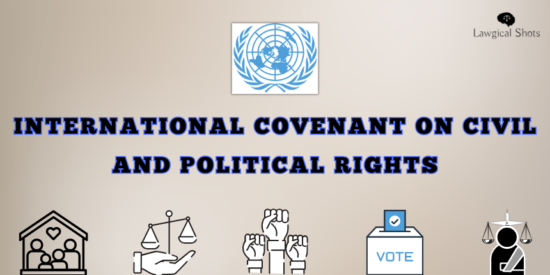
This is where it gets interesting. The Covenant covers a whole range of rights, from the obvious to the less so. Let’s break down some of the highlights:
- The Right to Life: Seems pretty fundamental, right? But the Covenant goes beyond just not killing people. It requires countries to take measures to protect people's lives. (Think safe working conditions, access to healthcare, that kinda stuff).
- Freedom from Torture and Cruel, Inhuman, or Degrading Treatment or Punishment: A big one! No one, and I mean no one, should be subjected to torture. Ever. Period.
- Freedom from Slavery and Forced Labour: Another no-brainer. But unfortunately, slavery and forced labour still exist in the world. The Covenant aims to eradicate these horrific practices.
- The Right to Liberty and Security of Person: This means you can't be arbitrarily arrested or detained. (Important if you ever accidentally end up in a French jail after one too many glasses of wine… hypothetically, of course!).
- The Right to a Fair Trial: Everyone is entitled to a fair and public hearing if they're accused of a crime. Think of it as your day in court – but a fair one.
- Freedom of Thought, Conscience, and Religion: You are free to believe (or not believe) whatever you want. And you can practice your religion freely, too. (Even if your neighbor finds your chanting at 3 AM a little… unsettling.)
- Freedom of Opinion and Expression: You have the right to say what you think, even if it's unpopular. (As long as you're not inciting violence, of course.) Freedom of the press is also included here.
- Freedom of Assembly and Association: This is Madame Dubois' pétanque right! You can gather with others and form groups to pursue your interests. (Whether it's playing pétanque, protesting government policies, or starting a book club.)
- The Right to Vote and to Participate in Public Affairs: You have the right to vote in elections and to have a say in how your country is governed. (Use it or lose it, people!)
- Equality Before the Law and Equal Protection of the Law: Everyone is equal under the law, regardless of their race, gender, religion, or any other characteristic. (Easier said than done, unfortunately, but that's the ideal.)
- Protection of the Family: The family is recognized as the natural and fundamental group unit of society and is entitled to protection by society and the State.
See? Quite a comprehensive list! And this is just a selection. The Covenant goes into even more detail on each of these rights. (Don't worry, I won't bore you with all the legal jargon.)
Digging a little deeper: The Human Rights Committee
Now, who's making sure countries are actually keeping their promises? Enter the Human Rights Committee. This is a body of independent experts that monitors how well countries are implementing the Covenant.
+is+a+multilateral+treaty+adopted+by+the+United+Nations+General+Assembly+on+December+16%2C+1966%2C+and+in+force+from+March+23%2C+1976..jpg)
They do this by:
- Reviewing State Reports: Countries have to submit regular reports to the Committee, detailing their progress (or lack thereof) in upholding the Covenant. (Imagine writing a report card on yourself – would you be honest?)
- Examining Individual Complaints: If you believe your rights under the Covenant have been violated, and you've exhausted all legal remedies in your own country, you can submit a complaint to the Committee. (This is a big deal! It gives individuals a direct voice on the international stage.)
- Issuing General Comments: The Committee also publishes "General Comments," which provide guidance on how to interpret the Covenant's provisions. (Think of them as CliffsNotes for human rights law.)
The Human Rights Committee doesn't have the power to force countries to comply with the Covenant. (Unfortunately, they're not the human rights police.) But their findings and recommendations can put pressure on governments to improve their human rights record. Public shaming can be a powerful motivator, let me tell you!
Why does the Covenant matter?
Okay, so we've talked about what the Covenant is and what it does. But why should you care? Well, here are a few reasons:

- It protects your fundamental rights and freedoms: Plain and simple. The Covenant is there to ensure that you are treated with dignity and respect. (Even if you're having a bad hair day.)
- It promotes a just and equitable society: By upholding human rights, the Covenant helps to create a society where everyone has a fair chance to succeed. (Imagine a world where everyone has the opportunity to reach their full potential!)
- It holds governments accountable: The Covenant provides a framework for holding governments accountable for their human rights obligations. (No more sweeping violations under the rug!)
- It empowers individuals: By knowing your rights, you can stand up for yourself and for others who are being mistreated. (Knowledge is power, people!)
In a world where human rights are constantly under threat, the Covenant serves as a beacon of hope. It's a reminder that we all deserve to live in freedom, dignity, and peace. And it's a call to action to ensure that these rights are protected for everyone, everywhere.
The Covenant and France
So, where does France fit into all of this? Well, France ratified the ICCPR way back in 1981. That means it's legally bound to uphold the rights enshrined in the Covenant. (Oui, oui, c'est vrai!).
Now, France isn't perfect (no country is!). There have been criticisms of France's human rights record, particularly regarding issues such as discrimination, policing practices, and treatment of migrants. (On ne va pas se mentir...). However, the fact that France has ratified the Covenant means that its actions can be scrutinized under international law. And that's a good thing.

Also, individual complaints can be lodged against France at the Human Rights Committee, which is a very important mechanism to ensure the government stays in check.
So, next time you're chatting with Madame Dubois over the fence, you can tell her all about the International Covenant on Civil and Political Rights. (She'll be impressed, trust me!) And who knows, maybe it will inspire her to take her pétanque tournament all the way to the Human Rights Committee!
Just kidding (mostly!). But seriously, the Covenant is something we should all know about. Because in the end, it's about protecting our rights and freedoms – and ensuring that everyone has the opportunity to live a life of dignity and respect.

.jpg)



.jpg)


.jpg)