Okay, imagine this: You're at a barbecue, right? Sunny day, burgers grilling, good times. And then your "genius" friend, let's call him Antoine, decides it's a brilliant idea to juggle flaming torches after his third beer. Flaming torches, people! You're watching, heart in your throat, thinking, "This is going to end badly." Luckily, he just singes his eyebrows and sets a plastic chair on fire (minor setback!). But what if someone had gotten seriously hurt? What if little Sophie, Antoine’s niece, who was running around nearby, had been caught in the… fiery crossfire?
That's where the concept of "mise en danger de la vie d'autrui" – endangering the life of others – comes into play. And, of course, potentially, the question of "indemnisation" (compensation) afterwards. Because, you know, eyebrows grow back, but serious injuries? Not so much.
Mise en Danger de la Vie d'Autrui: C'est Quoi, Exactement?
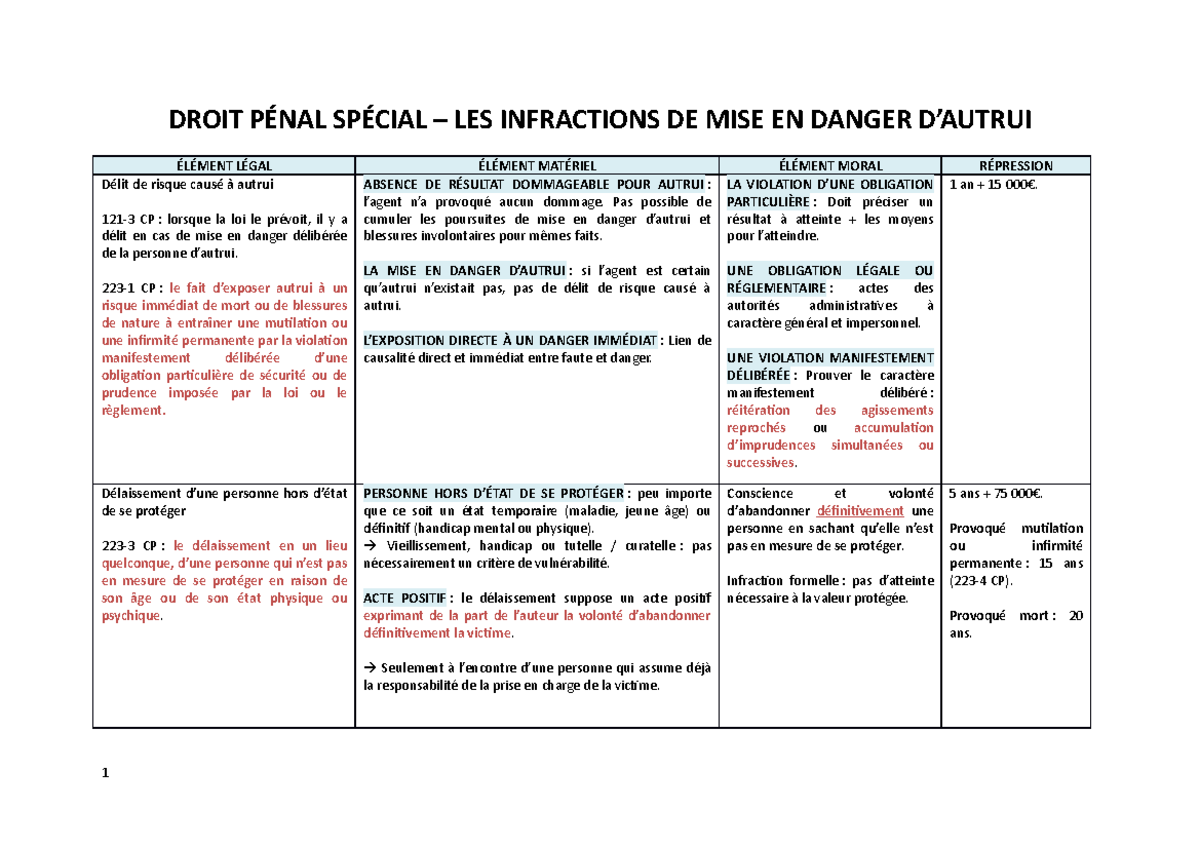
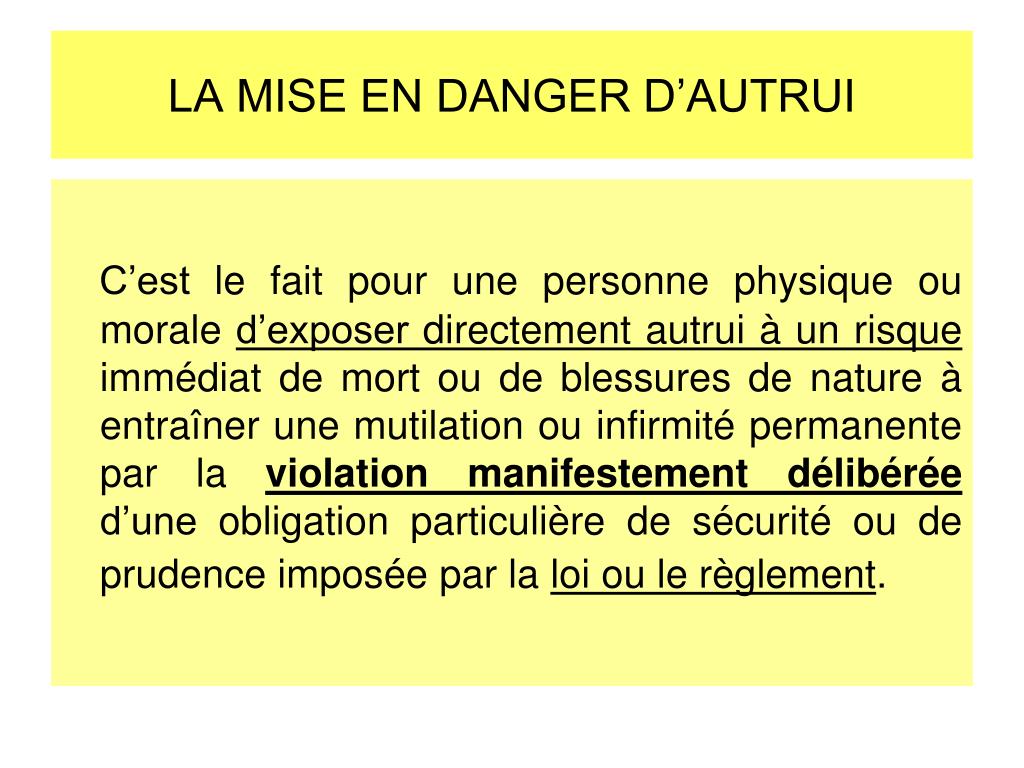
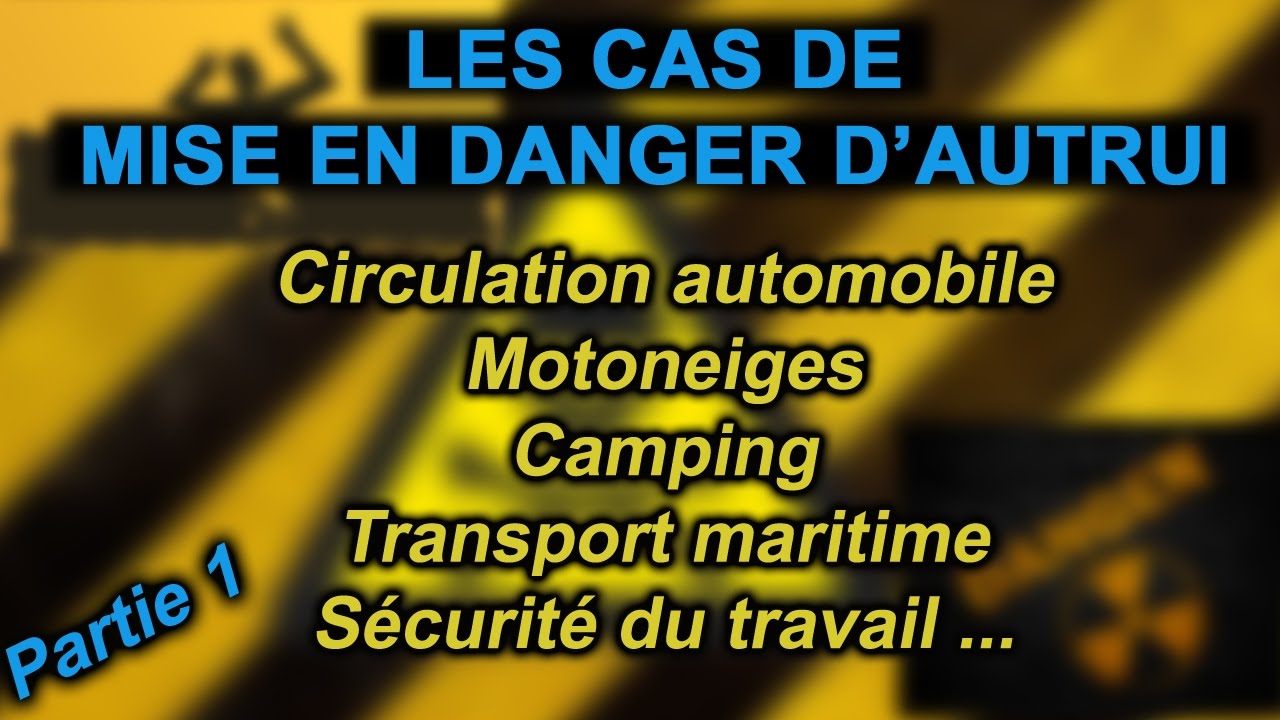
So, what is this "mise en danger" thing, beyond Antoine's questionable entertainment choices? Legally speaking, it's when someone deliberately violates a safety obligation, thereby creating an immediate risk of death or serious injury for someone else. Emphasis on deliberately and immediate. Think of it as a reckless disregard for someone else's well-being.
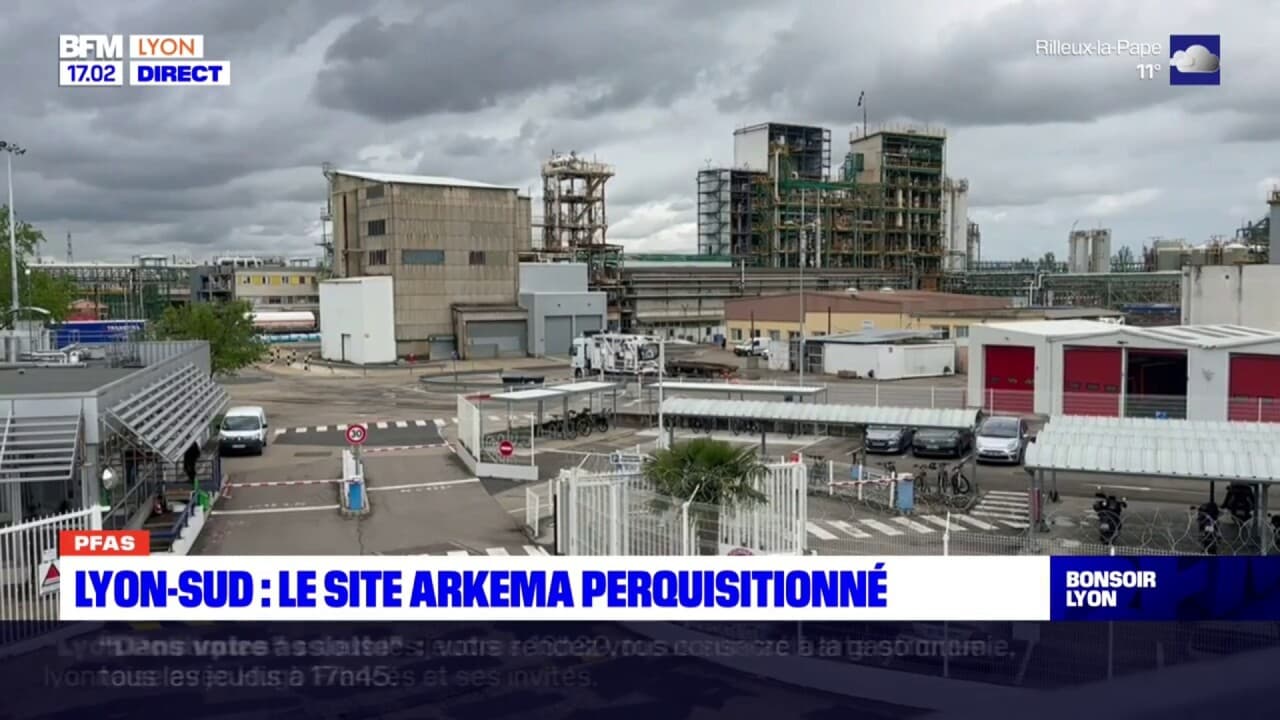
For example, imagine a construction worker removing safety barriers around a deep hole without warning anyone. Or a factory owner knowingly disabling safety mechanisms on a machine to speed up production. (Yep, those exist, sadly.) These are clear-cut cases. But things can get a bit... gray.
(By the way, I'm not a lawyer, just a very curious observer of human (and legal) drama. So, consult a real legal professional for actual advice, okay?)
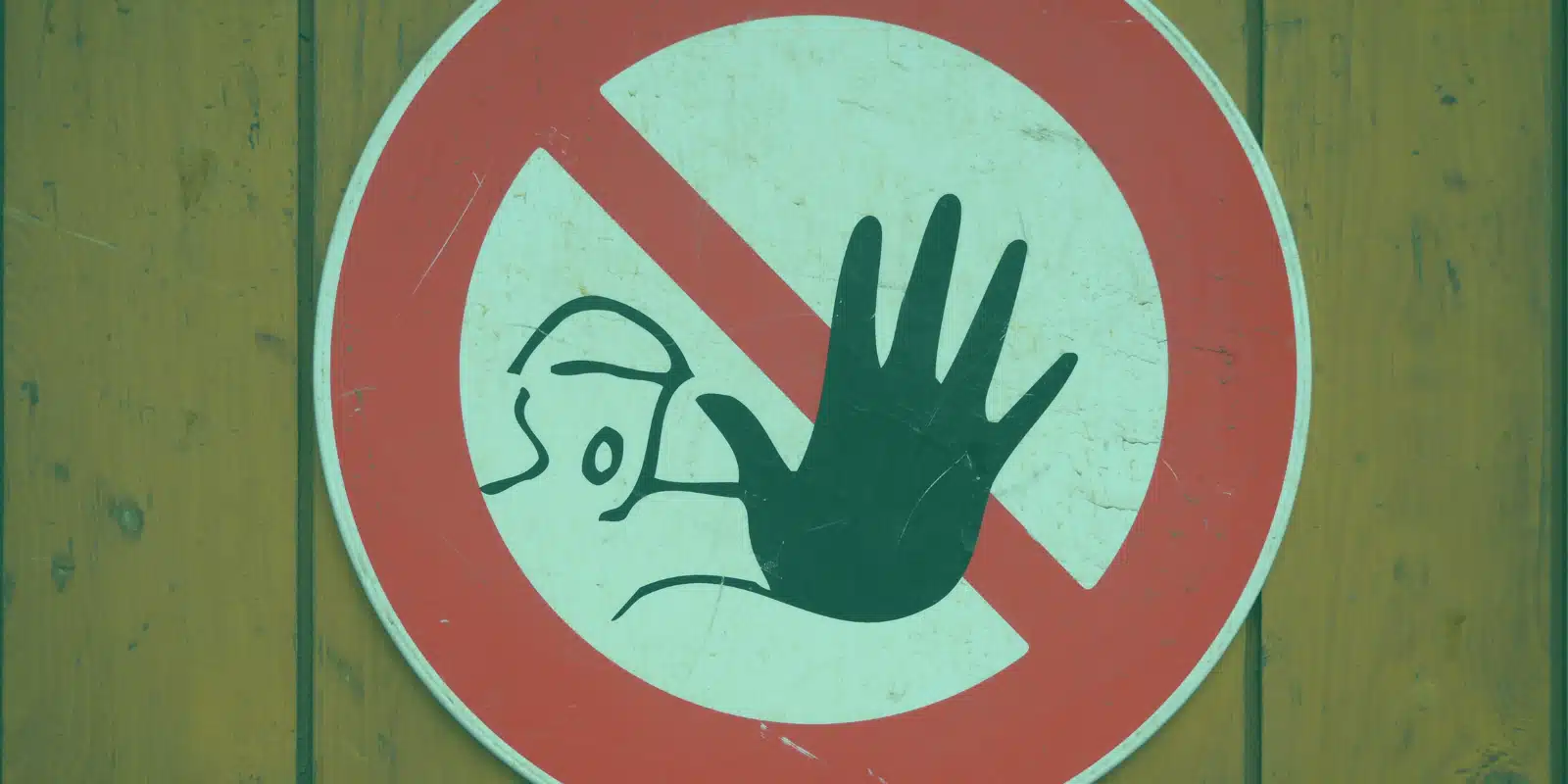
Key Elements: The Recipe for Danger
To qualify as "mise en danger," certain ingredients need to be present. It's not enough to be simply careless; it needs to be more... malevolent in its carelessness. Think of it as a recipe for disaster.
- Violation d'une Obligation de Sécurité: There has to be a specific, clearly defined safety rule or regulation that was broken. Like, “don't juggle flaming torches near children” (okay, maybe that's not a law per se, but you get the idea).
- Caractère Délibéré: The person who violated the safety rule did it on purpose or with a reckless disregard for the consequences. Ignorance of the law is no excuse, but genuine, unintentional mistakes are different. Were Antoine’s actions reckless? We can all agree on that.
- Risque Immédiat de Mort ou de Blessures Graves: The danger had to be real and present. A hypothetical risk isn't enough. There had to be a tangible possibility of someone getting seriously hurt or killed. Sophie being nearby definitely ups the ante here.
- Autrui: The risk must be to someone else, not just yourself. (Unless you're endangering yourself in a way that also endangers others, like driving drunk.)
See how it works? It's more than just a simple accident. It's about someone knowingly creating a dangerous situation for others. Think about it… are you being careful in your life and work? Or are you cutting corners and potentially endangering someone else? Food for thought.
Indemnisation: When Things Go Wrong (and Someone Gets Hurt)
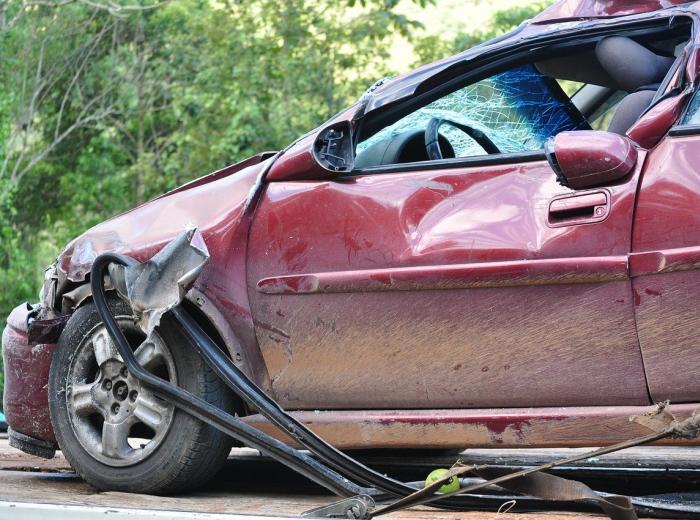
So, Antoine manages to not torch Sophie, narrowly avoiding a disaster. But what happens when the "mise en danger" actually results in someone getting injured or, God forbid, worse? Then, the question of indemnisation becomes very real. This is where things get complicated (and expensive!).

If someone is found guilty of "mise en danger" that caused harm, they can be held liable for damages. This can include:
- Medical Expenses: All costs associated with treating the injury. From ambulance rides to long-term rehabilitation.
- Lost Wages: If the victim can't work because of their injuries, they're entitled to compensation for their lost income. And, you know, not being able to pay your bills is a pretty big deal.
- Pain and Suffering: This is where things get subjective. How much is someone's pain and emotional distress worth? It's a tricky calculation. Courts consider the severity of the injury, the impact on the victim's life, and other factors.
- Moral Damages: These can be awarded to the victim or their family to compensate for the emotional trauma and suffering caused by the incident. Imagine the emotional toll on Sophie and her parents if she had been burned.
Basically, the goal of indemnisation is to try to put the victim back in the position they would have been in had the "mise en danger" not occurred. Which, let's be honest, is impossible. But at least it provides some financial relief and a sense of justice.
(And yes, insurance companies get involved. A lot. Which is why having good insurance is important. But that's a topic for another day.)

Who Pays Up?
The person directly responsible for the "mise en danger" is usually the one who has to pay. But it can be more complicated than that. For example:
- Employers: If an employee endangers someone while acting within the scope of their employment, the employer can also be held liable. Because, you know, employers have a responsibility to ensure a safe working environment.
- Companies: If a product is defective or lacks adequate safety warnings, the manufacturer or distributor can be held liable for damages caused by its use. Think faulty airbags or poorly designed toys.
So, it's not always just the "Antoine" of the situation who ends up paying. Sometimes, the responsibility extends to the organization or company that allowed the dangerous situation to exist in the first place.
Prevention is Better Than Indemnisation (and Fewer Flaming Torches)
Ultimately, the best way to avoid "mise en danger de la vie d'autrui" (and the subsequent financial and emotional fallout) is to prioritize safety in the first place. Simple, right? But it's amazing how often we overlook basic safety precautions in our daily lives.

Simple Steps to a Safer World (Less Pyrotechnics, More Common Sense)
- Follow Safety Regulations: Don't cut corners. Safety rules are there for a reason.
- Identify and Mitigate Risks: Before starting any task, take a moment to identify potential hazards and take steps to minimize them. Basic risk assessment, people!
- Provide Adequate Training: Make sure employees are properly trained on how to perform their jobs safely. (And maybe a mandatory "flaming torch juggling is a bad idea" seminar?)
- Speak Up: If you see something that looks unsafe, don't be afraid to say something. Your voice could save a life.
- Be Mindful of Others: Think about how your actions might affect the safety of those around you. Empathy goes a long way.
So, next time you're tempted to take a shortcut or ignore a safety rule, remember Antoine and his flaming torches. (Or, you know, the real-life consequences of "mise en danger.") It's not worth the risk.
Ultimately, it's about creating a culture of safety where everyone looks out for each other. And maybe banning flaming torches from barbecues altogether.
Disclaimer: This article is for informational purposes only and does not constitute legal advice. Please consult with a qualified legal professional for advice on your specific situation.