Ok, imagine this. You're stuck in traffic. Again. Mais cette fois, c'est différent. This time, you're staring at a brand-new apartment complex being built practically on top of the highway. Like, seriously, are they going to share a driveway? It makes you wonder, right? How do they decide to put buildings there, of all places?
Well, mes amis, that's what we're diving into today. The fascinating, sometimes infuriating, world of how construction sites are planned in relation to… les voies. Roads. Streets. Highways. You get the picture. (And trust me, you’ll never look at a new building the same way again after this.)
Pourquoi c'est important, anyway?
Good question! Why should you, sitting comfortably (hopefully not in traffic!), care about building placement? Several reasons:
- Traffic: Obviously. That new building will add cars to the road. More cars = more traffic. C'est logique, non?
- Accessibility: How easy is it to get to the building? Is there adequate public transport? Can emergency vehicles get there quickly? These are crucial considerations.
- Environment: Building too close to roads can impact air quality, noise pollution, and even the local ecosystem. Think about the trees they probably had to chop down... sigh
- Security: Believe it or not, placement affects security. Close proximity to a busy road can increase the risk of accidents and even targeted attacks (though, hopefully, that's a rare concern).
- Real Estate Value: Let's be real – would you want to live in a building with trucks rumbling past your window 24/7? Probably not. Property values are directly impacted.
So, yeah, it's a pretty big deal. It’s not just about plopping a building down wherever there's a spare patch of land. (Though, sometimes, it feels like that’s what happens, doesn't it?)
Les facteurs clés: A Closer Look
Alright, let's break down the major factors influencing where buildings pop up relative to roads:
1. Le Plan d'Urbanisme Local (PLU)
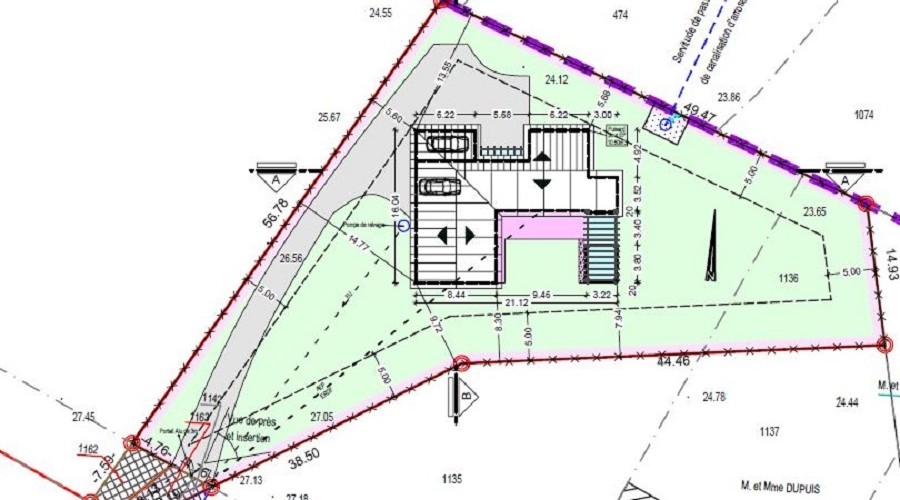
This is the bible of urban planning for a specific area. It dictates what can be built where, taking into account zoning regulations, environmental restrictions, and overall development goals. It's a massive document, probably written in language that only urban planners truly understand (no offense to any urban planners reading this!). But the PLU is the starting point. Want to build a skyscraper next to a historical monument? The PLU will tell you non (probably).
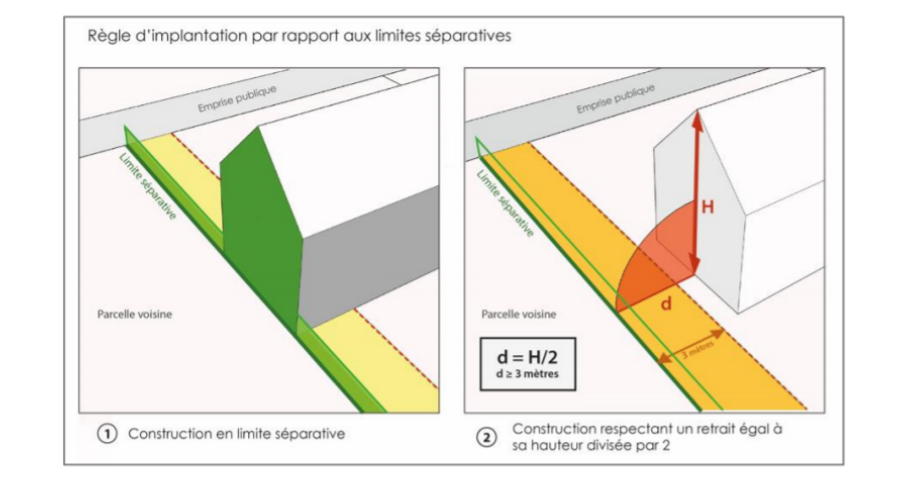
Side comment: If you're really curious (or have a lot of free time), you can usually find the PLU for your area online. Prepare for some serious bureaucratic jargon!
2. Les Servitudes de Passage
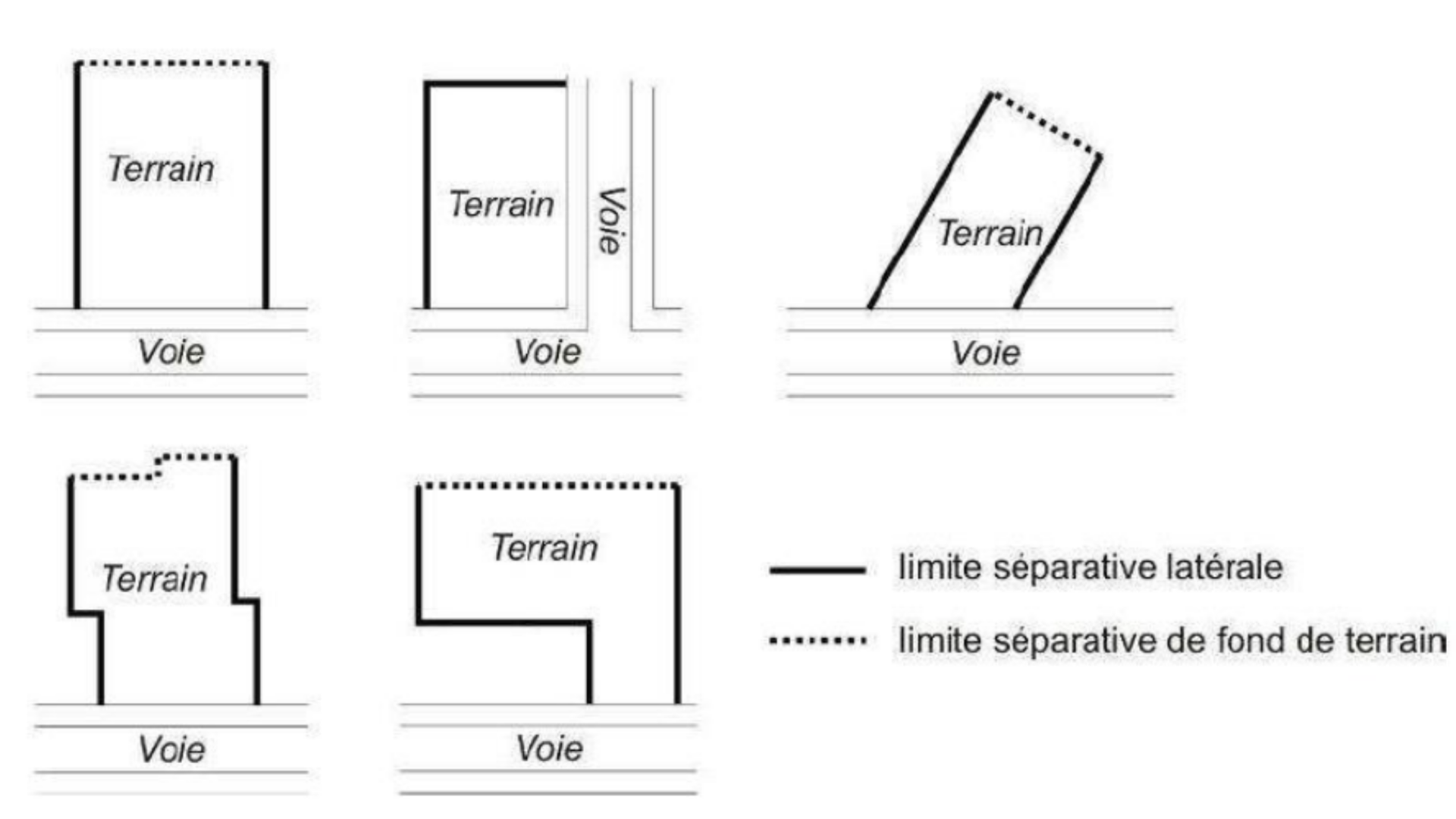
These are legal rights that allow someone to use another person's property for a specific purpose. For example, a utility company might have a servitude to run power lines across your land. Or, in our case, a road might have a servitude that prevents you from building too close to it. These servitudes are designed to ensure access and prevent obstruction. (Imagine building a house in the road. That wouldn’t go down well.)
Irony Alert: Sometimes, these servitudes seem incredibly arbitrary. You might have a perfectly good piece of land, but a tiny sliver of it is covered by a servitude, preventing you from building anything significant. C’est la vie, right?
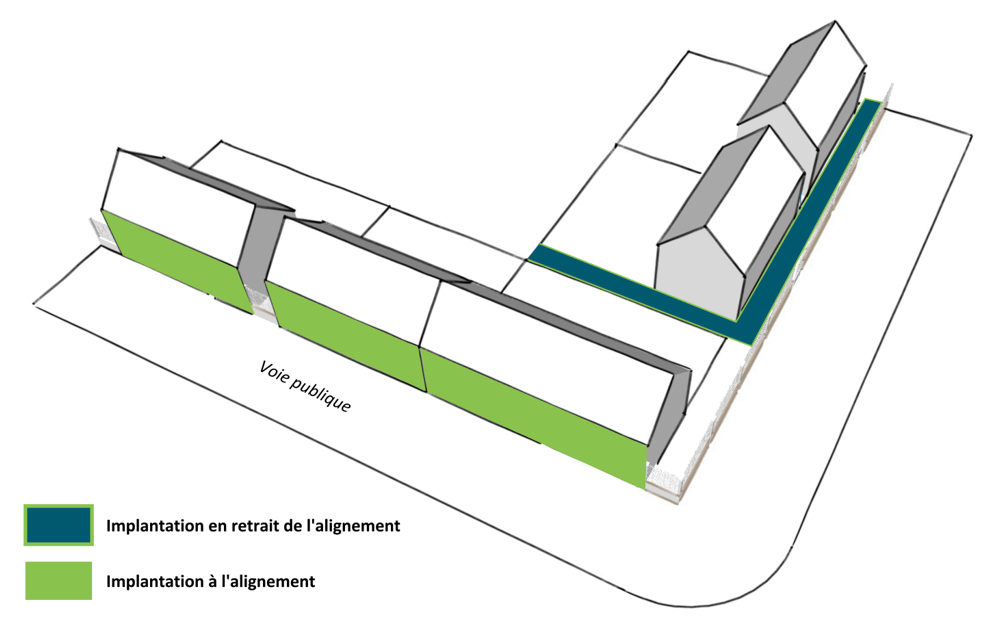
3. Les Normes de Sécurité
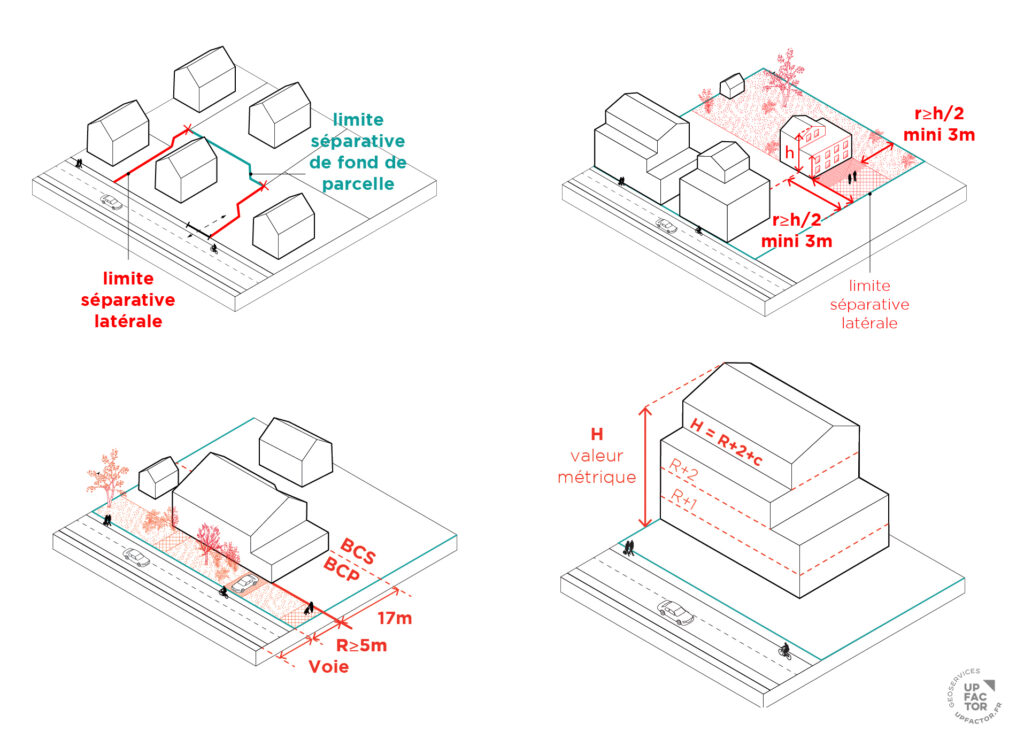
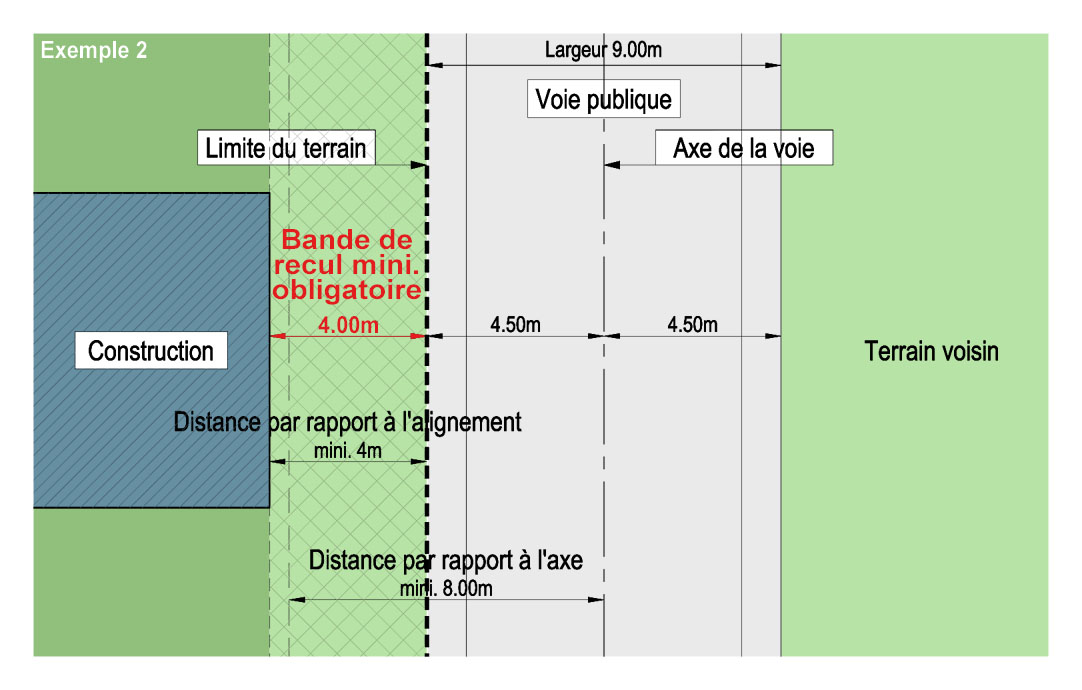
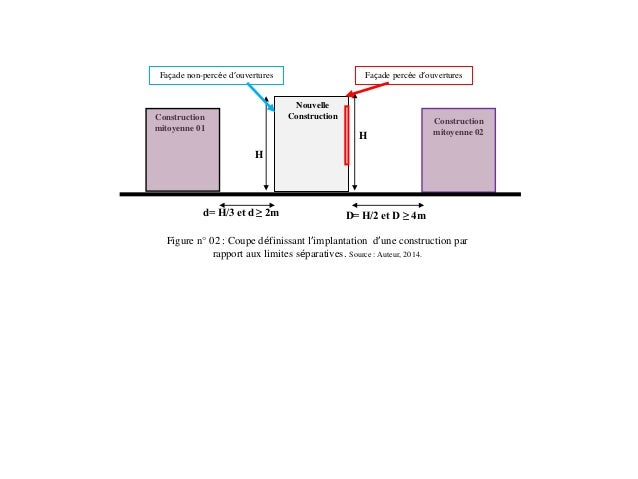
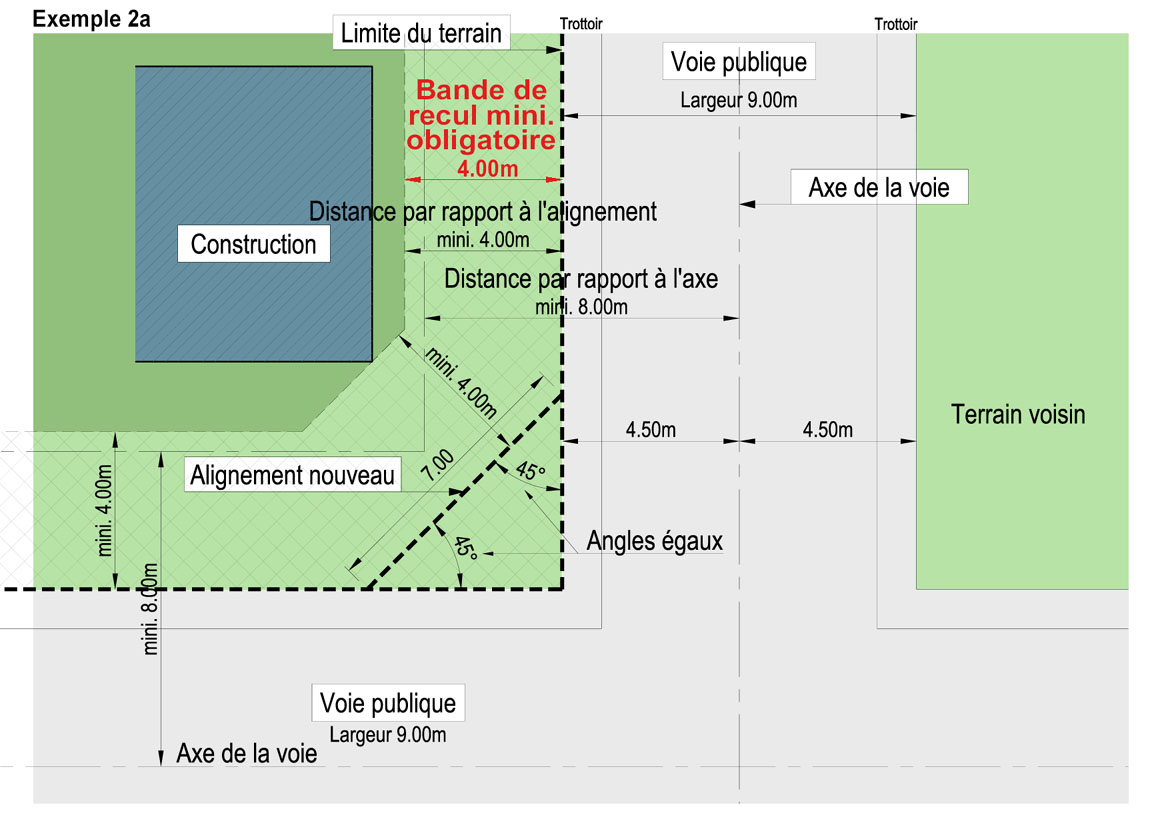
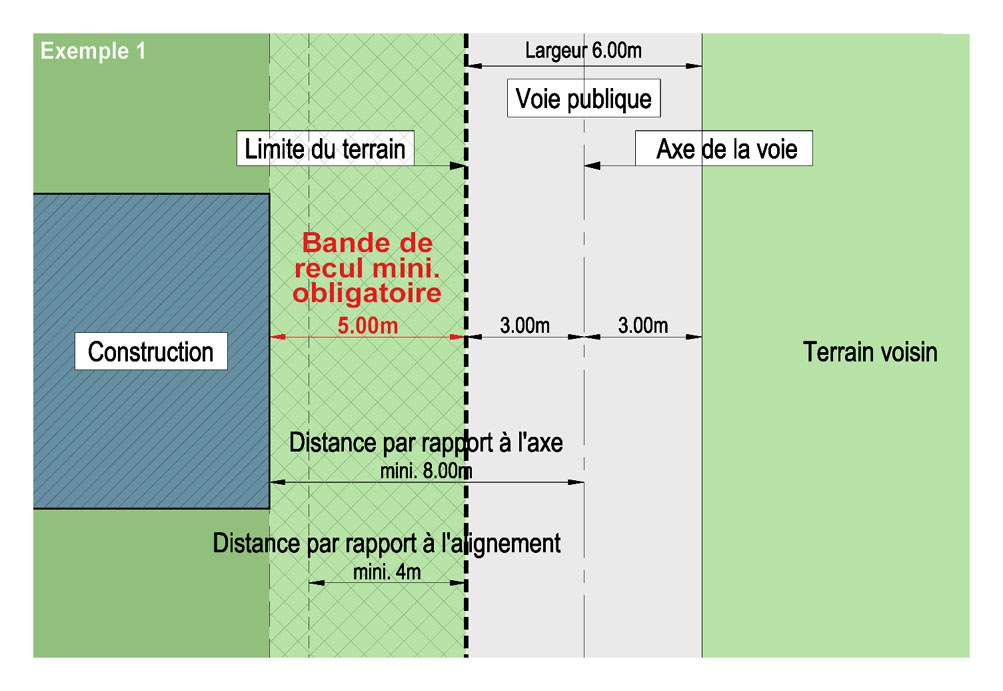
Safety first! Building codes and regulations dictate minimum setbacks (distances) from roads for safety reasons. These setbacks are designed to protect buildings from traffic accidents, noise, and vibrations. They also ensure that emergency vehicles have adequate access. Think about it – a fire truck needs space to maneuver! Plus, building too close to a busy road isn't exactly conducive to a good night's sleep.
4. L'Impact Environnemental
Developers are (supposed to be) required to assess the environmental impact of their projects. This includes considering things like air and noise pollution, water runoff, and the impact on local wildlife. Building close to roads can exacerbate these problems, so developers often have to implement mitigation measures, such as sound barriers or green spaces. (Whether these measures are effective is another question entirely…)
5. Les Etudes de Circulation
Before a major development can be approved, traffic studies are usually required. These studies analyze the existing traffic patterns and predict how the new development will impact traffic flow. If the study shows that the development will cause unacceptable traffic congestion, the developer might be required to make improvements to the road network, such as adding lanes or installing traffic lights. Or, you know, the project might just be rejected altogether. Wishful thinking, maybe.
Le Processus d'Approbation: A Labyrinth of Bureaucracy
Getting a construction project approved is a long and complex process. It typically involves:
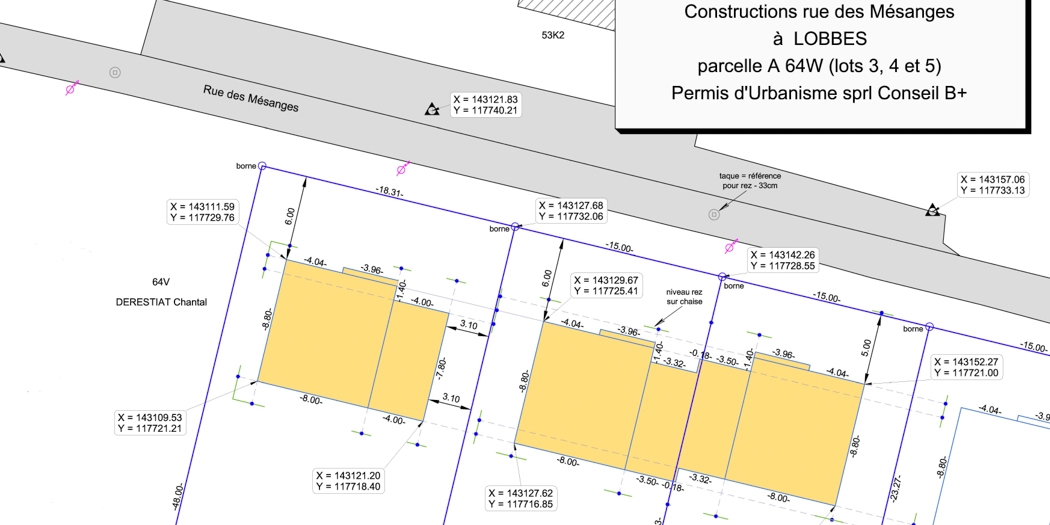
- Submitting plans to the local authorities. Expect lots of paperwork.
- Consultations with various government agencies. Prepare to explain your project repeatedly.
- Public hearings. This is your chance to voice your concerns (or celebrate the new building!).
- Reviews by urban planners, engineers, and environmental specialists. Get ready for some serious scrutiny.
- Potential revisions and modifications to the plans. This is where the real fun begins.
- Finally, approval (or rejection). Cross your fingers!
It can take months, even years, to get a project approved. And there's no guarantee of success. This is why developers often invest heavily in lobbying efforts to influence the decision-making process. (Just saying…)
Exemples concrets: Dans la vraie vie
Let's look at some real-world examples:
- Parking Garages Near Highways: These are often strategically placed to maximize accessibility and minimize the impact on local streets. Think about those park-and-ride facilities designed to encourage people to use public transport.
- Shopping Centers Along Arterial Roads: These are designed to be easily accessible to a large number of people, but they can also contribute to traffic congestion. Ever tried to exit a mall parking lot during the holiday season? C'est l'enfer!
- Residential Buildings on Quiet Side Streets: Developers often prefer to build residential buildings on quieter streets to minimize noise and traffic. But this can sometimes lead to higher housing costs and limited accessibility.
Another side comment: Pay attention next time you're driving around. See if you can spot examples of good (or bad) building placement. It's actually kind of fascinating once you start looking!
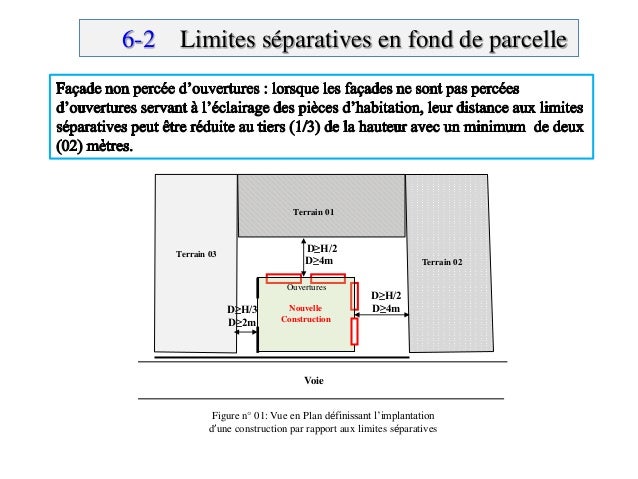
Le Futur: What's Next?
As cities become more crowded and land becomes more scarce, the pressure to build closer to roads will only increase. This means that urban planners and developers will need to get even more creative in finding ways to mitigate the negative impacts of building near roadways. We might see more:
- Mixed-use developments: Combining residential, commercial, and office spaces in a single building can reduce the need for people to travel long distances.
- Green infrastructure: Incorporating green roofs, green walls, and other green infrastructure can help to absorb noise and air pollution.
- Smart transportation systems: Implementing intelligent traffic management systems can help to optimize traffic flow and reduce congestion.
- More stringent regulations: Governments may need to impose stricter regulations on building placement to protect public health and safety.
The key is to find a balance between development and quality of life. We need to build housing and commercial spaces to meet the needs of a growing population, but we also need to protect our environment and ensure that our cities are livable. It's a challenging task, but it's one that we must address.
Conclusion: Plus Jamais Pareil
So, there you have it. A (hopefully) not-too-boring overview of how construction sites are planned in relation to roads. Next time you're stuck in traffic, staring at that new building being built way-too-close to the highway, you'll know a little bit more about the complex factors that went into that decision. And maybe, just maybe, you'll feel a tiny bit less frustrated. (Or maybe not. Traffic is still traffic, after all!)
Keep asking questions, keep being curious, and keep a watchful eye on the ever-changing landscape of our cities. À bientôt!




+Donnez+le+nom+du+plan+2+:.jpg)