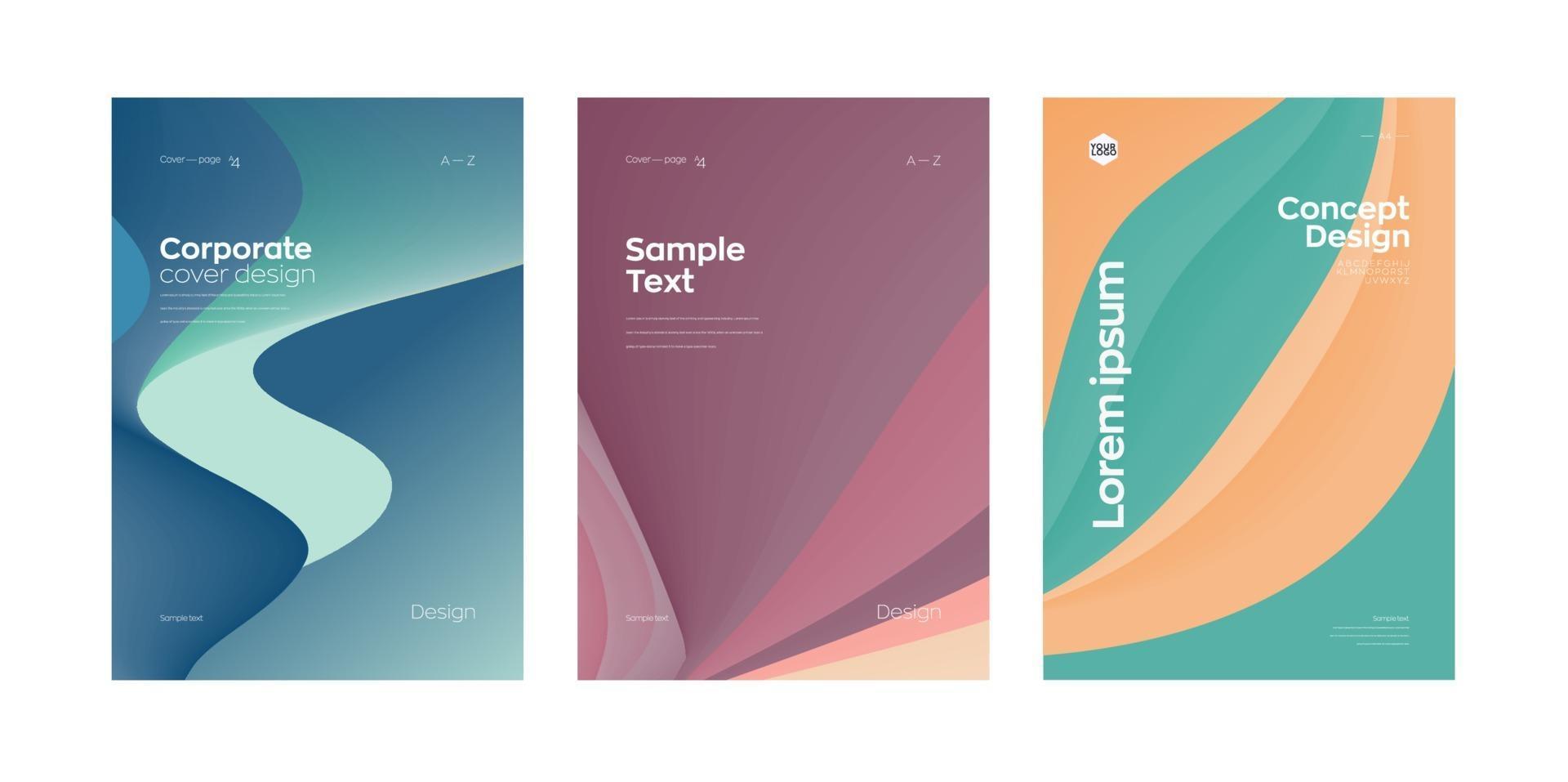
Okay, picture this: me, last minute, hunched over my laptop at 2 AM, deadline looming, trying to whip up a perfect page de garde for my Mémoire on… wait for it… the semiotics of cat videos on YouTube. (Yes, really. Don't judge!). I needed something that wasn't just Times New Roman and a vague sense of desperation. That's when it hit me: the page de garde isn't just a formality, it's the first impression. It's your chance to, you know, seduce the reader into your academic wonderland. Or, in my case, convince them that obsessing over cat videos for six months wasn’t a complete waste of time.
So, what is it about this often-overlooked element that makes it so important? Let's dive in!
The Page de Garde: More Than Just a Title
Let's be honest, we've all seen those page de garde disasters. The Arial font stretched to ungodly proportions, the random clip art of a lightbulb (because… ideas?), the overall feeling of "I threw this together in five seconds before realizing it was due." (Guilty!). But the page de garde can be so much more! It's the face of your work, the handshake before the conversation.
Think of it like this: if your dissertation was a movie, the page de garde is the movie poster. Does it entice you? Does it give you a hint of what's to come?
Key Elements of a Killer Page de Garde
So, what makes a page de garde pop? Here are a few elements to consider:

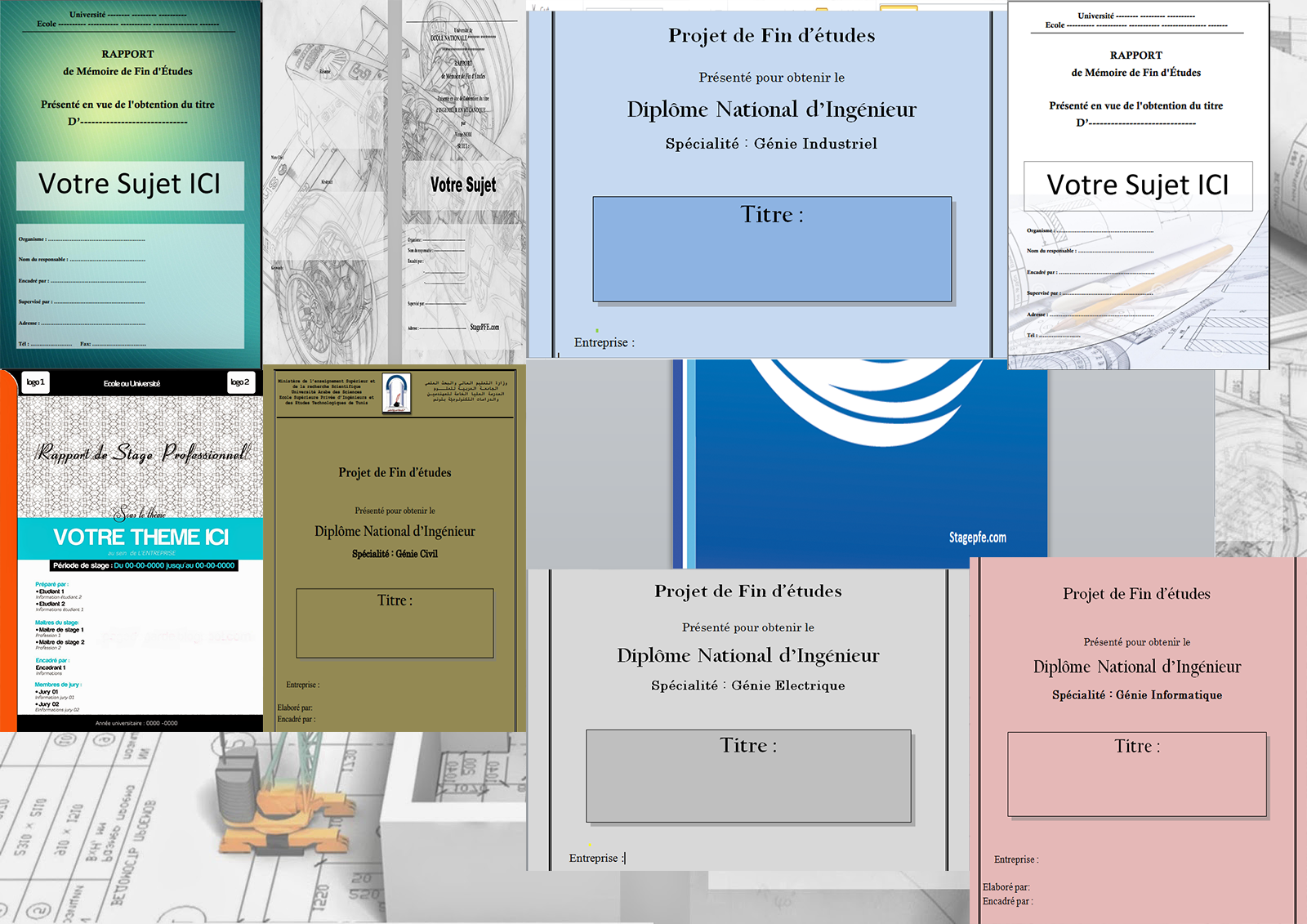
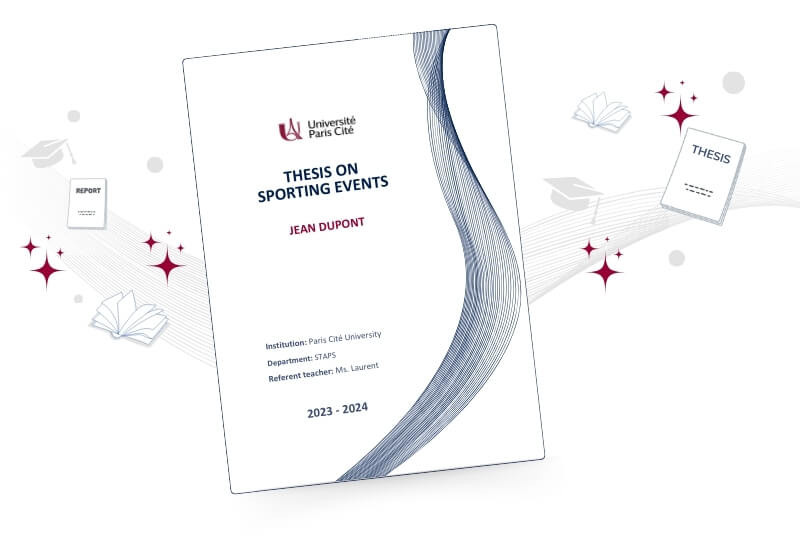
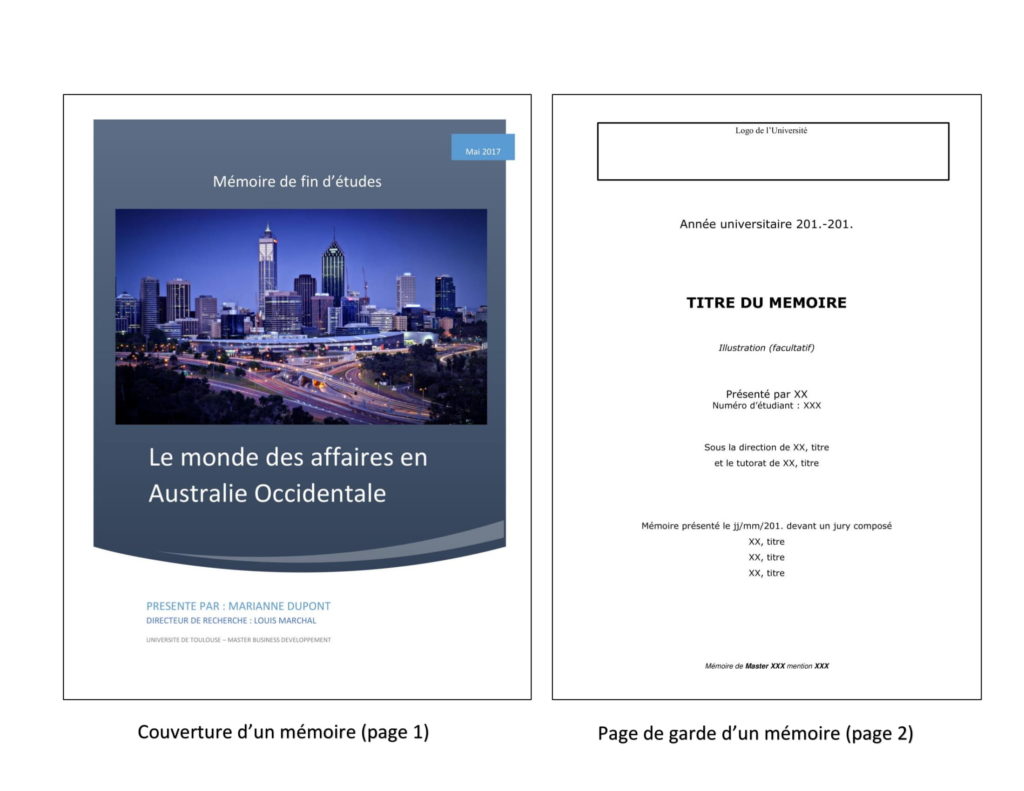
- Clarity is Key: Obvious, right? But make sure your title, your name, the type of document (mémoire, thèse, rapport de stage, etc.), and the university/institution are crystal clear. No riddles here, folks.
- Visual Hierarchy: Don't just throw everything on the page and hope for the best. Think about the order in which you want the reader to process the information. The title should be the most prominent element, followed by your name, etc.
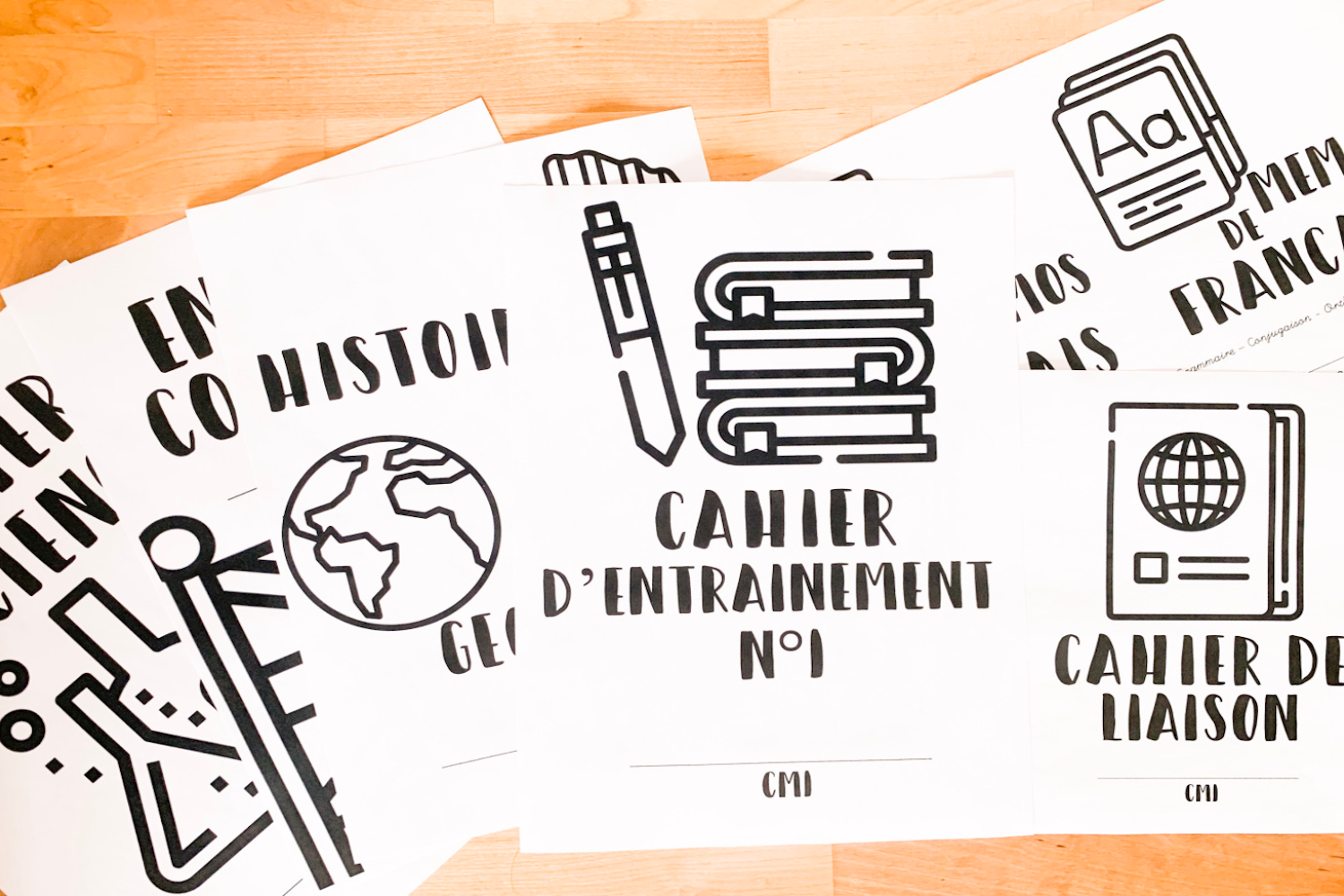
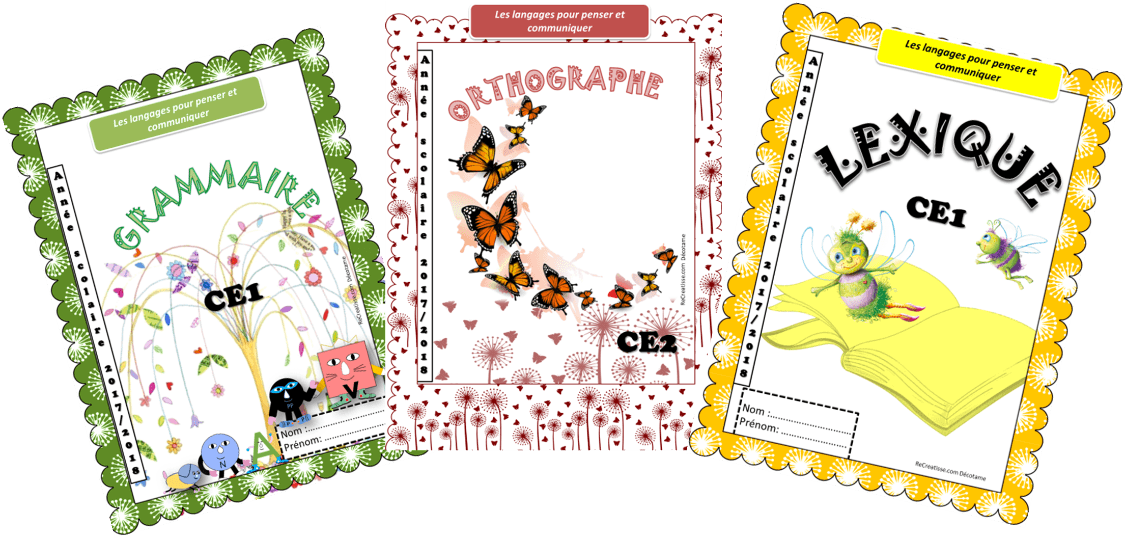
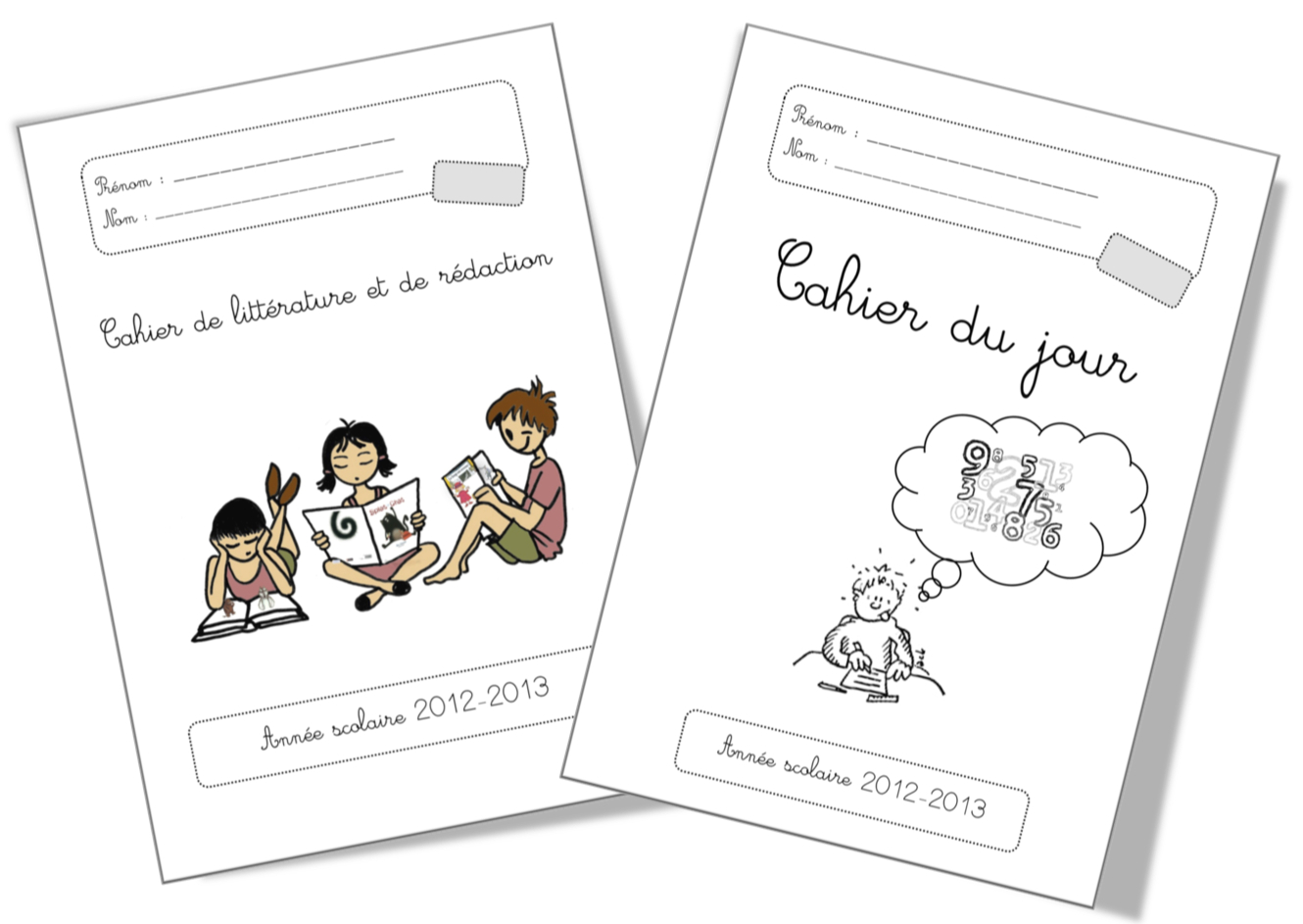
- Imagery (Use Sparingly!): This is where things get interesting. A well-chosen image can add a lot of personality and context to your work. But be careful! A cheesy stock photo can kill your credibility faster than you can say "plagiarism." If you're going to use an image, make sure it's relevant, high-quality, and complements your subject matter. (My cat video mémoire probably should have included a cat, in retrospect.)
- Font Choices: Please, for the love of all that is holy, ditch the Comic Sans. Choose fonts that are professional, readable, and consistent with the tone of your work. A good rule of thumb: stick to two fonts max. One for the title, one for the body text.
- Whitespace is Your Friend: Don't cram everything onto the page. Give your elements room to breathe. Whitespace (or negative space) can actually make your page look more sophisticated and professional.
Beyond the Basics: Making it Yours
While the elements above are important, don't be afraid to get creative! This is your chance to show a little personality and hint at the content within. Think about:
- Color Palettes: Use colors that are relevant to your subject matter or that simply appeal to you (but keep it professional!).
- Subtle Design Elements: A simple border, a unique background texture, or a well-placed graphic can add visual interest without being overwhelming.
- Consider Your Audience: Are you presenting to a panel of stuffy professors? Or a hip startup looking for fresh ideas? Tailor your page de garde to your audience.
Ultimately, the goal is to create a page de garde that is both informative and visually appealing. It should reflect the quality and professionalism of the work that lies within. So, next time you're faced with creating a page de garde, don't just see it as a formality. See it as an opportunity to make a lasting impression. Now, if you'll excuse me, I'm going to go back and redesign my cat video mémoire page de garde… maybe with a higher resolution cat this time.
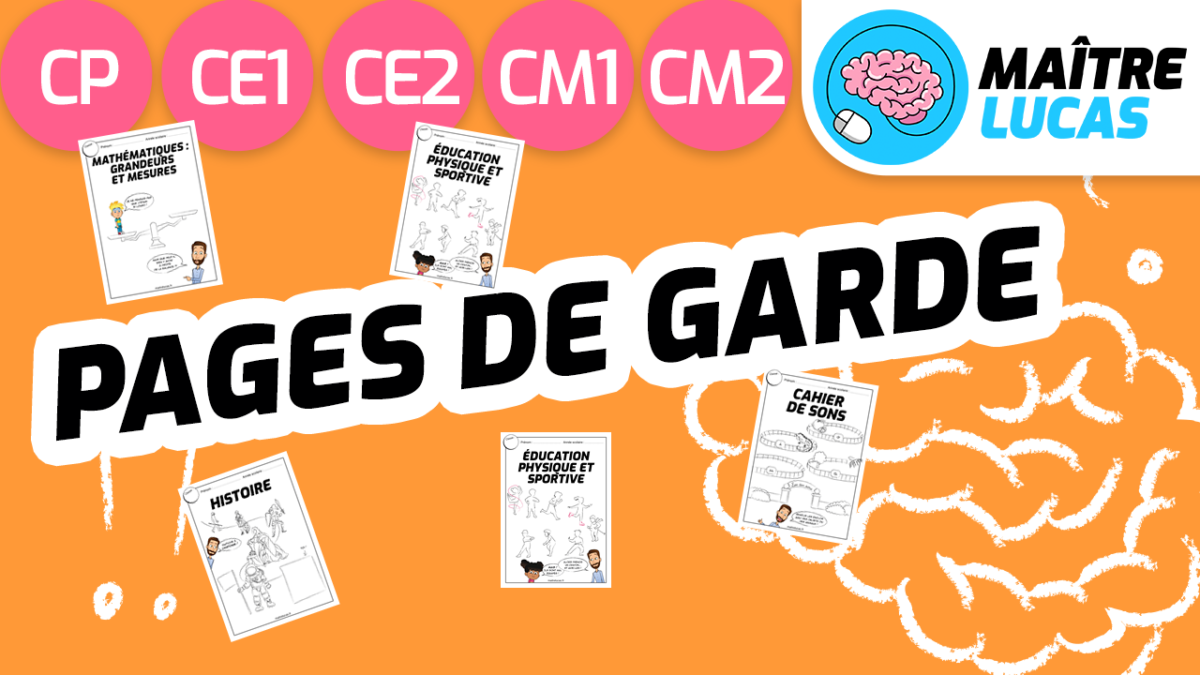
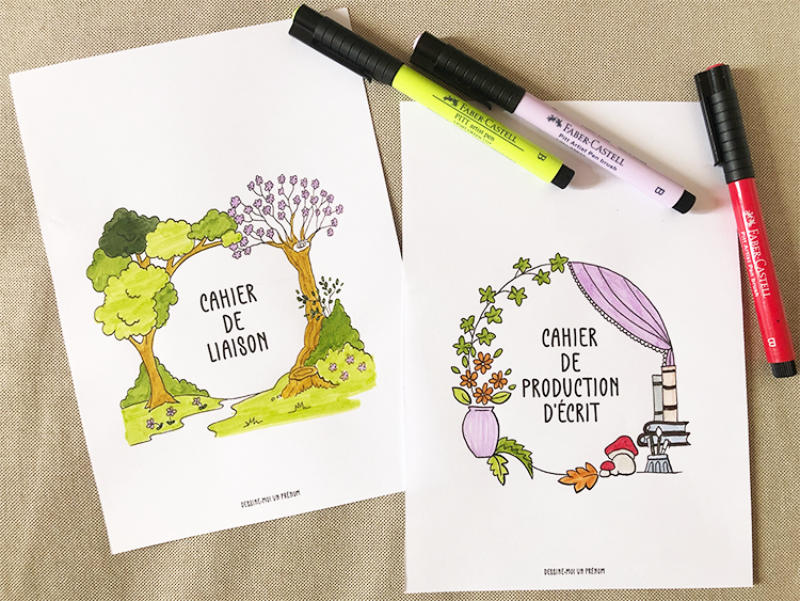

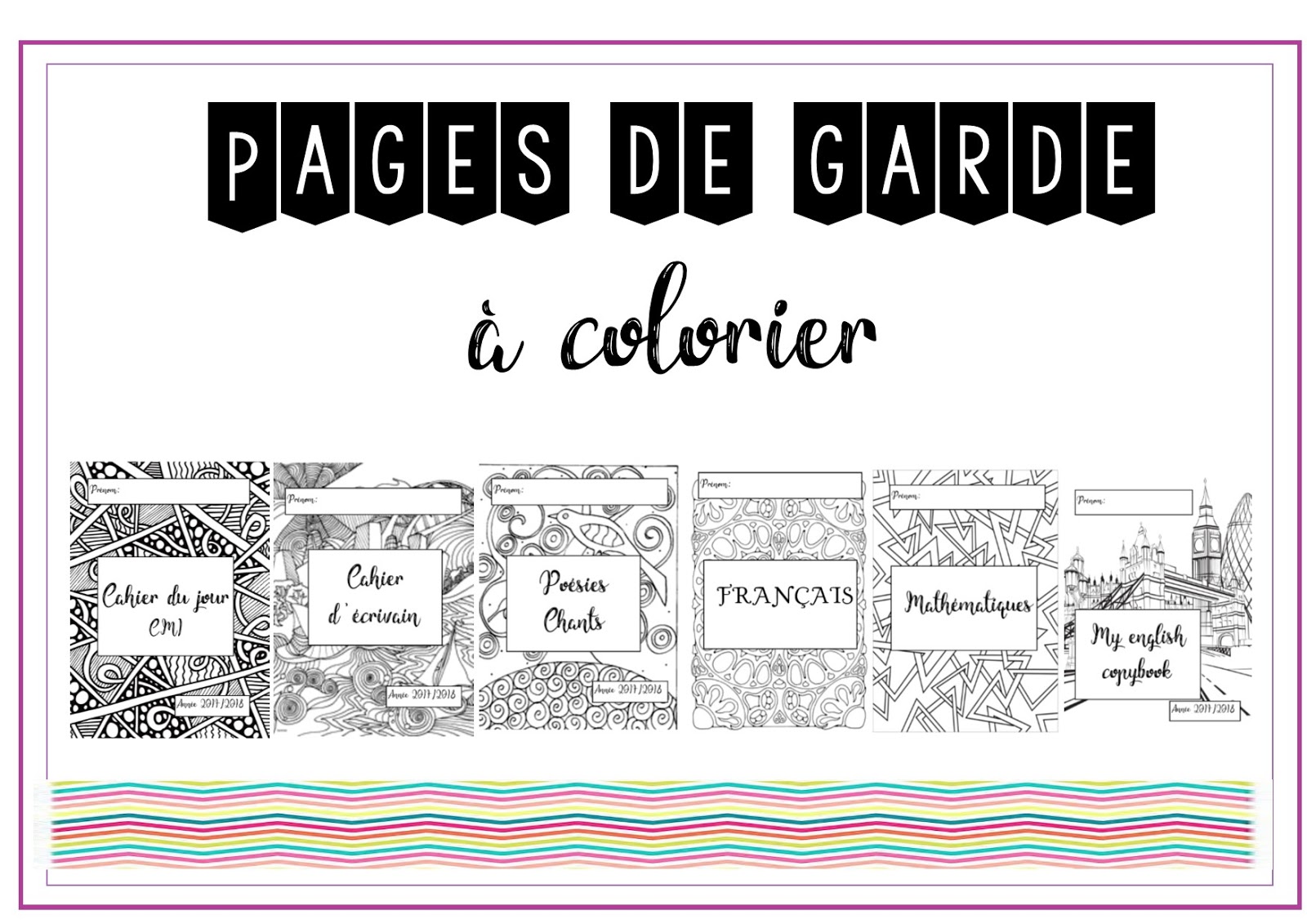


![[Docx] Modele page de garde rapport de stage word ~ StagePFE](https://4.bp.blogspot.com/-qsFTsOmjK3g/VF_cZtdd15I/AAAAAAAACJ4/czP2AEXuh18/w1200-h630-p-k-no-nu/modele+page+de+garde+gratuit+word.PNG)