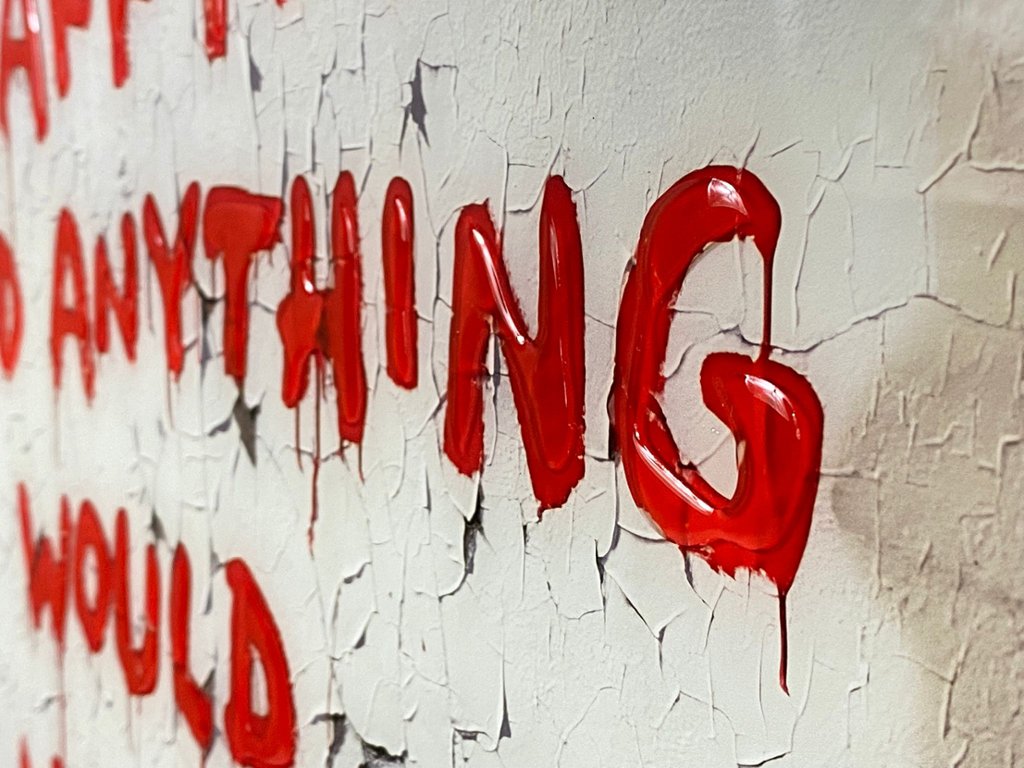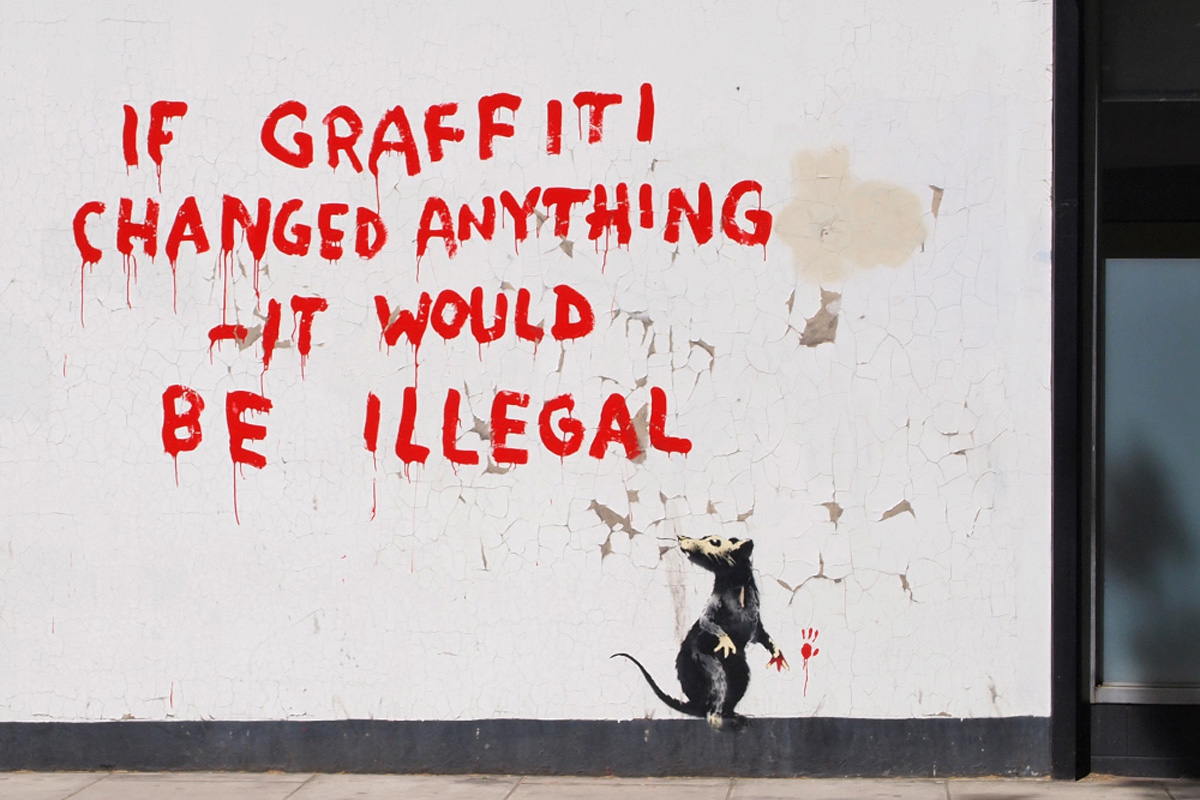
Okay, so picture this: I'm walking down this alleyway in Montmartre last summer, right? All cobbled streets and that smell of fresh bread mixed with… something a little less savory, let's just say. And bam! This massive, vibrant mural explodes across the wall. Not just some tag, but a real, thought-provoking piece. It was…powerful. I stopped dead in my tracks. Spent a good ten minutes just staring at it, wondering what the artist was trying to say. It made me think about social inequality, about art's role in society... you know, all the deep stuff.
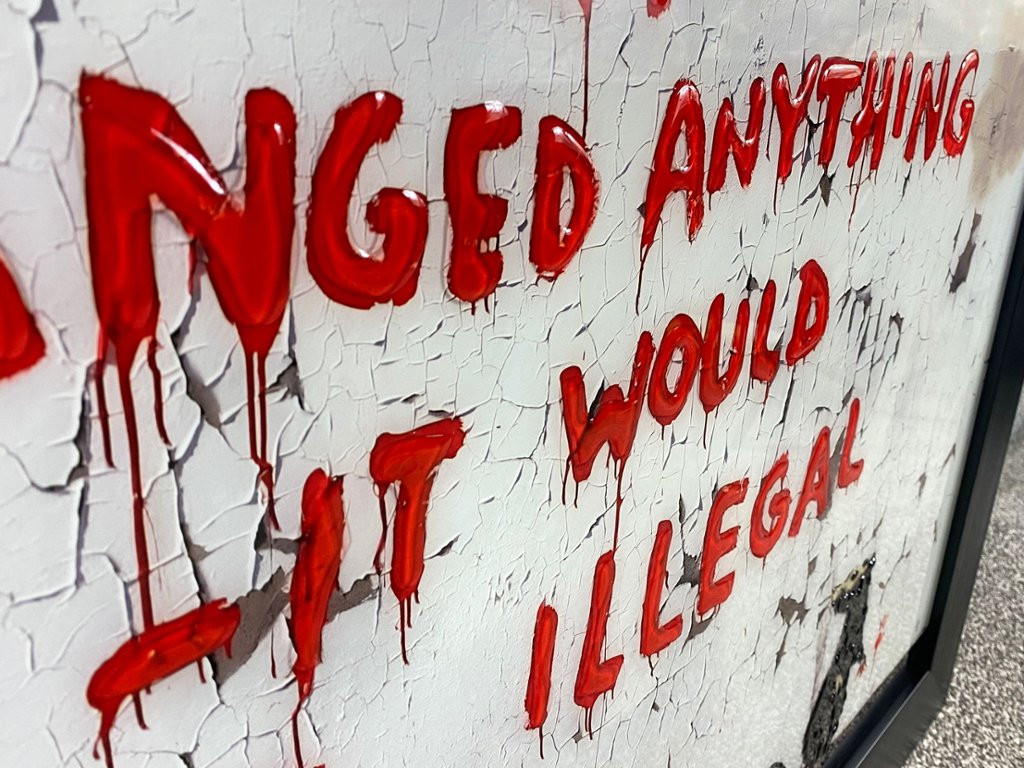
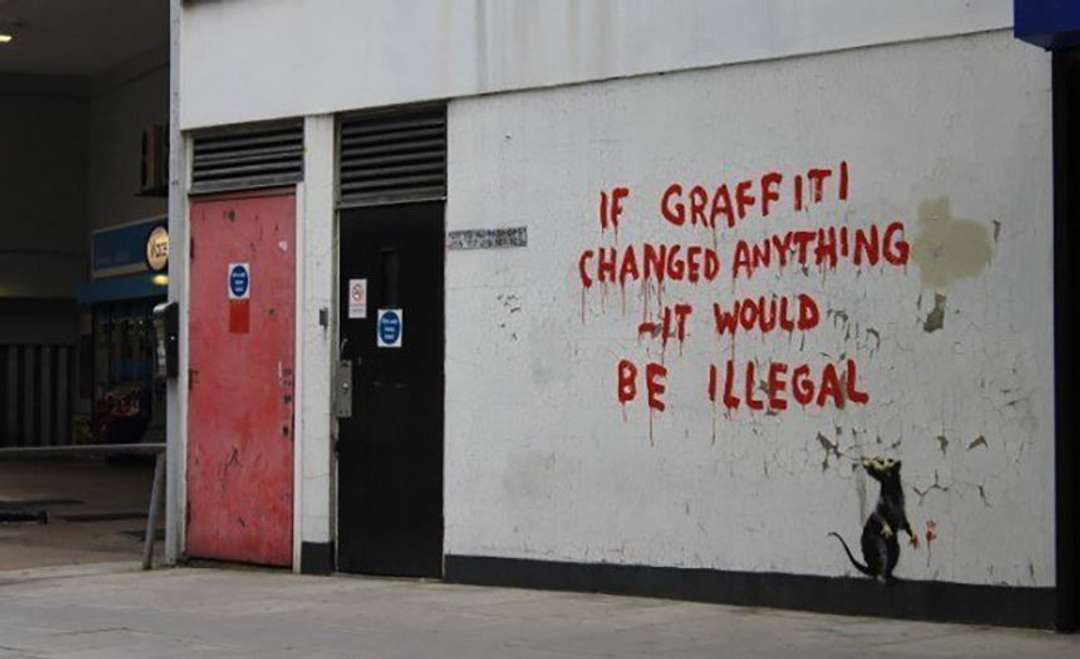
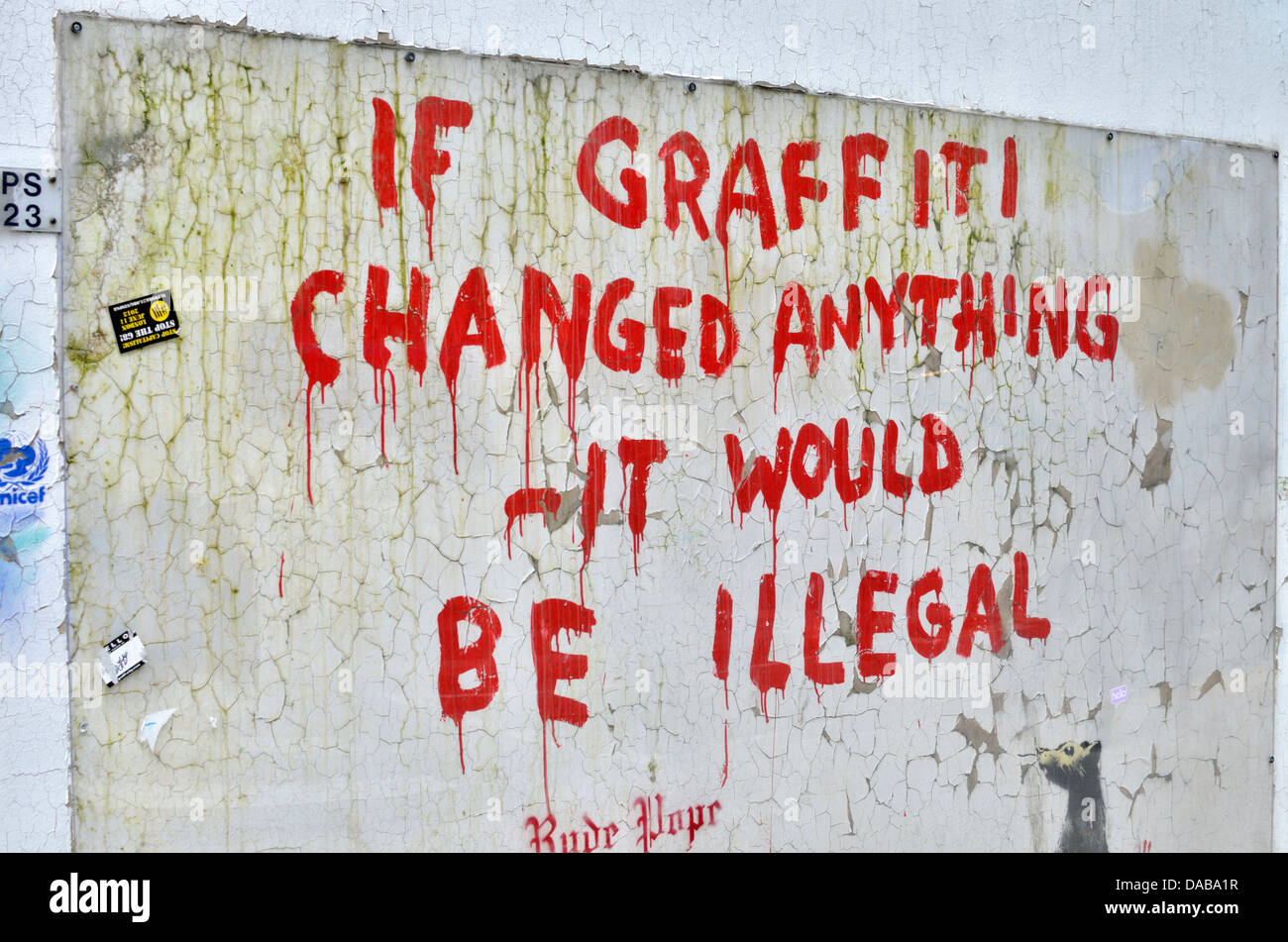
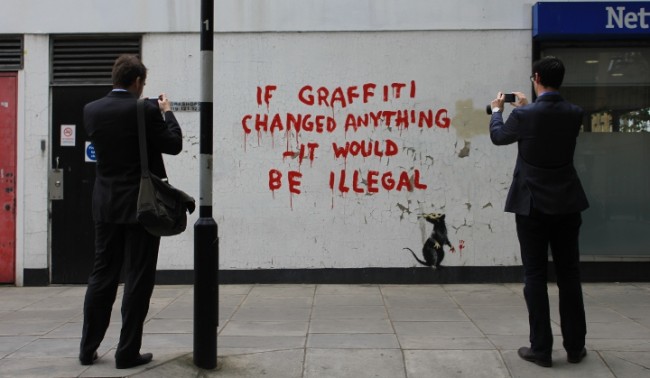
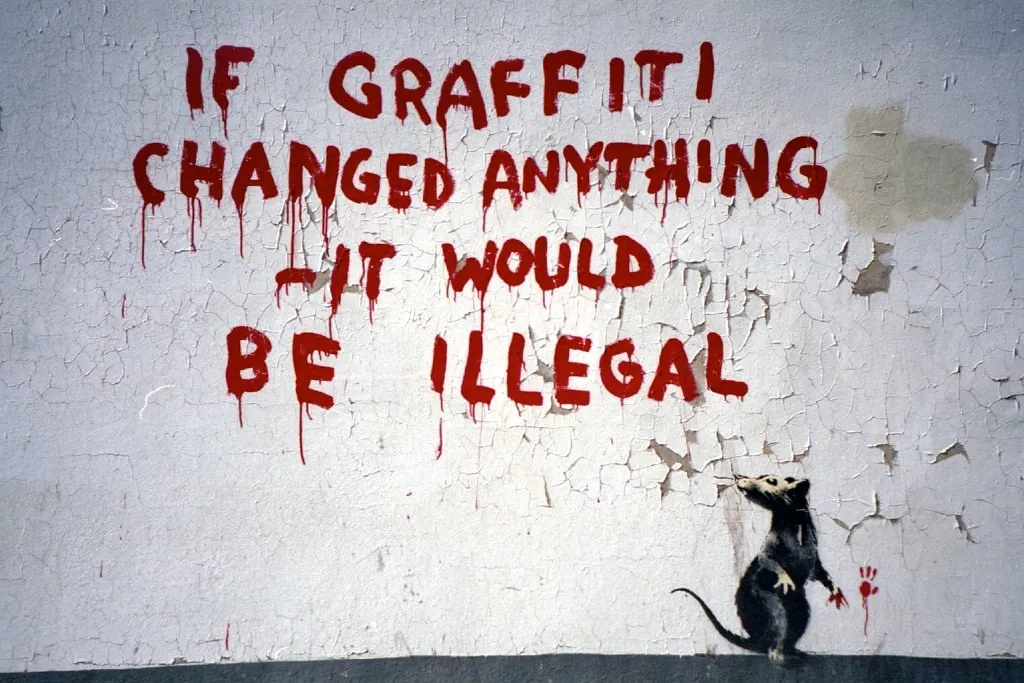
But then it hit me. If that graffiti actually changed anything, like, really shook things up, do you think it would still be there? Seriously. Think about it.
The "If it Worked, It'd Be Gone" Theory
That's my theory anyway. And it's pretty simple: if graffiti (or street art, whatever you want to call it) had the power to genuinely threaten the status quo, to incite real, lasting change, it would be stamped out so fast it would make your head spin. Censored, erased, and the artists... well, let's just say they wouldn't be getting invited to swanky gallery openings. Think Banksy staying anonymous for so long is just a coincidence? I think not.
We love to romanticize the rebel artist, the voice of the voiceless, spraying truth onto the walls. And there's definitely some truth to that. But let's be honest with ourselves: a lot of graffiti, while visually interesting (and sometimes even beautiful), is… well, let's call it "safe rebellion."
Safe Rebellion: The Comfort Zone
What I mean by safe rebellion is this: it's art that makes us feel good, that confirms our biases, that maybe makes us feel like we're "doing something" by liking a picture of it on Instagram. But does it actually do anything beyond that? Does it challenge power structures in a way that those in power actually feel threatened? Hmm, tough question, isn't it?

Here's what I'm getting at. Consider this:
- Most graffiti is localized: It's seen by a limited audience, often in specific neighborhoods. Its impact is geographically contained.
- It's easily dismissed: Authorities can (and often do) paint over it, effectively erasing its message.
- It can be co-opted: Corporations and brands love to use "street art" aesthetics to sell products. Talk about irony!
Think about it, if a powerful message genuinely threatened someone in power, it would be immediately censored and then spun into something that benefited the people in power. It would become "cool."
The Illusion of Change
We often mistake visibility for impact. Just because something is seen doesn't mean it's effective. Graffiti can raise awareness, spark conversations, and beautify (or uglify, depending on your perspective) the urban landscape. But awareness is just the first step. It's not the end goal. Awareness without action is just… well, it's just awareness.
And let's face it, a lot of graffiti is more about self-expression than social change. Which is totally fine! Art should be about self-expression! But let's not pretend that every tag on a train is a revolutionary act. Remember that one time your friend wrote their name on a bathroom stall in middle school? Yeah, not exactly Che Guevara, right?
What Would Truly Effective Graffiti Look Like?
Okay, so if graffiti actually had the power to change things, what would that even look like? I imagine something far more disruptive, more targeted, and far less…pretty. Think about:

- Direct attacks on specific individuals or corporations: Not just vague critiques of "the system," but naming names and exposing wrongdoings. (Think about the legal consequences of that!)
- Coordination and strategy: Not just random acts of vandalism, but a coordinated campaign with a clear message and a specific goal.
- Resistance to co-option: A conscious effort to avoid being used by corporations or the media to sell products or promote agendas that contradict the original message.
But, of course, all of that would be highly illegal and would likely be met with a swift and brutal response. Which brings us back to the original point: if graffiti truly changed anything, it wouldn't be tolerated. It would be criminalized and squashed.
The Power of Subtle Subversion
I'm not saying graffiti is completely powerless. It can be a powerful tool for subtle subversion, for planting seeds of doubt, for challenging dominant narratives in small but significant ways. Think of it as a slow burn, not a sudden explosion.
And sometimes, that's enough. Sometimes, just making people question things, just making them see the world from a different perspective, is a victory in itself. But let's not confuse that with actual, tangible change.
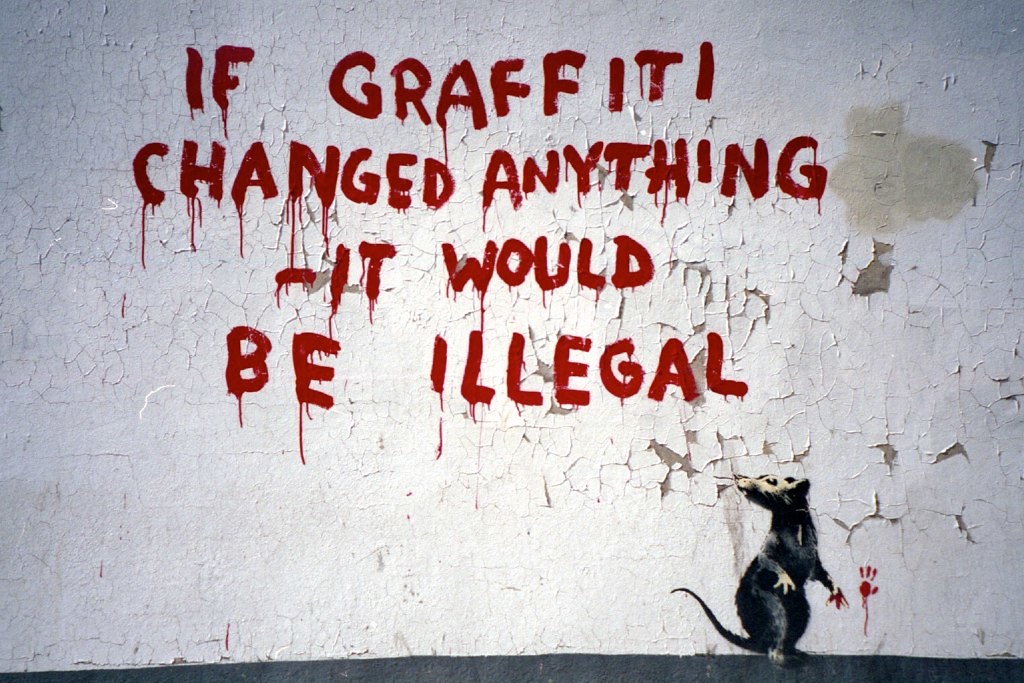
Maybe it's not about changing the world overnight. Maybe it's about chipping away at the edges, one tag, one mural, one thought-provoking piece at a time. And maybe, just maybe, that's enough to plant the seeds for a more just and equitable future. But I still think if it REALLY scared them, it would already be gone.
The Art Remains
Ultimately, the real power of graffiti might not lie in its ability to overthrow governments or dismantle capitalism (although, wouldn't that be something?). Instead, it might reside in its ability to spark conversations, to challenge our assumptions, and to remind us that the world is not fixed or immutable. It's a world open to interpretation, to re-imagining, to being made new. And maybe, just maybe, it will make you stop and think for a second, just like that mural in Montmartre did for me.
And in the end, isn't that what art is supposed to do?