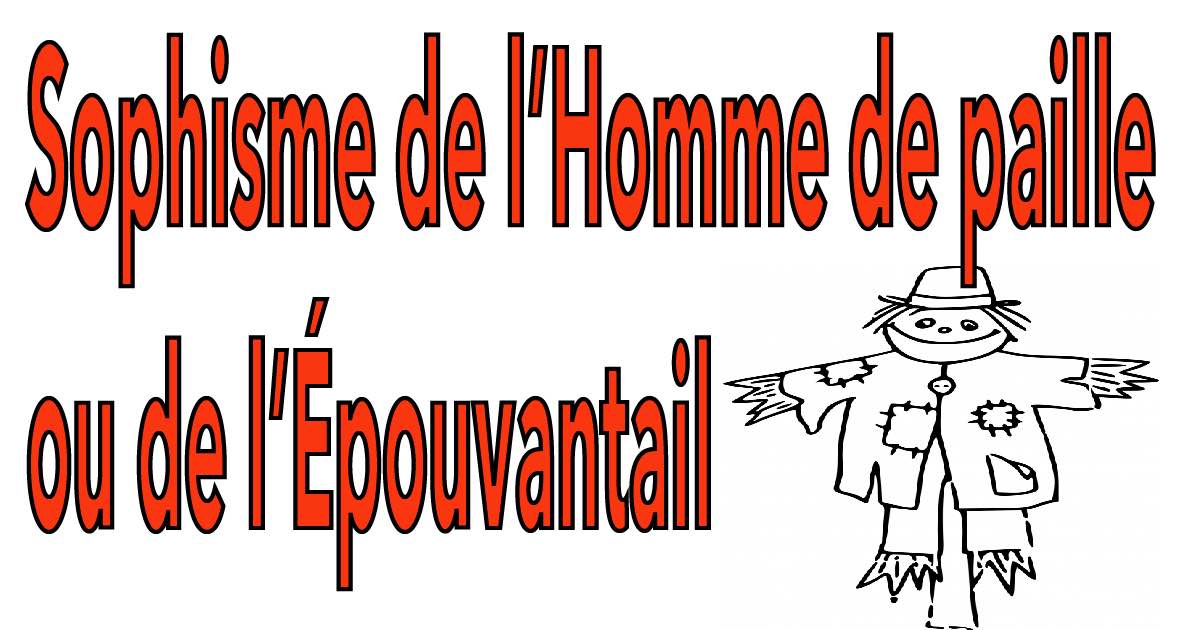
Salut, toi ! Ever been in a discussion where you felt like you were arguing with, well, a straw man? Like someone built a flimsy version of your argument just to knock it down? C'est frustrant, non?
That, mon ami(e), is the "homme de paille," or the straw man fallacy, in action! And trust me, understanding it isn't just about winning arguments (though it definitely helps!). It's about sharpening your mind, becoming a better communicator, and having a lot more fun with conversations. Oui, fun!
What Exactly IS a "Homme de Paille"?
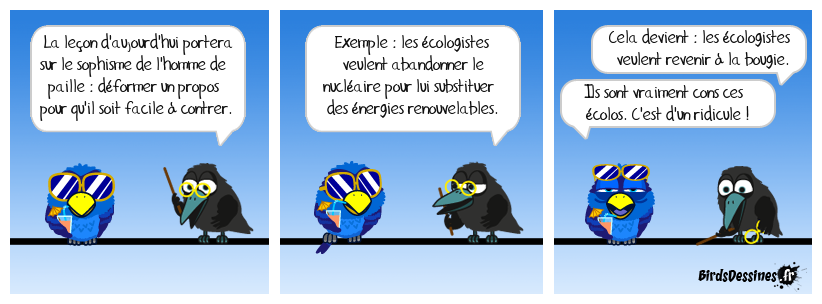
Alright, let's break it down. The straw man fallacy, or "homme de paille" in French (which sounds much more elegant, don't you think?), happens when someone misrepresents your argument to make it easier to attack. They basically construct a weaker, often ridiculous, version of what you actually said and then proceed to demolish that version. It's like putting words in your mouth, but instead of politely asking if you meant it, they just go ahead and argue with the phantom version of you.
Think of it like this: You say, "I think we should invest more in renewable energy to reduce pollution." A straw man response might be, "So you're saying we should shut down all our coal plants immediately and bankrupt the economy? That's insane!"
See what happened there? You suggested more investment in renewables, but they twisted it into shutting down everything overnight. It's a completely different argument – a much easier one to knock down.
Why Do People Use the "Homme de Paille"?
Good question! There are a few reasons, and not all of them are malicious. Sometimes, it's simply a misunderstanding. People might genuinely not grasp your point and unintentionally create a distorted version of it. It happens!

But often, it's a deliberate tactic. The straw man makes it easier to "win" an argument, even if it means arguing against something you never actually claimed. It's a bit like cheating at cards, wouldn't you say? A shortcut to a victory that isn't really earned.
And sometimes, it's just plain laziness! It's easier to attack a simplified, exaggerated version of an argument than to actually engage with the nuances and complexities of the real thing. Who has time for nuance these days, right? (Wrong! Nuance is where the magic happens!)
Spotting the "Homme de Paille" in the Wild
So, how do you recognize this pesky fallacy when it crops up? Here are a few telltale signs:

- Exaggeration: Are they blowing your argument way out of proportion? Are they adding ridiculous qualifiers like "all" or "never" when you didn't use them?
- Oversimplification: Are they reducing a complex issue to a black-and-white choice? Are they ignoring important details and caveats?
- Taking Things Out of Context: Are they quoting you out of context to make it seem like you're saying something you're not? (Tricky, but common!)
- Focusing on the Extreme: Are they latching onto the most extreme possible interpretation of your argument, even if it's unlikely or unreasonable?
Basically, if it feels like they're arguing against someone else entirely… well, they probably are!
Examples to Get You Thinking (and Smiling)
Let's look at some examples to really solidify this. Imagine these scenarios:
- You: "I think we should consider raising taxes on the wealthy to fund education."
Straw Man: "So you want to punish success and make everyone poor? That's socialism!" - You: "I believe in stricter gun control measures to reduce gun violence."
Straw Man: "So you want to take away everyone's guns and leave them defenseless against criminals?" - You: "I think we should be more mindful of our environmental impact."
Straw Man: "So you want us to live in caves and stop using technology? That's absurd!"
See the pattern? They're taking reasonable suggestions and twisting them into extreme, often illogical, positions. It's like they're playing a game of telephone, but instead of just mishearing the message, they're deliberately changing it to make it easier to criticize.

How to Respond to a "Homme de Paille"
Okay, so you've identified a straw man. Now what? Don't panic! You have options. Here are a few strategies:
- Politely Point It Out: "I think you're misrepresenting my argument. I didn't say [straw man's claim]. What I actually said was [your original claim]." Be calm and clear. Don't get drawn into an emotional argument.
- Refuse to Engage: "I'm not going to argue against a position I don't hold." This can be a powerful way to shut down the straw man without getting bogged down in pointless debate.
- Reiterate Your Actual Argument: Simply repeat your original argument, clearly and concisely. Don't let them distract you with their straw man.
- Use Humor: Sometimes, a little humor can diffuse the situation. "Wow, that's quite an interpretation! I didn't realize I was advocating for [straw man's claim]. Maybe I need to re-evaluate my life choices." (Use sparingly, and only if appropriate!)
The key is to stay calm, stay focused, and stay true to your original argument. Don't let them drag you down into the straw man's world of distorted realities.
Why This Matters: Beyond Winning Arguments
Understanding the "homme de paille" isn't just about winning debates. It's about improving your communication skills, becoming a more critical thinker, and engaging in more meaningful conversations. When you can spot this fallacy, you're better equipped to:

- Understand Different Perspectives: By recognizing when someone is misrepresenting an argument, you can better understand their underlying assumptions and motivations.
- Avoid Misunderstandings: Being aware of the straw man can help you communicate more clearly and avoid unintentional misinterpretations of your own arguments.
- Promote Constructive Dialogue: By calling out the straw man fallacy, you can encourage more respectful and productive conversations.
- Sharpen Your Critical Thinking Skills: Identifying and analyzing fallacies is a great way to hone your critical thinking abilities, which are essential for success in all areas of life.
And honestly, it's just plain fun! Once you start spotting straw men in the wild, you'll see them everywhere – in political debates, in online forums, even in everyday conversations. It's like having a secret superpower! (A very nerdy, but very useful, superpower.)
Ready to Dive Deeper?
So, there you have it! The "homme de paille" in all its glory (or, rather, its lack thereof). Hopefully, this has given you a better understanding of this common fallacy and equipped you with the tools to spot it and respond to it effectively.
But this is just the beginning! There's a whole world of logical fallacies out there waiting to be explored. Learning about these fallacies is like unlocking a cheat code for clear thinking and effective communication. You'll be amazed at how much more sense the world makes (and how much more fun conversations become) when you can identify and analyze logical fallacies.
So, go forth, mon ami(e)! Embrace the power of critical thinking. Explore the fascinating world of logical fallacies. And remember, the next time someone tries to argue with a straw man, you'll be ready to say, "Au contraire! That's not what I said at all!" The world needs your clear thinking! Bonne chance!










![Homme de paille : définition & origine [expression] - La culture générale](https://www.laculturegenerale.com/wp-content/uploads/2020/09/homme-de-paille-expression-origine-1536x1008.jpg)