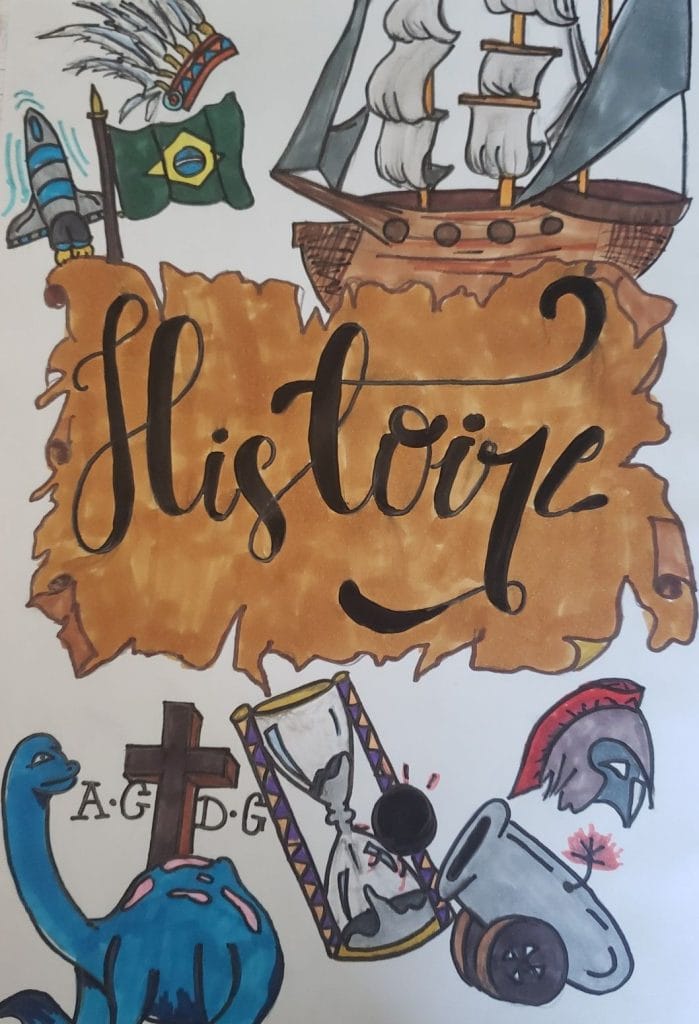
Okay, picture this: flea market, dusty box, and BOOM, you find it. An old book, leather-bound, its pages brittle like autumn leaves. You gingerly open it, expecting maybe some ancient recipes or scandalous love letters. Instead? A meticulously decorated title page – "Histoire de la Révolution Française." The Histoire, La Révolution... all swirled together in elegant script, surrounded by symbolic imagery you vaguely recall from history class. It makes you wonder, doesn’t it? Why all the fuss for just the first page?
Well, my friend, welcome to the fascinating world of title pages, especially those born out of revolutionary fervor! (Did you know this was a thing? Stick around, it's cooler than you think!).
The Title Page: More Than Just a Name Tag
Let’s be real, the title page is often overlooked. It's just the cover’s sidekick, right? But historically, and especially during periods of intense social and political change, it becomes so much more. Think of it as the book's grand entrance, its first impression on the world. It wasn’t just about stating the title and author; it was about setting the tone, hinting at the contents, and even subtly (or not so subtly) declaring allegiance to a particular ideology. Remember, this was a time before blurbs, before online reviews, before even the Internet! (hard to imagine, right?). The title page was all you had to go on.
Révolution! Revolutionizing Title Pages Too
The French Revolution… mon dieu, it was chaos, beauty, and a whole lot of pamphlets being flung around. It was also a time of explosive creativity. And guess what? That creativity spilled onto the title pages! Forget the boring, stuffy layouts of the ancien régime. Now you had:

- Symbolism overload: Think Liberty caps, Phrygian bonnets, fasces (bundles of rods symbolizing unity and power), broken chains… it was all there, shouting "FREEDOM!" (or, you know, hinting at the ideals of the Revolution).
- Strong Typography: Bold, dramatic fonts that mirrored the revolutionary spirit. Forget the delicate flourishes; it was all about IMPACT.
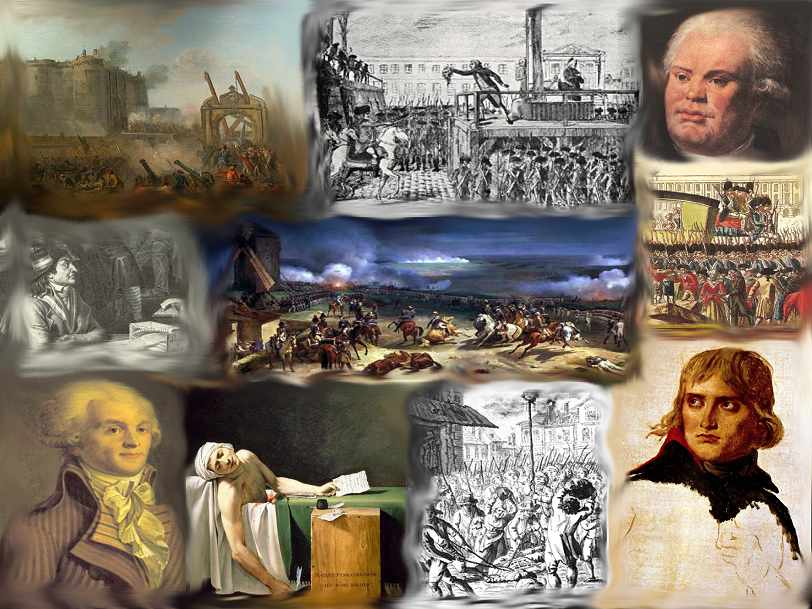
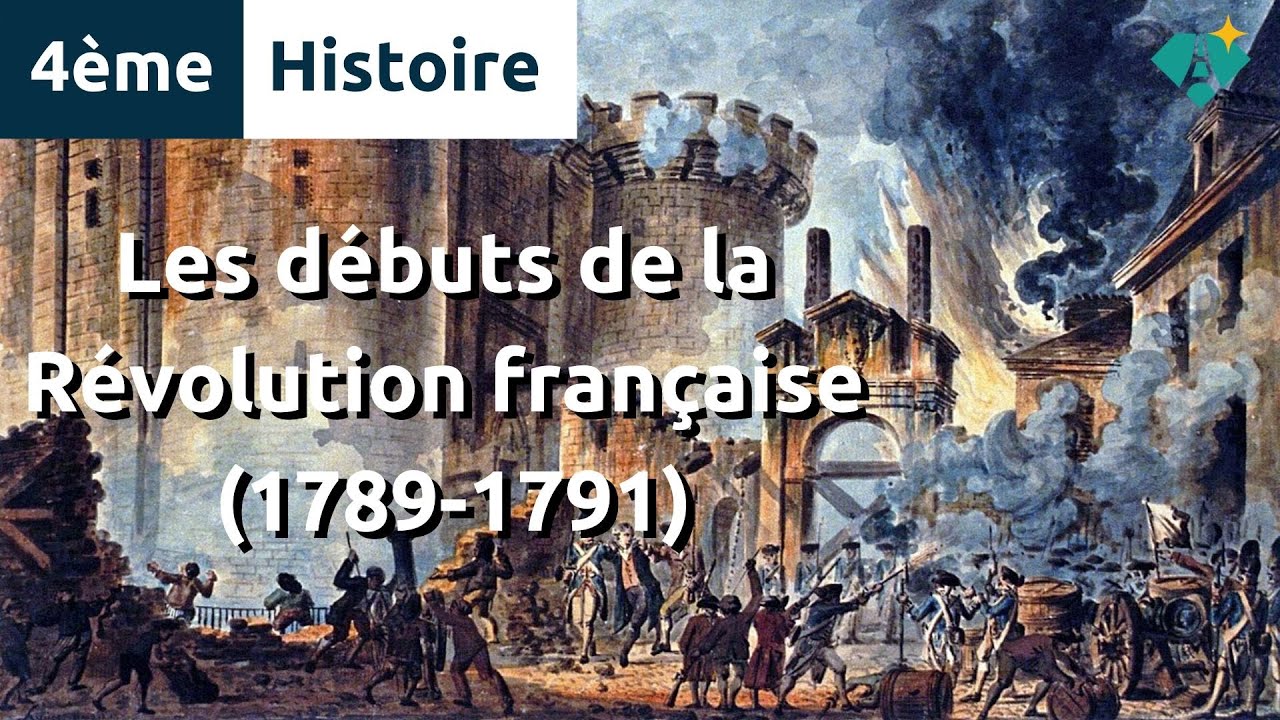
- Illustrations as Propaganda: Images weren’t just pretty; they were meant to persuade. Depictions of the storming of the Bastille, allegorical figures representing France, or even subtle digs at the aristocracy. Each image was a statement.
Why all this artistic effort? Because in a world saturated with propaganda, even the smallest detail mattered. A well-designed title page could catch the eye, pique the interest, and ultimately, persuade someone to pick up the book and embrace (or at least consider) the revolutionary cause.
Consider a history book about the revolution. A title page adorned with a triumphant Marianne (the symbol of France) breaking her chains wouldn’t just tell you what the book was about; it would also subtly shape your perception of the events. (Sneaky, right?).

Beyond the Revolution
The revolution in title page design didn’t end with the French Revolution, of course. Its influence can be seen in other revolutionary movements and periods of social upheaval throughout history. Any time there's a radical shift in power or ideology, you can bet that title pages are going to reflect that change. It makes you wonder what the title pages of books about our time will look like in 200 years… maybe just a QR code?
So, the next time you stumble across an old book, don't just flip past the title page. Take a moment to appreciate the artistry, the symbolism, and the hidden messages it holds. You might just discover a whole new layer of history waiting to be uncovered. And who knows, you might even find your own flea market treasure!






![Michelet : « De la première page à la dernière, elle [la Révolution] n](https://www.histoire-en-citations.fr/sites/default/files/images-og/070519twt3.png)