Bonjour mes amis! Settle in, grab a café au lait, and let's chat about adventure. You know, the kind you read about in old, leather-bound books, the kind that smells like the sea and distant shores. Today, we’re diving into the tale of a voyage, a truly remarkable one. Ever heard of Histoire D'un Voyage Faict En La Terre Du Brésil?
It might sound a bit intimidating, all proper and French. But trust me, the story is anything but! It translates to "History of a Voyage Made to the Land of Brazil." Intriguing, isn’t it? Think 16th century explorers, strange new lands, and encounters that would make your hair stand on end. Ready to embark on this literary journey with me?
So, who wrote this incredible account? A certain Jean de Léry. Now, Jean wasn't just some random tourist snapping photos. He was a Huguenot, a French Protestant, fleeing religious persecution back in Europe. Can you imagine the courage it took to leave everything behind and sail across the ocean to an unknown continent?
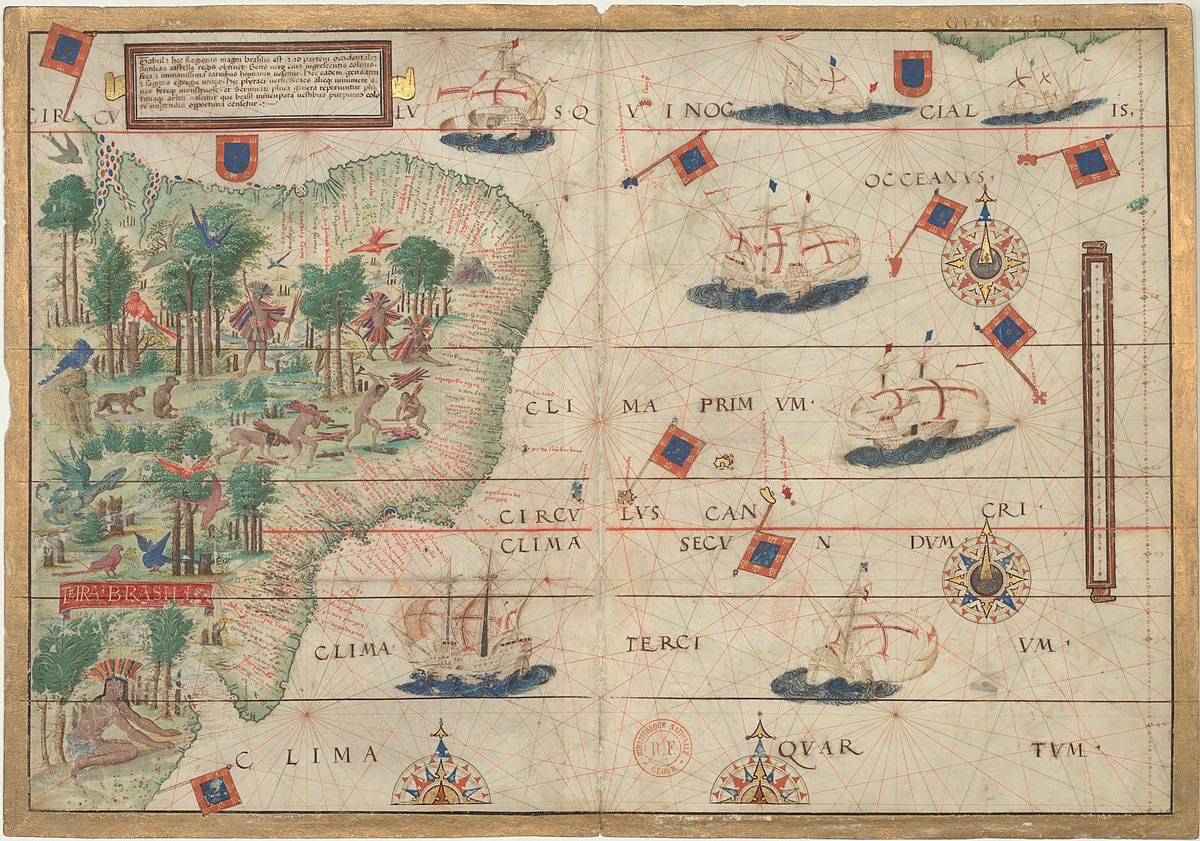
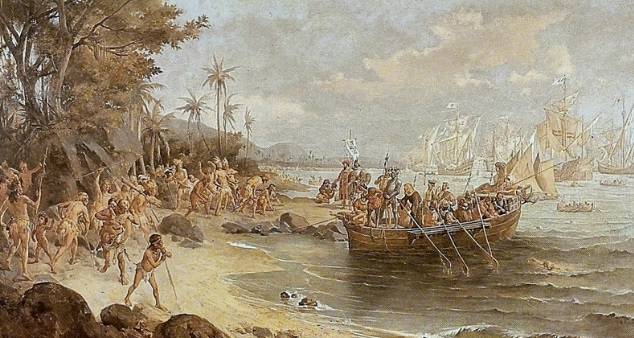
He landed in Brazil in the mid-1500s, a time when the New World was still… well, brand new! He wasn't there for gold or glory, not exactly. Léry was sent as part of a French expedition to establish a colony, France Antarctique, near present-day Rio de Janeiro. Ambitious, right?
But here's where it gets really interesting. Léry wasn't just describing landscapes and exotic animals. He actually lived amongst the Tupi-speaking indigenous peoples of Brazil. He learned their language, their customs, their way of life. How many explorers can you say that about?
A Unique Perspective
Léry's account stands out from other travel narratives of the time because he wasn't just a detached observer. He became immersed in the culture. He wasn't afraid to criticize the Europeans' greed and exploitation. He was, in many ways, a surprisingly modern thinker. Makes you wonder what he would think of today’s world, doesn’t it?

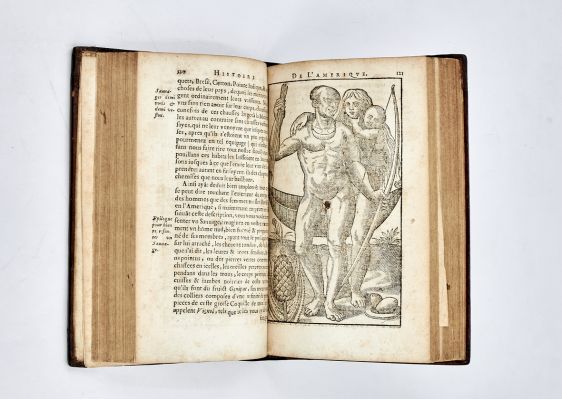
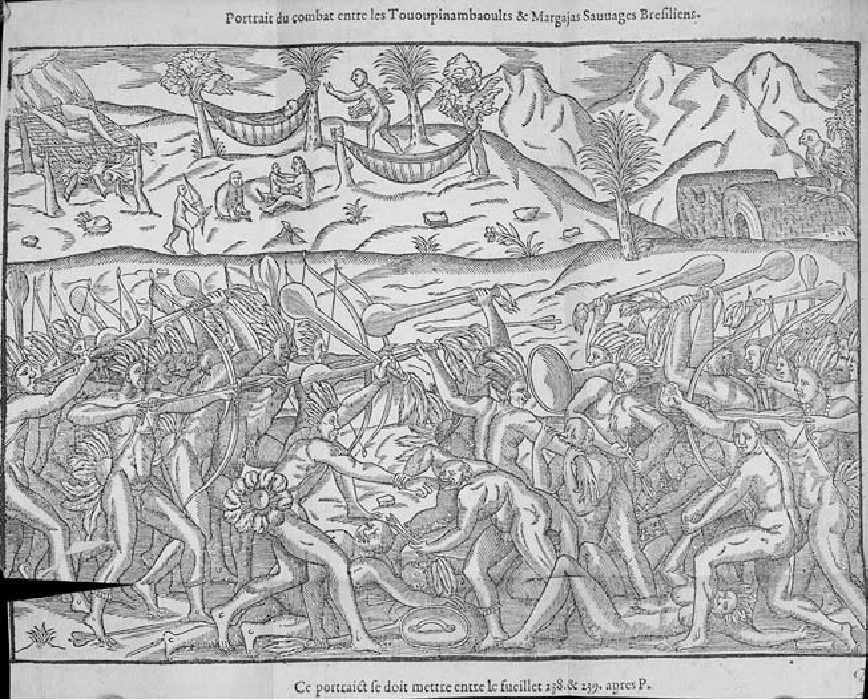
His book is full of fascinating details about the Tupi people. He describes their rituals, their warfare, their food (which, let's just say, was a little different from what Jean was used to!). He talks about their beliefs, their social structures, and their relationship with the natural world. It's a vivid and compelling portrait of a culture that was rapidly changing due to European contact.
Cannibalism: The Elephant in the Room
Okay, let's address the elephant in the room. Léry doesn't shy away from discussing the Tupi's practice of cannibalism. It's a controversial topic, to be sure, but he approaches it with a degree of understanding, explaining the cultural context and the reasons behind it. Was it barbaric? By our standards, probably. But Léry tries to present it without sensationalism, seeking to understand rather than simply condemn.
He details the Tupi's motives, which revolved around absorbing the strength and courage of their enemies. It wasn’t just about eating; it was a ritual, a way to honor the deceased warrior and gain his qualities. Quite different from a quick trip to the local butcher, wouldn't you agree?

More Than Just an Adventure Story
Histoire D'un Voyage Faict En La Terre Du Brésil is more than just an adventure story. It's a valuable historical document, a window into a lost world. It gives us a glimpse into the lives of the Tupi people before their culture was irrevocably altered by European colonization. It's a testament to the power of observation and the importance of understanding different perspectives.
But perhaps even more importantly, it's a reminder of the devastating impact of colonialism on indigenous populations around the world. Léry witnessed firsthand the violence, disease, and exploitation that accompanied European expansion. His book serves as a warning about the dangers of cultural arrogance and the importance of treating all people with respect and dignity.
Think about it. Here's a guy, fleeing religious persecution himself, witnessing the destruction of another culture. He’s drawing parallels, perhaps subconsciously, between his own experience and the plight of the Tupi. It's a powerful and poignant connection.

Returning Home
After a couple of years in Brazil, Léry eventually returned to Europe. He witnessed firsthand the disintegration of the French colony due to internal conflicts and Portuguese attacks. The dream of France Antarctique crumbled. He went back to a France still embroiled in religious wars, a country drastically different from the vibrant, if challenging, life he had experienced in Brazil.
Léry used his experiences to write his book, publishing it in 1578. It became a bestseller, translated into multiple languages, and read by scholars, adventurers, and anyone curious about the New World. His words resonated with readers then, and they still do today.
Why Should We Read Léry Today?

Why bother with a book written centuries ago? Because Histoire D'un Voyage Faict En La Terre Du Brésil offers us invaluable insights into the past. It challenges us to question our own assumptions and biases. It reminds us of the importance of cultural understanding and the need to protect vulnerable populations. And, quite simply, it's a captivating story! Isn't that enough?
It’s easy to get caught up in our modern lives, our technology, our worries. But taking a moment to read accounts like Léry's allows us to step back, to gain perspective, and to appreciate the complexities of human history. It’s a reminder that we are all connected, across time and across cultures.
So, the next time you’re looking for a good read, consider picking up Histoire D'un Voyage Faict En La Terre Du Brésil. You might be surprised by what you discover. It’s not just a journey to Brazil; it’s a journey into the heart of humanity. And who knows, you might even find a little bit of yourself along the way.
And that, my friends, is a thought worth savoring with your next cup of coffee. Until next time!


.jpg)