Bonjour mes amis! Ever wondered why everyone loves French fries (obviously because they're French!) or why K-pop is suddenly ruling the world? Well, buckle up, because we're about to dive into the fascinating, and occasionally hilarious, world of hard power and soft power. Think of it as international relations... but with more puns and less existential dread.
Hard Power: The Big Stick (and Missiles!)
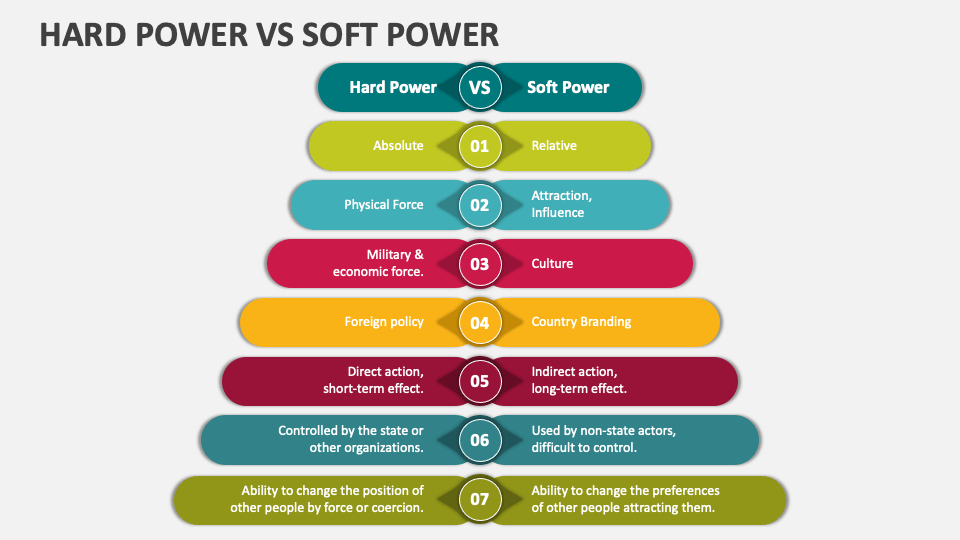
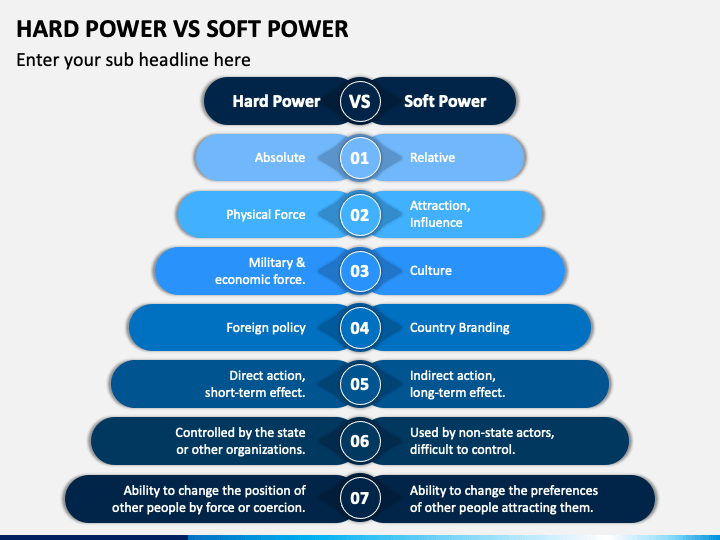
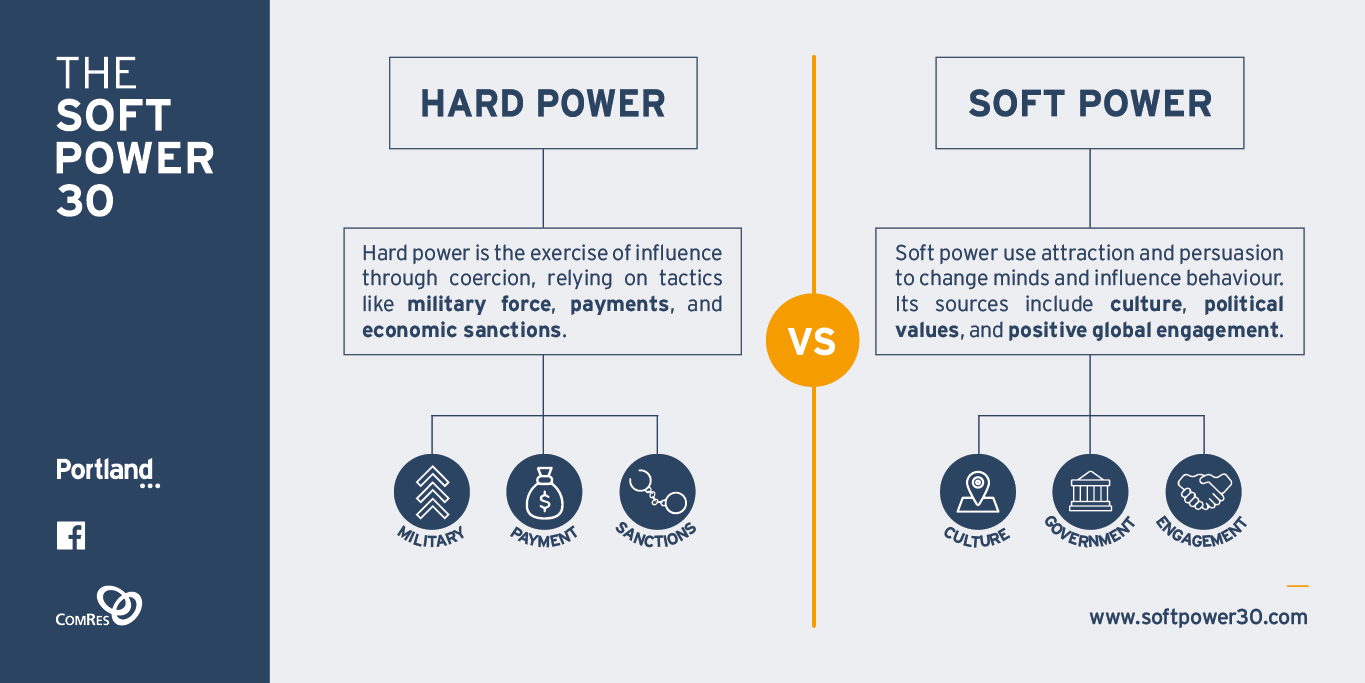
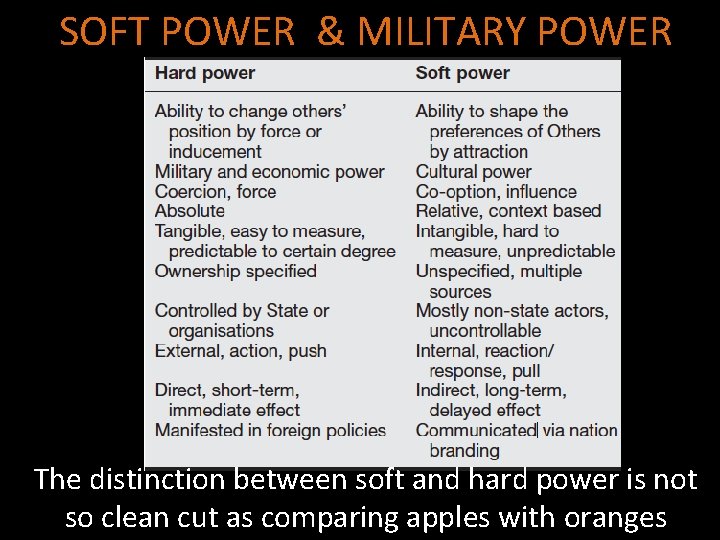
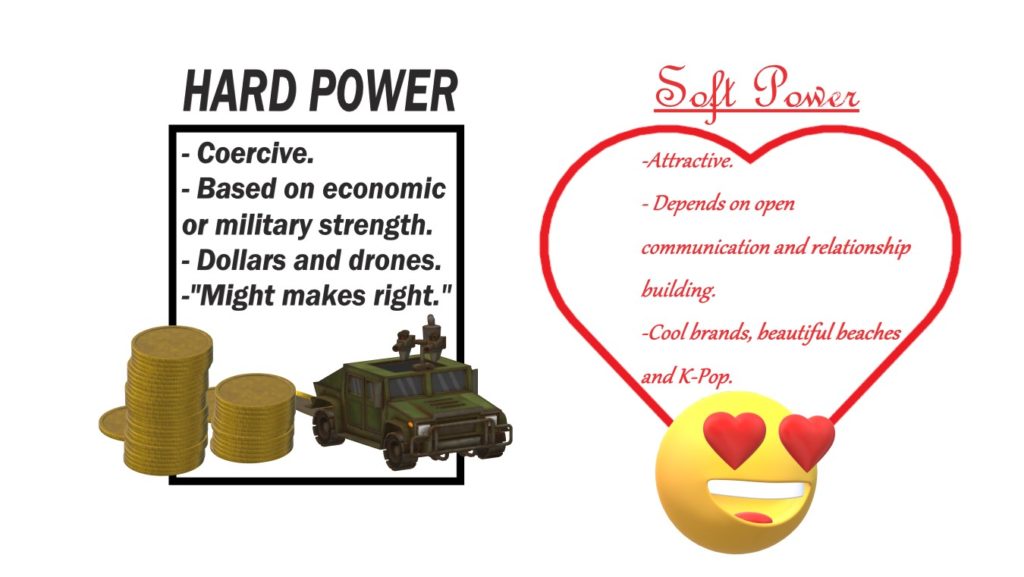
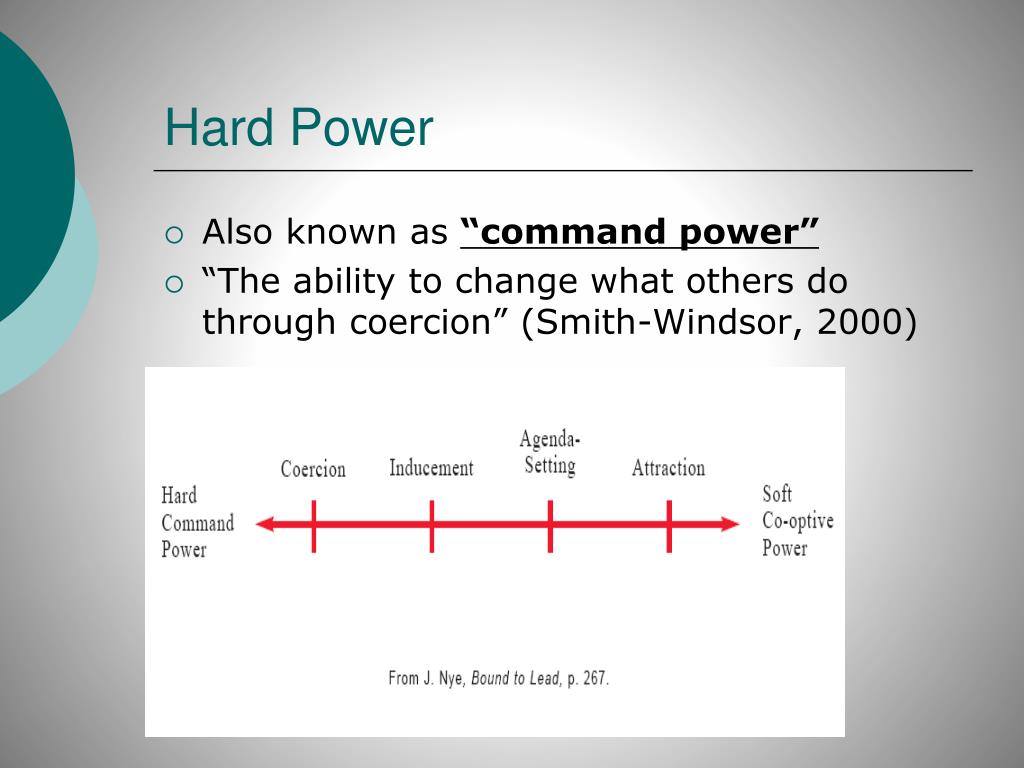
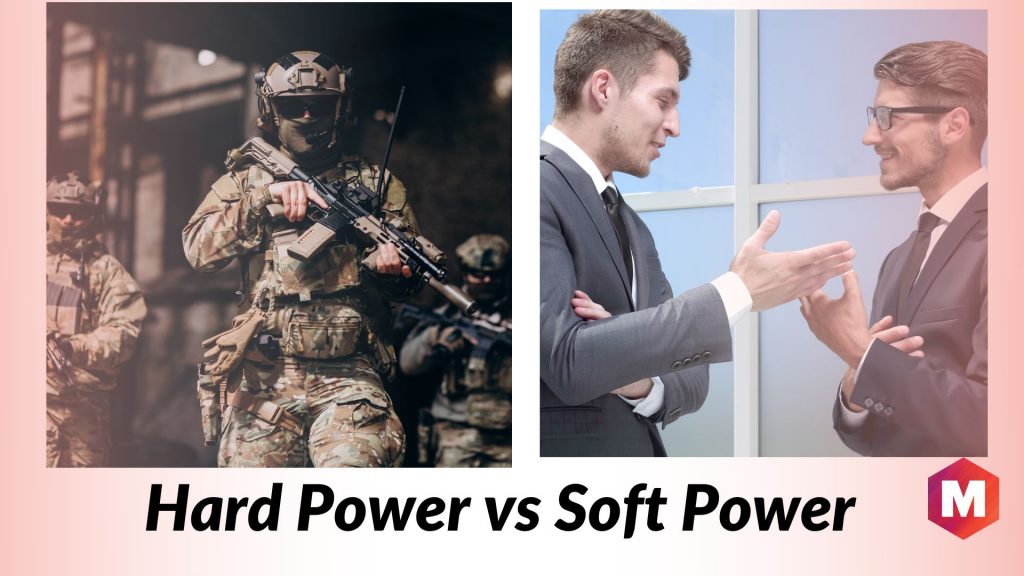
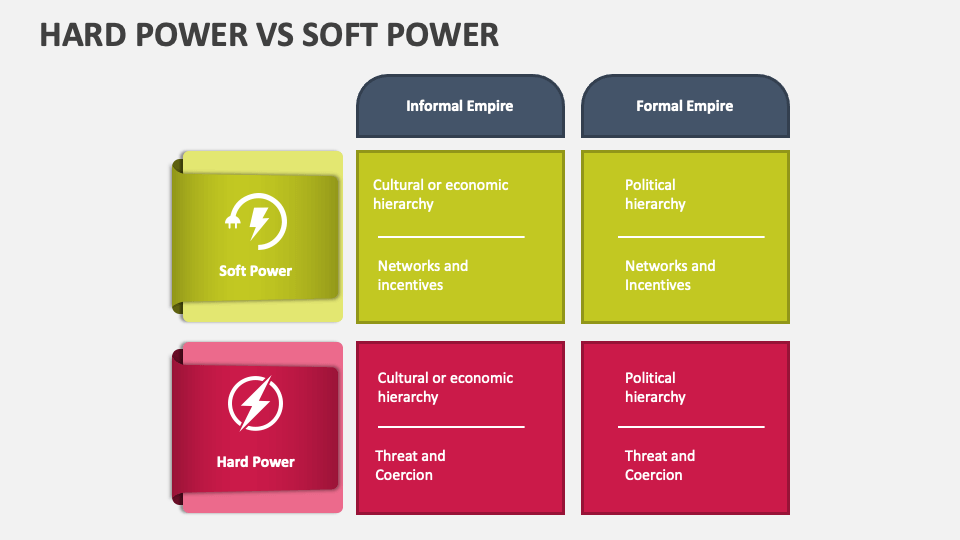
Okay, let's start with the obvious. Hard power is basically the international equivalent of flexing your muscles in the schoolyard. It’s all about coercion, force, and generally making sure everyone knows you're not to be trifled with. We're talking armies, navies, economic sanctions… the whole shebang. Imagine a country constantly clearing its throat really loudly and subtly pointing to its arsenal.
The Nitty-Gritty of Brute Force
So, what does hard power actually involve? Glad you asked!
- Military Might: This is the big one. Tanks, planes, battleships, soldiers… the works. The more you have, the louder you can shout (metaphorically, of course. Unless you're actually shouting through a megaphone at another country. In which case, please send me the video). Think of it as the international equivalent of having a really, really big dog. Nobody messes with you if you have a Rottweiler named "Peacekeeper."
- Economic Sanctions: This is where things get a little more subtle, but no less forceful. Basically, you squeeze a country's economy until it cries "uncle!" Trade embargoes, asset freezes, tariffs… it's all designed to make life difficult and force a change in behavior. It's like grounding your teenager... but on a global scale.
- Coercive Diplomacy: This is the slightly less aggressive version of military force. It involves threats (veiled or otherwise) to get your way. "Nice little economy you have there. Shame if something were to happen to it…" It's the geopolitical equivalent of a mob boss paying a "friendly" visit.
Pros of Hard Power:
- It can be very effective in the short term. If you want someone to do something right now, a swift kick in the pants (figuratively, of course. Unless…) can often do the trick.
- It can deter aggression. Nobody wants to mess with the country that has the biggest, baddest army. It’s like having a “Beware of Dog” sign, even if your dog is actually a fluffy Pomeranian.
- It can protect national interests. Sometimes, you just need to defend your borders or your citizens. And sometimes, that requires a bit of muscle.
Cons of Hard Power:
- It's expensive. Building and maintaining a powerful military costs a fortune. All those tanks and planes don't grow on trees, you know. (Although, wouldn't that be amazing?)
- It can create resentment and backlash. Nobody likes being bullied. And when you bully a country, they're likely to hold a grudge. Think of it as the international equivalent of getting a bad Yelp review.
- It can be morally questionable. Using force always has ethical implications. Is it ever really justified? That's a question for the philosophers (and probably the therapists).
Example Time! Let's say Country A wants Country B to stop developing nuclear weapons. Country A could threaten to invade (military force), impose trade sanctions (economic coercion), or just glare menacingly across the border (coercive diplomacy). All of these are examples of hard power in action. It’s the geopolitical equivalent of saying, "Stop that, or else!"
Soft Power: The Power of Attraction (and Baguettes!)
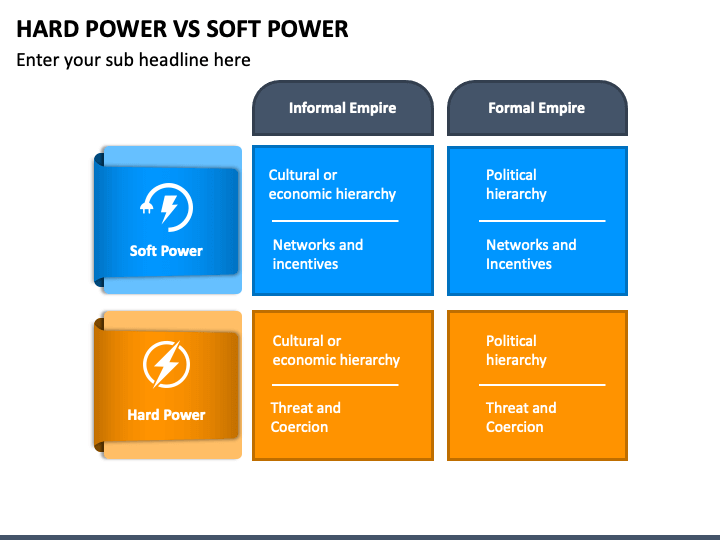
Now, let's move on to something a little more… charming. Soft power is all about getting other countries to want what you want. It's about attraction, persuasion, and generally being so darn appealing that everyone wants to be your friend. Think of it as the international equivalent of being the popular kid in school. Everyone wants to hang out with you, wear your clothes, and listen to your music.
The Secret Sauce of Seduction
So, how does soft power actually work? It's all about those intangible things that make a country attractive. Things like:
- Culture: This is a big one. Movies, music, art, literature, food… all of these things can make a country incredibly appealing. Think of Hollywood, Bollywood, or (of course!) French cuisine. Who can resist a good croissant? (Answer: nobody).
- Values: If a country is seen as upholding values like democracy, freedom, and human rights, it's more likely to be admired and respected. Nobody wants to be friends with the country that's constantly oppressing its citizens.
- Foreign Policy: A country that's seen as a responsible and helpful member of the international community is more likely to be influential. Think of countries that provide humanitarian aid or mediate international disputes. It's like being the nice guy at the party. Everyone likes the nice guy (unless he's too nice. Then he's just creepy).
- Education: Countries with prestigious universities and research institutions attract students and scholars from all over the world. These people then go back to their home countries with a positive impression of the country where they studied. It's like planting seeds of goodwill.
Pros of Soft Power:
- It's sustainable. Building relationships and fostering goodwill takes time, but it also lasts longer than a quick military victory. It’s like investing in a good friendship rather than just a one-night stand.
- It's less expensive than hard power. Promoting your culture and values doesn't require a massive military budget. It’s like winning hearts and minds with a smile rather than a fist.
- It's more morally acceptable. Nobody gets hurt when you share your culture or promote your values. It’s like spreading happiness rather than spreading fear.
Cons of Soft Power:
- It takes time. Building trust and fostering relationships doesn't happen overnight. It’s like waiting for a soufflé to rise. It requires patience (and a good recipe).
- It's difficult to measure. How do you quantify the impact of a movie or a song? It's like trying to measure the power of love. Good luck with that!
- It can be ineffective against hard power. If someone is determined to use force, your charm and good looks aren't going to do much good. It’s like trying to stop a tank with a hug. Well-intentioned, but ultimately futile.
Example Time! Let's say Country C wants Country D to adopt democratic reforms. Country C could promote its own democratic values through cultural exchange programs, offer scholarships to students from Country D, or simply be a shining example of a successful democracy. All of these are examples of soft power in action. It’s the geopolitical equivalent of saying, "Look how great we are! You should be like us!"
The Hybrid Approach: Smart Power (Because Who Wants to Be Dumb?)
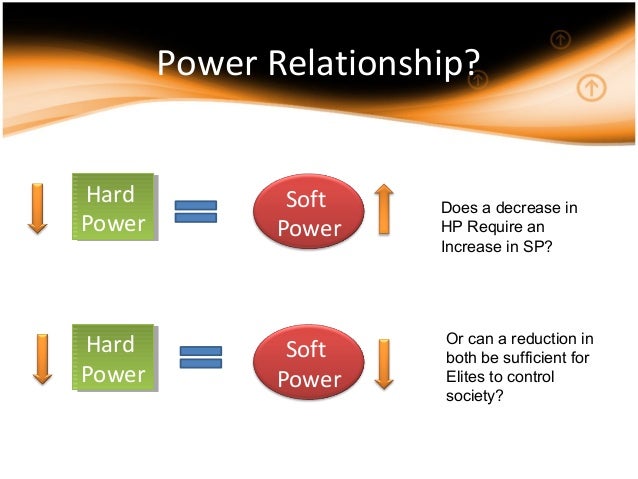
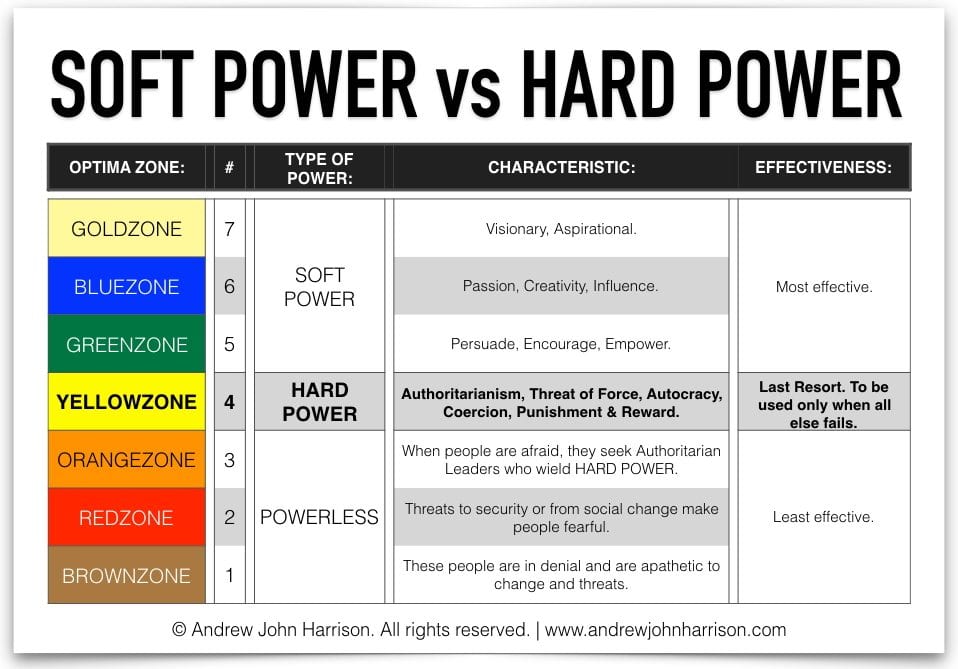
So, which is better: hard power or soft power? The answer, as with most things in life, is "it depends." Sometimes you need a big stick, and sometimes you need a bouquet of flowers. But increasingly, countries are realizing that the most effective approach is to combine the two. This is known as smart power.
Smart power is all about using the right tool for the right job. It's about being both strong and persuasive, both assertive and charming. It's about knowing when to use force and when to use diplomacy. It's the geopolitical equivalent of being a well-rounded individual. Someone who can both bench press 200 kilos and quote Shakespeare (although, let's be honest, most of us are lucky if we can do one or the other).
Example Time! Let's say Country E wants Country F to join an international alliance. Country E could offer economic incentives (soft power) while also subtly reminding Country F of its military strength (hard power). It's the geopolitical equivalent of saying, "We'd love to have you on our team. And by the way, we have really cool tanks."
So, What's the Takeaway?
International relations is a complex and nuanced game. There's no one-size-fits-all solution. But understanding the concepts of hard power, soft power, and smart power can help you make sense of the world around you. And who knows, maybe one day you'll be the one wielding these powers. Just promise you'll use them for good… and maybe send me a free croissant.
A Few Final Thoughts (Because I Can't Help Myself)
- Hard power is like a hammer. Sometimes you need it to smash things. But if you only have a hammer, everything looks like a nail.
- Soft power is like honey. It attracts more flies than vinegar. But it can also be sticky and messy.
- Smart power is like a Swiss Army knife. It has all the tools you need to get the job done. But you need to know how to use them.
- The key to success in international relations is to be both strong and likeable. It's like being James Bond. Except with less vodka and more diplomacy.
- And remember, always be yourself. Unless you can be Batman. Then always be Batman.
And there you have it! A whirlwind tour of hard power, soft power, and everything in between. I hope you found it informative, entertaining, and slightly less boring than your average international relations lecture. Now, if you'll excuse me, I'm off to practice my own soft power skills by baking a batch of Madeleines. After all, who can resist the allure of a perfectly baked French pastry?
Au revoir, mes amis! And remember: In the game of global politics, it's always better to be the one with the most delicious croissants.