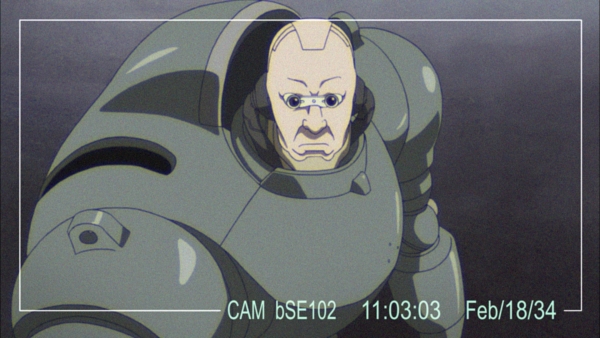
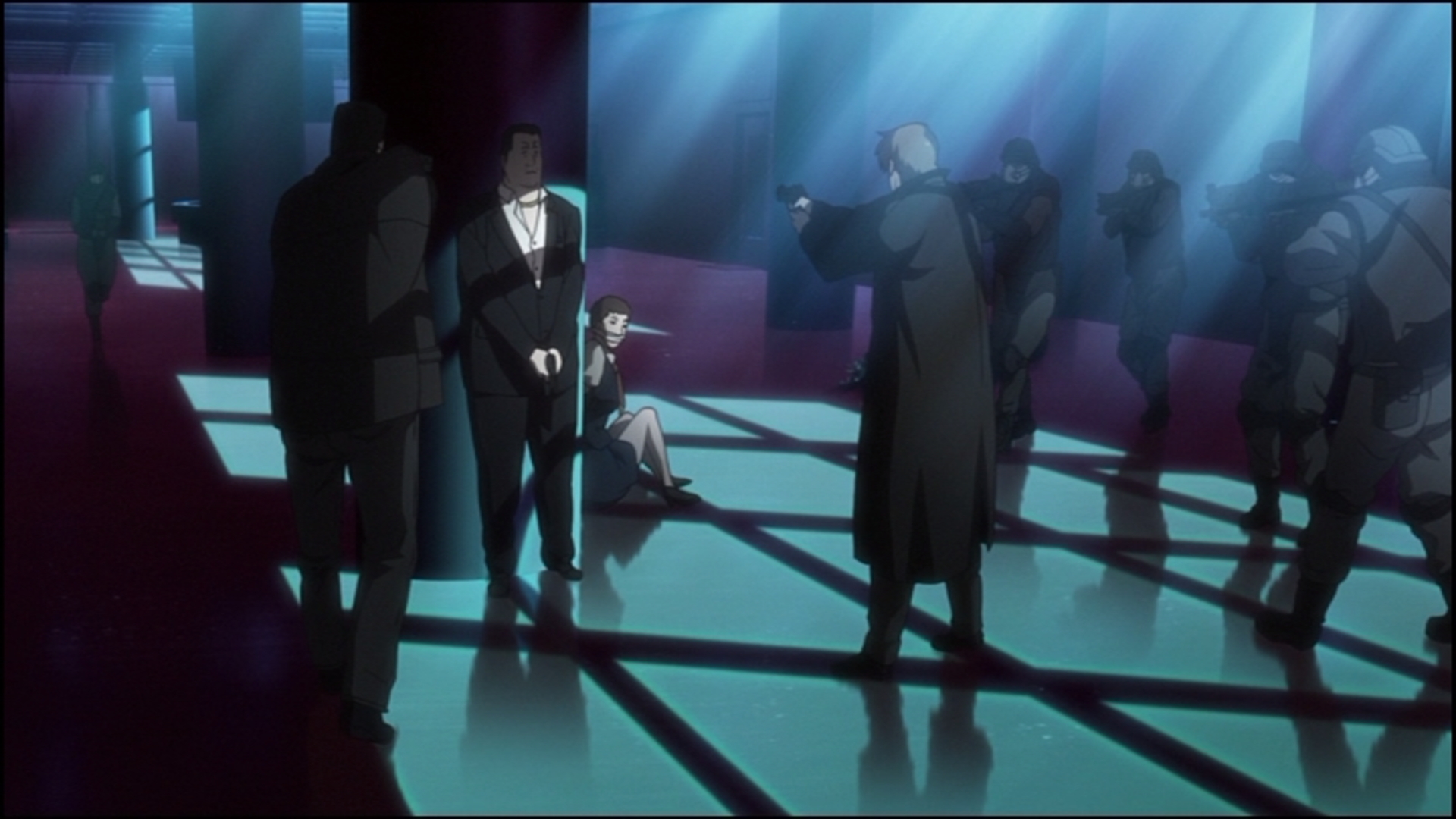
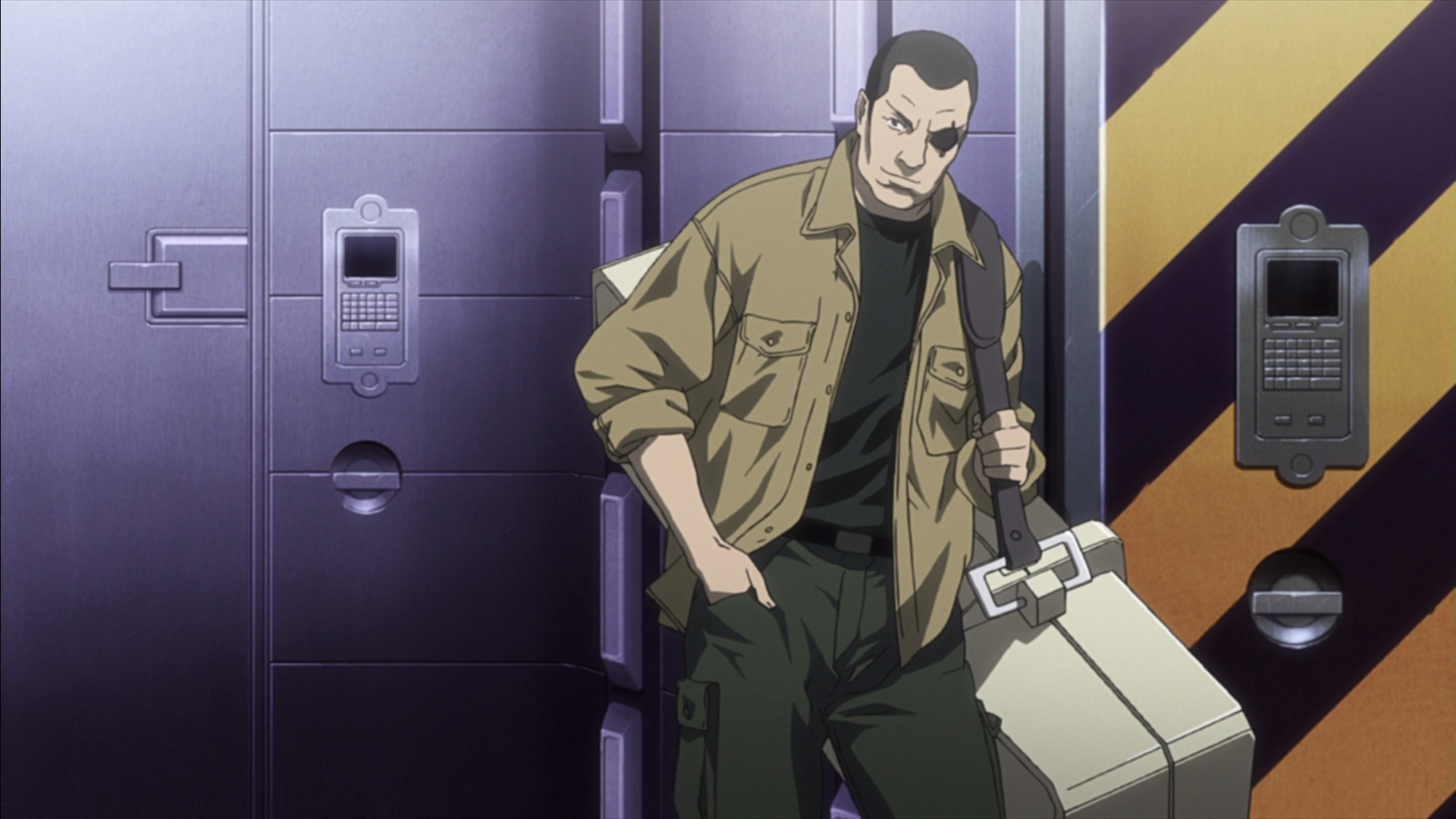
Ok, imagine this: you're scrolling through Netflix (again, let's be honest), utterly overwhelmed. A thousand options, nothing feels quite right. Then, bam! An anime you vaguely remember hearing good things about pops up: "Ghost in the Shell: Stand Alone Complex - Solid State Society." You think, "Ehhh, why not?" Famous last words, my friend, famous last words.
Because that's how I stumbled into Solid State Society, and trust me, it's way more complex than a late-night impulse watch. It's a dense, philosophical, cyberpunk mind-bender. And that's what makes it so darn compelling (and sometimes confusing!).
So, what is Solid State Society anyway? Well, it's basically a direct sequel to the two seasons of Stand Alone Complex. Think of it as a long movie or a very special episode. But be warned, you absolutely need to watch the previous seasons to even begin to understand what’s going on. Trying to jump in cold is like trying to understand French philosophy without knowing basic French grammar. (Good luck with that!)
The main plot revolves around a new threat: the "Puppeteer," not to be confused with the original Puppeteer (or "The Project 2501") from the first Ghost in the Shell movie. This new Puppeteer is orchestrating complex crimes involving kidnapping elderly people and "re-homing" them with new identities. Sounds weird, right? It gets weirder.
Section 9, led by the ever-enigmatic Major Motoko Kusanagi (who's basically gone rogue, adding another layer to the drama), has to unravel this mystery. And it's a doozy. We're talking deep dives into Japanese social issues, aging populations, and the very nature of consciousness in a technologically advanced world. Are you still with me? Don't worry, even after multiple viewings, some of it still goes over my head!

The Big Ideas: Beyond the Cyberpunk Aesthetic
Solid State Society isn't just about cool cyborgs and futuristic gunfights (although, let's be real, those are pretty awesome). It's about some seriously meaty themes. Think about the name itself: "Solid State Society." What does that even mean?
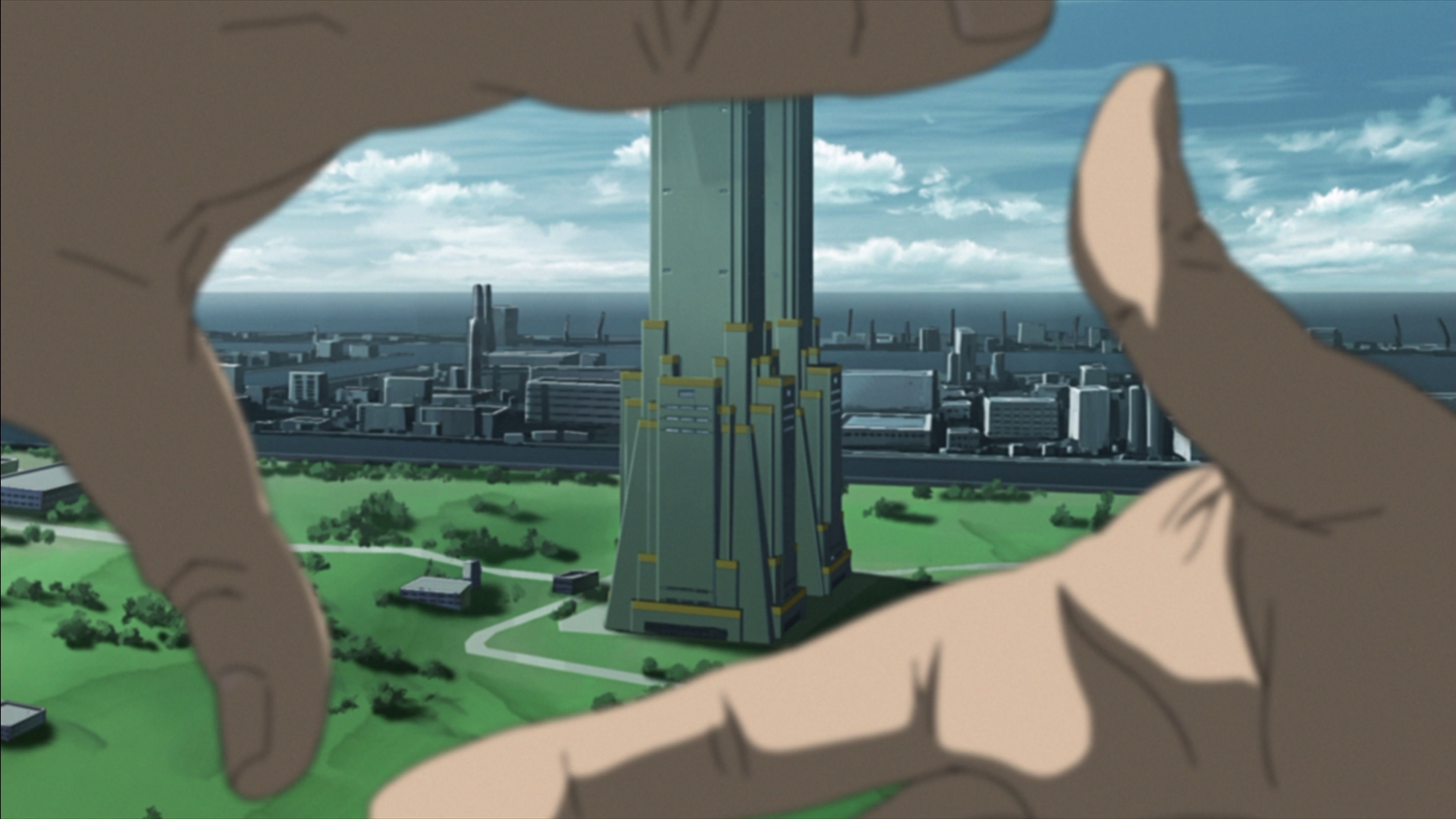
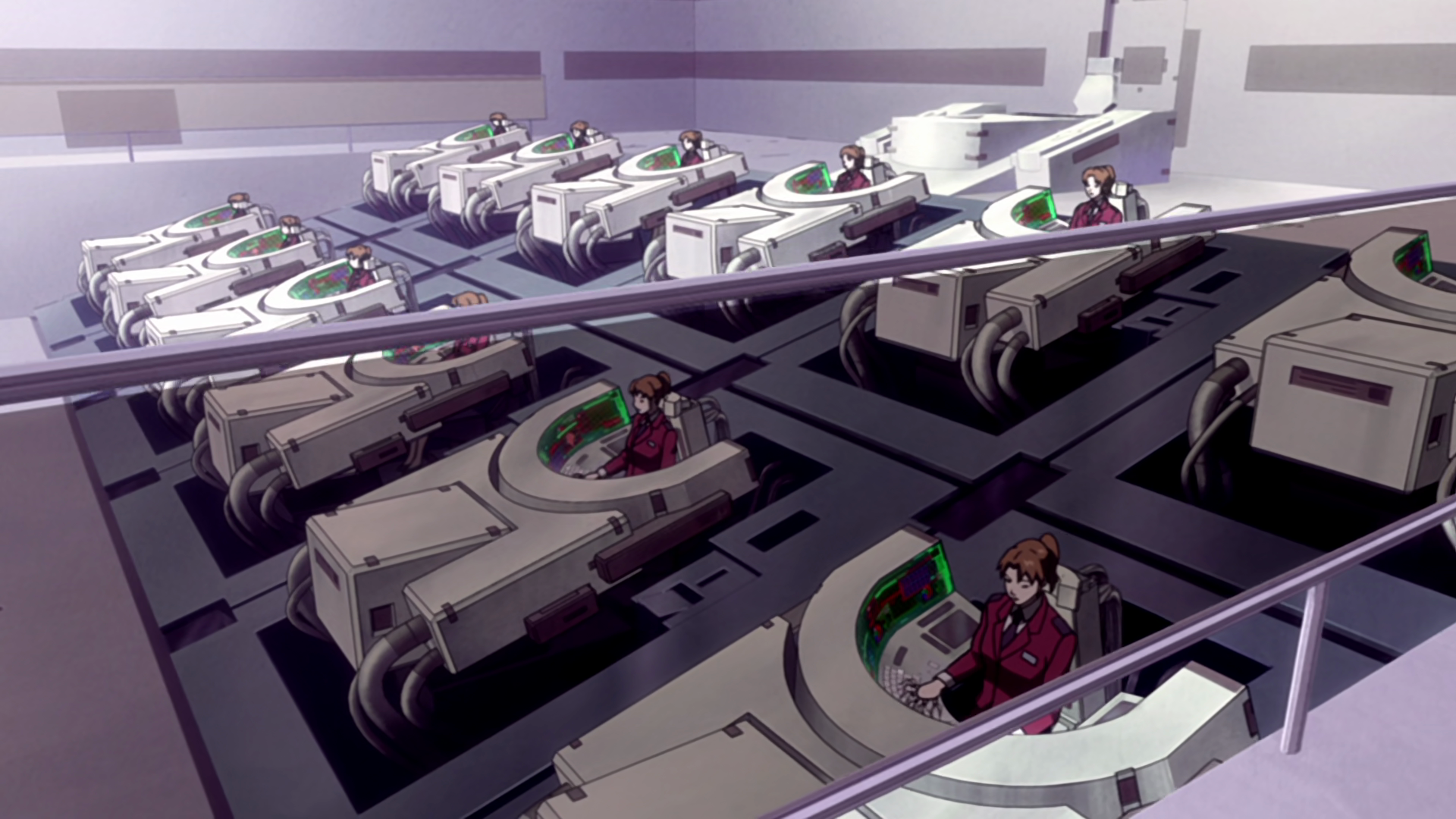
Essentially, it's a critique of societal control, but with a cyberpunk twist. The idea is that technology can be used not only to liberate us (as promised by so many tech evangelists), but also to subtly, almost invisibly, control us. It's about how systems can be put in place – algorithms, data tracking, social engineering – that can shape our behavior without us even realizing it. Spooky, huh?

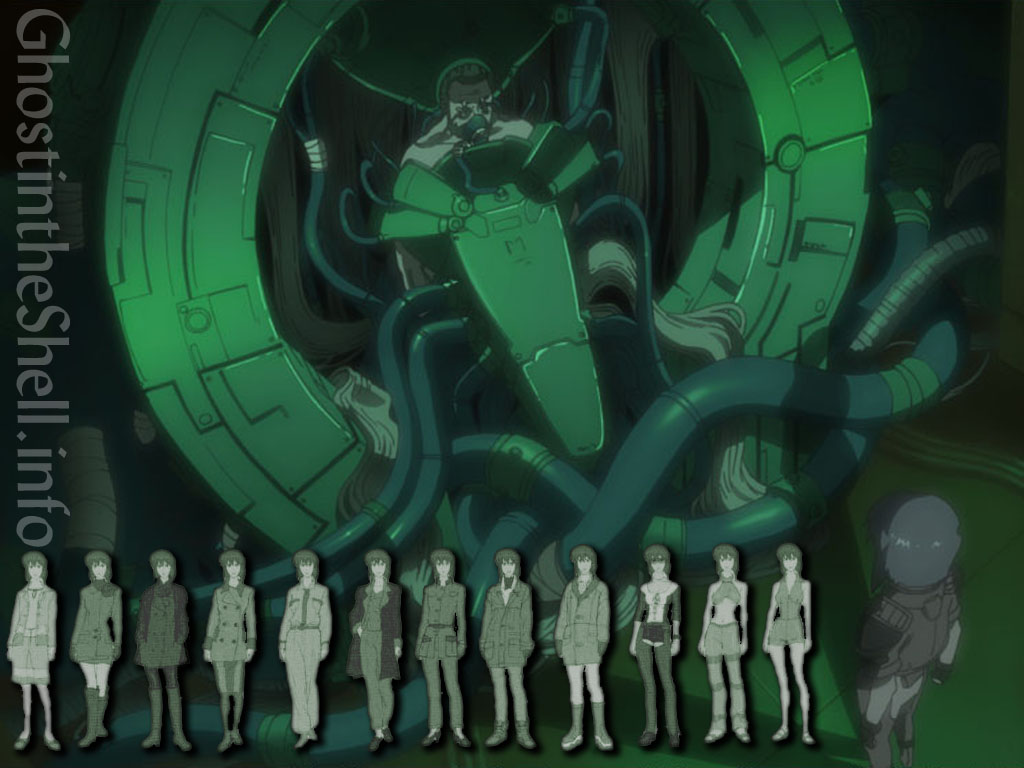
And the aging population plays a key role here. The film explores the challenges of caring for the elderly in a rapidly changing world and how that vulnerability can be exploited. Seriously, it gets surprisingly poignant for a cyberpunk anime. Grab some tissues!
Plus, there's the whole question of what it means to be human. Major Kusanagi is constantly grappling with her identity as a cyborg, questioning the boundaries between machine and soul. It's a classic Ghost in the Shell theme, but it's explored with even more nuance here. (And, in my opinion, a cooler haircut.)
Why Should You Watch It?
Look, Solid State Society isn't a breezy, action-packed romp. It's a thought-provoking, intellectually stimulating experience. It demands your attention, and it rewards careful viewing.
If you're a fan of cyberpunk, philosophy, or just plain good storytelling, then this is a must-watch. Just be prepared to do a little thinking! And maybe take some notes. (Seriously, I had to.) Trust me, it's worth the mental effort. You might even learn something about yourself and the world we live in. Or, at the very least, you'll have something interesting to talk about at your next anime convention.
So, what are you waiting for? Dive in! And don't say I didn't warn you about the existential dread!