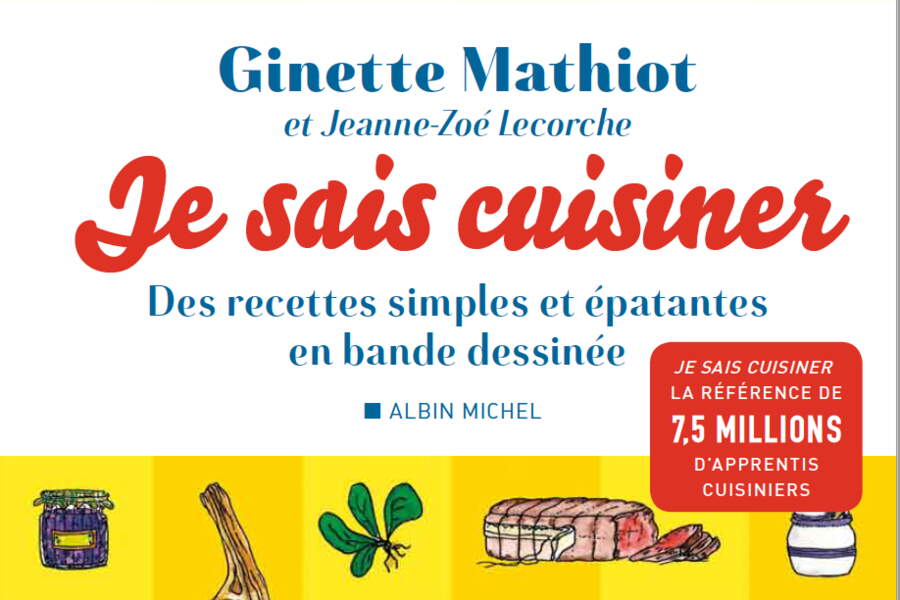
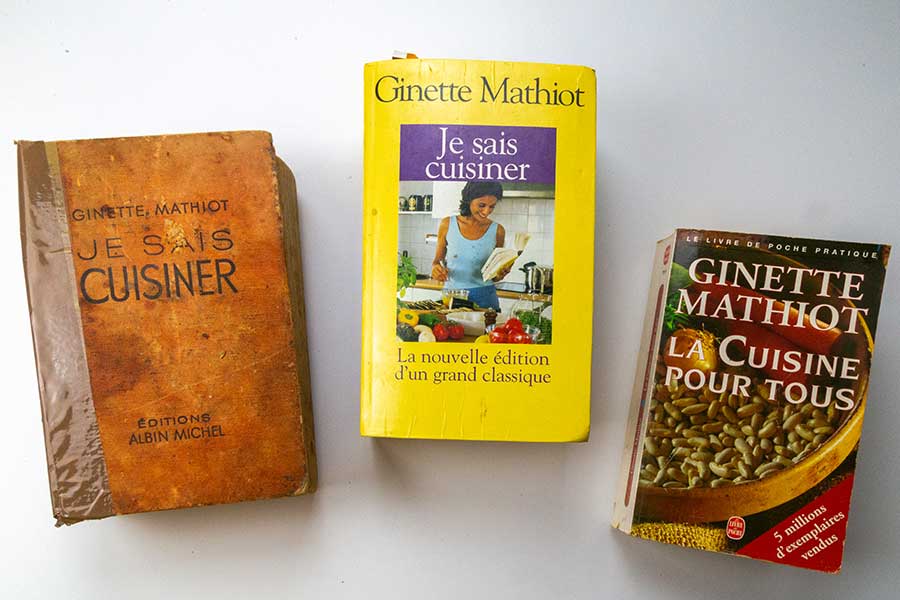
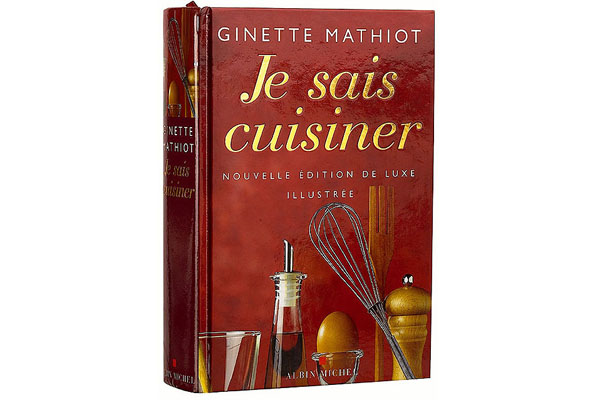
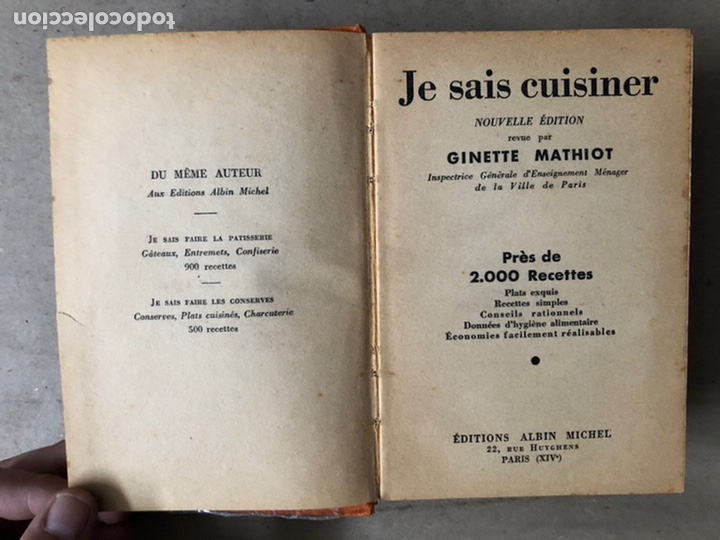
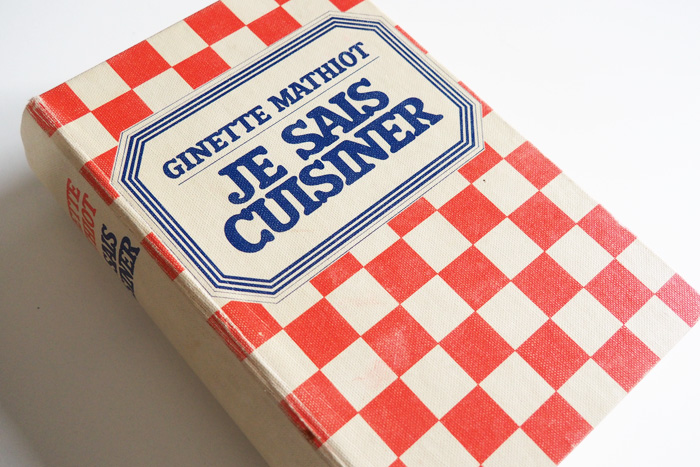
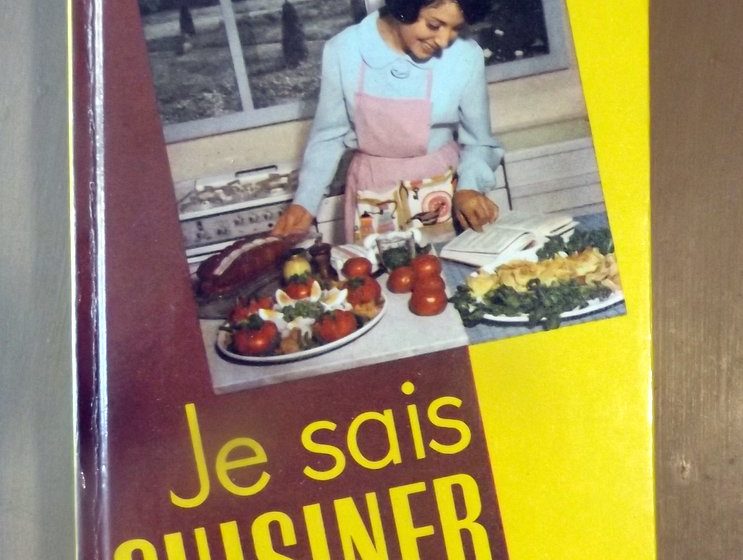
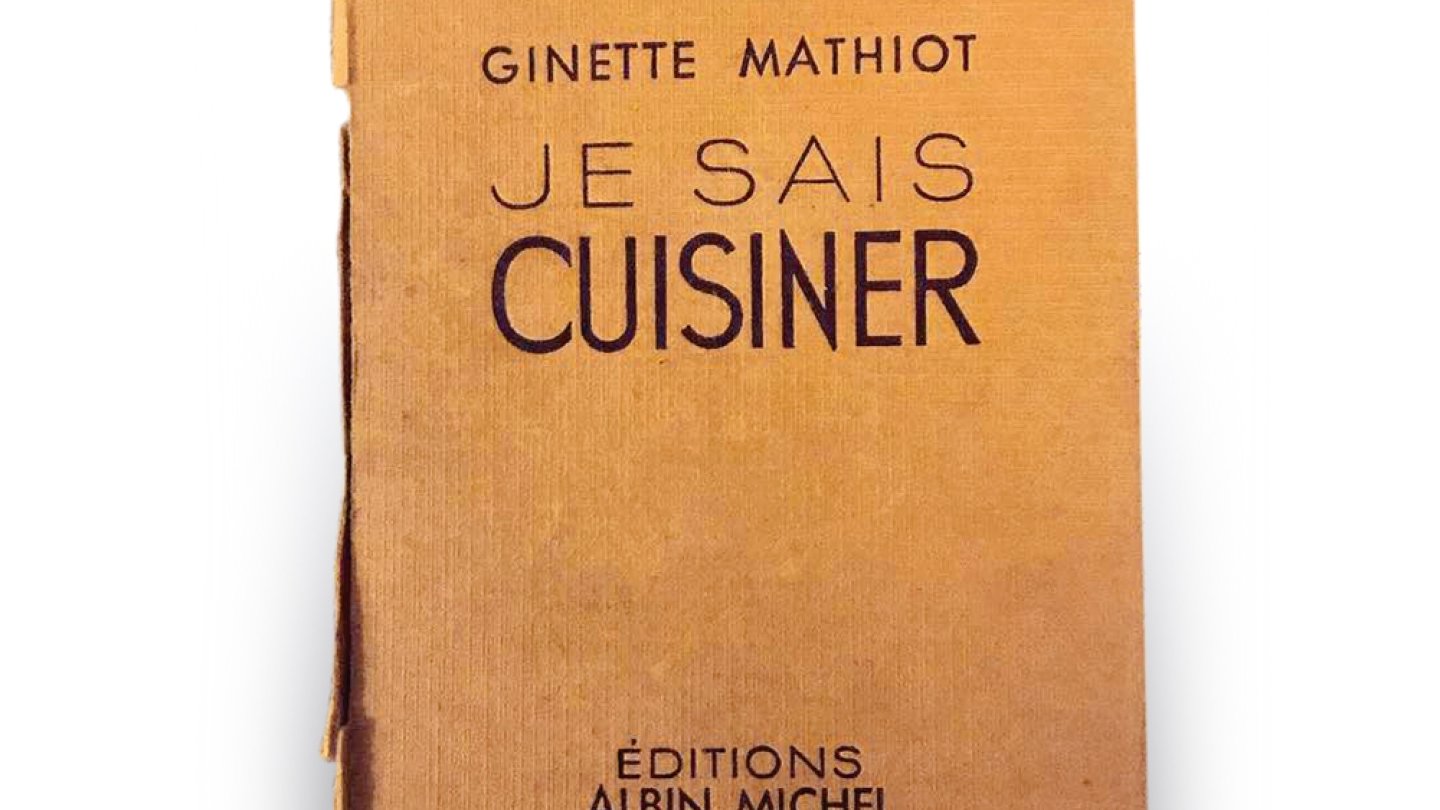
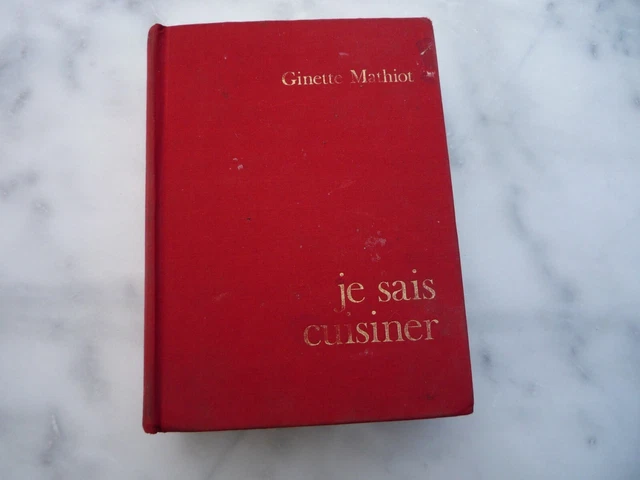
Ah, Je Sais Cuisiner. Just hearing the title conjures images of checkered tablecloths, steaming casseroles, and the comforting aroma of something delicious simmering on the stove. For generations of French cooks, Ginette Mathiot’s iconic cookbook has been more than just a collection of recipes; it’s a culinary bible, a trusted advisor, and a window into the heart of French home cooking.
A Culinary Cornerstone: Beyond the Recipes
First published in 1932, Je Sais Cuisiner (I Know How to Cook) isn't just a cookbook; it's a cultural artifact. Think of it as the French equivalent of The Joy of Cooking, but with a uniquely French sensibility. It’s comprehensive, practical, and reassuringly traditional. It assumes a baseline level of kitchen competence (or at least a willingness to learn!) and guides you through everything from basic sauces to elaborate family meals.
Mathiot's writing style is straightforward and unfussy. She doesn't waste words on elaborate descriptions or fancy techniques. Instead, she focuses on clear instructions, achievable results, and, most importantly, flavor. She's the aunt you always wanted, the one who could whip up a three-course meal with whatever was lurking in the fridge.
What sets Je Sais Cuisiner apart is its incredible breadth. It covers virtually every aspect of French cuisine, from the simplest omelets to the most intricate pastries. You'll find recipes for:
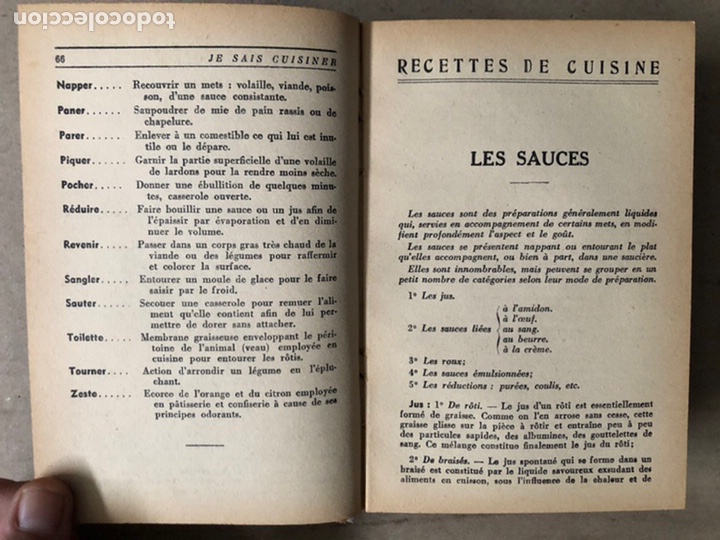
- Classic Sauces: Béchamel, Hollandaise, Tomato – the building blocks of French cuisine.
- Everyday Dishes: Pot-au-feu, Coq au vin, Soupe à l'oignon gratinée – comforting and hearty staples.
- Regional Specialties: Cassoulet from the southwest, Bouillabaisse from Provence, Crêpes from Brittany – a culinary tour of France.
- Baking & Pastry: From simple cakes to elaborate tarts and croissants, satisfying every sweet craving.
More Than Just Recipes: Tips and Tricks
Beyond the individual recipes, Je Sais Cuisiner is packed with invaluable tips and techniques. Mathiot shares her wisdom on everything from selecting the freshest ingredients to storing food properly and maximizing leftovers. It's like having a mini culinary school between the covers.
Here are a few gems you might discover:

- How to choose the best cuts of meat: Understanding the difference between a chuck roast and a sirloin steak.
- The art of deglazing a pan: Transforming those flavorful browned bits into a delicious sauce.
- Making the perfect vinaigrette: The secret to a balanced and vibrant salad dressing.
- Troubleshooting common cooking problems: Salvaging a curdled sauce or a burnt cake.
Mathiot also emphasizes the importance of seasonal eating, encouraging cooks to take advantage of the freshest produce available. This is a practice that has become increasingly popular in recent years, but it was a core principle of French home cooking long before it became a trend.
Je Sais Cuisiner in the Modern Kitchen
While Je Sais Cuisiner is undeniably rooted in tradition, its lessons remain relevant in the modern kitchen. In a world of fast food and processed ingredients, Mathiot's emphasis on fresh, seasonal food and simple, flavorful cooking is more important than ever.
Of course, some of the recipes may seem a bit daunting at first glance. They often require more time and effort than a quick weeknight meal. But the rewards are well worth it. Not only will you be enjoying delicious, home-cooked food, but you'll also be connecting with a culinary heritage that spans generations.
Think of it this way: Je Sais Cuisiner isn't about creating elaborate, restaurant-quality dishes every night. It's about building a foundation of culinary skills and knowledge that will empower you to cook with confidence and creativity. It's about understanding the fundamentals of French cuisine and using them to create your own delicious meals.
Adapting to Modern Life
No need to feel intimidated! Many recipes can be adapted to fit a busy lifestyle. For example:
- Prepare ingredients in advance: Chop vegetables, marinate meat, or make sauces ahead of time.
- Use shortcuts when necessary: Pre-made puff pastry can be a lifesaver for tarts and pies.
- Don't be afraid to experiment: Substitute ingredients based on what you have on hand or what's in season.
The most important thing is to have fun and embrace the learning process. Cooking should be enjoyable, not a chore. And with Je Sais Cuisiner as your guide, you'll be well on your way to mastering the art of French home cooking.
A Taste of France: Cultural Connections
Je Sais Cuisiner isn't just a cookbook; it's a window into French culture. It reflects the French appreciation for good food, conviviality, and the importance of sharing meals with family and friends. It’s about savoring the simple pleasures of life and taking the time to appreciate the art of cooking.
Did you know, for example, that many traditional French recipes are designed to be cooked in large quantities and shared with others? Dishes like pot-au-feu and cassoulet are perfect for gatherings, and they often taste even better the next day.
Or consider the French obsession with bread. A crusty baguette is an essential accompaniment to almost every meal, and it's used for everything from sopping up sauces to making sandwiches. The quality of the bread is a matter of national pride, and bakeries compete fiercely to produce the best loaves.

More Than Just Food: A Legacy
Ginette Mathiot passed away in 1998, but her legacy lives on through Je Sais Cuisiner. The book has been translated into numerous languages and continues to inspire cooks around the world. It’s a testament to the enduring power of good food and the timeless appeal of French cuisine.
It remains a cherished resource for home cooks in France, passed down from generation to generation. Many French families have a well-worn copy of Je Sais Cuisiner, complete with handwritten notes and splattered pages, a tangible symbol of their family's culinary history.
In a world of fleeting trends and culinary fads, Je Sais Cuisiner stands as a timeless classic, a reminder of the enduring power of good food and the simple pleasures of home cooking. It’s a cookbook that deserves a place on every cook's bookshelf, a culinary treasure to be cherished for years to come.
A Final Thought
So, what can we learn from Ginette Mathiot and Je Sais Cuisiner? Perhaps it's the value of slowing down, of taking the time to prepare a meal with care and attention, of sharing that meal with loved ones, and of appreciating the simple pleasures of life. In our fast-paced world, these are lessons worth remembering. Because, ultimately, cooking is about more than just food; it’s about connection, tradition, and the joy of creating something delicious.