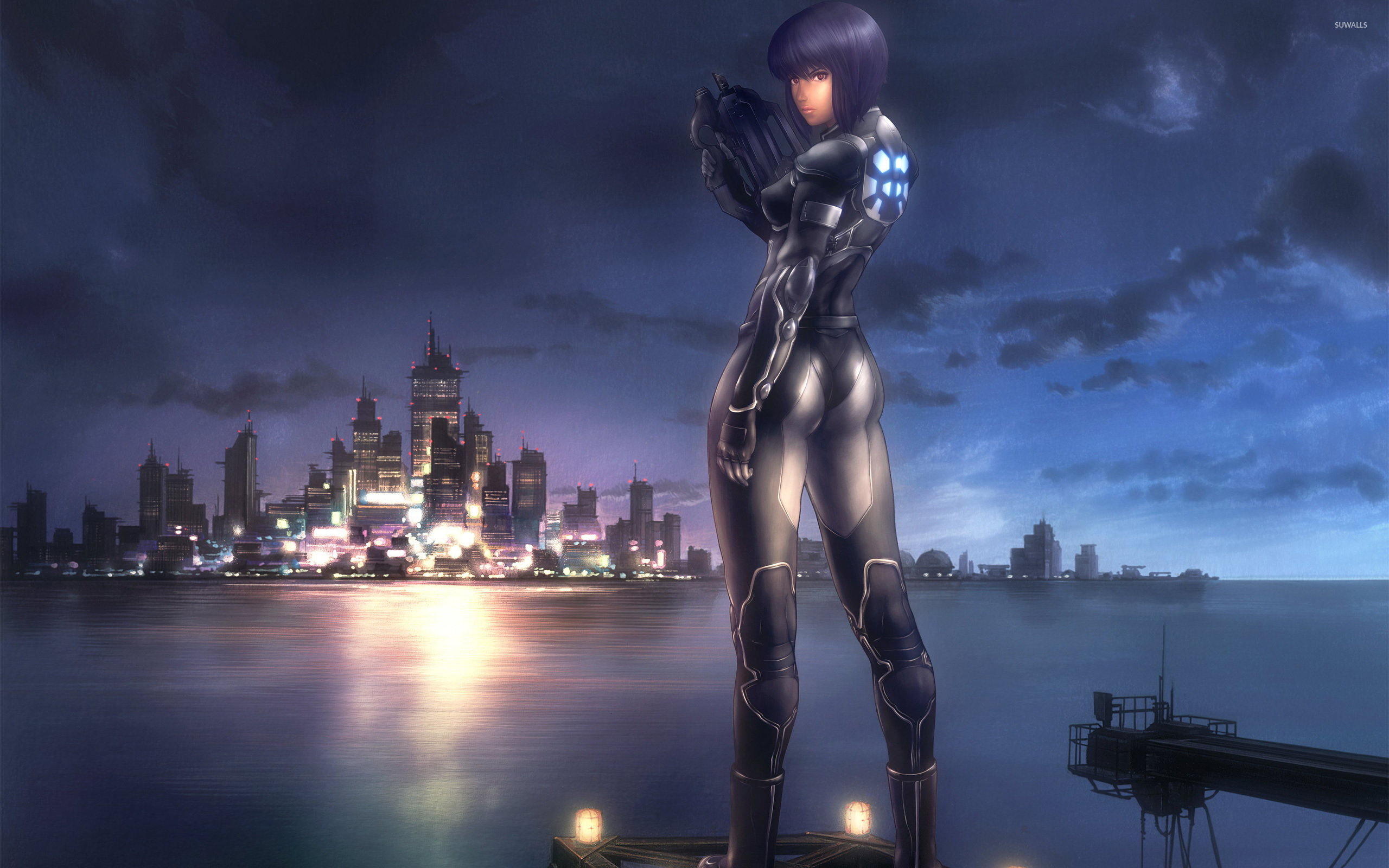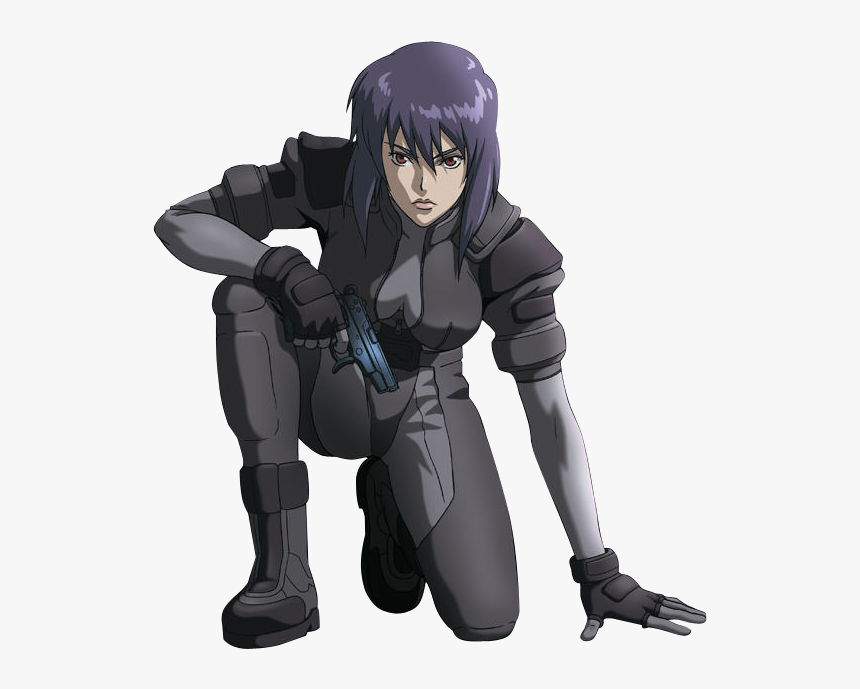
Okay, imagine this: you're scrolling through Netflix, completely indecisive (sound familiar? 😉). Suddenly, BAM! A cyberpunk anime with a super cool name and even cooler visuals pops up: Ghost in the Shell. And then, you see her. Major Motoko Kusanagi, leaping off buildings, hacking systems, and generally being a total badass. I mean, seriously, who is this woman?
That's the rabbit hole I fell down years ago, and trust me, it's a fascinating one. Because Motoko Kusanagi isn't just a cool anime character, she's a philosophical question wrapped in a cyborg body. She's a powerhouse, a leader, and she makes you think about what it really means to be human.
The Body and the Ghost
The central theme of Ghost in the Shell is, unsurprisingly, the relationship between the body and the soul, or as they call it in the series, the "ghost." Motoko is almost entirely cybernetic; her brain is basically the only organic part left. So, naturally, she starts asking herself: am I still me? Does my consciousness reside in this synthetic body, or am I just mimicking humanity?
It’s a heavy question, right? Especially when you consider how much of our identity is tied to our physical forms. Think about it – your memories, your experiences, all filtered through the senses of your body. What happens when that body is replaced, piece by piece? Does your “ghost” remain intact?
This isn't just sci-fi navel-gazing, though! This is a very relevant question in our world, even today. We're already augmenting ourselves with technology. Pacemakers, prosthetics, even things like glasses and contact lenses. As technology advances, and as we integrate it further into our bodies, these questions will only become more pressing.

More Than Just a Badass
Yes, Motoko is an incredible fighter, a brilliant hacker, and a tactical genius. She can take down entire armies single-handedly (or, you know, single-cyborg-arm-edly). But to reduce her to just her abilities would be a huge disservice. She's constantly grappling with her identity, her purpose, and her place in the world. She's searching for something more.
She questions authority, challenges assumptions, and refuses to accept simple answers. She's constantly evolving, both physically and mentally. She's not afraid to experiment, to take risks, and to push the boundaries of what's possible. That's what makes her such a compelling character.

A Timeless Icon
Ghost in the Shell was first published as a manga in 1989, and the anime film came out in 1995. And yet, here we are, decades later, still talking about Motoko Kusanagi. Why? Because the themes she explores are timeless. The anxiety about technology, the search for identity, the struggle to find meaning in a chaotic world - these are all things that resonate with us, regardless of the year.
So, next time you're looking for something to watch (and you’re probably on Netflix AGAIN!), give Ghost in the Shell a try. You might be surprised by how much it makes you think. And who knows, maybe you'll even start questioning your own "ghost." Just be careful; once you start down the Kusanagi rabbit hole, there's no turning back! 😉