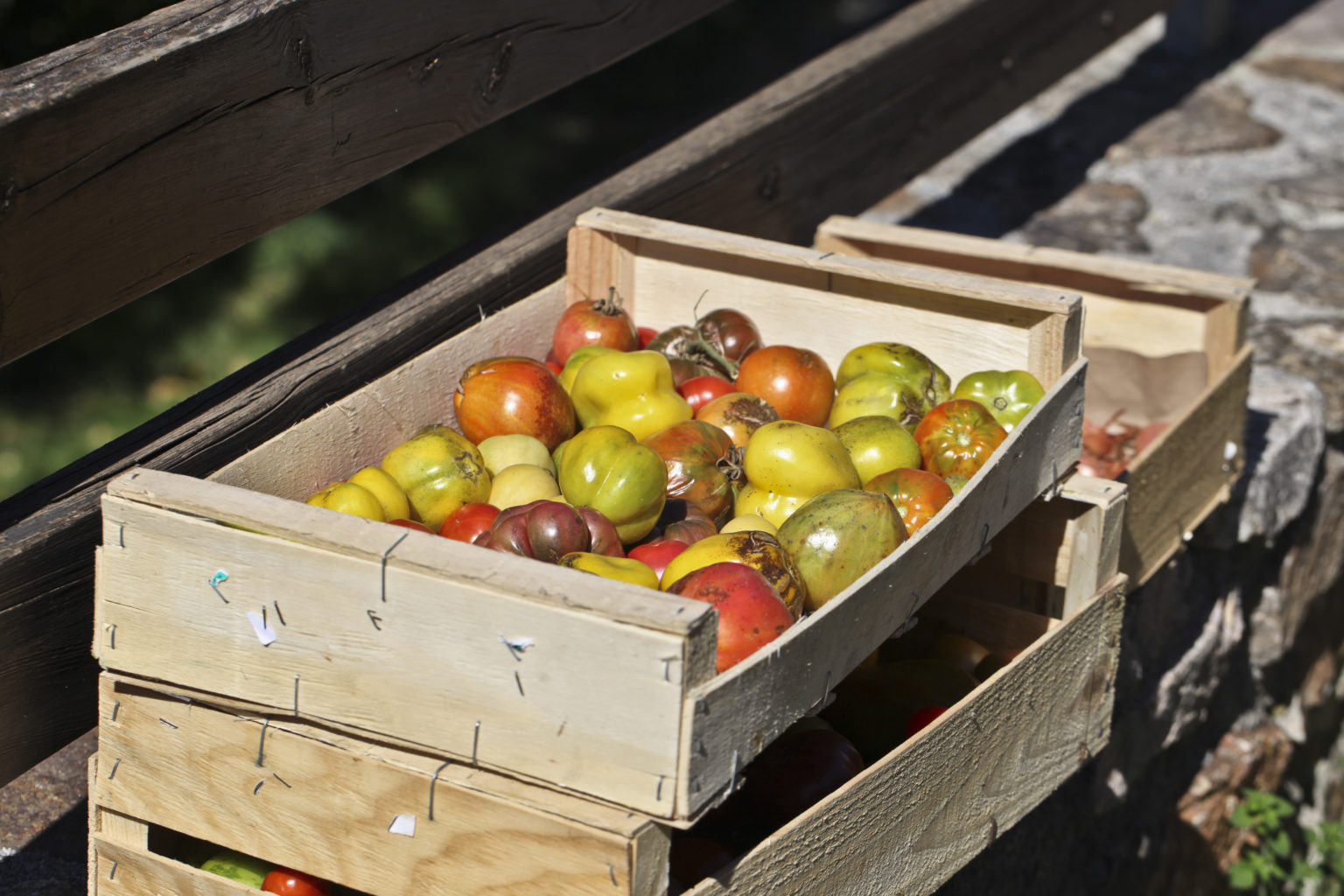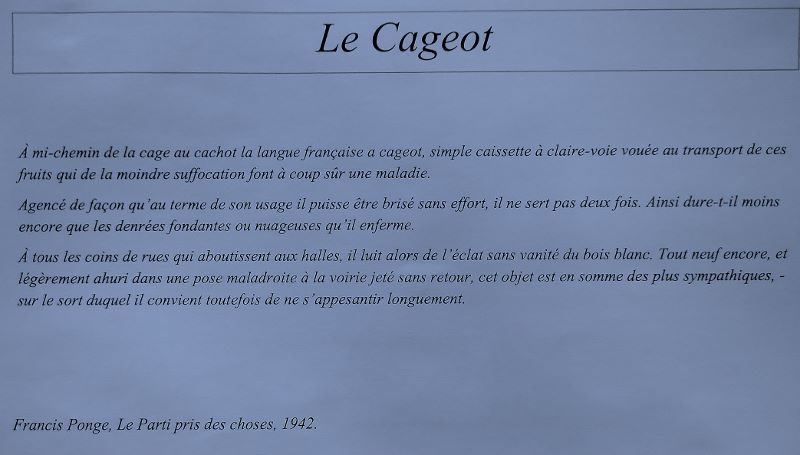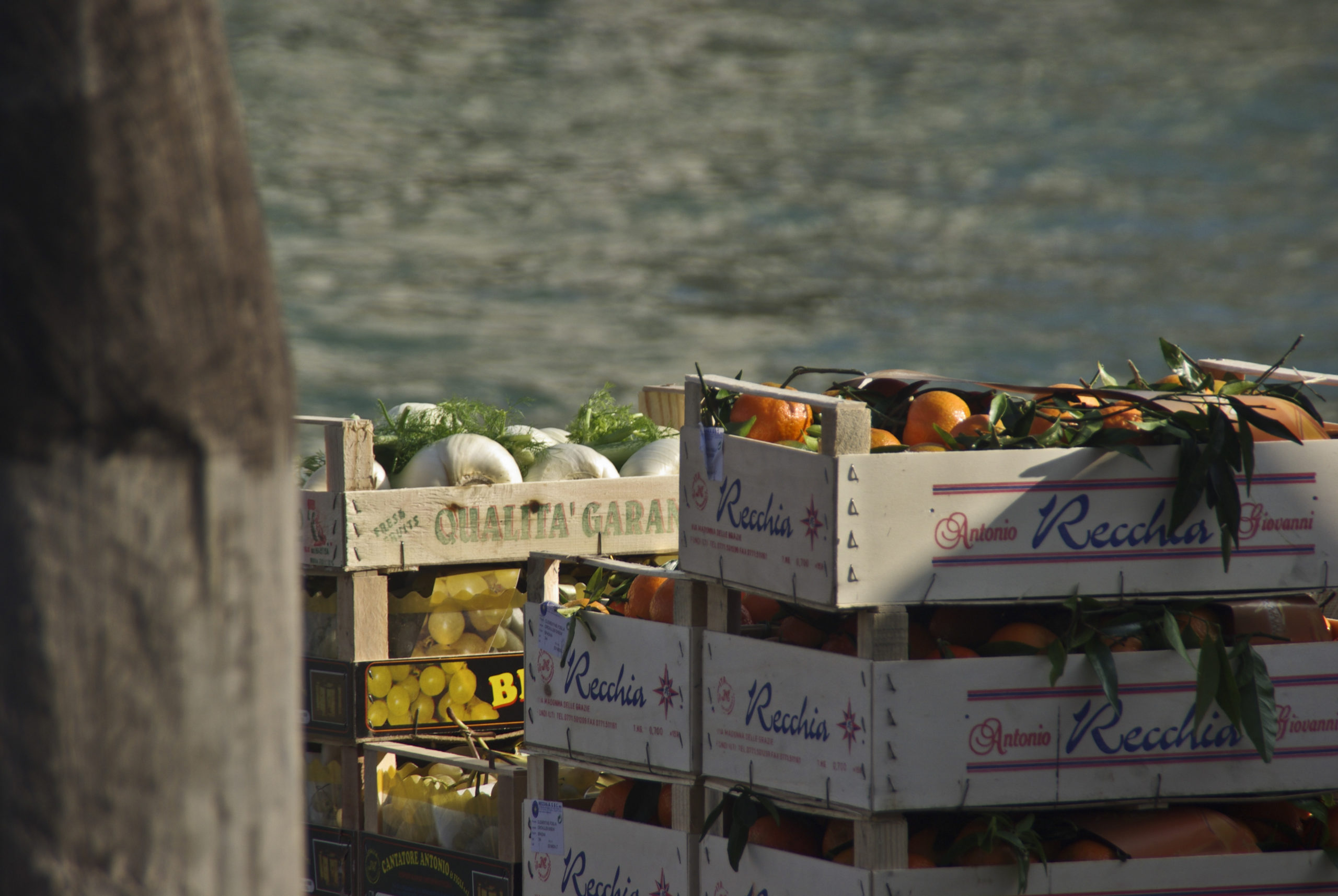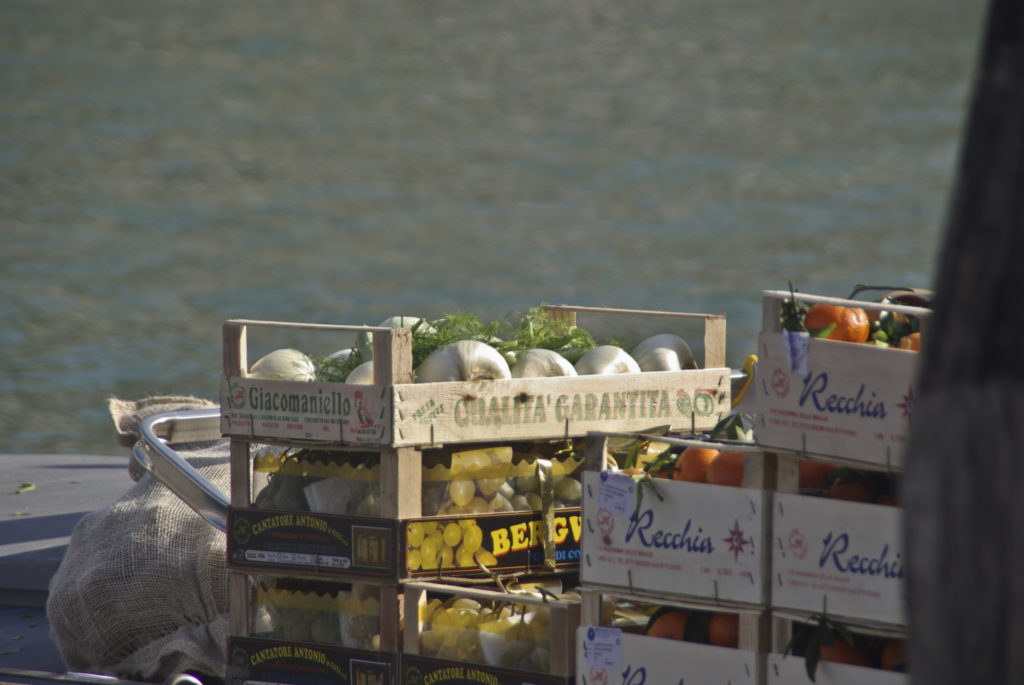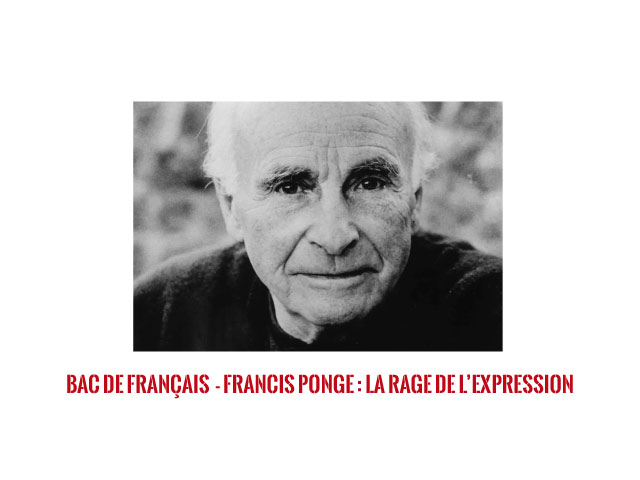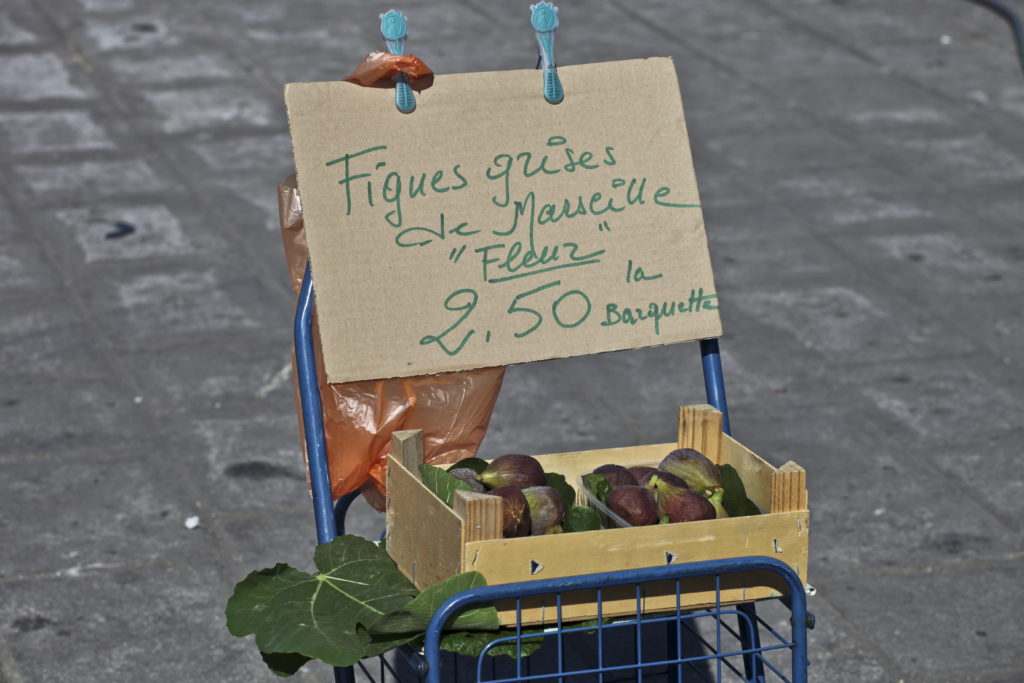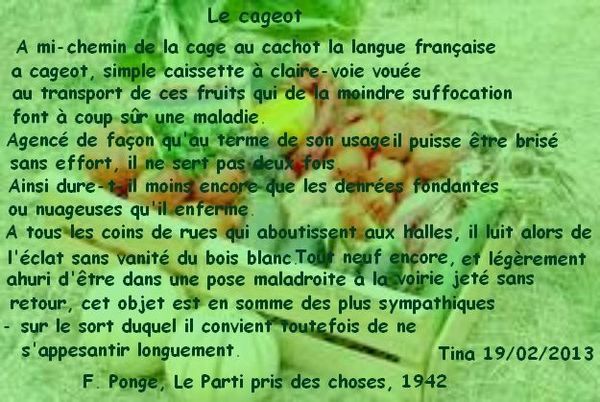
Okay, so picture this: me, in a dusty secondhand bookstore in Paris, trying to impress a girl who, let's just say, had opinions about poetry. She’s flipping through a collection of Baudelaire, looking impossibly cool, and I’m desperately trying to seem equally sophisticated. I randomly grab a little volume, all worn edges and yellowed pages, by someone I’d never heard of: Francis Ponge. I opened it, and the first thing I saw was this thing called "Le Cageot." A crate. Seriously? I thought, "Great, I'm about to read a poem about a freaking wooden box. This is going to be a romantic disaster." Little did I know…
That little poem, that seemingly insignificant exploration of a discarded crate, completely blew my mind. It wasn't just about a crate. It was about seeing the world differently, about finding beauty and meaning in the mundane, about language itself becoming a work of art. And, hey, it even impressed the girl… eventually. But that’s a story for another time. Let's talk about Le Cageot.
What's the deal with this crate anyway?
So, you might be thinking: a poem about a crate? What’s so special about that? Well, Ponge wasn't just describing a piece of wood. He was deconstructing it, examining it from every possible angle, playing with language to reveal its essence. Forget flowery metaphors and grand pronouncements about love and death. This is down-to-earth poetry about, well, earth. And wood. But in the best way possible.
Think of it as Ponge giving the humble crate its moment in the spotlight. He elevates it, makes us see it with fresh eyes. He reminds us that even the most ordinary objects have a story to tell, a hidden beauty waiting to be uncovered.
And let’s be real, who really thinks about a crate? We use them, discard them, maybe stub our toes on them. Ponge forces us to confront this everyday object and consider its significance. He's basically the Marie Kondo of poetry, but instead of asking "Does it spark joy?", he's asking "Does it spark contemplation?".

Key Features of Ponge's Cageot:
- Focus on the Object: Ponge’s work is all about l'objet, the object. He’s not interested in personal feelings or abstract ideas. He’s interested in the thing itself. Think of it as a hyper-realistic painting, but with words.
- Descriptive Language: The poem is packed with precise, vivid descriptions. He uses language like a scalpel, dissecting the crate and revealing its inner workings. He focuses on the textures, the shapes, the smells, the everything that makes a crate a crate.
- Playful Wordplay: Ponge was a master of wordplay. He uses puns, alliterations, and other linguistic tricks to create a sense of delight and surprise. He’s not just describing a crate, he’s having fun with the language itself. This isn’t your grandma’s poetry. (No offense to your grandma!)
- Deconstruction of Language: He challenges the conventional ways of using language. He subverts expectations, forces us to think about the relationship between words and things. It’s like he’s saying, "Hey, language isn't just a tool for describing the world, it's a tool for creating it!"
"Le Cageot": A Closer Look
Okay, let's dig into the poem itself (assuming you've got a copy handy, or can find it online – Google is your friend!). Ponge doesn't just say "This is a crate." He explores its function, its form, its history (imagined or otherwise). He talks about its rough edges, its splintered wood, the way it smells of sawdust and fruit. He makes it come alive.
He meticulously describes the crate's imperfections, the things that others might overlook. It's these imperfections, these flaws, that make it unique, that give it character. It’s like Ponge is saying that beauty isn’t about perfection, it’s about authenticity. And maybe he’s even applying that philosophy to himself, refusing to write traditionally “beautiful” poetry.
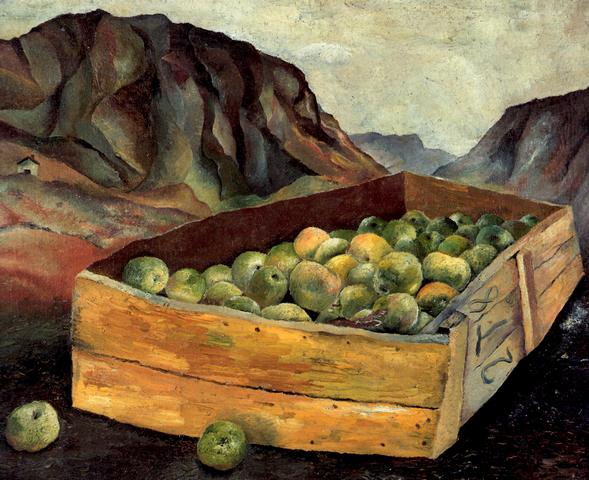
And here's a fun fact: some critics see Le Cageot as a metaphor for poetry itself. The crate, like a poem, is a container for ideas, a structure that holds meaning. It's a way of framing the world, of giving it shape and form. Deep, right?
Furthermore, the crate is something that’s both functional and, in its own way, beautiful. It serves a purpose – transporting goods – but it also has a certain aesthetic appeal. Similarly, Ponge’s poetry is both intellectually stimulating and aesthetically pleasing. It challenges our minds while also delighting our senses.
Why should you care about a poem about a crate?
Good question! Why bother with a poem about something as seemingly insignificant as a crate? Well, because it teaches us to see the world differently. It encourages us to appreciate the beauty in the mundane, to find meaning in the ordinary. It reminds us that everything has a story to tell, if we just take the time to listen.

Ponge's work is a reminder that poetry doesn't have to be about grand emotions or epic adventures. It can be about the simplest things in life, as long as you approach them with curiosity and an open mind. It's a call to pay attention, to observe, to appreciate the world around us, even (and especially) the parts we usually ignore.
And let’s be honest, in a world obsessed with the shiny and new, it’s refreshing to encounter a poem that celebrates the humble and discarded. It’s a reminder that value can be found in the most unexpected places.
Plus, reading Ponge can actually make you a better writer. By studying his techniques – his precise language, his playful wordplay, his focus on the object – you can learn to write more vividly, more creatively, more authentically. You might even be inspired to write your own poem about a… toaster? A paperclip? The possibilities are endless! (And potentially hilarious.)
So, take a chance on "Le Cageot"!
Don't be intimidated by the fact that it's French (if you don’t speak French, translations abound!). Don't be put off by the fact that it's about a crate. Just approach it with an open mind and a willingness to be surprised. You might just discover a whole new way of seeing the world, and a newfound appreciation for the humble beauty of a wooden box. Who knows, maybe you'll even impress a girl (or a boy) with your newfound poetic sensibilities. Just don’t tell them I sent you.
In conclusion, Francis Ponge's Le Cageot is far more than just a poem about a crate. It's a meditation on language, perception, and the beauty of the everyday. It's a reminder that even the most ordinary objects can be extraordinary, if we just take the time to look closely. So go forth, read Ponge, and see the world with new eyes! And maybe, just maybe, you'll start seeing the poetry in everything around you.