Okay, imagine this: I'm scrambling to send an email, deadline looming, and I realize I have to address someone super important. Think procureur de la République – the public prosecutor! My brain completely freezes. What on earth do I write? "Cher Monsieur"? "Bonjour"? It felt... insufficient. That's when I dove headfirst into the wonderfully weird world of formules de politesse. You know, those formal greetings and closings that can either make you sound incredibly sophisticated or hopelessly outdated.
So, what are these mysterious phrases when writing to a public prosecutor? Let's break it down. Think of it as a little decoding project.
Why Bother with the Formalities?
Seriously, why? In a world of emojis and instant messaging, does anyone really care about flowery language? Well, in France (and especially when dealing with the justice system), yes, they do. It's about showing respect for the office and the person holding it. It also ensures your letter gets taken seriously. Imagine sending a casual "Yo, Procureur!" - probably not the best way to start a request, right? (Don't actually do that, by the way.)
The Opening Salutations: First Impressions Matter
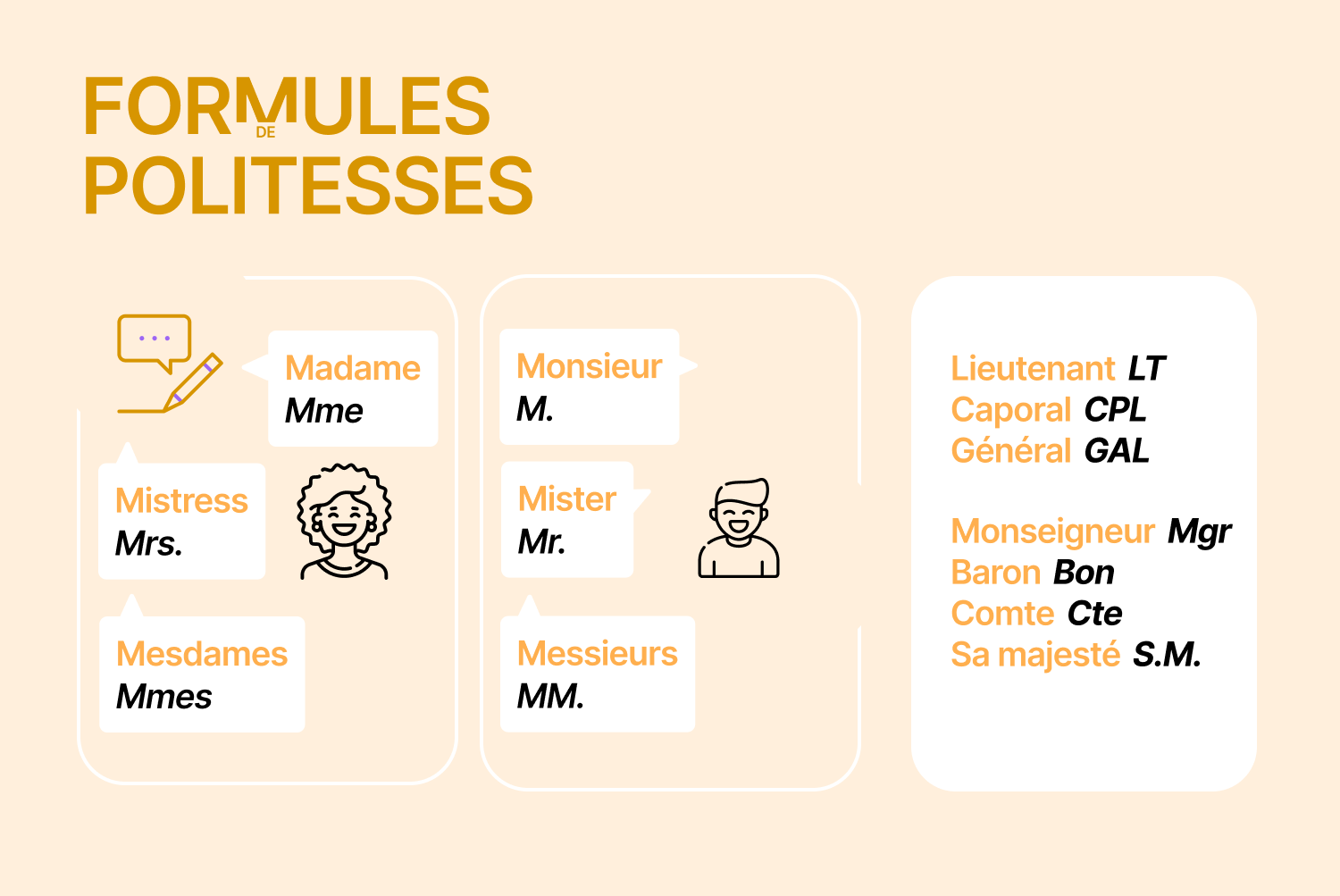
Here's where things get interesting. You've got options, but they're not all created equal. Some common choices include:
- Monsieur le Procureur,: This is a solid, safe option. Direct, respectful, and unlikely to offend. Think of it as your default setting.
- Monsieur le Procureur de la République,: More formal, specifies their role. Use if you want to be extra precise (or if you're feeling particularly fancy).
- Madame le Procureur, (if applicable): Obviously, if you know the prosecutor is a woman, use this! But remember, even in French, some roles remain traditionally masculine, so double check!
Avoid overly familiar greetings. "Cher Monsieur" might work for your neighbor, but not for a procureur. Unless you're, like, best buds (which, let's be honest, you probably aren't if you're Googling this).

The Closing Remarks: Leaving a Good Impression
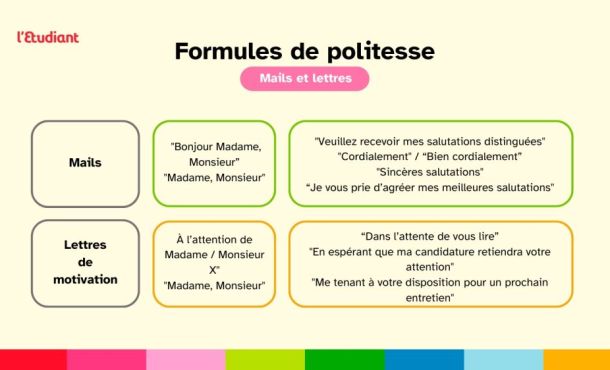
This is where you seal the deal. You've stated your case (politely, of course!), now you need to wrap it up with some suitably formal closing. Some examples include:
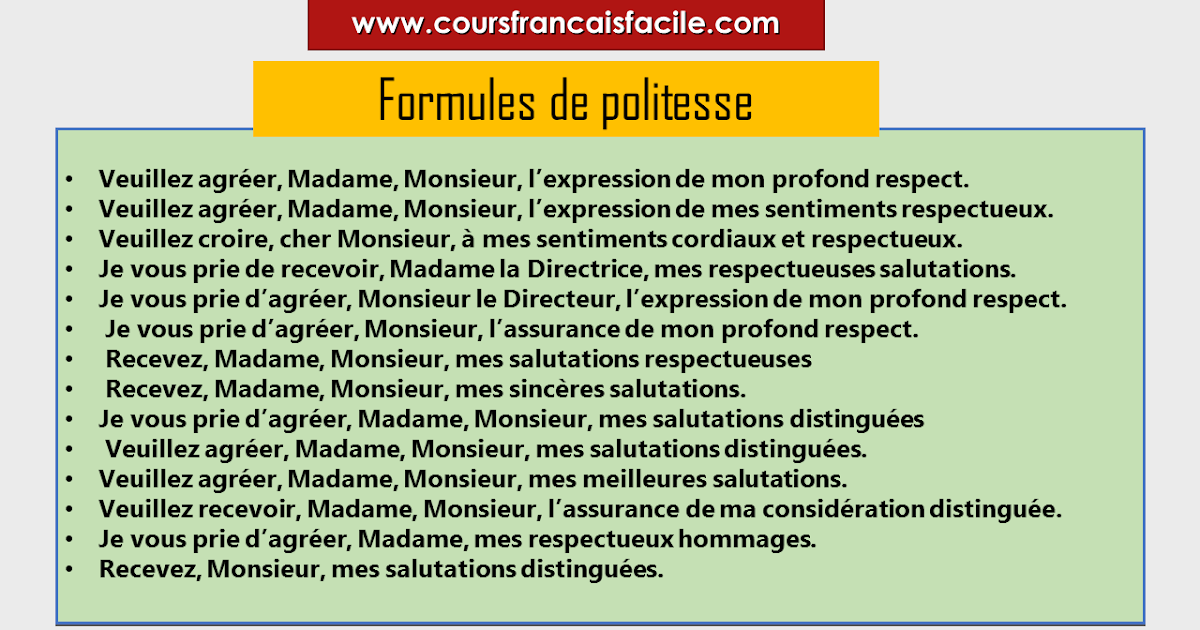
- Je vous prie d'agréer, Monsieur le Procureur, l'expression de ma considération distinguée.: This is a classic! It translates roughly to "Please accept, Mr. Prosecutor, the expression of my distinguished consideration." Long, yes, but effective. A bit like the French equivalent of "Yours sincerely... but more."
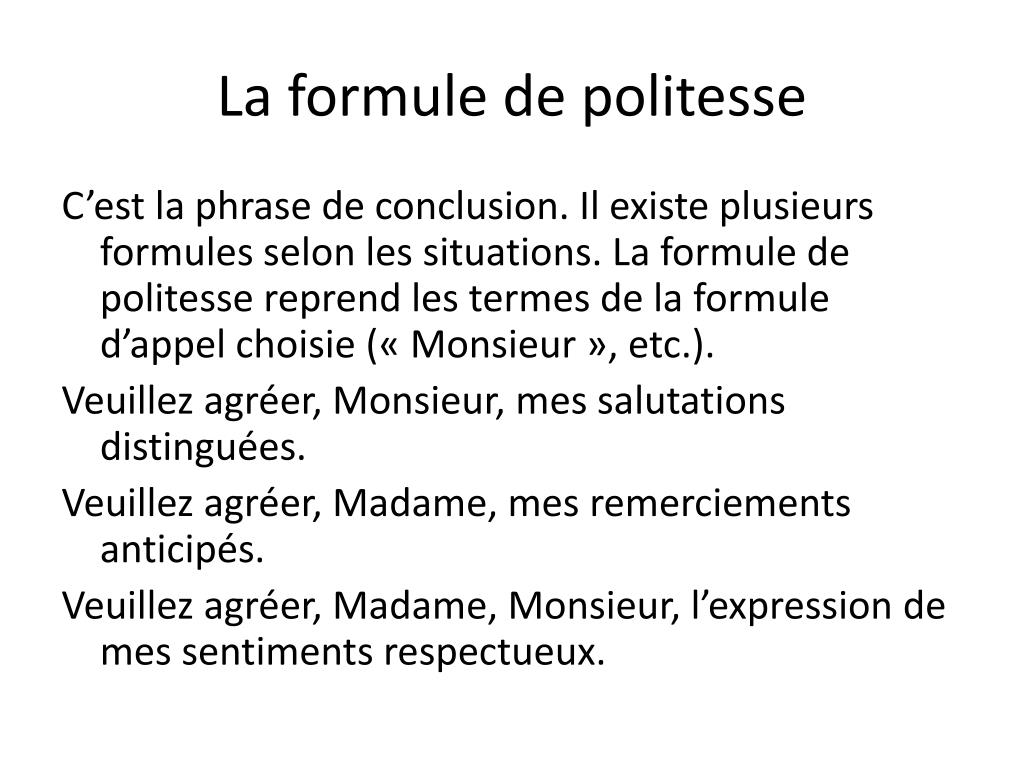
- Veuillez agréer, Monsieur le Procureur, l'expression de mes salutations distinguées.: A slightly lighter version, still perfectly appropriate.
- Dans l'attente de votre réponse, je vous prie d'agréer, Monsieur le Procureur, l'expression de mes sentiments les meilleurs.: Use this if you're expecting a response. It adds a touch of anticipation.
Important Note: The "Je vous prie d'agréer..." part is pretty much mandatory. Don't skip it! It's the key to the whole formula.

And remember, consistency is key. If you started with "Monsieur le Procureur," stick with a formal closing. Don't mix and match! (Unless you want to cause a grammatical apocalypse, which, again, I wouldn't recommend.)
Final Thoughts: Don't Overthink It (Too Much!)
Look, it can feel a little overwhelming. But the main thing is to be respectful and consistent. If you're unsure, stick with the safer options. A well-chosen formule de politesse can go a long way in making a positive impression. Good luck with your correspondence!