Okay, imagine this: you're at a farmer's market. Bright, sunny day. You spot the juiciest looking strawberries you've ever seen. You hand over a five-euro bill, and the farmer gives you a punnet bursting with red goodness. Simple, right? But underneath that simple transaction lies the magic – or at least, the mechanics – of flux réel and flux monétaire. You didn't think you were participating in macroeconomics while buying fruit, did you?
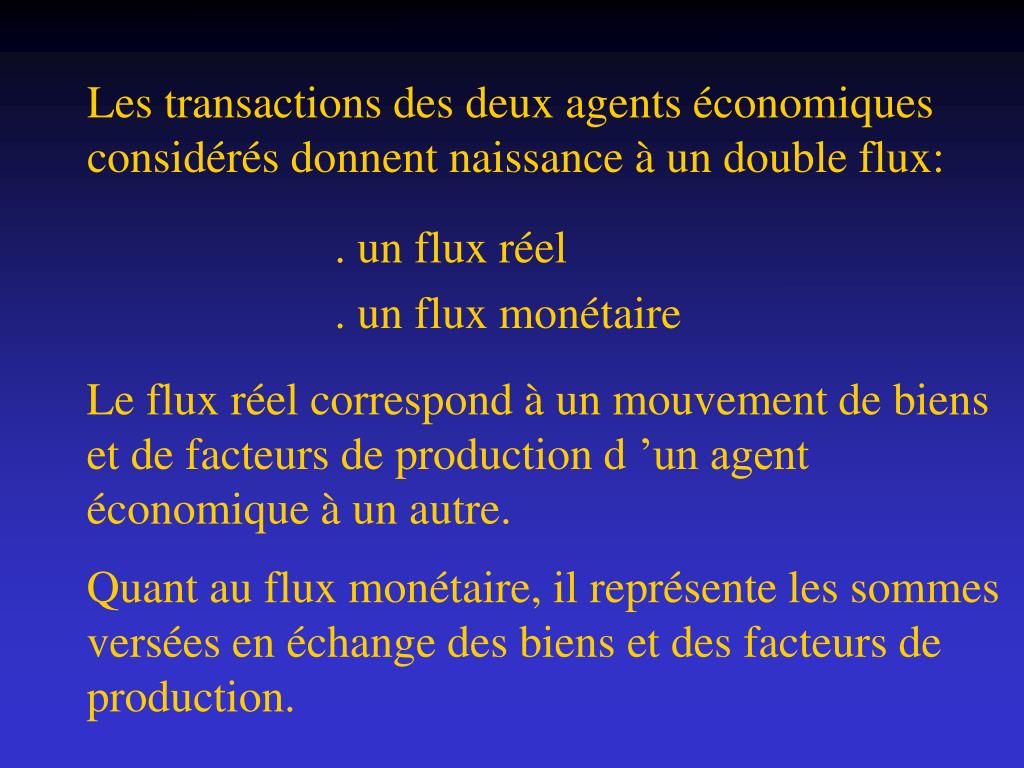
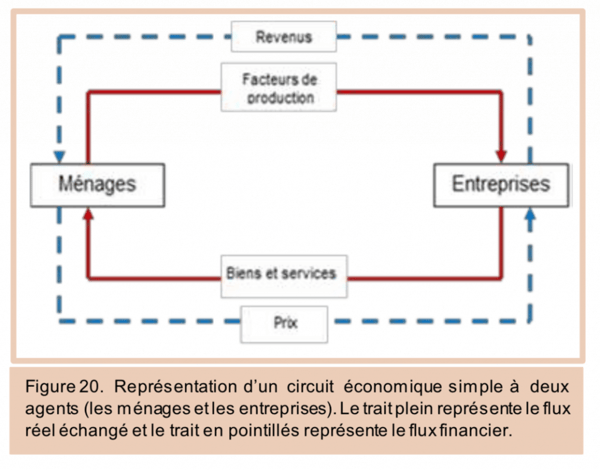
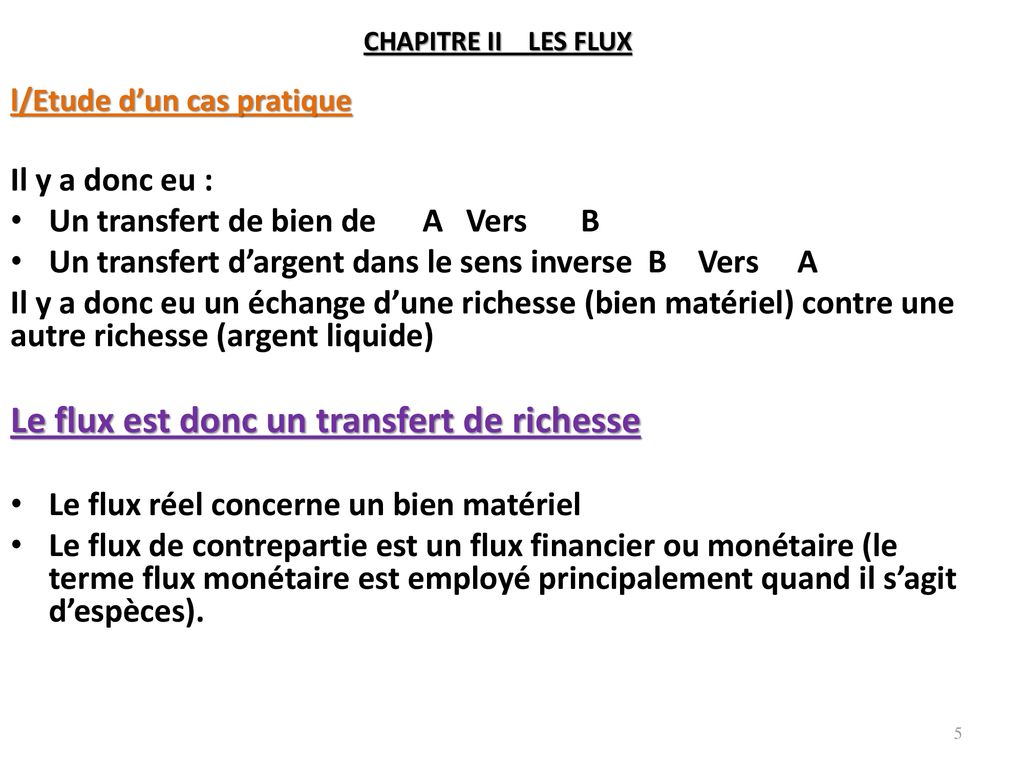
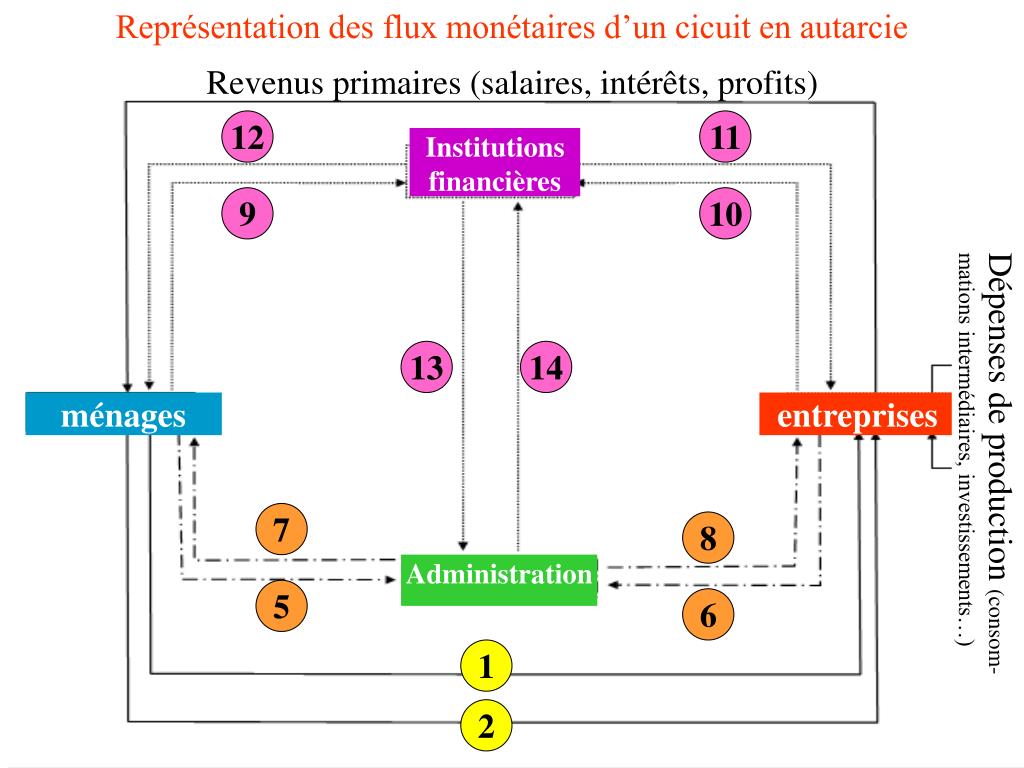
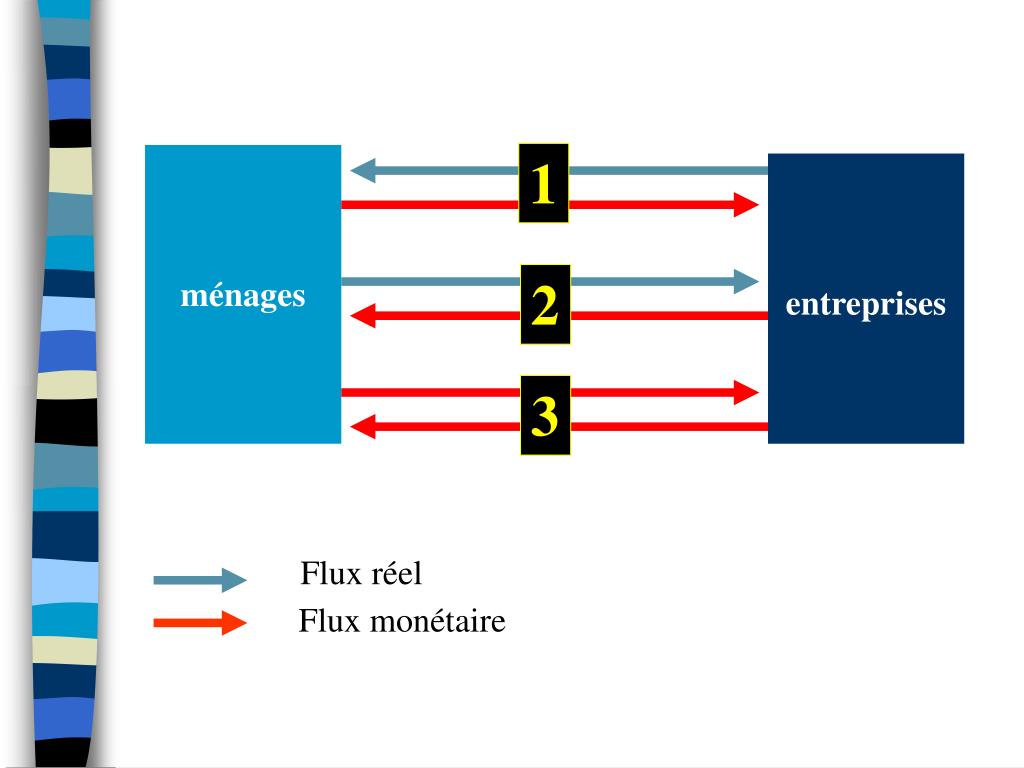
That farmer’s market exchange perfectly illustrates what we’re going to talk about today. Think of it as the two-step tango of the economy. One step: the physical exchange of goods or services. The other step: the corresponding flow of money.
What exactly are Flux Réel and Flux Monétaire?
Let's break it down, because jargon can be a pain. I mean, who needs more complicated words when "stuff" and "money" pretty much cover it?
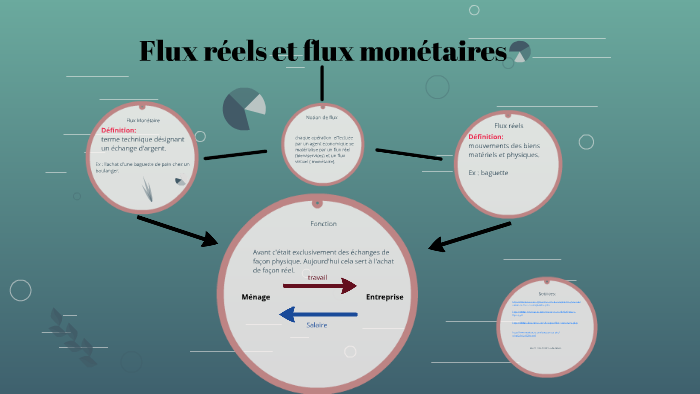
Flux Réel (Real Flow)
This is the tangible stuff. The actual goods and services being exchanged. In our farmer’s market example, the strawberries are the flux réel. A haircut? Flux réel. That fancy new coffee machine you just bought? Yup, flux réel. Think of it as the real deal. The physical thing or delivered service.
Basically, it’s anything that satisfies a need or want. From the bread we eat to the medical care we receive.
- Goods: Cars, clothes, food, furniture... you name it.
- Services: Haircuts, legal advice, medical consultations, cleaning services... anything someone does for you.
- Resources: Raw materials like wood, minerals, and even labor are also part of the flux réel.
See? Not so scary. It’s just a fancy way of saying "the stuff we buy and sell."
Flux Monétaire (Monetary Flow)
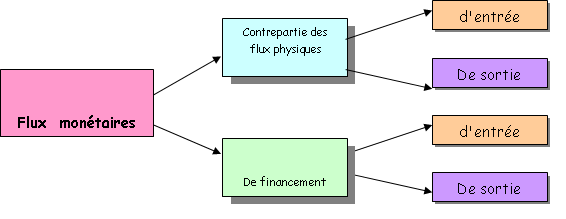
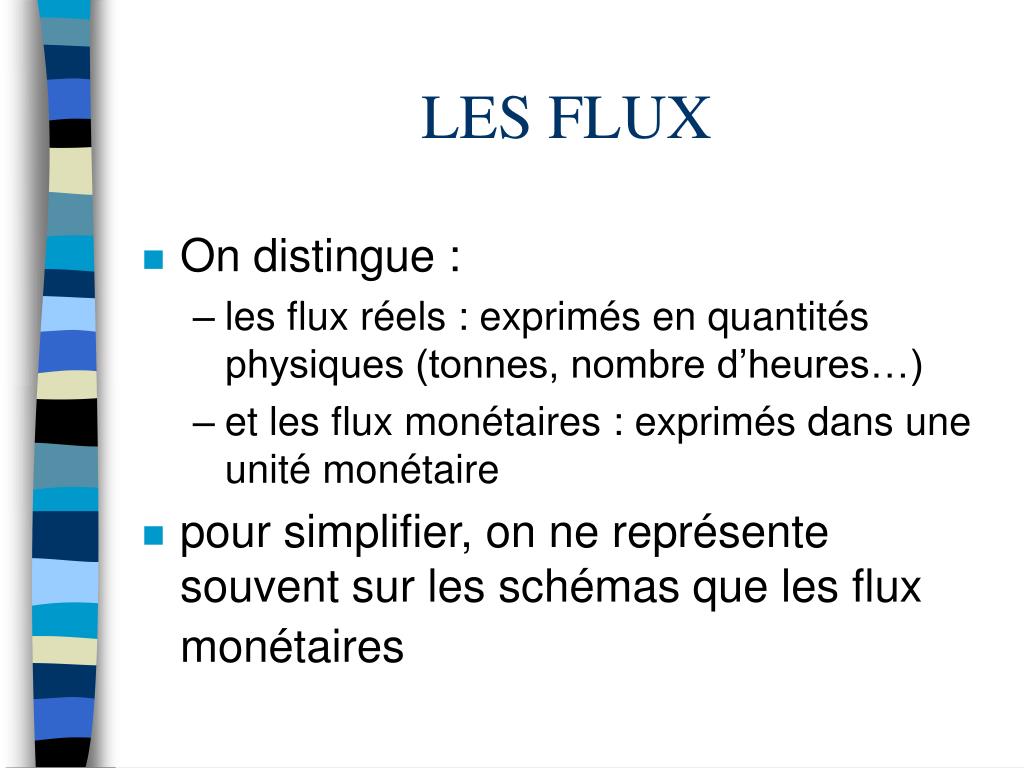
Now, this is the money part of the equation. It’s the payment made in exchange for the flux réel. That five-euro bill you handed over for the strawberries? That's the flux monétaire. Your monthly rent payment? Flux monétaire. The salary you receive from your job? Also flux monétaire.
It’s the counterpart to the real flow. It's what makes the whole system tick.
Important point: Without flux monétaire, flux réel would grind to a halt. Imagine trying to barter for everything you needed! Sounds exhausting, right? No thanks, I'd rather stick to my online banking app.
- Wages and Salaries: Payments to workers for their labor.
- Rent: Payments for the use of land or property.
- Interest: Payments for the use of capital.
- Profits: Earnings made by businesses.
The Interplay: A Dance of Supply and Demand
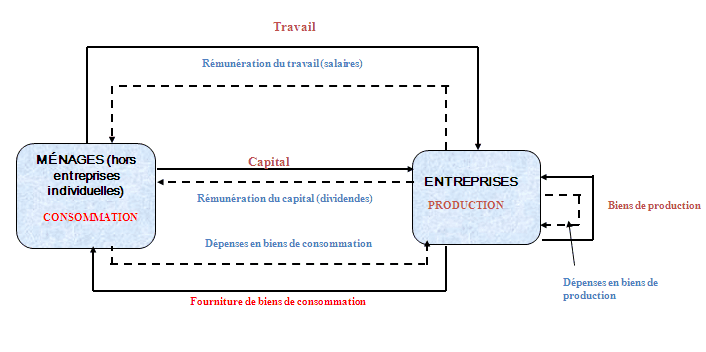
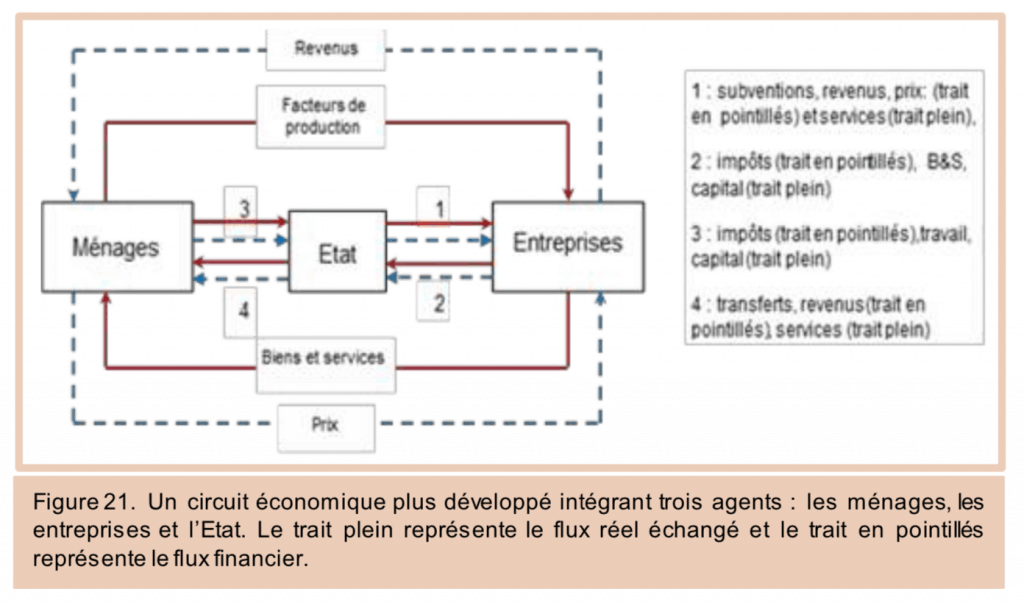
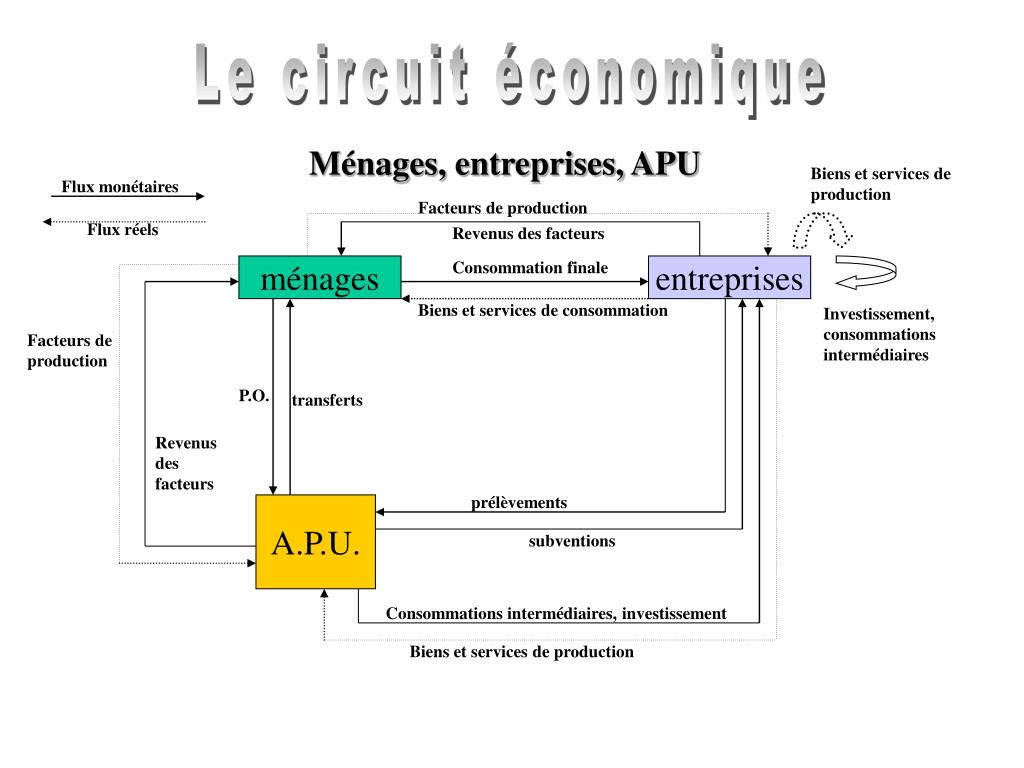
Here's where it gets interesting. Flux réel and flux monétaire are intrinsically linked. They are two sides of the same coin, perpetually circling each other in a dance of supply and demand.
Think about it: when demand for strawberries is high (everyone wants those juicy berries!), the flux réel (the supply of strawberries) might struggle to keep up. This drives up the flux monétaire (the price) – people are willing to pay more to get their hands on those coveted berries.
On the other hand, if there’s a bumper crop of strawberries and everyone is practically drowning in them, the flux réel is abundant. This leads to a decrease in the flux monétaire – the price of strawberries goes down because there's just too much to go around.
That’s the magic of the market at work. It's all about finding the balance between what people want (demand) and what's available (supply) and expressing that balance through the exchange of goods/services and money.

Examples in the Real World (Beyond Strawberries)
Let’s zoom out from the farmer’s market and look at some bigger examples:
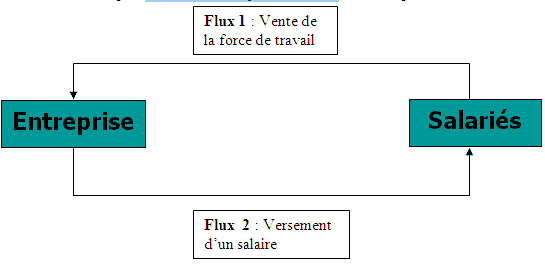
- Employment: You provide your labor (flux réel) to a company, and they pay you a salary (flux monétaire).
- Housing: You rent an apartment (flux réel – you get the use of the property), and you pay rent (flux monétaire) to the landlord.
- Manufacturing: A factory produces cars (flux réel), and consumers buy them using money (flux monétaire).
- Healthcare: A doctor provides medical services (flux réel), and you pay for those services (flux monétaire) either directly or through insurance.
See how it’s everywhere? Every single transaction, no matter how big or small, involves this two-way flow.
Why Should You Care About All This?
Okay, I know what you're thinking: "This is all very interesting, but why should I care about flux réel and flux monétaire?"
Well, understanding these concepts helps you:
- Understand the economy: It gives you a basic framework for understanding how money and resources flow through the economy. This can help you make more informed decisions about your own finances.
- Make better financial decisions: When you understand how supply and demand affect prices, you can make smarter choices about what to buy and when to buy it. For instance, maybe avoid the strawberry frenzy and wait until the price drops.
- Be a more informed citizen: Understanding the economy makes you a better-informed participant in society. You can better understand economic policies and their potential impacts.
Basically, it’s about understanding the underlying dynamics of the world around you. Knowledge is power, after all! And who doesn't want a little bit more power, especially when it comes to their wallet?
A Final Thought
So, the next time you're at the store, buying a coffee, or even just thinking about your paycheck, remember the two-step tango of flux réel and flux monétaire. It’s a constant cycle that drives the economy, and understanding it can give you a new perspective on the world around you. Maybe you'll even start analyzing your fruit purchases in terms of macroeconomic flows. Just kidding… mostly.
Now, go forth and conquer the world (or at least, your next grocery shopping trip) with your newfound knowledge!