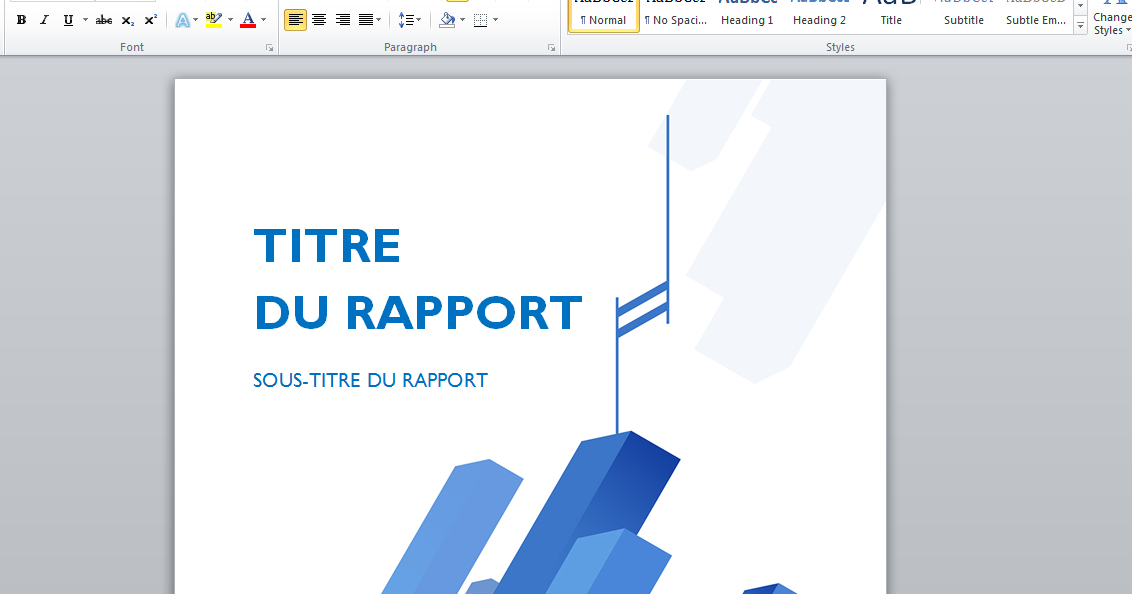
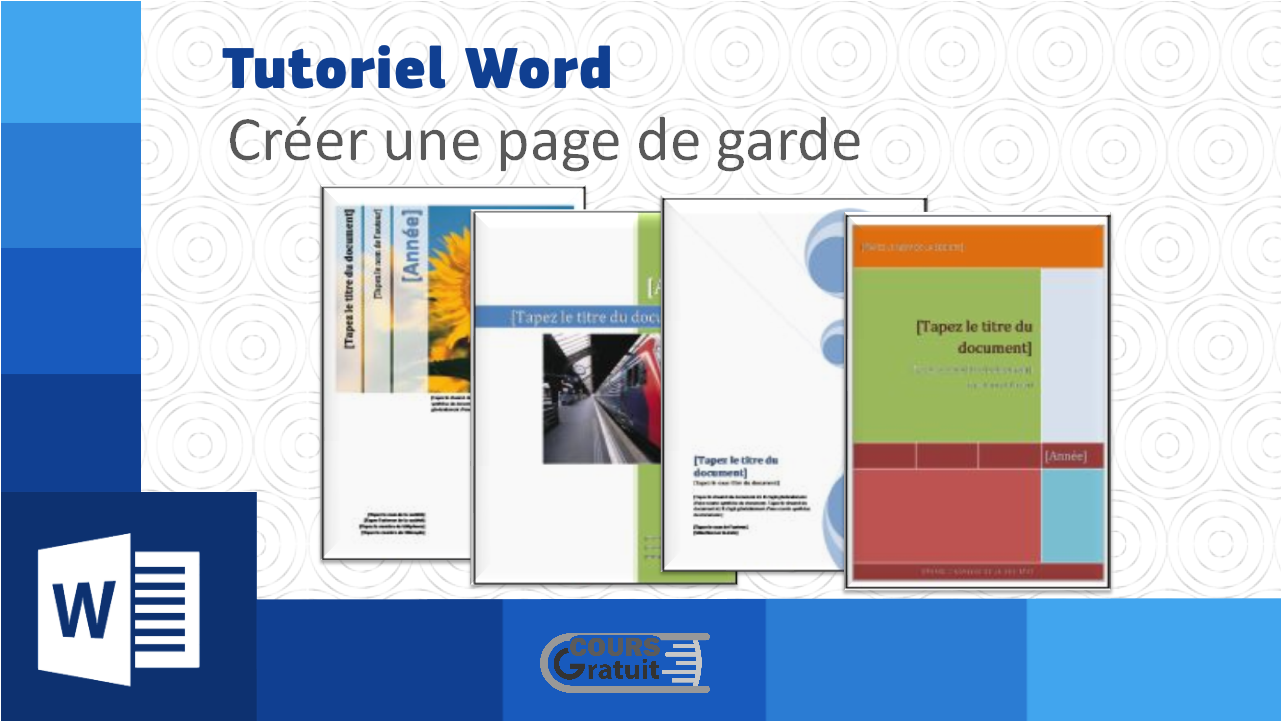
Okay, listen up. I once saw someone hand in a report where the cover page was, I kid you not, a blurry phone photo of a badly printed logo taped onto a piece of cardboard. The poor intern's face was the color of a ripe tomato when the supervisor gave him that look. And honestly? It made me think. Because first impressions, even on something as "minor" as a stage report, really matter. So, let's talk about making a kick-ass cover page.
Pourquoi S'Embêter Avec la Page de Garde ?
Right, so you're thinking, "It's just a cover page, who cares?". Wrong! Think of it as your report's first handshake. It's the initial visual cue that sets the tone and (hopefully) tells your evaluator that you've put in some effort. A well-designed cover page shows professionalism and respect for the task at hand. Plus, if it looks good, they might even be more inclined to read the actual report... maybe. Okay, probably not more inclined, but at least they won't be distracted by, you know, a blurry potato picture.
Les Éléments Indispensables
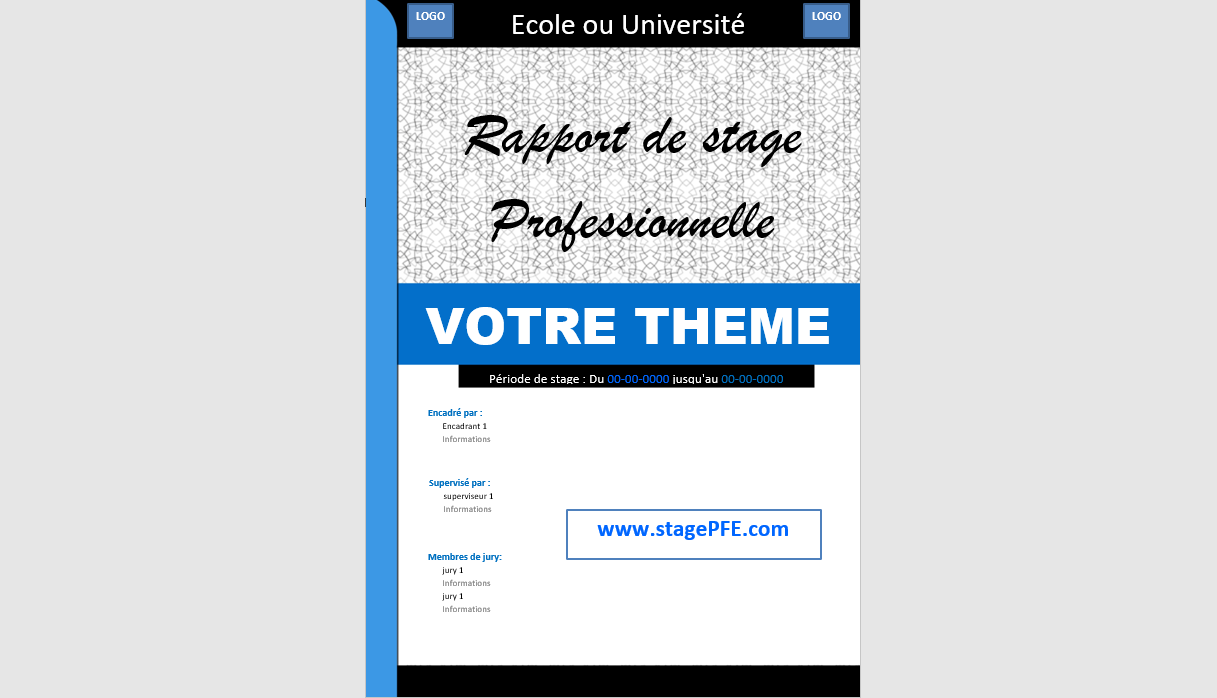
So, what absolutely needs to be on your masterpiece? Let's break it down:
- Le titre du rapport: Obvious, right? But make it clear, concise, and readable. No cryptic philosophical titles, please. Unless your stage was about existentialism and interpretive dance… then maybe.
- Votre nom et prénom: You want credit for your hard work, don't you? And maybe a job offer down the line? Make it prominent.
- Le nom de l'entreprise ou de l'organisme d'accueil: Where did you do this stage? They deserve a shout-out.
- La période de stage: When were you slaving away at this amazing learning opportunity? (Okay, sometimes amazing.)
- Le nom de votre établissement d'enseignement: Show some love to your school!
- (Optionnel mais souvent requis) Le logo de l'entreprise et/ou de l'établissement: Use the official logos. Don't go rogue with your own artistic interpretation.
- (Optionnel) Le nom de votre tuteur de stage et/ou de votre professeur référent: A respectful nod to the people who guided you.
Side note: Always, always check the specific requirements given by your school or the company. They might have a specific template or formatting guidelines that you need to follow. Ignoring these is like showing up to a black-tie event in jeans. Don't do it.
Astuces de Mise en Page
Alright, so you have all the necessary info. Now, how do you make it look… not awful? Here are some quick tips:

- Simplicité: Less is often more. Don't overcrowd the page with unnecessary graphics or fonts.
- Police de caractères: Choose a professional and readable font. Times New Roman, Arial, Calibri are generally safe bets. Avoid Comic Sans. Just... avoid it.
- Couleurs: Use color sparingly and strategically. If the company has brand colors, use them! If not, stick to a simple and professional palette.
- Alignement: Pay attention to alignment. Everything should be neatly aligned and balanced on the page. Use grids or guides in your design software.
- Espace blanc: Don't be afraid of empty space. It helps to create a clean and uncluttered look.
You can use software like Word, PowerPoint, or even online design tools like Canva to create your cover page. Just don't overthink it. The goal is to create a clear and professional impression, not to win a design award.
Le Mot de la Fin
So there you have it. Creating a beautiful cover page for your stage report isn't rocket science. It's about attention to detail, professionalism, and a little bit of design sense. A well-crafted cover page can make a big difference in how your report is perceived. Now go forth and impress! (And please, for the love of all that is holy, no more blurry potato pictures.)


![[Docx] Telecharger page de garde rapport de stage](https://blogger.googleusercontent.com/img/b/R29vZ2xl/AVvXsEjTxsyvBxgPtVONQ87Q3EIbcAJROqZqGWpnmTIE9ZjmojEsOWSQHbfjAX692Z1Q9uxZUnW1SIc2heLipJNU5-WxzdtS8yMPVtUK1adJubibPMaAG2iUtJPHLgaw5dWsVIdmbisPXMH1mhLT/w1600/telecharger+page+de+garde+rapport+de+stage.PNG)


![[Docx] Modele page de garde rapport de stage word](https://blogger.googleusercontent.com/img/b/R29vZ2xl/AVvXsEj8m5I_iP6XKMhnfvh6LKwOsAcoP4EGFHdzklqLopRuE_nJhUR0BWbLnAtTOALSdBNUJ8u0weC6O22SjXA06MBqMeLRlfXNxCzYETDw4JGCrTWkuF4DGaqH24uKoZCdV6bp-ChpsOJbz2EE/s1600/modele+page+de+garde+gratuit+word.PNG)





.png)