Okay, so picture this: Me, desperately trying to order tapas in Barcelona. My Spanish, which I thought was vaguely passable thanks to Duolingo, completely evaporated under the pressure. I wanted patatas bravas, simple enough, right? But instead of confidently saying "Quiero patatas bravas," I somehow butchered the verb querer so badly that the waiter looked at me like I'd just asked him to juggle flaming chainsaws while reciting Shakespeare. Mortifying. The irregular verbs had claimed another victim! (Seriously, they're the Voldemort of Spanish grammar).
That's when I realised: you can learn all the vocabulary in the world, but if you can't conjugate verbs, you're basically speaking gibberish. And those pesky irregular verbs in the Spanish present indicative? They're the ultimate boss level. So, if you're reading this, chances are you've also encountered the joy (ahem, I mean, challenge) of mastering them. Fear not, fellow language learner! We're in this together. Let's dive into some exercises that will (hopefully) help us conquer these grammatical beasts.
Why Are Irregular Verbs So Annoying?
Right, let's address the elephant in the room: why can't all verbs just play nicely and follow the rules? Well, languages evolve over time, and sometimes things get a little… wonky. Irregular verbs are basically linguistic rebels, refusing to conform to the standard patterns. And Spanish has a whole army of them. Thanks, Latin! (I’m kidding... sort of)
Here's a quick rundown of why they trip us up:
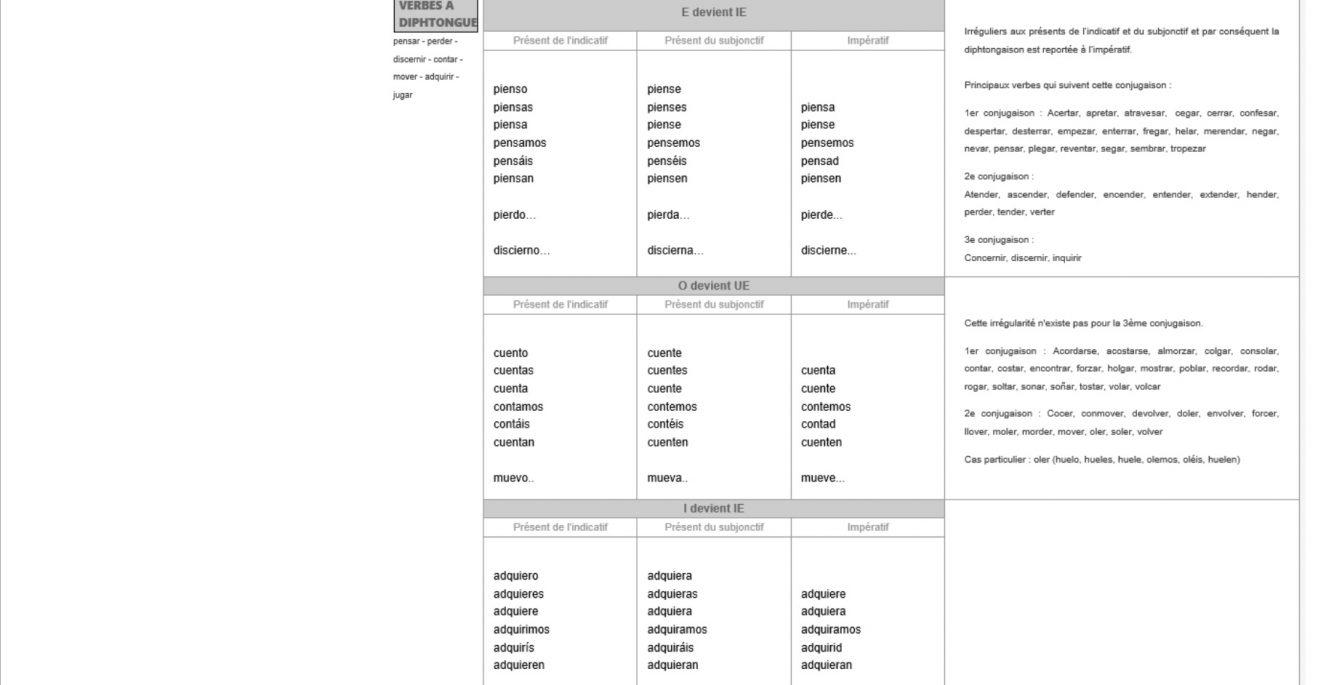
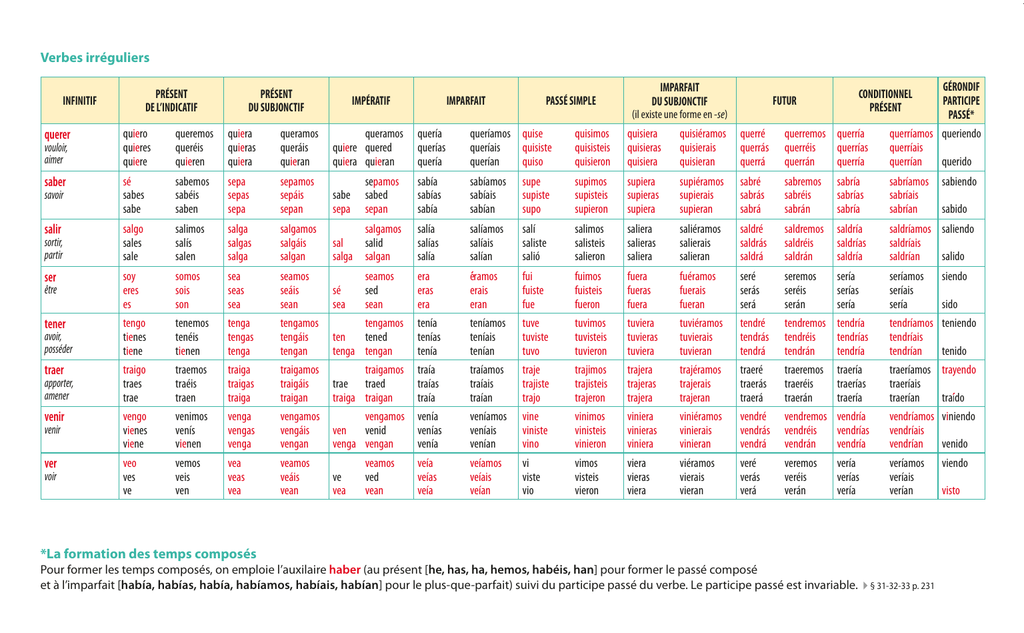
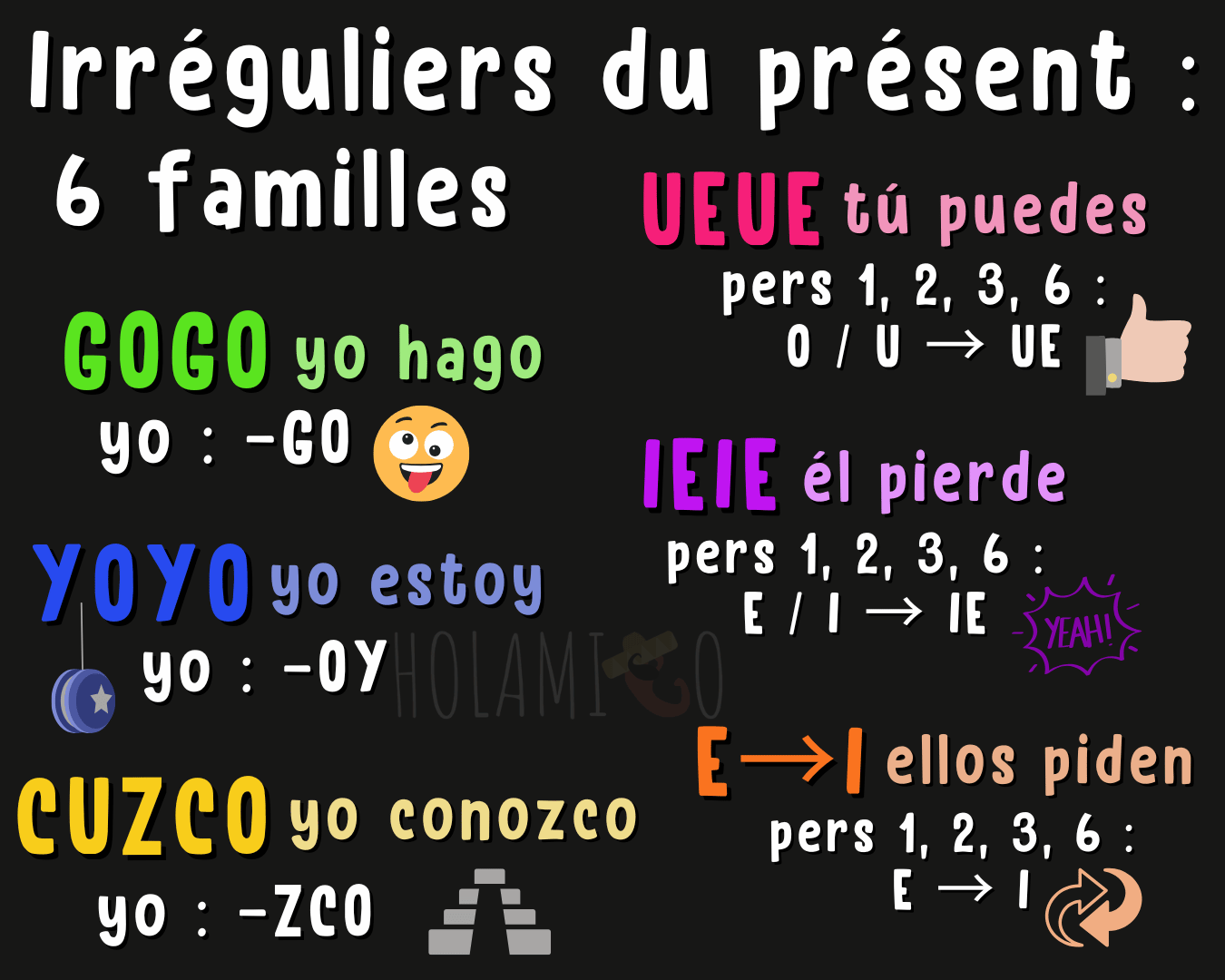
- Stem Changes: The vowel in the verb stem changes depending on the pronoun. Think pensar (to think) becomes pienso, piensas, piensa, but then reverts to pensamos and pensáis before going back to piensan. What even?!
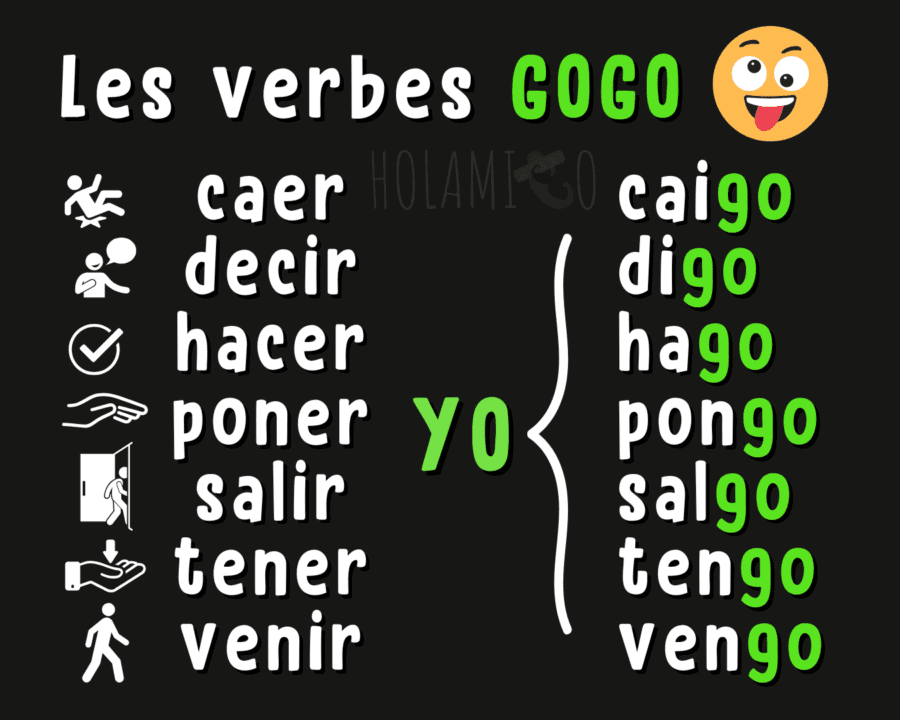
- Irregular Yo Forms: Some verbs have completely unique yo (I) forms. Hacer (to do) becomes hago, salir (to leave) becomes salgo, and poner (to put) becomes pongo. Just memorize them, I guess. (This is the part where you sigh dramatically.)
- Complete Irregularity: And then there are the verbs that are just… completely irregular. Ser (to be) and ir (to go) are prime examples. They laugh in the face of conjugation patterns.
Time to Train: Spanish Present Indicative Irregular Verb Exercises
Alright, enough complaining. Let's get to the good stuff: exercises! I've broken them down by type of irregularity to make things a little less overwhelming.
Stem-Changing Verbs (e → ie)
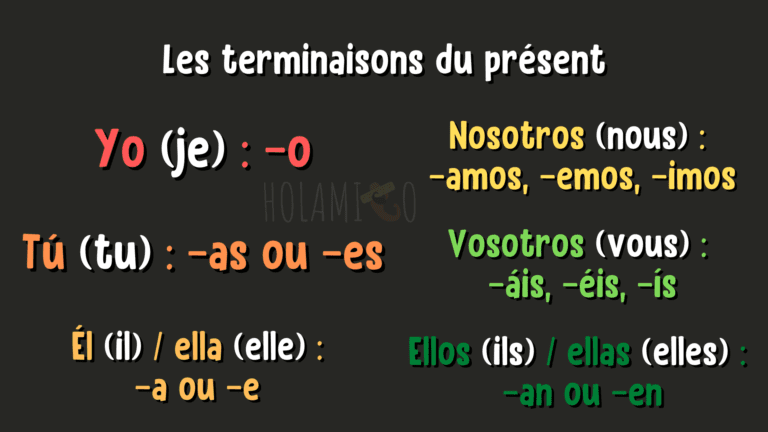
These verbs change the "e" in their stem to "ie" in all forms except nosotros and vosotros. Common offenders include pensar (to think), querer (to want), empezar (to begin), entender (to understand), and perder (to lose).
Exercise 1: Fill in the blanks
Conjugate the following verbs in the present indicative:
- Yo ________ (pensar) que esta lección es útil.
- Tú ________ (querer) aprender español.
- Ella ________ (empezar) a estudiar a las ocho.
- Nosotros ________ (entender) la lección.
- Vosotros ________ (perder) el autobús.
- Ellos ________ (pensar) ir a España.
Exercise 2: Translate the sentences
Translate the following sentences into Spanish using the correct form of the stem-changing verbs:
- I want to eat paella.
- You (informal) think that Spanish is easy.
- He begins to work at nine o'clock.
- We understand the lesson.
- You (plural, informal) lose your keys.
- They want to travel to Mexico.
Stem-Changing Verbs (o → ue)
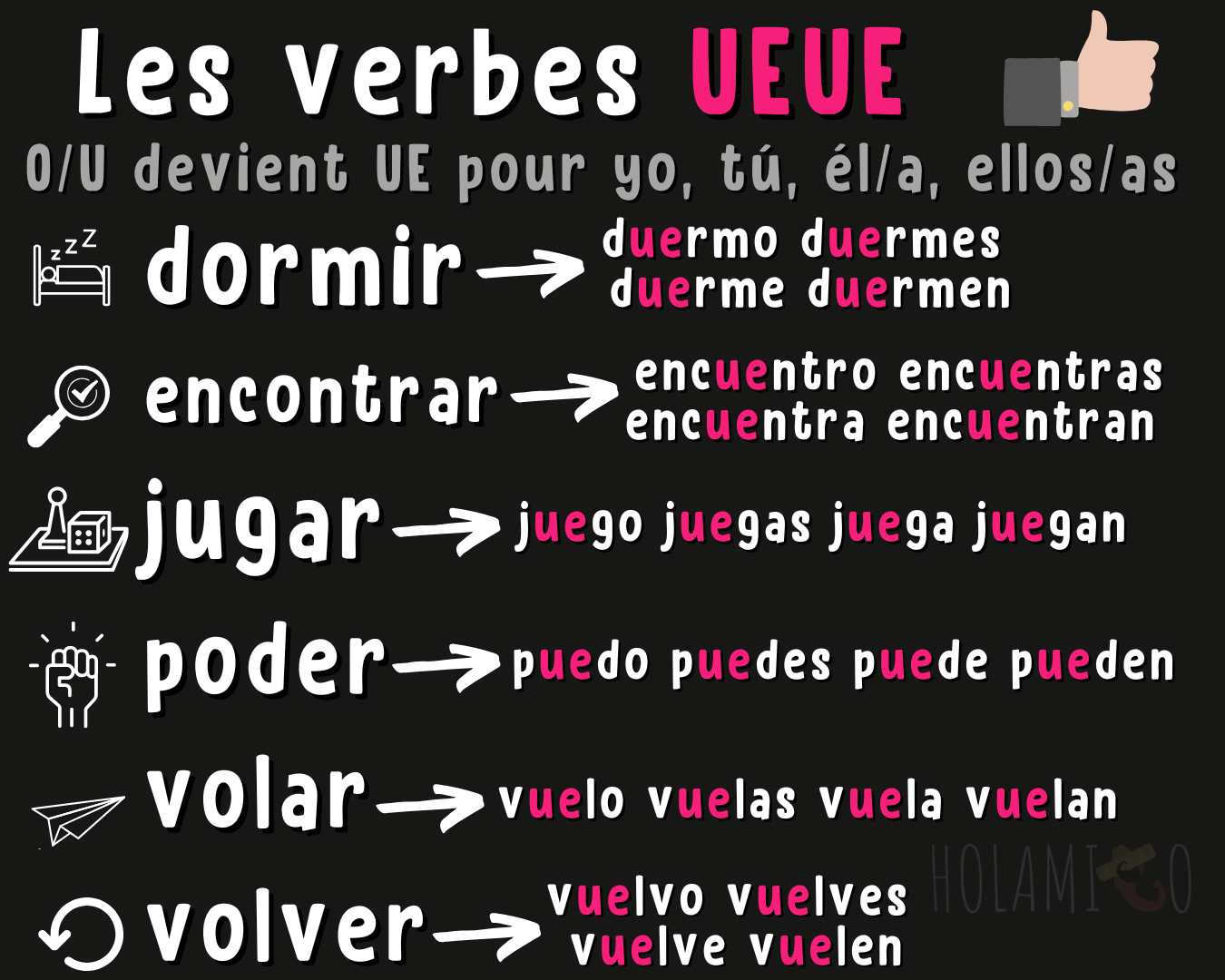
Similar to the e → ie verbs, these verbs change the "o" in their stem to "ue" in all forms except nosotros and vosotros. Key players include poder (to be able to), dormir (to sleep), volver (to return), encontrar (to find), and recordar (to remember).
Exercise 1: Fill in the blanks
Conjugate the following verbs in the present indicative:
- Yo ________ (poder) hablar español.
- Tú ________ (dormir) mucho los fines de semana.
- Él ________ (volver) a casa tarde.
- Nosotros ________ (encontrar) un buen restaurante.
- Vosotros ________ (recordar) la lección.
- Ellos ________ (poder) ir al cine.
Exercise 2: Translate the sentences

Translate the following sentences into Spanish using the correct form of the stem-changing verbs:
- I can speak Spanish.
- You (informal) sleep a lot on weekends.
- She returns home late.
- We find a good restaurant.
- You (plural, informal) remember the lesson.
- They can go to the cinema.
Stem-Changing Verbs (e → i)
These verbs change the "e" in their stem to "i" in all forms except nosotros and vosotros. The most common verb in this category is probably pedir (to ask for/to order).
Exercise 1: Fill in the blanks
Conjugate the verb pedir in the present indicative:
- Yo ________ (pedir) un café.
- Tú ________ (pedir) ayuda.
- Él ________ (pedir) la cuenta.
- Nosotros ________ (pedir) silencio.
- Vosotros ________ (pedir) permiso.
- Ellos ________ (pedir) pizza.
Irregular Yo Form Verbs
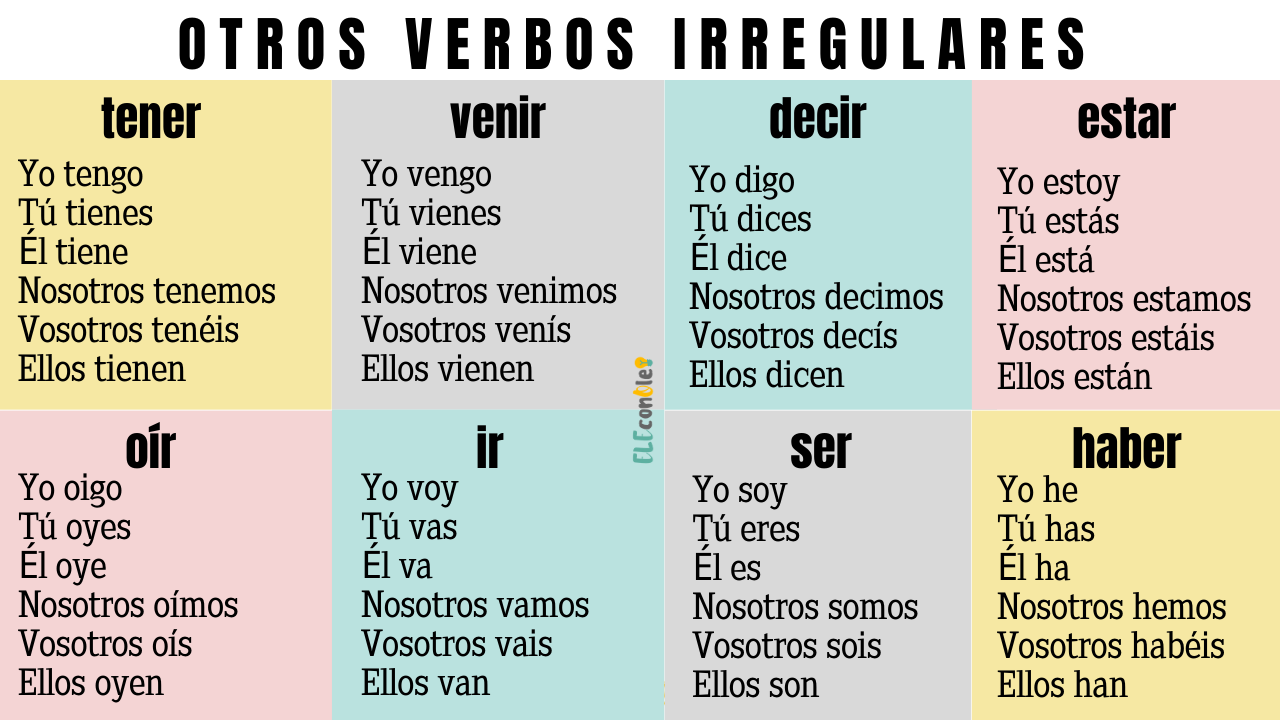
These verbs have a completely irregular yo form, while the other forms are usually regular. Some common ones are: hacer (to do), salir (to leave), poner (to put), tener (to have), venir (to come), decir (to say/tell), and saber (to know).
Exercise 1: Fill in the blanks
Conjugate the following verbs in the present indicative. Pay special attention to the yo form!
- Yo ________ (hacer) la tarea. Tú ________ (hacer) la comida.
- Yo ________ (salir) de casa a las ocho. Ella ________ (salir) con sus amigos.
- Yo ________ (poner) la mesa. Nosotros ________ (poner) la música.
- Yo ________ (tener) un coche. Ellos ________ (tener) hambre.
- Yo ________ (venir) de España. Vosotros ________ (venir) a la fiesta.
- Yo ________ (decir) la verdad. Él ________ (decir) mentiras.
- Yo ________ (saber) la respuesta. Tú ________ (saber) hablar español.
Exercise 2: Translate the sentences
Translate the following sentences into Spanish:
- I do my homework.
- He leaves the house early.
- I put the book on the table.
- We have a dog.
- They come from France.
- I tell the truth.
- You (informal) know the answer.
Completely Irregular Verbs: Ser and Ir
These verbs are just… special. There's no pattern, no rhyme or reason. You just have to memorize them. Sigh.
Ser (to be): soy, eres, es, somos, sois, son
Ir (to go): voy, vas, va, vamos, vais, van
Exercise 1: Fill in the blanks
Choose the correct form of ser or ir to complete the sentences:
- Yo ________ estudiante.
- Tú ________ a la playa.
- Ella ________ simpática.
- Nosotros ________ amigos.
- Vosotros ________ al cine.
- Ellos ________ altos.
Exercise 2: Translate the sentences
Translate the following sentences into Spanish using ser and ir:
- I am a teacher.
- You (informal) are going to the park.
- He is from Spain.
- We are happy.
- You (plural, informal) are going to the party.
- They are doctors.
Tips and Tricks for Mastering Irregular Verbs
Okay, so we've thrown a lot of exercises at you. Here are some extra tips to help you on your irregular verb journey:
- Flashcards: Old school, but effective. Write the infinitive on one side and the conjugation on the other.
- Verb Conjugation Websites/Apps: There are tons of online resources that can help you practice conjugating verbs. Use them! (Seriously, Google is your friend).
- Practice, Practice, Practice: The more you use these verbs, the more natural they'll become. Try writing sentences, speaking with native speakers, or even just thinking in Spanish.
- Don't Be Afraid to Make Mistakes: Everyone makes mistakes when learning a language. The important thing is to learn from them. Remember my tapas disaster? I'm still slightly traumatized, but at least I now know how to conjugate querer properly! (Well, mostly...)
Mastering irregular verbs takes time and effort, but it's definitely achievable. Just keep practicing, stay patient, and don't give up! And remember, even if you mess up and accidentally ask for flaming chainsaws, at least you'll have a good story to tell. ¡Buena suerte!