Bonjour, mes amis! Grab a croissant and pull up a chair. Today, let's chat about something fascinating – euphemisms. Ever stumbled over your words, trying to soften a blow? We all have, n'est-ce pas?
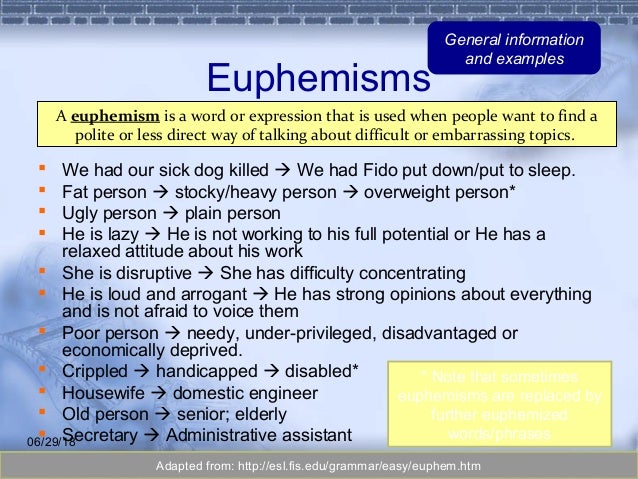
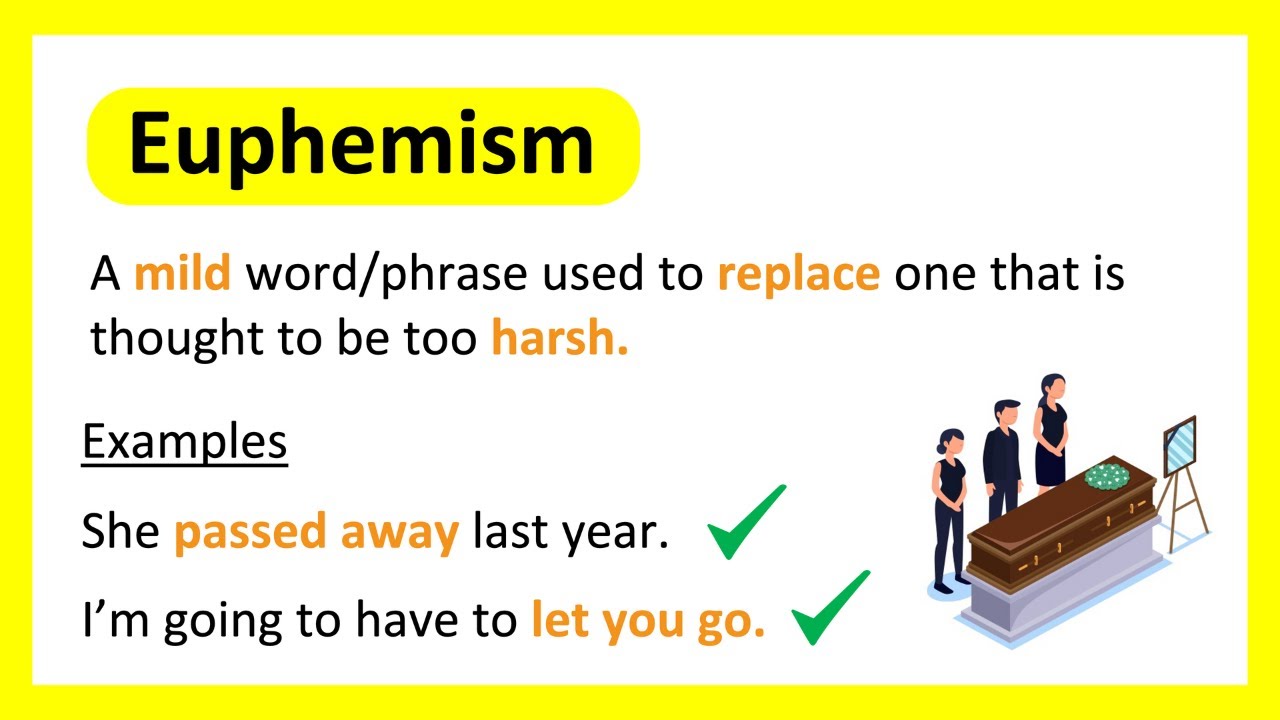
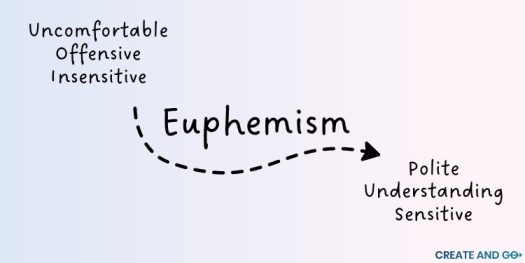
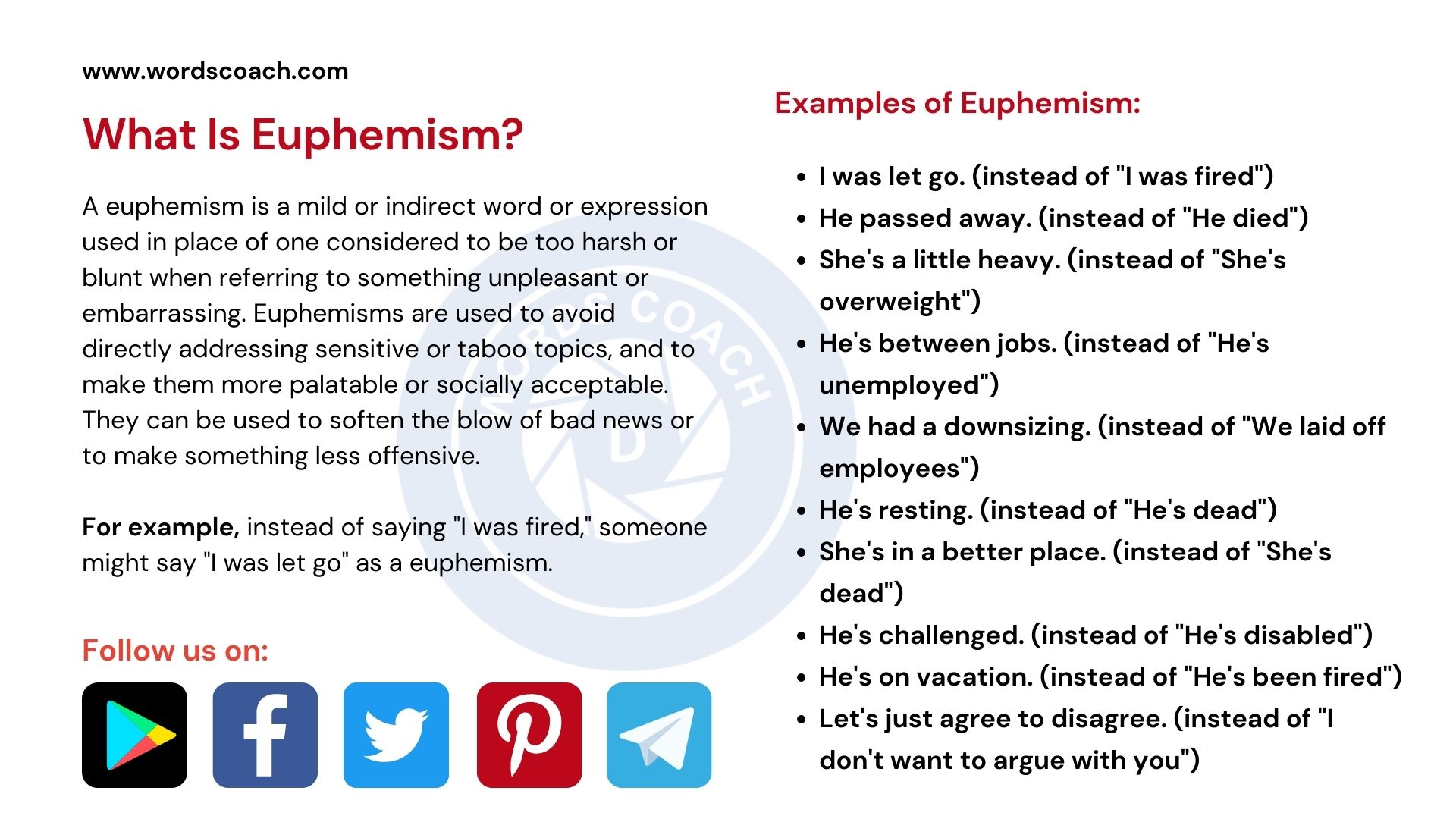
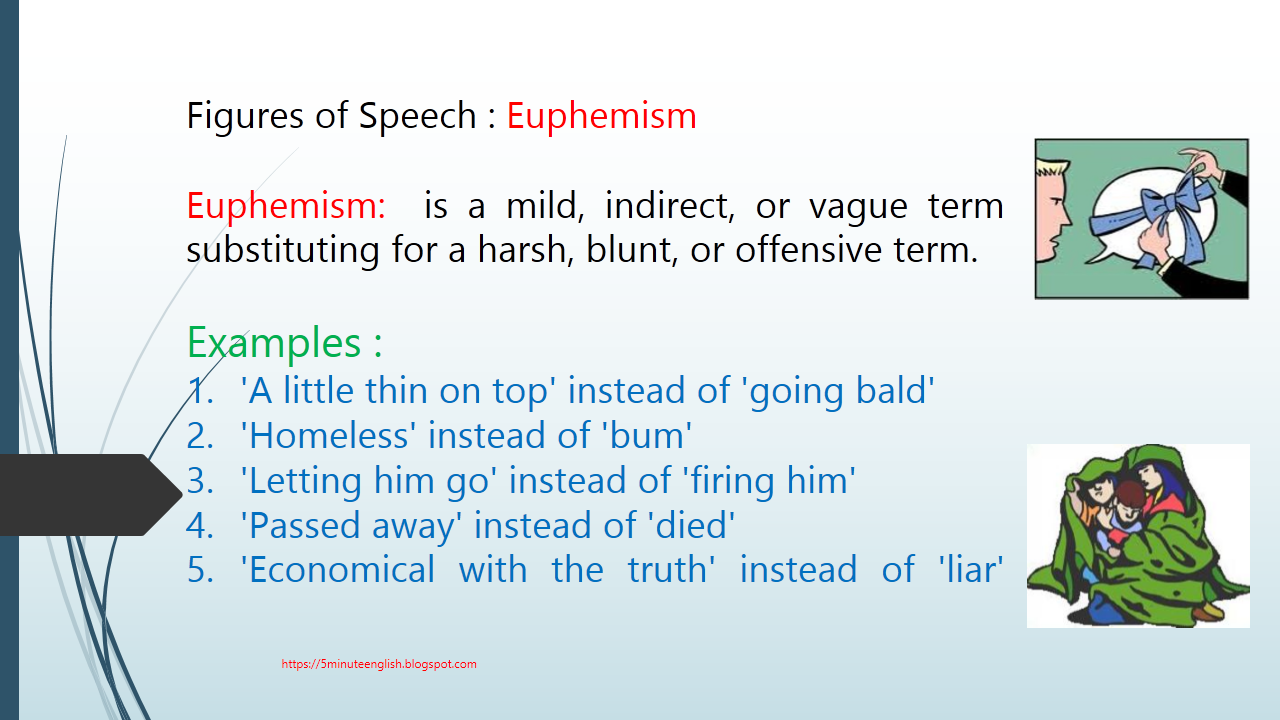
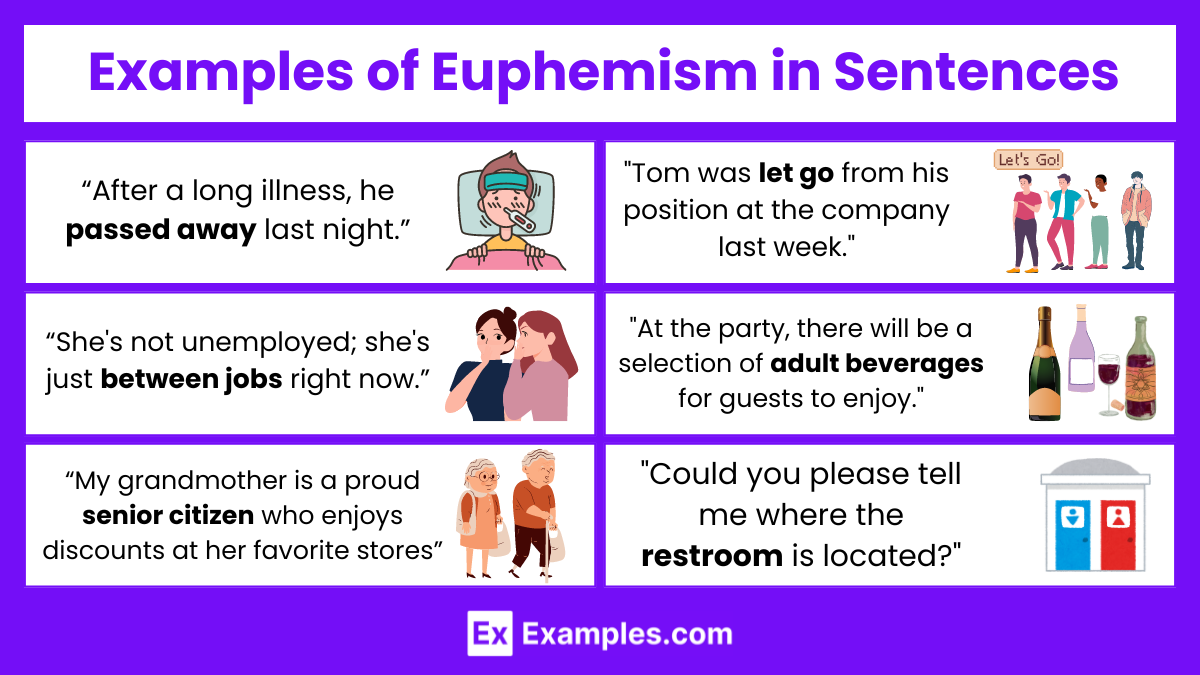
A euphemism, simply put, is a polite way of saying something potentially unpleasant, embarrassing, or offensive. It's like wrapping a harsh truth in a soft blanket. Think of it as the sugar coating on a bitter pill. Why do we use them? Ah, that's part of the fun!
Navigating the World with Finesse
Euphemisms help us navigate social situations more smoothly. Imagine announcing at a dinner party that someone "kicked the bucket." A bit… jarring, wouldn't you say?
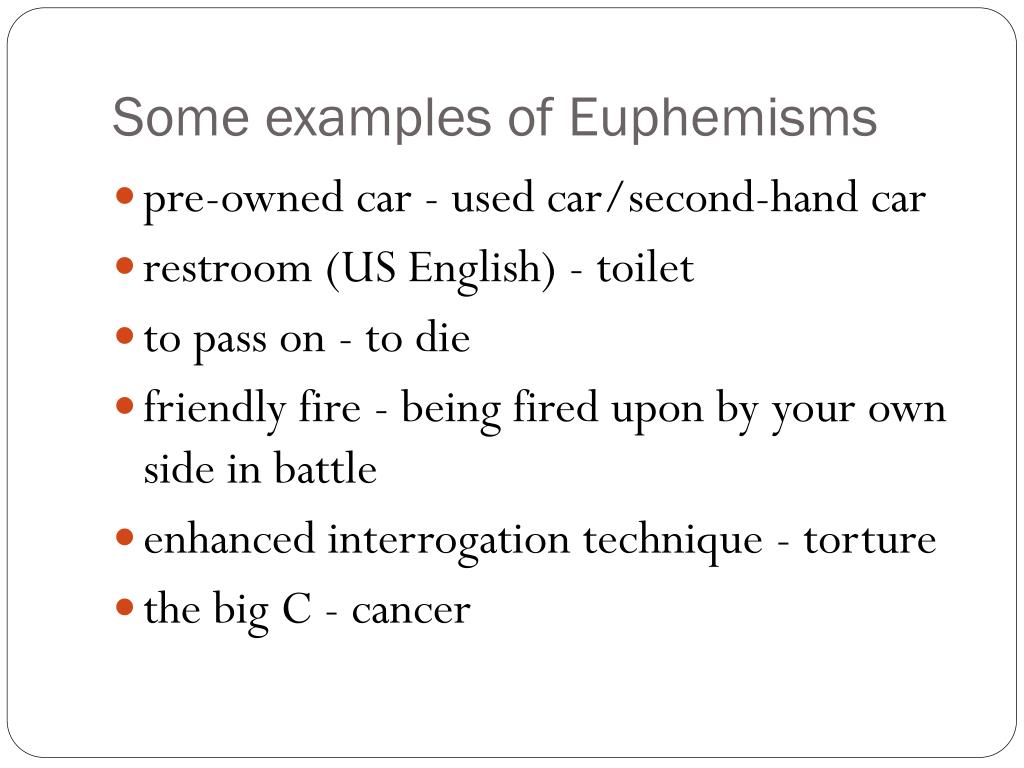
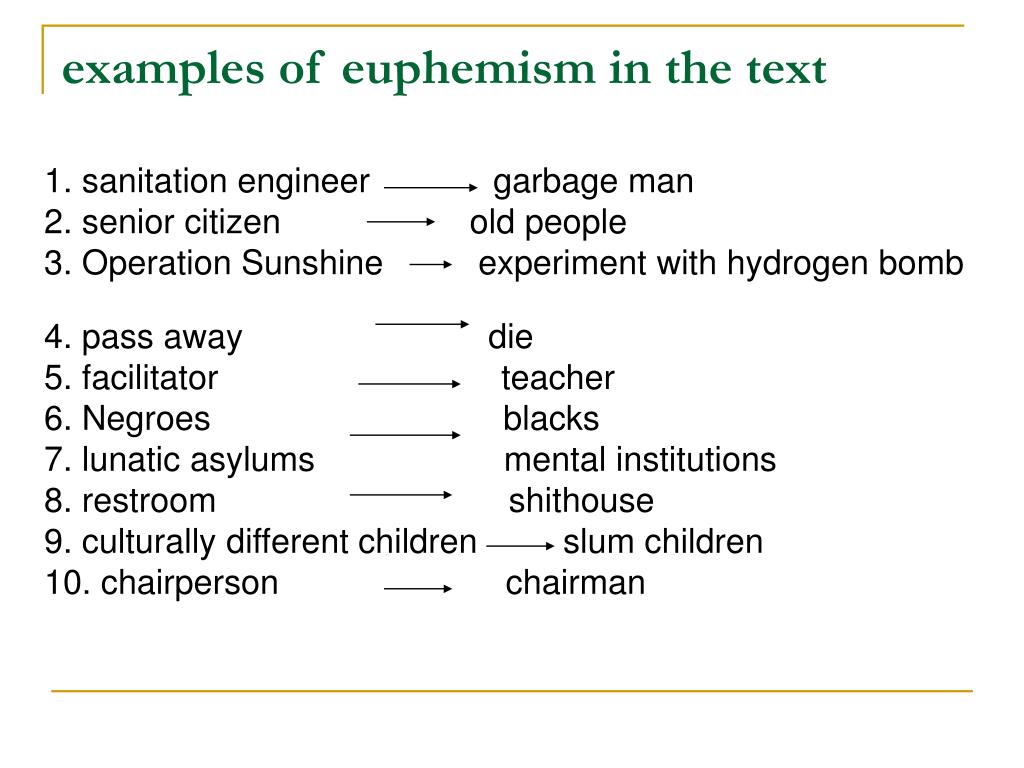
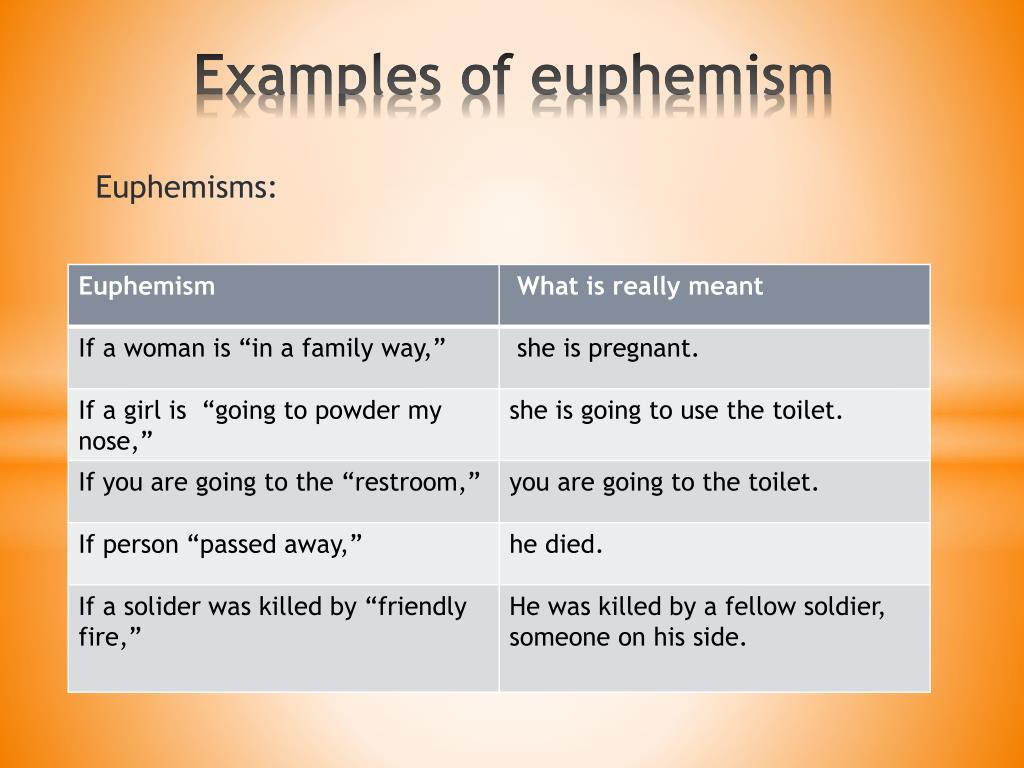
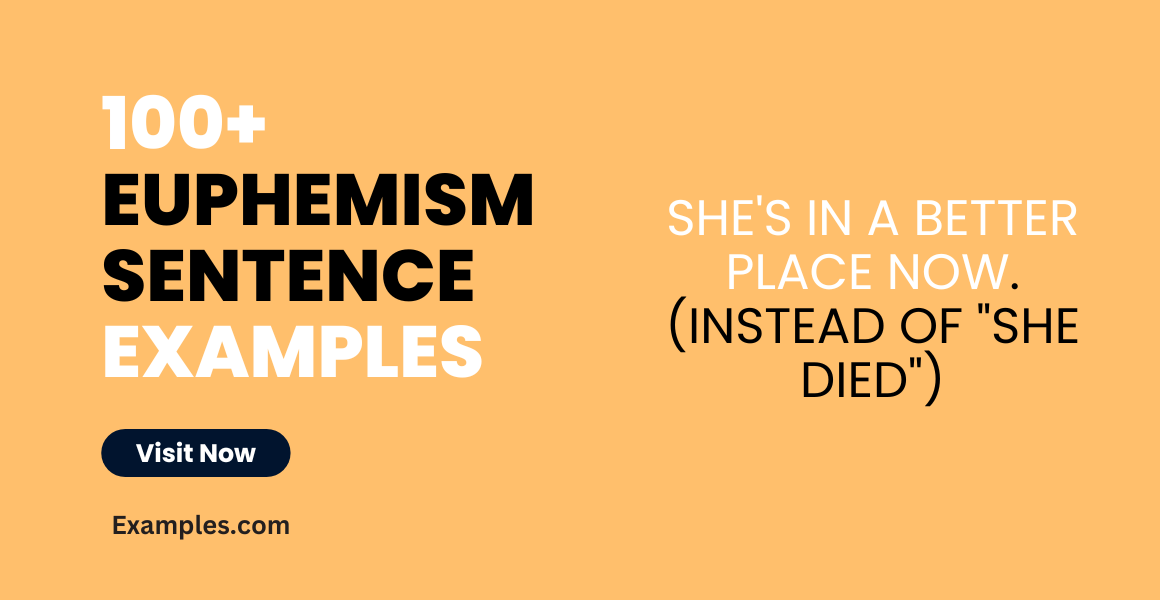
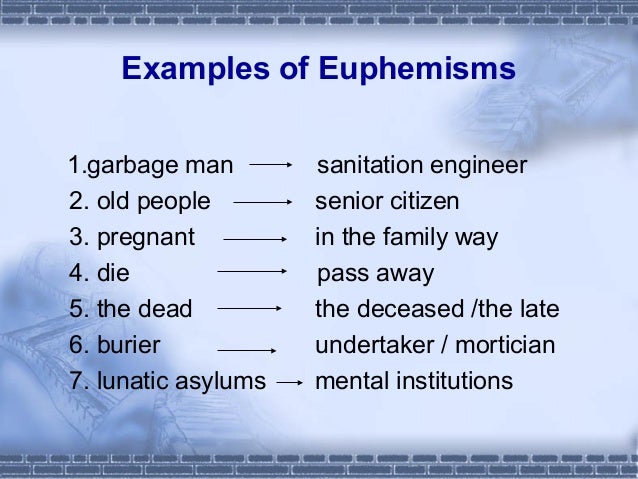
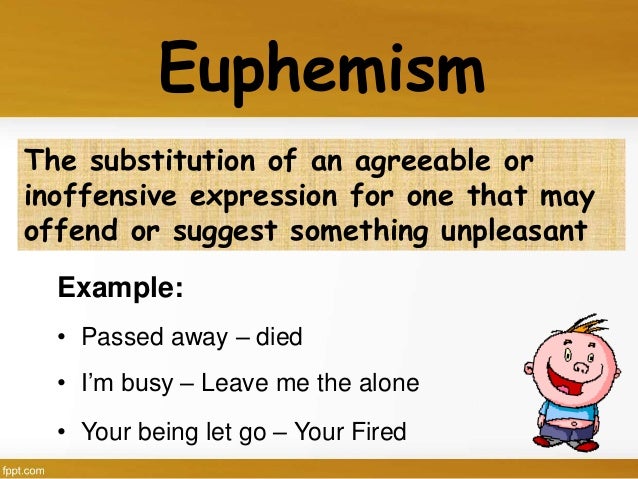
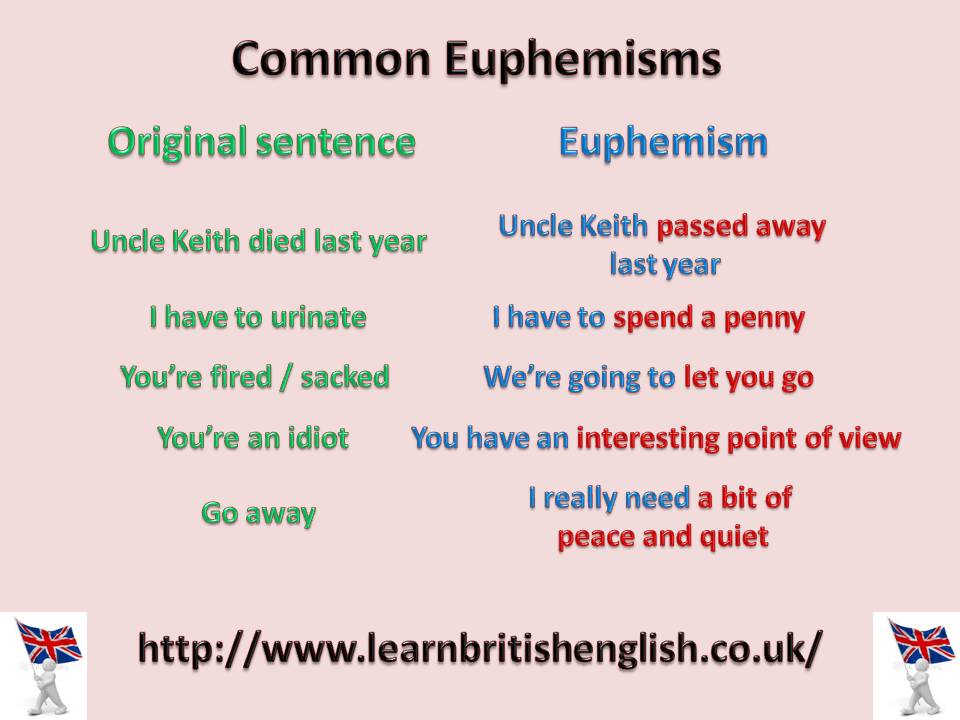
Instead, we might say they "passed away" or "are no longer with us." See the difference? Much gentler, much kinder. It allows us to express grief and loss without being overly blunt or causing unnecessary distress. We're being sensitive, and that's a good thing.
Think about it: Have you ever heard someone say "collateral damage" instead of "civilian casualties" during a war report? That's a powerful example of a euphemism in action. It attempts to diminish the gravity of the situation, although some might argue it's also ethically questionable. It highlights how euphemisms can be used – and sometimes misused – to shape our perceptions.
An Example from Everyday Life
Let's consider a more relatable, everyday example. Suppose your friend Marie has gained a little weight. Would you say, "Marie, you've gotten fat!"? Non, non, non! That's a recipe for disaster.
Instead, you might gently say, "Marie, you look like you've been enjoying life!" or "Marie, you're looking well." These are euphemisms. They acknowledge the change without being directly critical or hurtful. They imply, without explicitly stating, that Marie has gained weight. See how that works? It's all about subtlety and kindness.
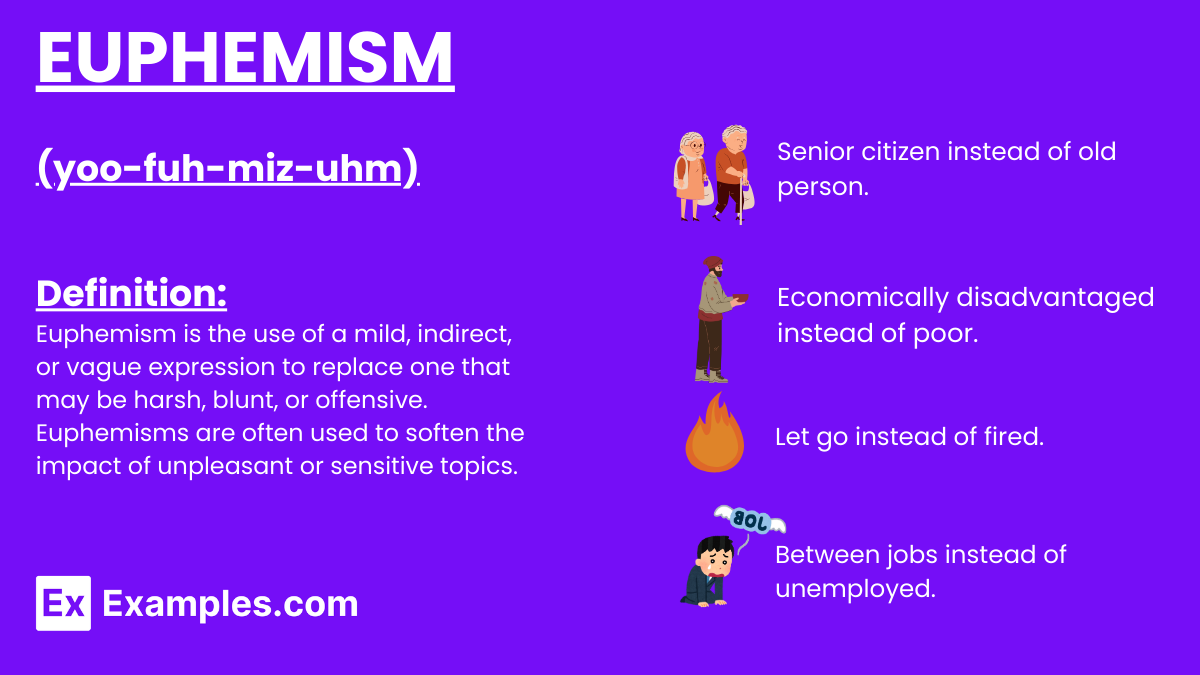
We often use euphemisms when talking about sensitive topics like age, finances, or bodily functions. For example, instead of saying someone is "old," we might say they are "a senior citizen" or "of a certain age." Instead of saying someone is "poor," we might say they are "financially challenged" or "economically disadvantaged."
And let's not forget the classic euphemisms for… well, for using the restroom! We might say we need to "powder our nose," "visit the little girls' room," or simply "freshen up." These are all socially acceptable ways to avoid mentioning a potentially awkward or embarrassing topic. It's all part of the danse sociale, isn't it?
Why Bother with Euphemisms?
So, why do we go to all this trouble? Why not just say what we mean, plain and simple?
Well, sometimes the truth is too harsh to deliver directly. Euphemisms act as a buffer, allowing us to soften the impact of difficult news or uncomfortable situations. They show respect for others' feelings and help us maintain social harmony.
Imagine a doctor telling a patient bluntly, "You're going to die." While truthful, it's incredibly insensitive. A more compassionate doctor might say, "We'll focus on managing your symptoms and keeping you comfortable." This is a euphemism that provides hope and reassurance while acknowledging the seriousness of the situation. It's about delivering difficult news with grace and empathy.
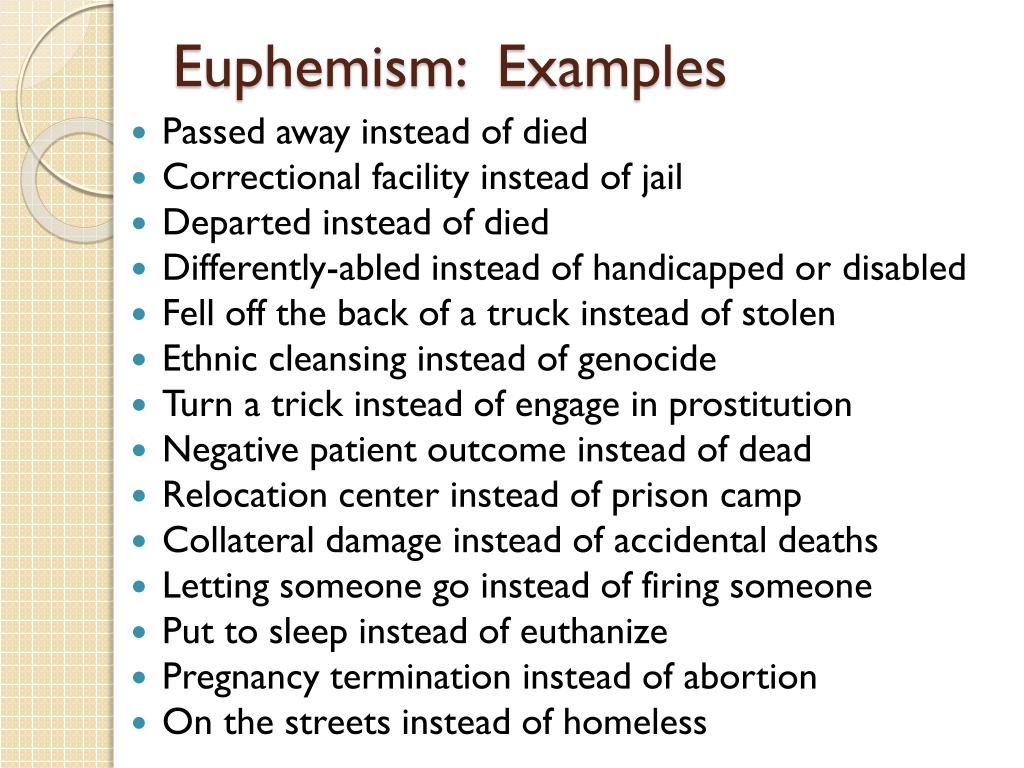
However, it's important to remember that euphemisms can also be used to obscure the truth or even to deceive. Politicians, for example, are often masters of euphemistic language. They might use phrases like "revenue enhancement" instead of "tax increase" to make unpopular policies sound more appealing.
It’s important to be aware of this potential for manipulation. Critical thinking is essential! We need to be able to recognize euphemisms and understand the underlying message they are trying to convey. Question everything, mes amis!
Beyond the Obvious
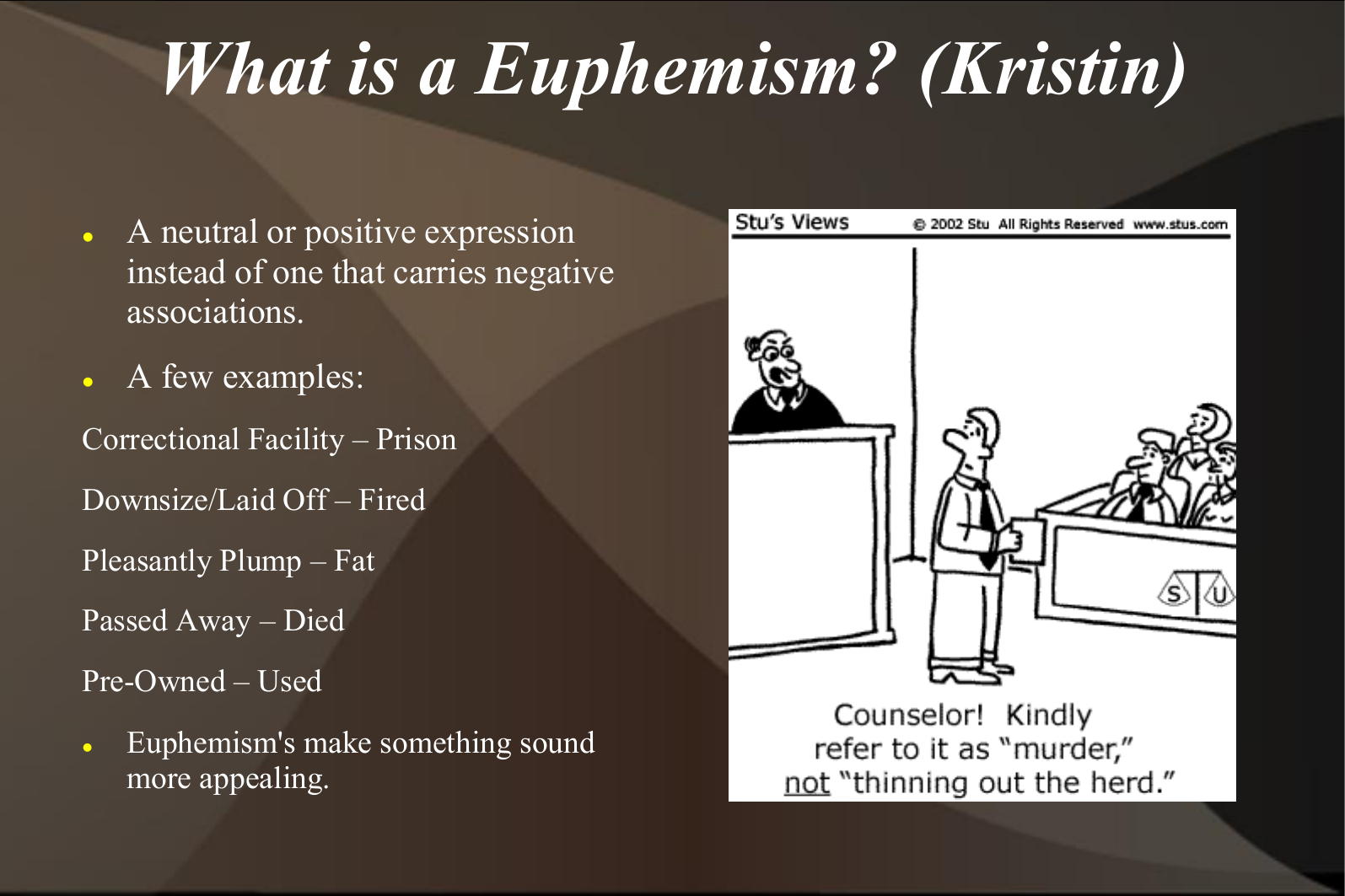
Think about phrases like "let go" instead of "fired," or "downsized" instead of "laid off." Companies use these euphemisms to soften the blow of job losses and to protect their public image. While these terms might sound less harsh, they don't change the reality of the situation.
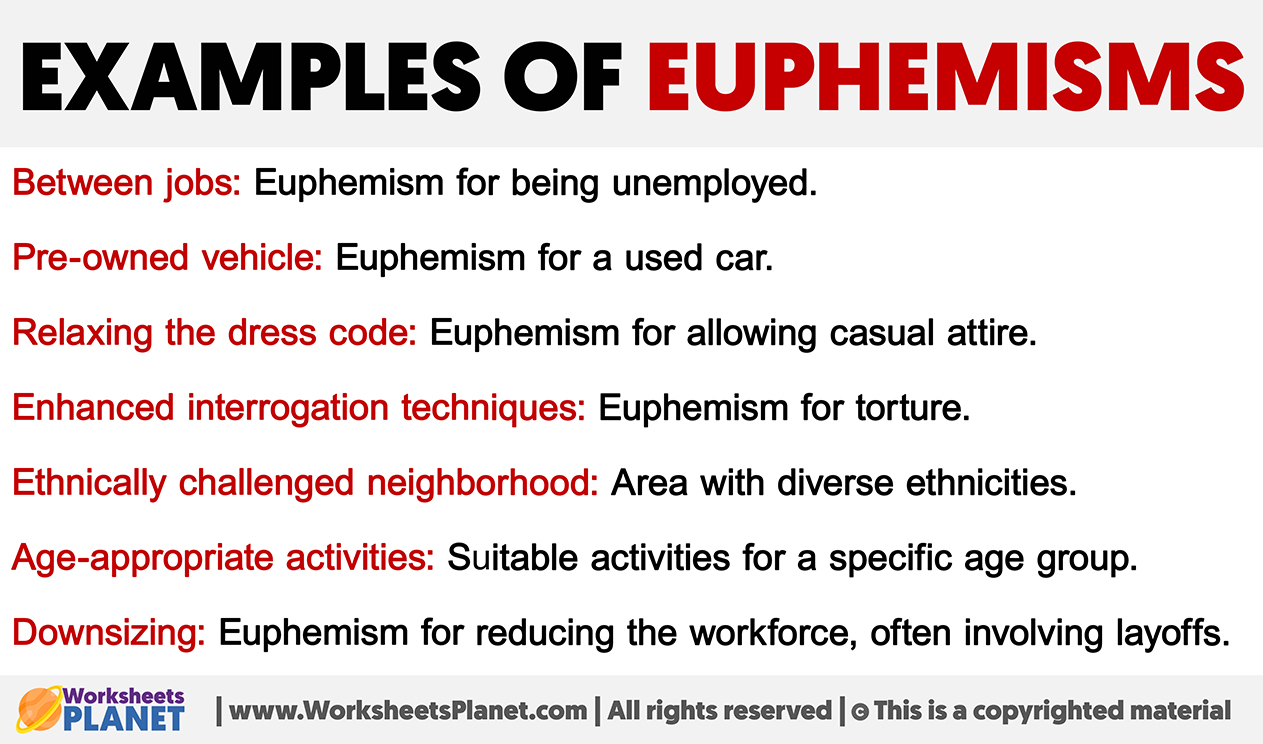
Another example is the phrase "pre-owned" instead of "used" when selling a car. It sounds more appealing, doesn't it? It implies that the car was well-cared for and is still in good condition, even though it has been driven by someone else. It’s all about perception and marketing.
So, the next time you hear a seemingly innocuous phrase, take a moment to consider whether it might be a euphemism. What is the speaker really trying to say? Are they trying to soften a blow, avoid embarrassment, or perhaps even mislead you? Understanding the power of euphemisms can help you become a more discerning and savvy communicator.
A Final Thought
Euphemisms are a fascinating and complex part of language. They can be used to express kindness, avoid offense, or even manipulate others. By understanding how they work, we can become better communicators and more critical thinkers. And remember, a little bit of kindness can go a long way.
So, go forth and use your words wisely, mes amis. Spread a little sunshine wherever you go. And perhaps, just perhaps, offer a well-placed euphemism when the situation calls for it. À bientôt! May your days be filled with joy and understanding.